How to Clean Work Boots

Why Clean Work Boots Matter
Work boots endure harsh conditions daily. Dirt, oil, chemicals, and moisture accumulate on the leather and fabric. This buildup shortens boot lifespan and reduces safety features. Clean boots maintain their protective qualities and extend their usable life by years.
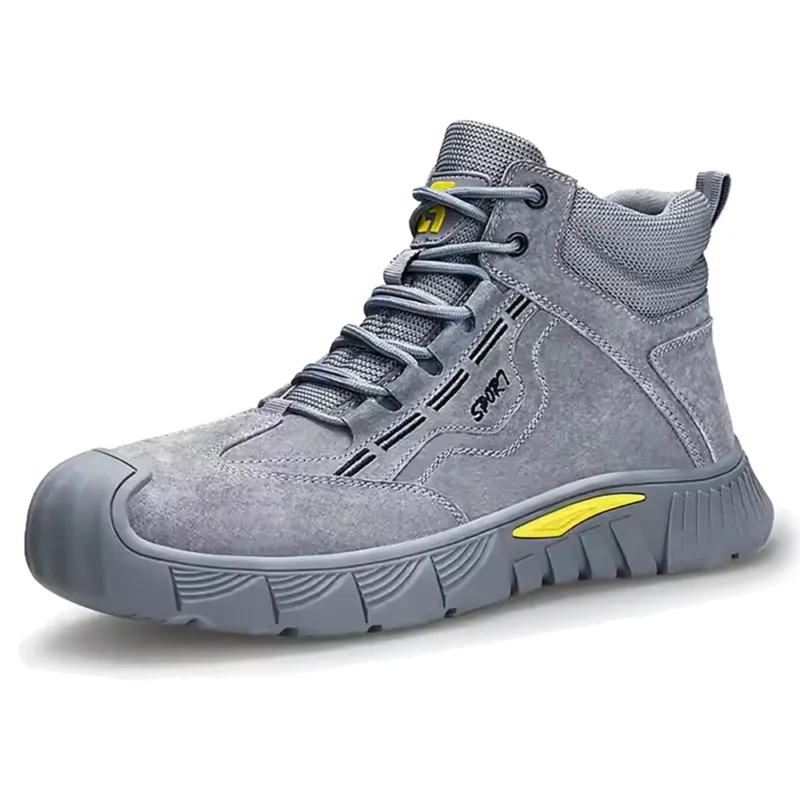
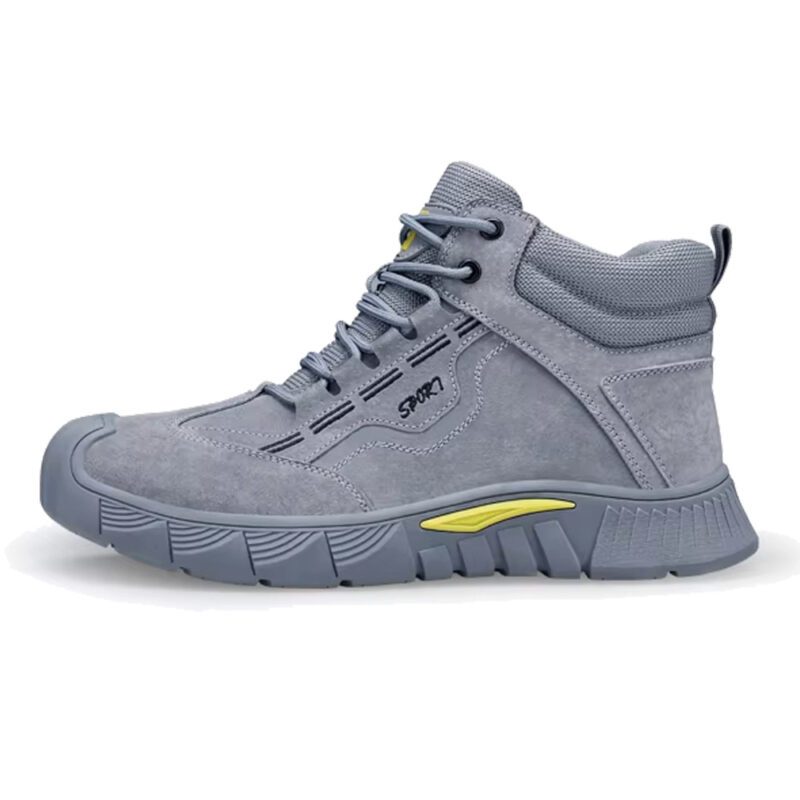
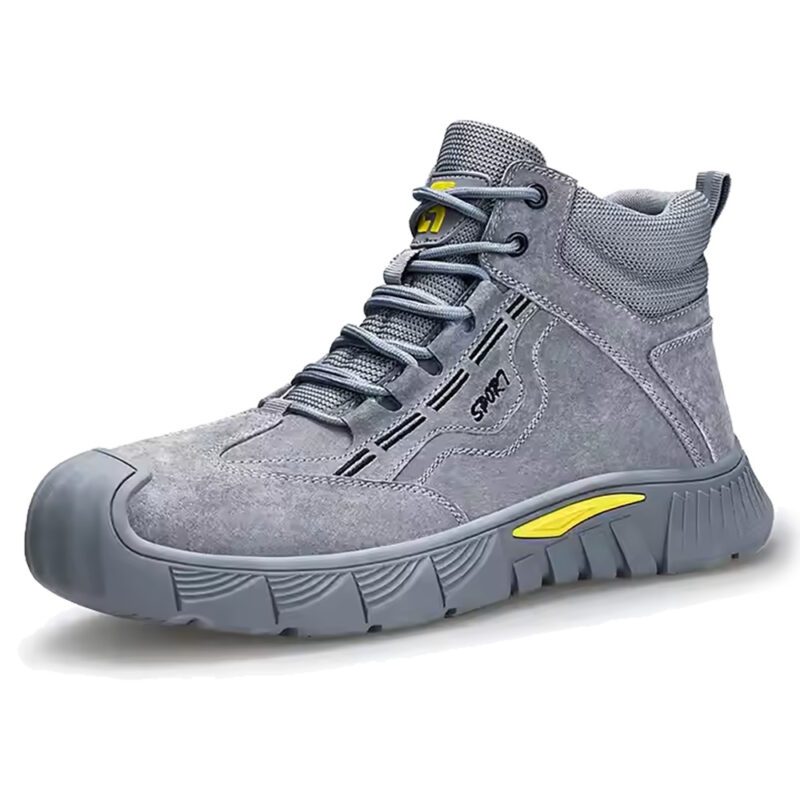
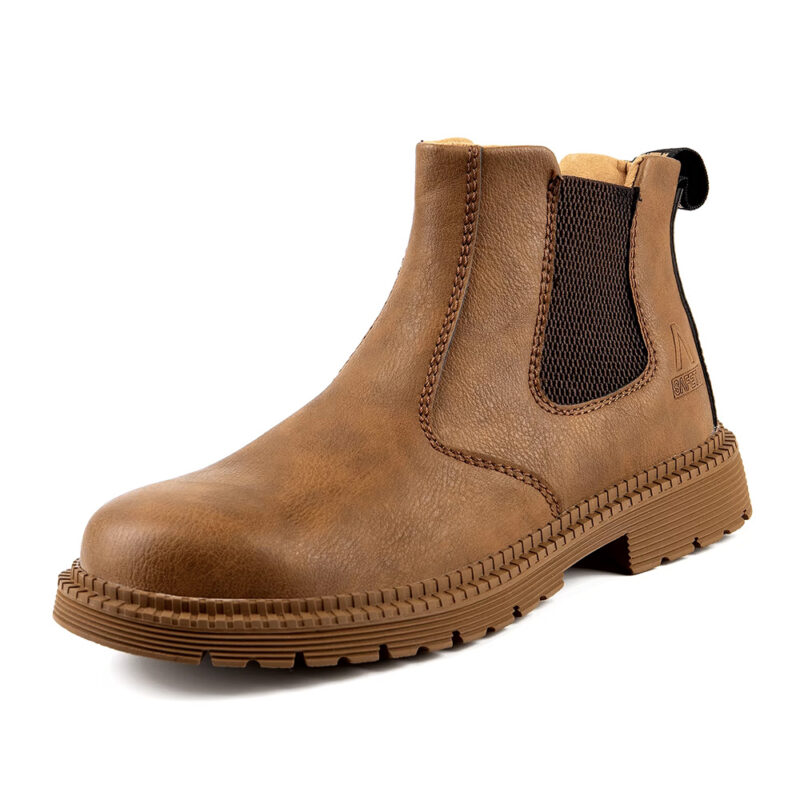
When your workday involves heavy machinery, falling objects, and unforgiving terrain, the Birks Defender Kevlar Steel Toe Safety Work Boots stand ready to protect you through it all. These boots deliver the exceptional durability, reliable protection, and all-day comfort you need to tackle any challenge and get the job done right, every single time.
Steel toe and composite toe boots require regular cleaning to preserve structural integrity. Neglected boots develop cracks in the leather, weakened seams, and compromised waterproofing. Workers who clean their boots weekly save money and stay safer on job sites.
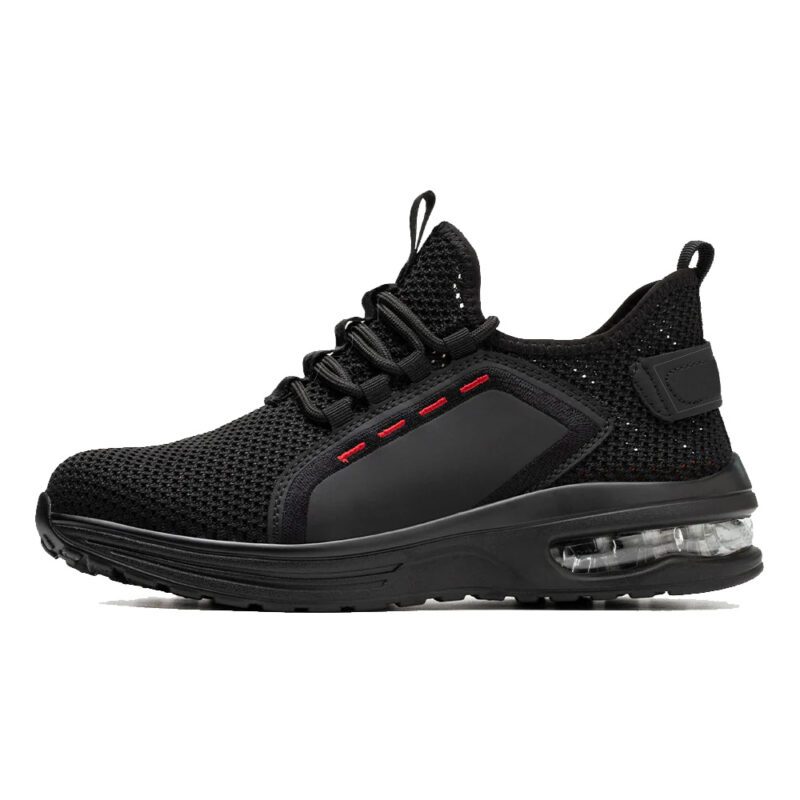
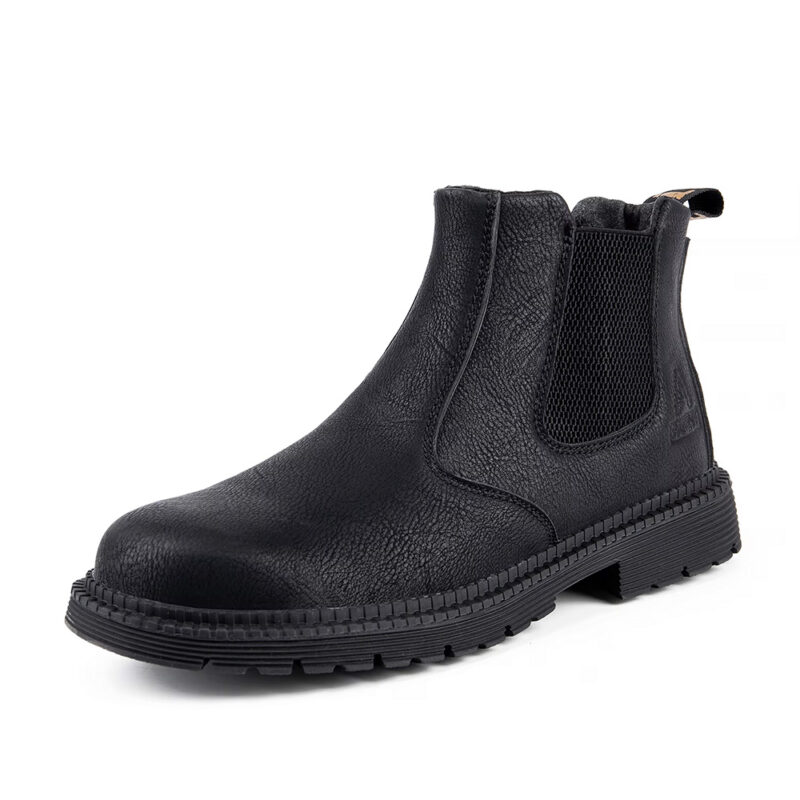
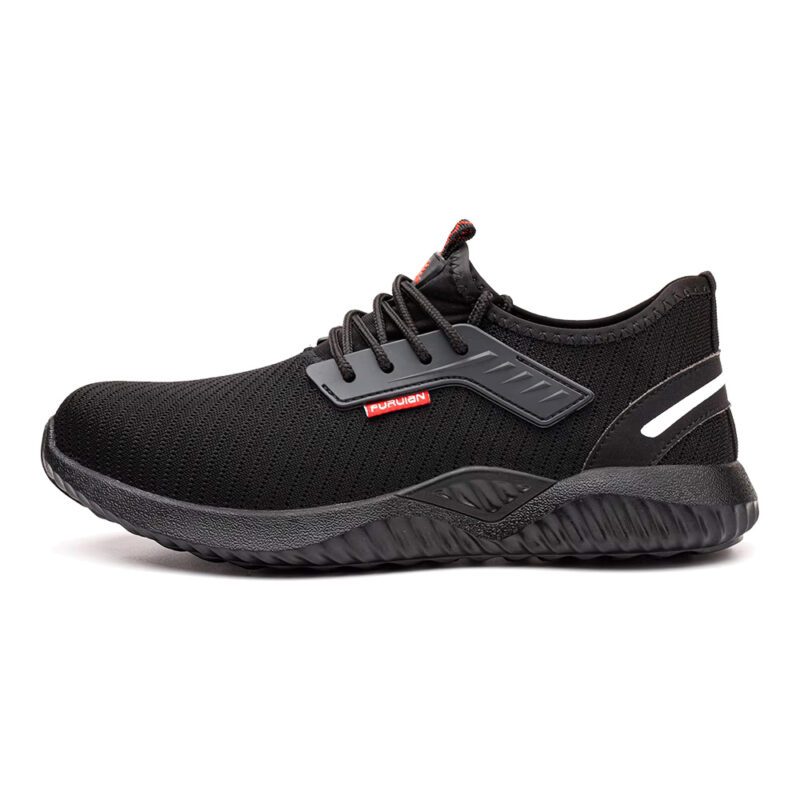
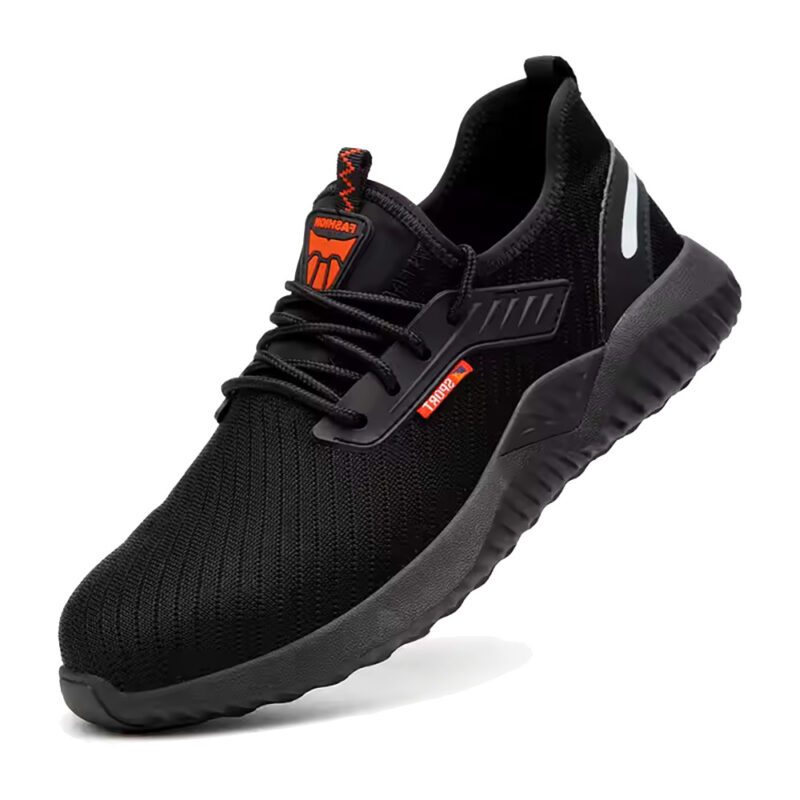
BIRKS safety footwear combines durability with comfort. These boots feature composite steel toe protection that meets ASTM standards. Regular maintenance keeps these safety features functioning properly.
History of Work Boot Care
Work boot maintenance evolved alongside industrial development. Early 20th century factory workers applied animal fat to leather boots for waterproofing. This practice kept leather supple but attracted dust and debris.
The 1950s introduced synthetic cleaning products designed specifically for work footwear. These cleaners removed industrial contaminants without damaging leather. Boot care became more scientific and effective.
Modern work boot construction includes multiple materials. Leather uppers, rubber soles, synthetic linings, and safety toe caps each require different cleaning approaches. Today’s workers need comprehensive cleaning knowledge to maintain advanced safety footwear.
Essential Cleaning Supplies
Gather these items before starting the cleaning process:
- Soft-bristled brush (horsehair works best)
- Clean microfiber cloths
- Warm water
- Mild soap or specialized boot cleaner
- Leather conditioner
- Waterproofing spray
- Old newspaper or paper towels
- Boot trees or crumpled newspaper
Specialized boot cleaner outperforms household soap for heavy-duty cleaning. These products contain surfactants that break down oil and grease without stripping leather oils.
Avoid harsh chemicals like bleach or acetone. These substances damage leather and synthetic materials. Stick to products labeled safe for work boots.
Step-by-Step Cleaning Process
Remove Loose Dirt and Debris
Take boots outside before cleaning. Knock the soles together to dislodge caked mud and stones. Use a stiff brush to remove dried dirt from the uppers and seams.
Remove laces completely. Dirty laces transfer grime back onto clean boots. Wash laces separately in warm soapy water or replace them entirely.
Pull out insoles if removable. These foam or gel inserts trap sweat and bacteria. Clean insoles separately with mild soap and air dry completely before reinserting.
Clean the Upper Material
Mix warm water with a small amount of mild soap or boot cleaner. Dip a soft cloth into the solution and wring out excess water. The cloth should be damp, not dripping wet.
Wipe the entire boot upper in circular motions. Work from top to bottom to prevent dirty water from running onto cleaned areas. Pay extra attention to creases and seams where dirt accumulates.
For leather work boots, use gentle pressure. Excessive scrubbing damages the leather grain. For synthetic materials, slightly more pressure is acceptable.
Stubborn stains require targeted treatment. Apply a small amount of cleaner directly to the stain. Let it sit for two minutes before gently scrubbing with a soft brush.
Clean the Soles and Welts
Boot soles contact the dirtiest surfaces. Use a stiffer brush for sole cleaning. Scrub the tread pattern thoroughly to remove embedded stones and debris.
The welt (where the sole attaches to the upper) traps significant dirt. Use a small brush or old toothbrush to clean this junction. Dirt in the welt can compromise the boot’s waterproof seal.
Rinse soles with clean water. Wipe away soap residue with a damp cloth. Soap left on soles creates slippery surfaces that reduce traction.
Rinse and Dry
Wipe the entire boot with a clean, damp cloth to remove soap residue. Never submerge work boots in water. Excessive moisture damages the internal structure and breaks down adhesives.
Pat boots dry with a clean towel. Remove as much surface moisture as possible.
Stuff boots with crumpled newspaper or insert boot trees. This maintains the boot shape during drying and absorbs internal moisture.
Place boots in a well-ventilated area away from direct heat. Never use hair dryers, heaters, or direct sunlight for drying. Rapid heat causes leather to crack and synthetic materials to warp.
Allow 24-48 hours for complete drying. Boots must be fully dry before conditioning or wearing.
Material-Specific Cleaning Guidelines
Full-Grain Leather Boots
Full-grain leather represents the highest quality boot material. This leather retains the natural grain and requires minimal processing.
Clean full-grain leather with pH-balanced leather cleaner. Standard soaps contain alkaline compounds that dry out leather. Specialized cleaners maintain the leather’s natural oils.
After cleaning and drying, apply leather conditioner. Work the conditioner into the leather using circular motions. Conditioner replaces oils lost during cleaning and wear.
Let conditioner absorb for 20 minutes. Buff away excess with a clean cloth. Over-conditioning creates a sticky surface that attracts dirt.
Suede and Nubuck Work Boots
Suede and nubuck have a distinctive napped surface. These materials require different cleaning techniques than smooth leather.
Use a suede brush with brass or nylon bristles. Brush in one direction to lift the nap and remove surface dirt. Never use water-based cleaners on suede unless specifically formulated for nubuck.
For wet stains, blot immediately with a clean cloth. Let suede air dry completely before brushing. Once dry, restore the nap with a suede brush.
Apply suede protector spray after cleaning. This creates a barrier against water and stains without changing the texture.
Synthetic and Canvas Boots
Synthetic materials and canvas tolerate more aggressive cleaning than leather. Mix warm water with mild detergent or boot cleaner.
Use a medium-bristled brush to scrub synthetic uppers. These materials resist water damage better than leather.
Canvas work boots can withstand thorough washing. Remove laces and insoles. Hand wash with a brush and soapy water. Rinse completely and air dry away from heat.
Deep Cleaning for Heavy Contamination
Some work environments expose boots to extreme contamination. Oil refineries, construction sites, and agricultural settings require more intensive cleaning.
Oil and Grease Removal
Oil-based contaminants repel water-based cleaners. Use a degreasing agent specifically designed for footwear. Apply the degreaser directly to oil spots.
Let the degreaser sit for five minutes. The chemicals break molecular bonds between oil and boot material. Scrub with a stiff brush to lift the oil.
Rinse thoroughly with clean water. Repeat the process if oil stains remain. Multiple applications work better than extended scrubbing.
Chemical Exposure Cleaning
Work boots exposed to chemicals require immediate attention. Different chemicals demand different neutralization approaches.
For acid exposure, rinse boots immediately with copious amounts of water. Acids continue damaging materials until fully diluted and removed.
Alkaline substances like concrete or cement also require immediate rinsing. These materials raise pH levels and break down leather.
After chemical exposure, clean boots normally and inspect for damage. Chemical damage may compromise safety features. Replace boots if structural integrity is questionable.
Mold and Mildew Treatment
Boots stored in damp conditions develop mold. This fungal growth damages materials and creates health hazards.
Mix equal parts water and white vinegar. Spray this solution on moldy areas. Vinegar’s acidity kills mold spores without toxic fumes.
Scrub with a stiff brush to remove visible mold. Wipe clean with a damp cloth and dry completely in direct sunlight. UV rays provide additional mold-killing properties.
Apply antifungal boot spray after drying. This prevents mold recurrence in humid storage conditions.
Conditioning and Protection
Clean boots need conditioning and waterproofing to maintain performance. These steps restore protective qualities and extend boot life.
Leather Conditioning Process
Leather loses natural oils through wear and cleaning. Leather conditioner replaces these oils and maintains flexibility.
Apply conditioner to clean, dry boots. Use a soft cloth or application sponge. Work the conditioner into the leather using small circular motions.
Focus on high-stress areas: toe boxes, heel counters, and flex points. These areas experience the most wear and benefit most from conditioning.
Allow conditioner to absorb for 20-30 minutes. Buff away excess with a clean cloth. Properly conditioned leather feels supple but not greasy.
Condition leather boots every 3-4 weeks with regular use. Boots in harsh conditions need more frequent conditioning.
Waterproofing Application
Even waterproof boots need regular waterproofing treatment. The factory-applied protection degrades over time.
Clean and dry boots completely before waterproofing. Waterproofing compounds seal moisture inside dirty boots, promoting mold growth.
Apply waterproofing spray in a well-ventilated area. Hold the spray 6-8 inches from the boot surface. Apply an even coat over the entire upper.
Pay extra attention to seams and stitching. These areas allow water penetration if not properly sealed.
Let the waterproofing dry for 24 hours before wearing. Most products require curing time to achieve maximum effectiveness.
Reapply waterproofing every 4-6 weeks or when water stops beading on the surface.
Cleaning Frequency Guidelines
Cleaning frequency depends on work environment and boot usage. Follow these guidelines for optimal maintenance:
Daily tasks:
- Remove loose dirt and debris
- Wipe down with a damp cloth
- Air out boots overnight
Weekly cleaning (moderate use):
- Full cleaning with soap and water
- Brush all surfaces
- Check for damage
Bi-weekly maintenance (heavy use):
- Deep clean with specialized products
- Condition leather
- Apply waterproofing
Monthly inspection:
- Check sole wear
- Inspect stitching and seams
- Replace laces if frayed
- Evaluate overall condition
When your workday involves heavy machinery, falling objects, and unforgiving terrain, the Birks Defender Kevlar Steel Toe Safety Work Boots stand ready to protect you through it all. These boots deliver the exceptional durability, reliable protection, and all-day comfort you need to tackle any challenge and get the job done right, every single time.
Common Cleaning Mistakes
Using Excessive Water
Water damages work boots when used excessively. Leather absorbs water and swells. This breaks down the leather structure and separates glued components.
Keep boots damp, not wet during cleaning. If boots get soaked, dry them slowly over 48 hours. Never attempt to speed dry wet boots.
Applying Heat for Drying
Heat seems like an efficient drying method but causes severe damage. Direct heat from radiators, hair dryers, or sunlight makes leather brittle and cracks synthetic materials.
Boot adhesives soften under heat. This causes sole separation and structural failure. Always air dry boots at room temperature.
Skipping Conditioning
Clean leather without conditioning becomes dry and stiff. This leads to premature cracking and reduced comfort.
Think of conditioning as moisturizing skin. Leather is animal hide and requires similar care. Never skip conditioning after cleaning leather boots.
Storing Dirty Boots
Dirt left on boots between wears grinds against materials like sandpaper. This accelerates wear and damages protective coatings.
Always remove surface dirt before storage. This simple step extends boot life significantly.
Special Considerations for Safety Features
BIRKS work boots include safety features that require specific care attention. These features protect workers and must remain functional.
Composite Toe Care
Composite toe caps use non-metal materials for toe protection. These materials resist corrosion but can crack if improperly maintained.
Never use harsh chemicals near the toe cap area. Some solvents damage composite materials and reduce impact resistance.
Inspect toe caps during cleaning. Look for cracks, dents, or separation from the boot upper. Damaged toe caps compromise safety and require boot replacement.
Slip-Resistant Sole Maintenance
Slip-resistant soles feature specific tread patterns. Dirt and debris fill these patterns and reduce traction.
Clean sole treads thoroughly during each cleaning session. Use a small brush to remove packed dirt from tread channels.
Worn tread patterns compromise slip resistance. Replace boots when tread depth decreases by 50% or more.
Electrical Hazard Protection
Some work boots provide electrical hazard protection. This feature prevents electrical current from passing through the boot to ground.
Moisture reduces electrical resistance. Ensure boots dry completely after cleaning. Test electrical hazard protection annually according to ASTM standards.
Product Comparison Table
| Cleaning Product | Best For | Application Method | Frequency | Price Range |
|---|---|---|---|---|
| Saddle Soap | Full-grain leather | Apply with damp cloth, rinse | Weekly | $8-15 |
| Leather Conditioner | All leather types | Rub in with cloth, let absorb | Bi-weekly | $10-20 |
| Waterproofing Spray | All materials | Spray evenly, air dry | Monthly | $12-25 |
| Suede Cleaner | Nubuck and suede | Spray on, brush after dry | As needed | $15-30 |
| Degreaser | Oil and grease stains | Apply directly, scrub | As needed | $8-18 |
Boot Storage Best Practices
Proper storage between cleaning maintains boot condition. Follow these storage guidelines:
Store boots in a cool, dry location. Avoid damp basements or hot attics. Temperature extremes and humidity damage materials.
Use boot trees or stuff boots with newspaper. This maintains shape and promotes air circulation. Never store boots without internal support.
Keep boots away from direct sunlight. UV rays fade colors and dry out leather.
Allow 24 hours between wears if possible. This gives boots time to dry completely from foot perspiration.
Store boots off the ground on a rack or shelf. Floor contact can transfer moisture and promote mold growth.
Troubleshooting Common Boot Problems
White Salt Stains
Salt residue from winter conditions creates white stains on leather. Mix equal parts white vinegar and water. Apply this solution to salt stains with a cloth. Wipe clean and condition the leather.
Persistent Odors
Boot odor comes from bacteria feeding on sweat. Remove insoles and wash separately. Spray boot interiors with antimicrobial spray. Sprinkle baking soda inside boots overnight to absorb odors.
Stiff Leather
Leather becomes stiff from insufficient conditioning or water damage. Apply leather conditioner generously. Let boots sit overnight so conditioner penetrates deeply. Repeat weekly until leather softens.
Cracked Leather
Small cracks can be treated with leather conditioner. Deep cracks compromise boot integrity and require professional repair or replacement.
Professional Cleaning Services
Some boot damage exceeds home cleaning capabilities. Professional cobbler services offer deep cleaning, repair, and restoration.
Professional cleaning costs $20-50 per pair but extends boot life significantly. Cobblers have industrial-grade cleaners and specialized equipment.
Consider professional service for:
- Extensive chemical damage
- Severe mold infestation
- Structural repairs needed
- High-value boots worth restoration
Environmental Considerations
Boot cleaning affects the environment. Choose eco-friendly products when possible.
Biodegradable cleaners break down naturally and don’t contaminate water systems. Many brands offer plant-based boot care products that perform as well as synthetic options.
Dispose of heavily contaminated cleaning water properly. Don’t pour chemical-laden water down drains. Check local regulations for hazardous waste disposal.
Extending boot life through proper cleaning reduces waste. Manufacturing new boots requires significant resources. Each year of extended use reduces environmental impact.
Cost-Benefit Analysis
Regular boot cleaning requires time and money but provides substantial returns:
Cleaning costs per year:
- Boot cleaner: $15
- Leather conditioner: $20
- Waterproofing spray: $25
- Brushes and supplies: $20
- Total annual cost: $80
Average work boot replacement cost: $150-300
Proper maintenance extends boot life from 1 year to 3-5 years. This saves $150-300 per year in replacement costs. The return on investment exceeds 300%.
Beyond financial savings, maintained boots provide consistent protection. Safety features remain effective longer with proper care. This reduces injury risk and associated costs.
How to Select Work Boots for Easy Maintenance
Future boot purchases should consider maintenance requirements. Some boots require less cleaning effort than others.
Look for these features in easy-maintenance work boots:
- Full-grain leather uppers: These clean easier than suede and last longer
- Cemented rubber soles: These resist chemical damage better than leather soles
- Sealed seams: Reduce water penetration and dirt accumulation
- Removable insoles: Allow thorough interior cleaning
- Simple construction: Fewer material types mean simpler cleaning
BIRKS safety footwear incorporates these maintenance-friendly features. The composite steel toe construction resists corrosion. Synthetic linings dry faster than leather linings. These design choices reduce cleaning time and extend service life.
Seasonal Cleaning Variations
Different seasons present unique boot cleaning challenges.
Winter Cleaning
Salt and de-icing chemicals cause the most winter damage. Clean boots daily during winter to prevent salt buildup.
Apply extra waterproofing during winter months. Wet conditions require enhanced protection.
Dry winter boots completely between wears. Moisture freezes inside boots and damages materials.
Summer Cleaning
Heat and sweat create more odor problems in summer. Focus on interior cleaning and odor control.
Use antimicrobial sprays weekly to control bacteria. Remove and wash insoles more frequently.
Summer dirt and dust require less aggressive cleaning than winter contaminants.
Spring and Fall Cleaning
These transitional seasons bring mud and moisture. Clean boots after each use in muddy conditions.
Check waterproofing regularly during rainy seasons. Apply protective sprays every 3-4 weeks.
Final Maintenance Summary
Work boot cleaning extends beyond simple appearance. Clean boots maintain safety features, provide better comfort, and last significantly longer than neglected footwear.
Follow this core maintenance routine:
- Remove dirt daily
- Deep clean weekly
- Condition leather bi-weekly
- Apply waterproofing monthly
- Inspect for damage regularly
Quality work boots like BIRKS represent a significant investment. Protect that investment through consistent cleaning and maintenance. The time spent on boot care returns multiple benefits: lower replacement costs, better protection, and superior comfort throughout the boot’s extended lifespan.
Workers who establish cleaning routines save money and stay safer. Clean work boots perform better in every measurable way. Start a maintenance schedule today and experience the difference proper boot care makes.
When your workday involves heavy machinery, falling objects, and unforgiving terrain, the Birks Defender Kevlar Steel Toe Safety Work Boots stand ready to protect you through it all. These boots deliver the exceptional durability, reliable protection, and all-day comfort you need to tackle any challenge and get the job done right, every single time.