
How Long Should Work Boots Last

Expected Lifespan of Work Boots
Work boots typically last six months to five years. The wide range depends on several factors. Construction workers who wear boots daily in harsh conditions replace them every 6-12 months. Office workers who wear boots occasionally see 3-5 years of use.
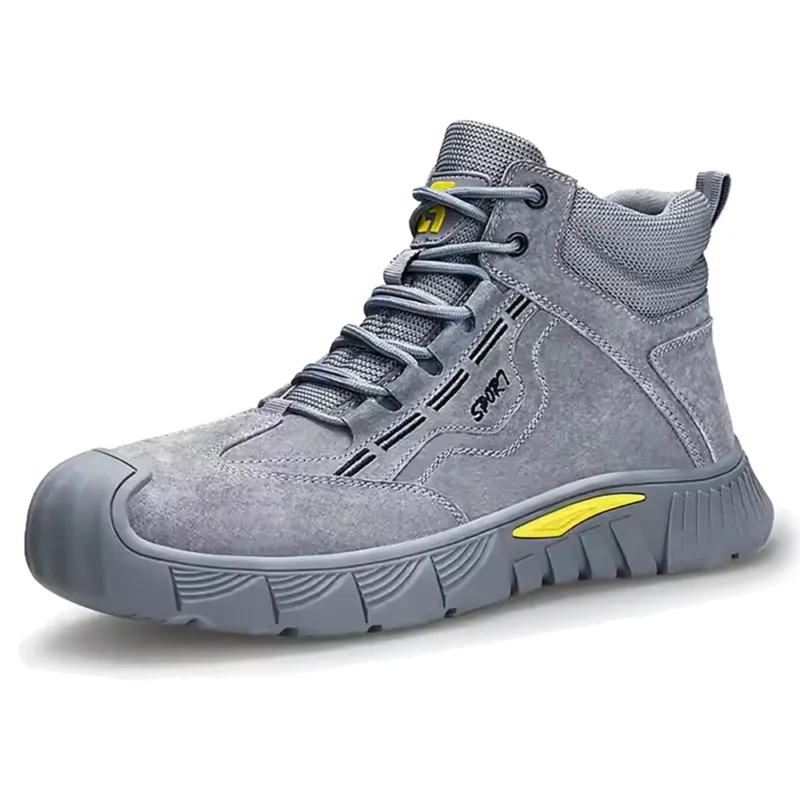
When your workday involves heavy machinery, falling objects, and unforgiving terrain, the Birks Defender Kevlar Steel Toe Safety Work Boots stand ready to protect you through it all. These boots deliver the exceptional durability, reliable protection, and all-day comfort you need to tackle any challenge and get the job done right, every single time.
Quality determines baseline durability. Budget boots ($50-$100) last 6-12 months with regular use. Mid-range boots ($150-$250) provide 1-3 years of service. Premium boots ($250-$500) deliver 3-5 years or more.
The materials matter significantly. Full-grain leather outlasts synthetic materials. Goodyear welt construction allows resoling, which extends life by years. Direct-attach soles cannot be replaced, limiting total lifespan.
Factors That Affect Boot Longevity
Work Environment Impact
Your workplace directly influences boot lifespan. Construction sites with concrete, debris, and chemicals destroy boots faster than warehouse floors. Outdoor workers face moisture, temperature extremes, and UV exposure.
High-wear environments include:
- Construction sites (6-12 months)
- Oil refineries and chemical plants (8-15 months)
- Welding operations (6-10 months)
- Agricultural work (10-18 months)
- Warehouse operations (18-30 months)
Water exposure accelerates breakdown. Boots worn in wet conditions without proper drying develop cracked leather and separated soles. Salt and chemicals found on roads during winter cause rapid deterioration.
Usage Frequency
Daily wear shortens boot life compared to occasional use. Someone wearing boots 40+ hours weekly replaces them more often than weekend users.
Wear patterns:
- Daily industrial use: 6-12 months
- Daily light-duty use: 12-24 months
- 2-3 times weekly: 24-36 months
- Occasional use: 36-60 months
Heavy physical activity increases wear rate. Climbing ladders, kneeling, and lifting stress different boot areas. The toe box, heel counter, and flex points show wear first.
Maintenance Practices
Proper care extends boot life by 50-100%. Neglected boots fail prematurely regardless of quality. Regular cleaning, conditioning, and waterproofing preserve materials.
Essential maintenance tasks:
- Clean after each use in dirty conditions
- Condition leather every 4-6 weeks
- Apply waterproofing treatment monthly
- Replace insoles every 3-6 months
- Rotate between two pairs when possible
Storage affects longevity. Boots stored in hot vehicles or damp basements degrade faster. Proper storage maintains shape and prevents material breakdown.
Manufacturing Quality
Construction method determines maximum lifespan. Goodyear welt boots can be resoled 2-3 times, providing 5-10 years total life. Cement construction offers no repair options.
Construction quality indicators:
| Feature | Budget Boots | Premium Boots |
|---|---|---|
| Upper Material | Split leather/synthetic | Full-grain leather |
| Sole Attachment | Cemented | Goodyear welt/stitchdown |
| Stitching | Single row, synthetic thread | Double/triple row, quality thread |
| Hardware | Plastic eyelets | Metal eyelets and hooks |
| Insole | Thin foam | Removable, supportive |
| Expected Life (daily use) | 6-12 months | 24-48 months |
Premium boots use thicker leather (2.4-3.0mm vs 1.6-2.0mm). Thread quality affects seam durability. Metal shanks provide better arch support and last longer than plastic alternatives.
Signs Your Work Boots Need Replacement
Sole Wear Indicators
Sole condition determines safety and comfort. Worn soles compromise traction and increase slip risk. Check tread depth regularly. Most work boot soles start at 5-7mm depth.
Replace boots when:
- Tread depth reaches 2mm or less
- Smooth spots appear in high-wear areas
- Sole separates from upper at any point
- Punctures or cuts penetrate through sole
- Uneven wear creates unstable footing
Heel wear happens faster than forefoot wear. A worn heel affects gait and causes back pain. Some boots allow heel replacement before full resoling becomes necessary.
Upper Material Breakdown
Leather develops cracks after extended use. Small cracks are normal, but deep cracks that penetrate through the leather indicate replacement time. Synthetic materials show wear differently through delamination and tearing.
Critical upper damage:
- Cracks that reach the interior lining
- Torn or separated seams
- Holes that expose feet to hazards
- Permanent creasing that creates pressure points
- Loose or missing hardware
Water penetration signals compromised waterproofing. If boots cannot be re-waterproofed effectively, moisture will damage feet and create health issues.
Structural Integrity Loss
Internal support structures fail before visible exterior damage appears. A collapsed heel counter or broken shank makes boots unsafe even if they look acceptable.
Test structural integrity monthly:
- Press the heel counter—it should resist firmly
- Twist the boot—minimal flexibility indicates good shank
- Check for unusual squeaking or flexing sounds
- Assess ankle support consistency
- Verify insole attachment security
Boots that lean to one side have lost structural support. This misalignment causes joint stress and should prompt immediate replacement.
Comfort and Fit Changes
Boots compress and stretch over time. Initial break-in improves comfort, but excessive stretching creates safety hazards. Loose boots cause blisters and increase trip risk.
Replace boots when:
- Heel slips more than 6mm during walking
- Toe box allows excessive side-to-side movement
- Lacing cannot secure proper fit
- Persistent hotspots develop despite proper socks
- Feet feel fatigued after normal work shifts
Cushioning deterioration affects comfort and joint health. Compressed midsoles transfer impact directly to feet and knees. New insoles help temporarily but cannot fix compressed midsole foam.
When your workday involves heavy machinery, falling objects, and unforgiving terrain, the Birks Defender Kevlar Steel Toe Safety Work Boots stand ready to protect you through it all. These boots deliver the exceptional durability, reliable protection, and all-day comfort you need to tackle any challenge and get the job done right, every single time.
How to Maximize Work Boot Lifespan
Proper Break-In Process
New boots require gradual break-in. Rushing this process damages materials and creates permanent discomfort. Quality boots need 2-4 weeks for complete break-in.
Week-by-week break-in:
- Week 1: Wear 2-3 hours daily at home
- Week 2: Extend to half work shifts
- Week 3: Full work shifts with backup boots available
- Week 4: Normal use with monitoring
Apply leather conditioner before first wear. This softens leather and prevents initial cracking. Thick socks reduce friction during break-in but switch to normal work socks gradually.
Daily Care Routine
End-of-day care takes 5-10 minutes but doubles boot life. Remove surface dirt before it embeds in leather. Allow boots to dry naturally—never use direct heat sources.
Daily care steps:
- Remove and shake out debris
- Wipe down with damp cloth
- Remove insoles for airing
- Stuff with newspaper if wet
- Store in ventilated area away from heat
Alternating boots allows complete drying between uses. Moisture trapped in boots promotes bacterial growth and material breakdown. Two pairs used alternately last longer than one pair used continuously.
Conditioning and Waterproofing
Leather requires regular conditioning to maintain flexibility. Dry leather cracks rapidly under stress. Apply conditioner every 4-6 weeks or more frequently in dry climates.
Choose conditioner based on leather type:
- Full-grain leather: Oil-based conditioner
- Nubuck/suede: Specialized suede conditioner
- Synthetic: Manufacturer-recommended products only
Waterproofing protects against moisture damage. Apply waterproofing treatment after conditioning once treatment fully absorbs. Test waterproofing monthly by splashing water on boots—water should bead and roll off.
Avoid over-conditioning. Excessive oils soften leather too much, reducing support. One thin coat works better than thick application.
Professional Maintenance
Resoling extends boot life significantly. Goodyear welt boots can be resoled for $80-$150, providing 12-24 additional months of use. Schedule resoling when tread depth reaches 2-3mm.
Professional services worth the cost:
- Resoling (saves $200-$400 vs new boots)
- Heel replacement ($30-$60)
- Zipper repair ($40-$80)
- Seam reinforcement ($25-$50)
- Deep conditioning treatment ($20-$40)
Find cobblers experienced with work boots. Athletic shoe repair shops lack necessary equipment for welted boot construction. Quality resoling includes new midsole components and proper stitching.
Storage Best Practices
Proper storage prevents unnecessary damage. Store boots in cool, dry locations with good air circulation. Avoid plastic bags—they trap moisture and promote mold growth.
Optimal storage conditions:
- Temperature: 60-75°F
- Humidity: 40-60%
- Light: Low to prevent UV damage
- Position: Upright with boot trees or crumpled paper
- Duration: Clean and condition before long-term storage
Boot trees maintain shape and prevent creasing. Cedar shoe trees absorb moisture and control odor. Paper stuffing works adequately for budget-conscious workers.
Work Boot Selection for Maximum Durability
Construction Methods Comparison
Construction method determines repairability and maximum lifespan. Understanding these methods helps select boots that match your needs.
Goodyear Welt: A strip of leather (welt) connects the upper, insole, and outsole through stitching. This allows complete sole replacement. Premium option costs more initially but provides lowest cost per year of use.
Stitchdown: Upper leather folds outward and stitches directly to sole. Offers good water resistance and one resoling opportunity. Common in logger boots and hiking boots.
Direct Attach: Sole material bonds directly to upper through injection molding. Provides excellent waterproofing but cannot be resoled. Best for jobs requiring maximum chemical resistance.
Cement Construction: Adhesive bonds sole to upper. Budget-friendly option with 6-12 month lifespan. Replace rather than repair. Suitable for workers with boot stipends or light-duty needs.
Material Selection Impact
Upper material determines water resistance, durability, and maintenance needs. Full-grain leather offers superior longevity but requires regular care. Synthetic materials need less maintenance but wear faster.
Leather types compared:
- Full-grain: Most durable, 3-5 years, requires conditioning
- Top-grain: Good durability, 2-3 years, moderate maintenance
- Suede/Nubuck: Moderate durability, 1-2 years, special care needed
- Synthetic: Lower durability, 1-2 years, minimal maintenance
Sole materials affect traction and wear rate. Rubber provides best all-around performance. Polyurethane offers cushioning but wears faster. Thermoplastic polyurethane (TPU) balances durability and comfort.
Feature Priority
Select features based on your specific hazards and environment. More features do not always mean better boots. Unnecessary features add weight and cost without improving relevant performance.
Essential features by occupation:
- Construction: Steel toe, puncture resistance, electrical hazard protection
- Warehouse: Composite toe, slip resistance, cushioning
- Manufacturing: Metatarsal guards, chemical resistance, static dissipation
- Outdoor: Waterproofing, insulation, aggressive tread
Safety certifications (ASTM F2413) ensure minimum protection standards. Verify boots meet your workplace requirements before purchase. Some sites require specific ratings for toe protection (75 vs 50 foot-pounds) or electrical hazard resistance.
Cost vs. Lifespan Analysis
Budget planning requires understanding total cost of ownership. Cheap boots seem economical but require frequent replacement. Premium boots cost more initially but provide better value over time.
Three-year cost comparison:
| Boot Category | Initial Cost | Replacements Needed | Total Cost | Cost per Month |
|---|---|---|---|---|
| Budget ($75) | $75 | 5 pairs | $375 | $10.42 |
| Mid-Range ($175) | $175 | 2 pairs | $350 | $9.72 |
| Premium ($300) | $300 | 0-1 pairs | $300-$600 | $8.33-$16.67 |
| Premium with Resoling ($300 + $120) | $300 | Resole once | $420 | $11.67 |
Premium boots with one resoling provide 4-6 years of use at lower monthly cost than budget options. Factor in reduced foot pain, fewer lost work hours, and better protection.
Some employers provide boot allowances ($100-$200 annually). Maximize this benefit by selecting boots that last longer than the allowance period. Purchase quality boots, then use future allowances for maintenance or additional pairs.
Summary
Work boot lifespan ranges from six months to five years based on quality, usage, and maintenance. Daily industrial use in harsh conditions requires replacement every 6-12 months. Office workers with occasional boot needs see 3-5 years of service.
Quality construction, particularly Goodyear welt methods, extends usable life and allows economical repairs. Premium materials cost more initially but deliver lower cost per month of use. Regular maintenance—cleaning, conditioning, and waterproofing—doubles expected lifespan regardless of initial quality.
Replace boots when sole tread depth drops below 2mm, when structural integrity fails, or when upper materials develop penetrating cracks or holes. These failures compromise safety and foot health. Monitor boots monthly for early warning signs.
Select boots based on specific workplace hazards and usage patterns. Match construction method to expected lifespan needs. Budget workers benefit from cement construction, while daily users should invest in welted boots with resoling capability. Proper break-in, daily care, and professional maintenance maximize return on investment while ensuring consistent protection and comfort.
When your workday involves heavy machinery, falling objects, and unforgiving terrain, the Birks Defender Kevlar Steel Toe Safety Work Boots stand ready to protect you through it all. These boots deliver the exceptional durability, reliable protection, and all-day comfort you need to tackle any challenge and get the job done right, every single time.