How to Lace Work Boots

The Importance of Proper Lacing
Proper lacing secures your work boots. Good lacing protects your feet and ankles. It prevents movement inside the boot. Movement causes friction. Friction leads to blisters and foot fatigue. Correct lacing keeps your foot stable. This stability is vital for safety on job sites. A loose boot risks trips and falls. A tight boot cuts off circulation. You must find the correct balance. Effective lacing matches the boot to your specific foot shape. It supports heavy work loads. Workers perform better with comfortable, secure footwear. This detailed guide addresses lacing methods. It explains the best materials for maximum performance.
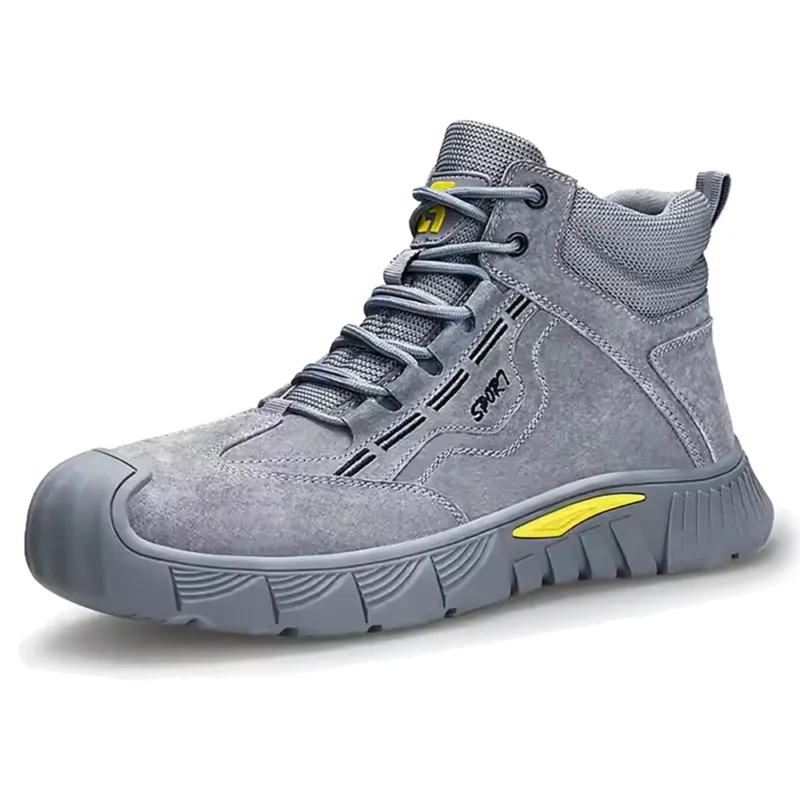
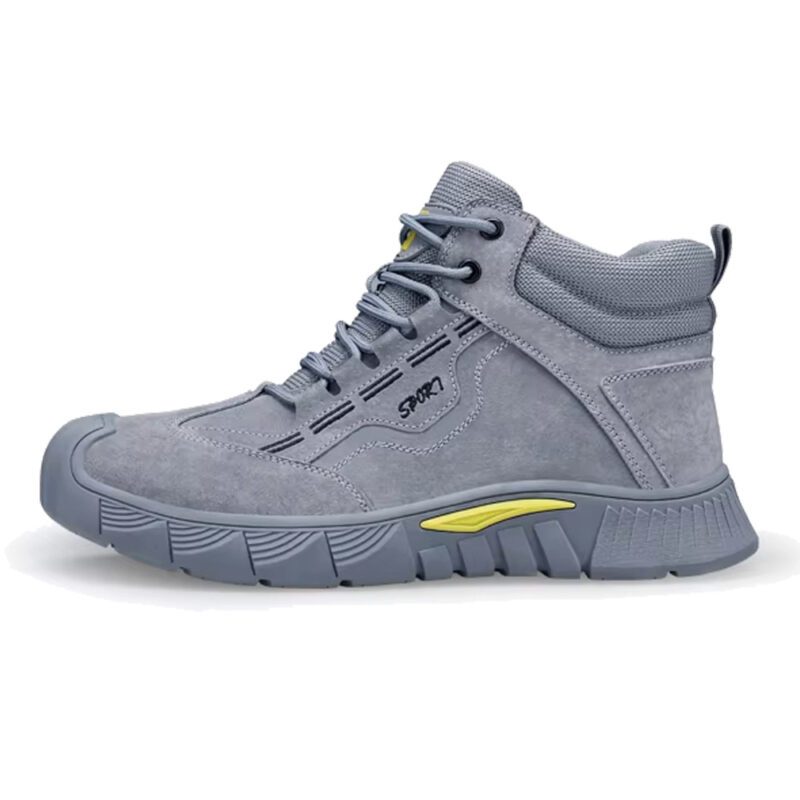
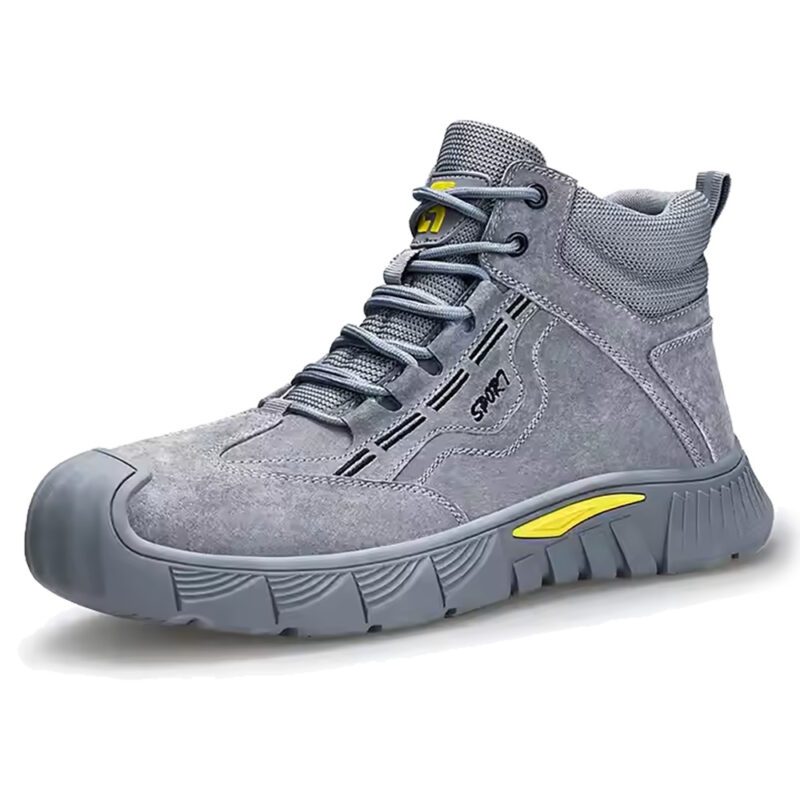
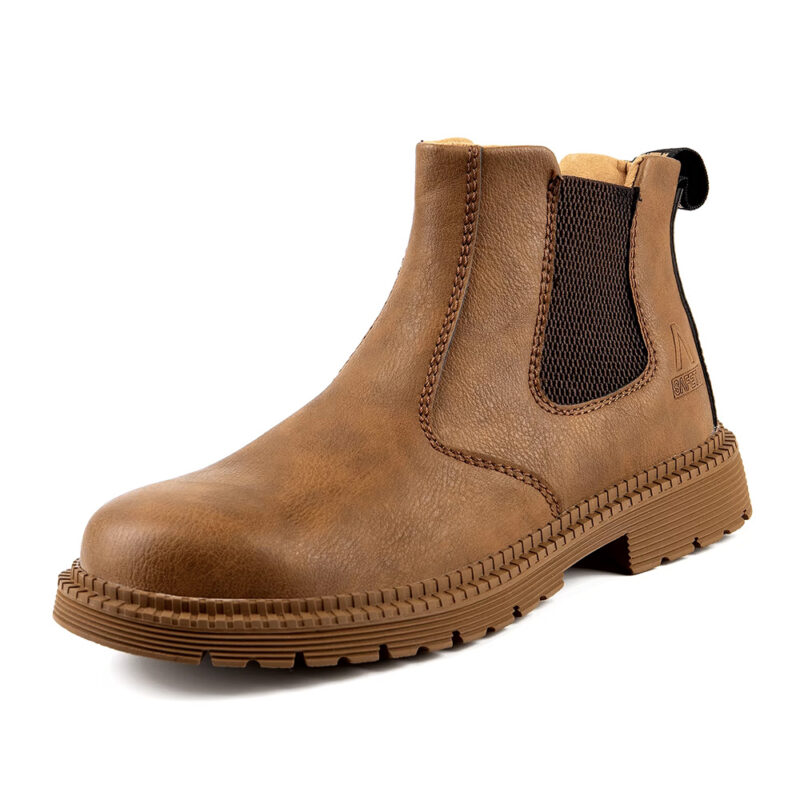
When your workday involves heavy machinery, falling objects, and unforgiving terrain, the Birks Defender Kevlar Steel Toe Safety Work Boots stand ready to protect you through it all. These boots deliver the exceptional durability, reliable protection, and all-day comfort you need to tackle any challenge and get the job done right, every single time.
A Brief History of the Boot Lace
People needed a way to secure footwear for centuries. Early boots used simple leather straps. These straps wrapped around the ankle. People used toggles or buckles for fastening. These methods provided basic closure. They lacked true adjustability.
Early Methods
The true shoelace appeared much later. Early laces were strips of leather or hemp. They passed through punched holes in the material. This system allowed for adjustable tension. It offered better fit than simple straps. Soldiers and laborers first adopted this system. Their demanding work required reliable boot security.
Modern Lace Development
Metal eyelets became common in the 19th century. Eyelets reinforced the lace holes. They prevented the boot material from tearing. This innovation allowed tighter lacing. It increased the lace’s lifespan. Aglets are the hard tips on the end of laces. Early aglets used simple wax or resin. Modern aglets use plastic or metal. Aglets prevent fraying. They make threading the lace through eyelets easy. The basic criss-cross method became standard. Work boot laces today use specialized, strong fibers. These fibers resist wear, chemical exposure, and abrasion.
Technical Specifications of Work Boot Laces
A work boot lace is more than a simple string. Its material and construction determine its strength. Workers depend on high-quality laces. A broken lace stops work.
Lace Materials
Work boot laces use specific materials for durability. The material must resist stretching and breaking.
- Nylon: This material offers excellent strength. Nylon resists abrasion. It holds knots securely. Nylon is a common choice for general-purpose work boots. It performs well in most dry environments.
- Polyester: Polyester provides superior water resistance. It dries faster than nylon. It maintains its strength even when wet. This material suits outdoor and wet environments. It resists mildew better than cotton-based materials.
- Kevlar/Para-Aramid: These specialty laces offer extreme strength. They resist cutting and heat damage. Workers in welding or heavy machinery industries often choose them. They provide increased security against accidental lace severance. These materials represent a significant technical upgrade over standard fibers.
- Leather: Leather laces are traditional. They offer a classic appearance. They mold to the boot over time. Leather laces break more easily than synthetic types. They need regular conditioning to prevent drying and cracking. They work well for casual or light-duty work boots.
Lace Lengths and Types
Lace length depends on the number of eyelet pairs. An incorrect length means a loose fit or excess string. Excess string can create a trip hazard. A too-short lace prevents proper knotting and double-knotting.
| Eyelet Pairs | Recommended Lace Length (Inches) | Recommended Lace Length (Centimeters) |
| 4-5 Pairs | 45 Inches | 114 cm |
| 6-7 Pairs | 54 Inches | 137 cm |
| 8-9 Pairs | 63 Inches | 160 cm |
| 10-12 Pairs | 72-81 Inches | 183-206 cm |
Work boot laces are typically round or flat. The shape affects how the lace pulls through the eyelets and how it holds a knot.
- Round Laces: These laces are thick. They fill the eyelet well. They resist pulling through the eyelets. They often use a core-sheath construction for high tensile strength. This construction makes them very durable.
- Flat Laces: Flat laces spread tension over a wider area on the tongue. They sometimes hold a knot better than round laces. They can twist inside the eyelets, making tightening difficult. Their wider shape can be more comfortable for people with a high instep.
Essential Work Boot Lacing Techniques
The lacing pattern determines boot feel and function. Different jobs benefit from different techniques. Selecting the right technique personalizes the boot’s fit.
Criss-Cross Lacing (Standard)
The criss-cross method is the most common technique. It provides good, even pressure across the foot. This is the default style for most people.
How to Execute Criss-Cross Lacing:
- Start the lace straight across the bottom eyelets. The ends hang outside the boot.
- Bring both lace ends inside the boot. Thread them through the second pair of eyelets. This ensures the lace sits correctly on the boot.
- Cross the left lace end over the boot tongue. Thread it up through the right eyelet.
- Cross the right lace end over the boot tongue. Thread it up through the left eyelet.
- Repeat this pattern until you reach the top eyelets or speed hooks.
- The pattern creates a neat ‘X’ shape on the tongue of the boot.
Benefits of Criss-Cross Lacing: This style is simple and fast to apply. It applies tension uniformly across the instep. Most boot manufacturers use this method for shipping boots because it fits most foot types well. It is also the easiest to loosen or tighten quickly.
Straight Bar Lacing (Ladder Lacing)
Straight bar lacing, also known as Ladder Lacing, offers superior ankle support. This method looks clean and neat. It is excellent for climbing poles or ladders. It helps prevent snagging on scaffolding or equipment because the bars lie flat. This method is structurally stronger than the criss-cross style.
How to Execute Straight Bar Lacing:
- Start the lace straight across the bottom eyelets. The ends hang outside the boot.
- Bring the right lace end straight up, inside the boot. Thread it out the third eyelet on the same side. Skip the second eyelet.
- Bring the left lace end straight up, inside the boot. Thread it out the second eyelet on the same side.
- Take the right lace end (from the third eyelet) straight across the outside. Thread it down through the third eyelet on the left side. This forms the first bar.
- Take the left lace end (from the second eyelet) straight across the outside. Thread it down through the second eyelet on the right side. This forms the second bar.
- Continue this pattern: inside up one eyelet, straight outside across.
- The final appearance shows parallel bars running across the boot tongue. The vertical sections remain hidden inside the boot.
Benefits of Straight Bar Lacing: This pattern locks the boot tightly. It distributes pressure evenly across the flat bars. It limits vertical play. This technique improves ankle stability significantly. It is generally harder to adjust quickly than criss-cross lacing due to the lace path.
The Surgeon’s Knot (Locking the Ankle)
Many work boots feature speed hooks near the ankle. You can use the Surgeon’s Knot method with these hooks. This technique separates the lower and upper lacing tension. It lets you keep the forefoot slightly loose and the ankle tight.
How to Execute the Surgeon’s Knot:
- Lace the boot using the criss-cross or straight bar method up to the point just before the ankle bend. This is usually the second-to-last set of eyelets before the hooks begin.
- Tie a standard overhand knot at this point. Do not finish the knot fully. Leave it slightly loose.
- Wrap one lace end around the other twice instead of once. This creates a double twist or friction point.
- Pull the knot tight. This knot is your lock. It prevents the laces below it from loosening during use.
- Continue lacing up the speed hooks. Use the criss-cross method for the hooks for fast removal.
- Finish with a standard bow knot at the top.
Benefits of the Surgeon’s Knot: The lock prevents heel slip. It secures the ankle area firmly. This method provides custom tension for two distinct foot sections. It significantly reduces friction on the heel, preventing blisters.
When your workday involves heavy machinery, falling objects, and unforgiving terrain, the Birks Defender Kevlar Steel Toe Safety Work Boots stand ready to protect you through it all. These boots deliver the exceptional durability, reliable protection, and all-day comfort you need to tackle any challenge and get the job done right, every single time.
User Benefits of Correct Lacing
Correct lacing offers measurable benefits for workers. These benefits extend beyond simple comfort. They affect long-term health and productivity.
Safety and Support
Properly laced boots are safer boots. The lacing system stabilizes the ankle joint. This stabilization protects against sprains. It minimizes strain on foot ligaments and tendons. Work sites often present uneven terrain. Correct lacing ensures the boot acts as a unit with your foot. This prevents accidental roll-overs and foot inversion.
- Ankle Security: High-tension lacing styles (like Ladder Lacing) stabilize the joint. This support is crucial when carrying heavy loads or walking on inclines. A secure boot reduces the effort required by the foot muscles to maintain balance.
- Toe Protection: A foot that slides forward inside the boot impacts the steel toe or composite toe cap. This impact can cause toe injury. Proper lacing holds the foot back in the heel pocket. It maintains the required safety space between the toes and the cap.
- Fatigue Reduction: A well-supported foot requires less effort to stabilize itself. Less effort equals less muscle fatigue by the end of the shift. Correct lacing improves overall body posture by establishing a firm base.
Comfort and Fit
Comfort comes from distributing pressure evenly across the top of the foot. Lacing controls exactly where the boot applies pressure. Adjusting the lacing pattern can solve common fit issues.
- High Instep: People with a high instep feel pain from central lacing pressure. They can skip lacing the second or third eyelet in the middle. This creates a relief gap. The gap relieves painful pressure over the sensitive arch area. The lacing continues above and below the gap.
- Wide Forefoot: A wide forefoot needs less tension near the toes. Use lighter tension on the bottom eyelets. Then increase tension on the upper eyelets for necessary ankle lock. This allows the forefoot to flex naturally.
- Narrow Heel (Heel Slip): Heel slip happens when the heel moves up and down inside the boot. This repetitive rubbing causes blisters. The Surgeon’s Knot technique specifically stops this movement. Tight lacing near the ankle keeps the heel down and locked in the heel cup.
Comparison of Lacing Styles
Choosing a lacing style depends entirely on the job and the foot. Each style serves different needs. Workers should try several methods to find the optimal fit.
| Feature | Criss-Cross Lacing | Straight Bar Lacing (Ladder) | Surgeon’s Knot Method |
| Primary Benefit | Uniform tension, fast adjustment | Maximum stability, clean look | Heel lock, custom tension zones |
| Best For | General daily wear, walking, desk work | Climbing, high-risk ankle turns, heavy gear | Reducing heel slip, new boots, load-bearing |
| Ease of Adjustment | Very easy to tighten or loosen mid-day | Difficult to adjust after initial tightening | Easy to adjust upper, lower section remains fixed |
| Pressure Distribution | Even pressure across the top of foot | High, concentrated pressure over each bar | Variable pressure: tight ankle, potentially looser forefoot |
| Lace Wear | Moderate wear where laces cross over themselves | Minimal wear due to reduced internal friction points | High wear at the knot point due to friction lock |
| Aesthetics | Standard, classic appearance, functional look | Clean, professional, military-style, hides vertical lace segments | Functional, with a distinct knot point serving a specific purpose |
Maintaining Your Work Boot Laces and Hardware
Laces and hardware are wear items. Regular maintenance ensures longevity and safety. Ignoring lace condition leads to failure at critical times. A broken lace compromises the integrity of the entire boot system.
Cleaning and Replacement
Work boot laces accumulate dirt, oil, grease, and chemicals. These substances degrade the lace fibers. Degraded fibers lose strength and elasticity.
Lace Cleaning Steps:
- Remove the laces completely from the boots.
- Wash them using mild laundry soap or dish soap and warm water.
- Scrub the laces lightly using a brush to remove ground-in dirt and grime.
- Rinse the laces thoroughly under clean water. Ensure all soap residue is gone.
- Air dry the laces completely before putting them back in the boots. Do not use a machine dryer, as high heat can damage synthetic fibers.
You must replace laces when they show any sign of wear. Look for fraying, thinning areas, or broken threads. Frayed laces catch on equipment or machinery. They fail without warning. Always use the correct length replacement lace. Using a too-short lace prevents a secure bow knot. A too-long lace drags and snags on the ground. Consider upgrading to a stronger material like Kevlar if standard laces break frequently under your work conditions.
Inspecting Eyelets and Hooks
Lace hardware also requires inspection. Eyelets and hooks manage all lace tension. A damaged eyelet or hook compromises the system. A damaged eyelet cuts the lace.
- Eyelets: Check metal eyelets for sharp edges, cracks, or deformation. A cracked eyelet will saw through a lace quickly. Replace the boots or have the hardware professionally repaired if damage exists. Ensure the eyelets remain smooth on all edges.
- Speed Hooks: Hooks can bend outward, get flattened, or snap off. A bent hook lets the lace slip out easily. A missing hook compromises critical ankle support. Bend the hooks back into place gently with pliers. Place cloth over the hook to prevent scratching the boot leather. Replace boots if the hooks are severely damaged or multiple hooks are missing.
- Grommets: Ensure the backing grommet stays tight against the boot material. A loose grommet can spin. This spinning prevents the lace from seating correctly. Loose grommets can also cause hot spots on the side of the foot.
Summary: Selecting the Right Lace and Style
Choosing the right lacing setup improves your work experience, safety, and comfort. The selection process requires a simple, three-step approach.
Step 1: Determine the Lacing Material.
- Choose synthetic fibers (Nylon, Polyester) for general industrial work. They offer maximum durability and chemical resistance in wet or dirty environments.
- Choose specialty materials (Kevlar) for extreme conditions like high heat, welding sparks, or sharp metal fragments.
- Choose leather for traditional style, lighter duty work, and an emphasis on aesthetics.
Step 2: Match the Length to the Boot Height.
- Count the number of eyelet pairs on your specific boot. Do not guess the number.
- Refer to the lace length chart provided above. Buy the exact correct length. Boots with high shafts (8 inches or more) need longer laces to accommodate the height.
Step 3: Select the Lacing Style for the Job.
- Use Criss-Cross for easy-to-wear boots and simple, non-intensive tasks. This is the best general-purpose option.
- Use Straight Bar Lacing for environments demanding maximum ankle stabilization. This applies to linemen, utility workers, or construction framers who climb frequently.
- Use the Surgeon’s Knot method for new boots or boots where you experience persistent heel slip. This technique personalizes the fit by creating two separate tension zones.
Always keep one extra set of laces ready in your work bag. A sudden break requires fast replacement. A worker should never compromise safety with a poorly secured boot. Correct lacing enhances comfort. It promotes safety. It extends the life of the boot. Workers must prioritize this simple but vital aspect of personal protective equipment. You use the laces every day. Make them work hard for you. This commitment to detail improves daily performance.
When your workday involves heavy machinery, falling objects, and unforgiving terrain, the Birks Defender Kevlar Steel Toe Safety Work Boots stand ready to protect you through it all. These boots deliver the exceptional durability, reliable protection, and all-day comfort you need to tackle any challenge and get the job done right, every single time.