What Is a Composite Toe Work Boot

Definition of a Composite Toe Work Boot
A composite toe work boot is a safety boot that uses non-metal materials to protect the toes from impact and compression hazards. Manufacturers build the toe cap from fiberglass, carbon fiber, Kevlar, or plastic blends. The boot meets recognized safety standards while avoiding metal components.
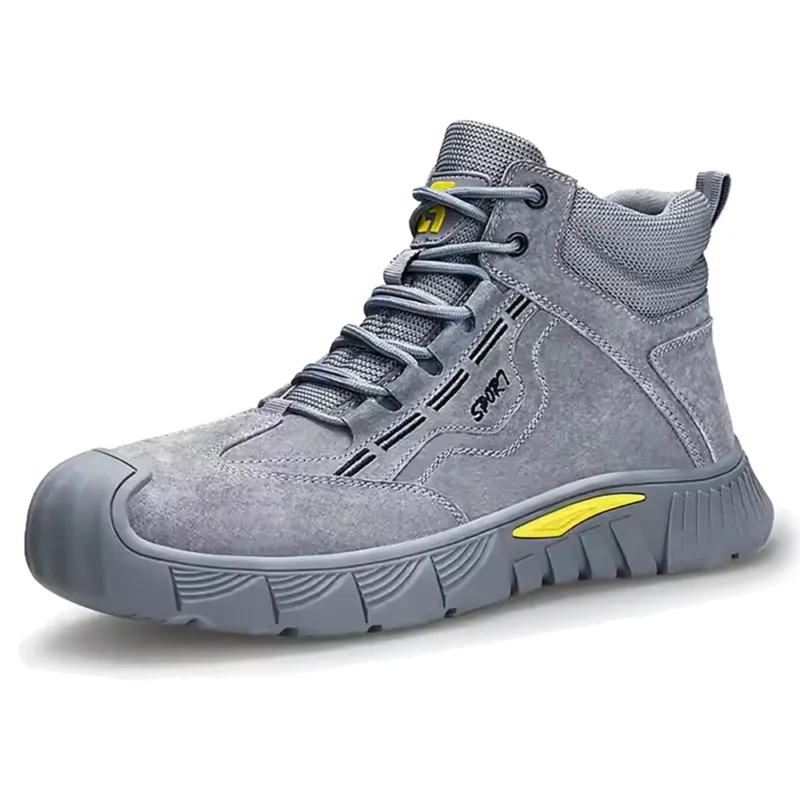
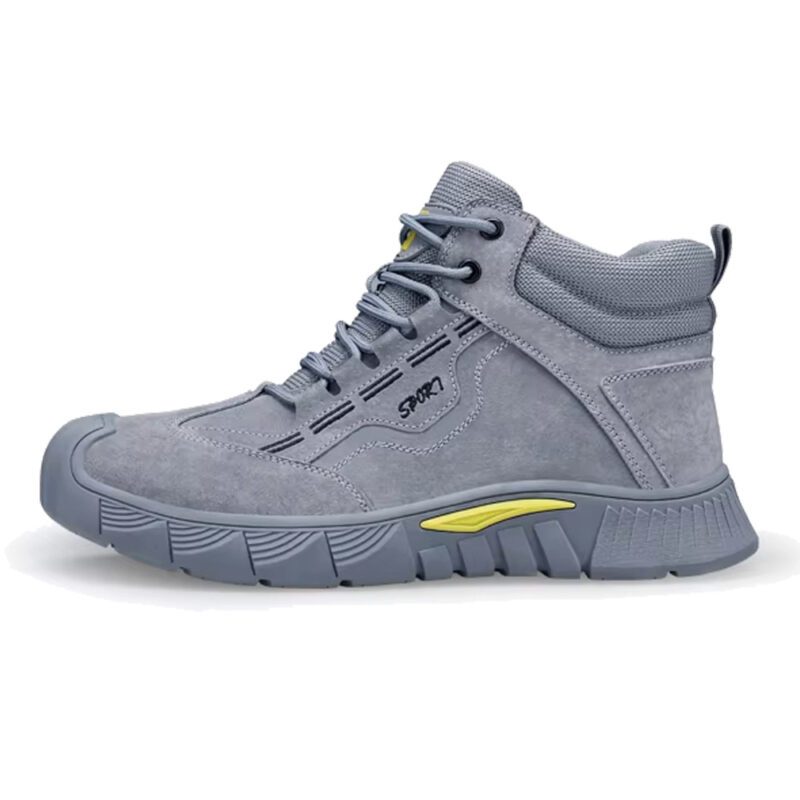
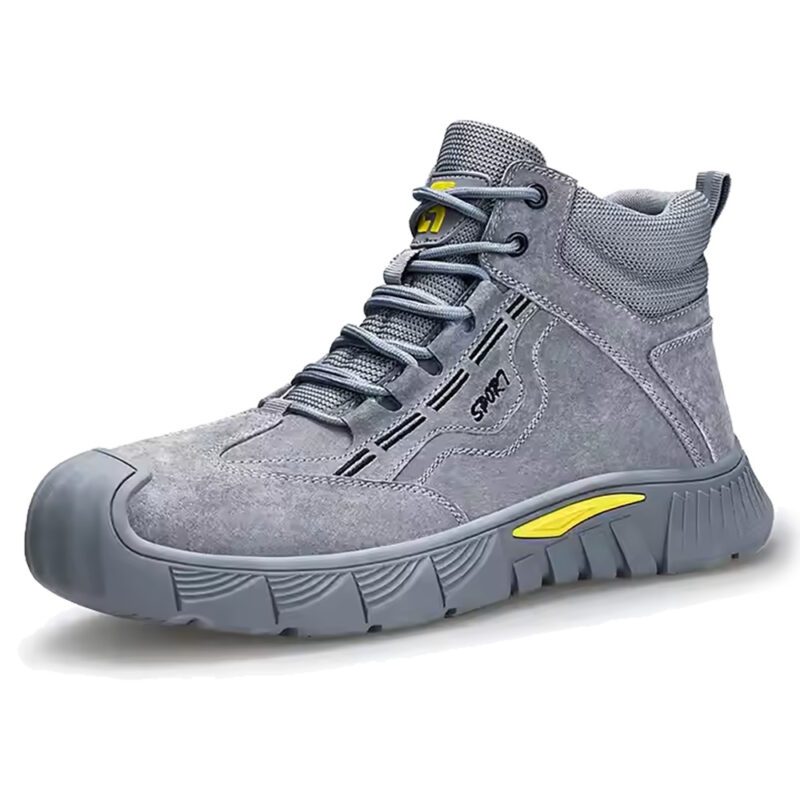
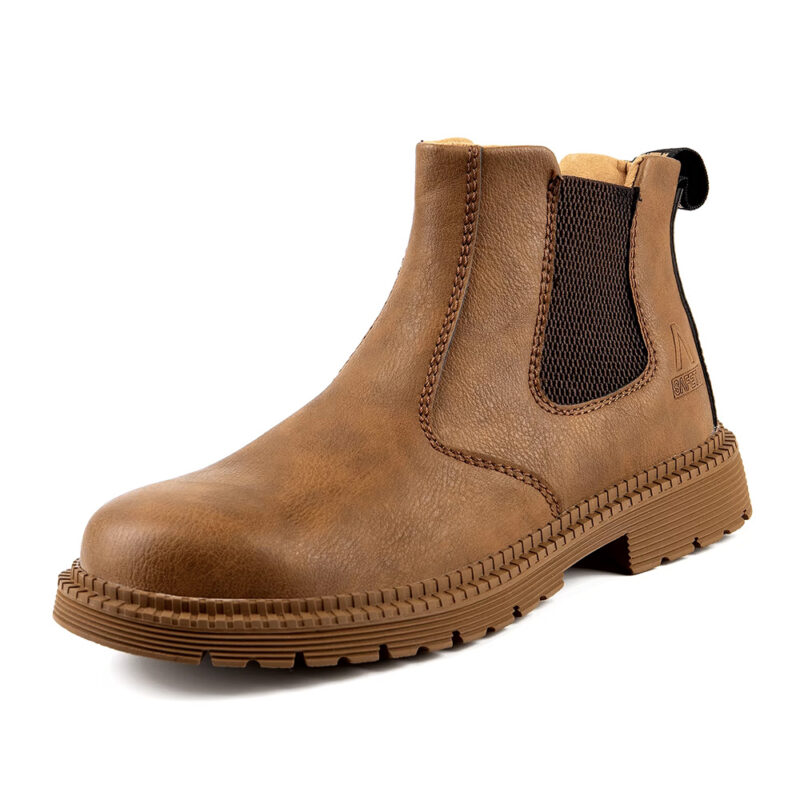
When your workday involves heavy machinery, falling objects, and unforgiving terrain, the Birks Defender Kevlar Steel Toe Safety Work Boots stand ready to protect you through it all. These boots deliver the exceptional durability, reliable protection, and all-day comfort you need to tackle any challenge and get the job done right, every single time.
Employers require toe protection in many job sites. Safety rules define minimum impact resistance and compression resistance. Composite toe boots meet these rules without steel. Workers choose them for weight reduction, temperature control, and electrical safety.
Brief History of Composite Toe Technology
Early safety boots used steel toe caps. Steel provided strong protection but added weight and thermal transfer. Workers reported foot fatigue and discomfort in hot and cold environments.
Manufacturers introduced composite toe caps in the late twentieth century. Advances in material science allowed strong non-metal structures. Testing proved that these materials absorbed impact energy without cracking. Safety agencies approved these designs after repeated lab testing.
Demand grew in construction, logistics, and electrical trades. Employers supported the shift due to comfort gains and hazard reduction. Composite toe boots now serve as a standard option in many industries.
How Composite Toe Caps Work
A composite toe cap spreads force across its surface. The structure resists collapse during impact. The material compresses slightly and absorbs energy. The design prevents direct force transfer to the toes.
The toe cap sits inside the boot shell. The cap connects to the midsole and upper materials. This placement keeps the toes safe during drops or rolling hazards. The cap does not bend like metal. It fractures only at force levels beyond safety limits.
Materials Used in Composite Toe Boots
Manufacturers select materials based on strength, weight, and flexibility.
Common materials include:
- Fiberglass: This material offers high strength and low weight. It resists heat transfer.
- Carbon fiber: This material provides high impact resistance with thin construction.
- Kevlar: This fiber resists tearing and cracking. It handles repeated stress well.
- Plastic composites: These blends combine polymers with fibers for balanced performance.
Each material passes impact and compression tests before approval. Brands often combine materials to improve durability.
Safety Standards for Composite Toe Boots
Safety agencies define clear rules for toe protection. In the United States, ASTM F2413 sets impact and compression ratings. In Canada, CSA Z195 defines safety footwear classes. Europe uses EN ISO 20345.
A certified composite toe boot resists:
- A defined impact force
- A defined compression load
- Structural failure during testing
Certification labels appear on the boot tongue or packaging. Buyers should confirm compliance before use.
Composite Toe vs Steel Toe Boots
Workers often compare composite toe boots with steel toe boots. Each type offers specific advantages.
Key Differences
| Feature | Composite Toe | Steel Toe |
|---|---|---|
| Material | Non-metal fibers | Steel alloy |
| Weight | Lighter | Heavier |
| Heat transfer | Low | High |
| Electrical conductivity | Non-conductive | Conductive |
| Metal detection | No alarm | Triggers alarms |
| Toe cap thickness | Thicker | Thinner |
Composite toe boots suit workers who stand or walk for long hours. Steel toe boots suit heavy impact zones with tight toe profiles.
Composite Toe vs Alloy Toe Boots
Alloy toe boots use aluminum or titanium. These metals reduce weight compared to steel.
Composite toe boots still differ in key ways:
- Composite toes do not conduct electricity.
- Composite toes do not trigger metal detectors.
- Composite toes insulate against temperature shifts.
Alloy toe boots keep a slim shape. Composite toe boots focus on comfort and hazard control.
Benefits of Composite Toe Work Boots
Composite toe boots deliver clear benefits for many workers.
Reduced Weight
Composite materials weigh less than metal. Lighter boots reduce leg fatigue. Workers maintain energy during long shifts.
Thermal Insulation
Composite toes do not transfer heat or cold. Feet stay warmer in winter. Feet stay cooler in summer.
Electrical Hazard Protection
Composite toe boots do not conduct electricity. Many models include EH ratings. These boots protect workers from live circuits and static discharge.
Airport and Security Friendly
Composite toes pass through metal detectors without alarms. Workers in secure facilities save time during entry checks.
Comfort Over Long Shifts
Reduced weight and insulation improve daily comfort. Workers report fewer pressure points. The toe cap shape allows natural foot movement.
Limitations of Composite Toe Boots
Composite toe boots also carry limits.
- The toe cap thickness reduces interior space.
- Some models feel wider at the toe.
- Extreme impact zones may favor steel in specific tasks.
Buyers should match the boot to job risks. No single boot fits every site.
Industries That Use Composite Toe Boots
Many industries adopt composite toe footwear.
Common examples include:
- Construction and carpentry
- Warehousing and logistics
- Electrical and utility work
- Manufacturing and assembly
- Oil and gas support roles
- Transportation and aviation
Employers choose composite toes for safety compliance and worker comfort.
Fit and Sizing Considerations
Proper fit ensures safety and comfort. Composite toe caps add volume at the front. Workers should test toe clearance.
Fit tips include:
- Leave thumb width space at the toe.
- Check toe height during kneeling.
- Wear work socks during fitting.
- Walk on hard surfaces to test pressure.
A poor fit reduces protection and comfort.
When your workday involves heavy machinery, falling objects, and unforgiving terrain, the Birks Defender Kevlar Steel Toe Safety Work Boots stand ready to protect you through it all. These boots deliver the exceptional durability, reliable protection, and all-day comfort you need to tackle any challenge and get the job done right, every single time.
Sole Construction and Support
Toe protection works with sole design. Many composite toe boots include slip-resistant outsoles. Others include puncture-resistant plates.
Common sole features include:
- Rubber outsoles for grip
- EVA midsoles for shock absorption
- TPU shanks for arch support
The sole must match the work surface. Wet floors require high traction. Rough ground requires firm support.
Waterproofing and Breathability
Many composite toe boots include waterproof membranes. These layers block water while allowing vapor escape.
Common systems include:
- Waterproof liners
- Sealed seams
- Treated leather uppers
Breathable designs reduce sweat buildup. Dry feet prevent blisters and odor.
Maintenance of Composite Toe Work Boots
Proper care extends boot life. Composite toes require no special treatment, but the boot materials need care.
Cleaning Steps
- Remove loose dirt with a brush.
- Wipe leather with a damp cloth.
- Use mild soap for stains.
- Air dry away from heat.
Storage Tips
- Store boots in a dry area.
- Avoid direct sunlight.
- Remove insoles for drying.
Regular cleaning preserves material strength.
Inspection and Replacement Signs
Workers should inspect boots often. Damage reduces safety.
Replace boots if you see:
- Cracks in the toe area
- Sole separation
- Excessive wear at the toe box
- Loss of traction
Toe caps hide inside the boot. Exterior damage often signals internal failure.
Composite Toe Boots and Job Site Rules
Some job sites specify toe type. Employers may require steel or composite. Workers should check site policies before purchase.
Many sites accept composite toe boots due to ASTM compliance. Electrical sites often prefer composite toes.
Cost Range and Value
Composite toe boots often cost more than steel toe boots. Material costs drive the price.
Buyers gain value through:
- Reduced fatigue
- Improved comfort
- Thermal control
- Electrical safety
Long-term wear offsets the higher upfront cost.
Environmental and Material Safety
Composite materials resist corrosion. Steel toes rust in wet conditions. Composite toes maintain structure over time.
Some brands use recycled fibers. This approach reduces waste without reducing safety.
Common Myths About Composite Toe Boots
Several myths affect buying decisions.
- Myth: Composite toes break easily.
Fact: Certified composite toes meet strict impact tests. - Myth: Composite toes offer less protection.
Fact: Safety standards ensure equal protection. - Myth: Composite boots feel bulky.
Fact: Modern designs balance space and comfort.
Facts support composite toe performance.
How to Choose the Right Composite Toe Work Boot
Buyers should follow clear steps.
Selection Steps
- Confirm job hazards.
- Check required safety standards.
- Select proper sole type.
- Choose waterproofing if needed.
- Test fit with work socks.
- Inspect certification labels.
This process ensures safe and comfortable use.
Who Should Choose Composite Toe Boots
Composite toe boots suit workers who value comfort and safety balance. Electricians benefit from non-conductive materials. Warehouse workers benefit from light weight. Travelers benefit from metal-free construction.
Steel toe boots still serve heavy impact zones. Composite toe boots serve varied tasks with comfort focus.
Summary
A composite toe work boot uses non-metal materials to protect the toes from impact and compression hazards. The boot meets safety standards without steel. Composite toes reduce weight, block temperature transfer, and avoid electrical conductivity.
Workers across many industries rely on this design. Proper selection depends on job risks, fit, and sole needs. With correct care, composite toe boots deliver long service life and reliable protection.
When your workday involves heavy machinery, falling objects, and unforgiving terrain, the Birks Defender Kevlar Steel Toe Safety Work Boots stand ready to protect you through it all. These boots deliver the exceptional durability, reliable protection, and all-day comfort you need to tackle any challenge and get the job done right, every single time.