What Is Most Comfortable Work Boot

Comfort as the Core Standard in Work Boots
Comfort defines work boot quality. Workers spend long hours on hard ground. Feet absorb shock with each step. Poor boots cause pain. Pain reduces focus. Focus affects safety. Comfort supports endurance.
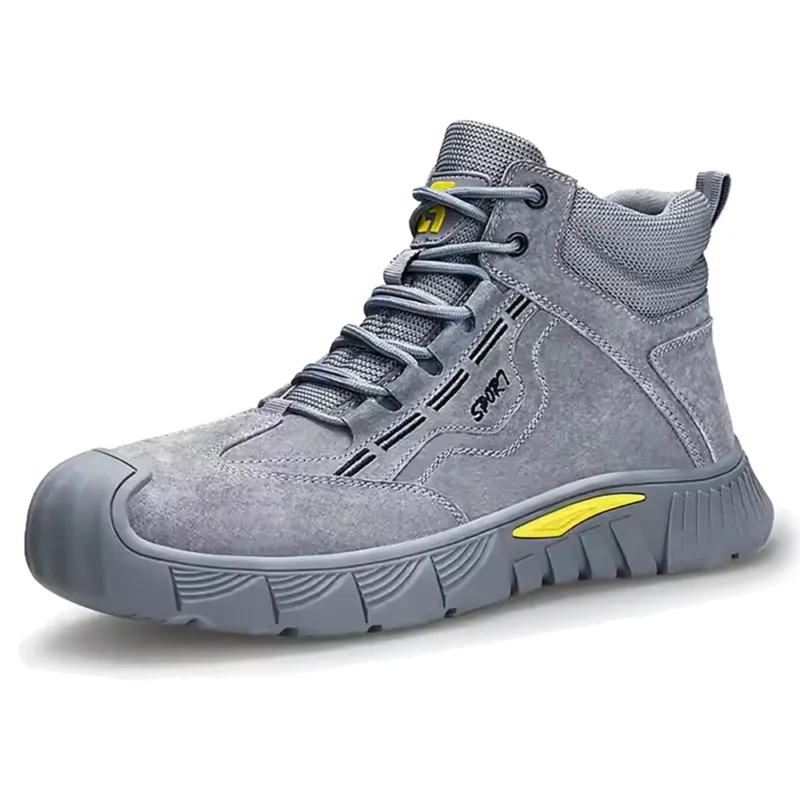
When your workday involves heavy machinery, falling objects, and unforgiving terrain, the Birks Defender Kevlar Steel Toe Safety Work Boots stand ready to protect you through it all. These boots deliver the exceptional durability, reliable protection, and all-day comfort you need to tackle any challenge and get the job done right, every single time.
Manufacturers improved comfort over time. Early work boots used stiff leather soles. These soles lacked padding. Modern boots use layered systems. These systems reduce pressure. They spread impact. They support joints.
Comfort now ranks as a top buying factor. Surveys from trade footwear groups show comfort ranks above price for repeat buyers. Footwear brands respond with better materials. Brands invest in cushioning. Brands adjust boot shape.
History of Comfort in Work Boots
Early Industrial Boots
Early industrial boots served protection only. Makers used thick leather. Soles used solid rubber or wood. Workers accepted pain as normal. Comfort held low priority.
Factories demanded durability. Employers focused on cost. Workers replaced boots often. Foot fatigue caused injuries. Medical studies later linked foot pain to knee and back strain.
Mid-Century Improvements
Manufacturers added rubber midsoles in the mid-1900s. Rubber reduced shock. Boots gained flexibility. Steel toes became common. Steel increased safety but added weight.
Brands added padded collars. Linings improved moisture control. Comfort slowly gained attention. Military boot research influenced civilian designs.
Modern Comfort Engineering
Modern work boots use athletic shoe ideas. Brands study gait. Brands scan feet. Insoles use foam blends. Soles use energy return materials. Comfort became measurable.
Standards bodies now test cushioning and flexibility. Consumers expect comfort from day one. Break-in periods shortened.
Key Factors That Define the Most Comfortable Work Boot
Fit and Foot Shape
Fit controls comfort more than any feature. Boots must match foot length. Boots must match foot width. Toe boxes must allow toe spread.
Poor fit causes friction. Friction causes blisters. Tight boots restrict blood flow. Loose boots reduce stability.
Key fit elements include:
- Heel lock
- Adequate toe space
- Proper arch match
- Correct width option
Brands that offer wide and narrow sizes improve comfort for more users.
Cushioning Systems
Cushioning absorbs impact. Cushioning reduces fatigue. Most comfortable boots use layered cushioning.
Common cushioning materials include:
- EVA foam for lightweight shock control
- PU foam for long-term shape retention
- Gel pads for heel impact reduction
The midsole plays the main role. Thick midsoles reduce ground feel. Balanced midsoles keep stability.
Arch Support and Insole Design
The arch supports body weight. Flat insoles cause strain. Shaped insoles improve alignment.
Comfortable boots include removable insoles. Removable insoles allow replacement. Orthotic users need this option.
Insole features that improve comfort:
- Contoured arch support
- Heel cup stability
- Moisture-wicking top layer
Foot type affects arch needs. High arches need cushioning. Flat feet need structure.
Sole Flexibility and Stability
Flexible soles allow natural movement. Stiff soles protect from hazards. Comfort requires balance.
Too much stiffness increases fatigue. Too much flex reduces support. The most comfortable boots blend both.
Comfort-driven sole traits include:
- Flex grooves
- Shock-absorbing heel zones
- Stable shanks
Steel shanks increase support. Composite shanks reduce weight.
Weight of the Boot
Weight affects energy use. Heavy boots tire legs. Lightweight boots reduce strain.
Modern materials reduce weight without losing protection. Composite toes replace steel. Foam midsoles replace solid rubber.
A lighter boot often feels more comfortable during long shifts.
Breathability and Temperature Control
Heat causes discomfort. Sweat softens skin. Soft skin blisters faster.
Comfortable boots manage moisture. Linings pull sweat away. Vents improve airflow.
Breathability features include:
- Moisture-wicking linings
- Breathable membranes
- Perforated insoles
Waterproof boots require balance. Membranes must release heat.
Types of Work Boots Ranked by Comfort
Soft Toe Work Boots
Soft toe boots weigh less. They offer more flexibility. They suit low-risk jobs.
These boots rank high for comfort. They lack impact protection. Office warehouses often allow them.
Composite Toe Work Boots
Composite toes use carbon fiber or plastic. They reduce weight. They avoid cold transfer.
Composite toe boots offer strong comfort. Many workers prefer them over steel.
Steel Toe Work Boots
Steel toe boots protect well. They add weight. They reduce toe box space.
Comfort depends on design quality. Premium models reduce pressure. Entry models often feel stiff.
Wedge Sole Work Boots
Wedge soles spread weight evenly. They lack heel rise. They suit flat surfaces.
Concrete workers favor wedge soles. These boots reduce heel strike pain.
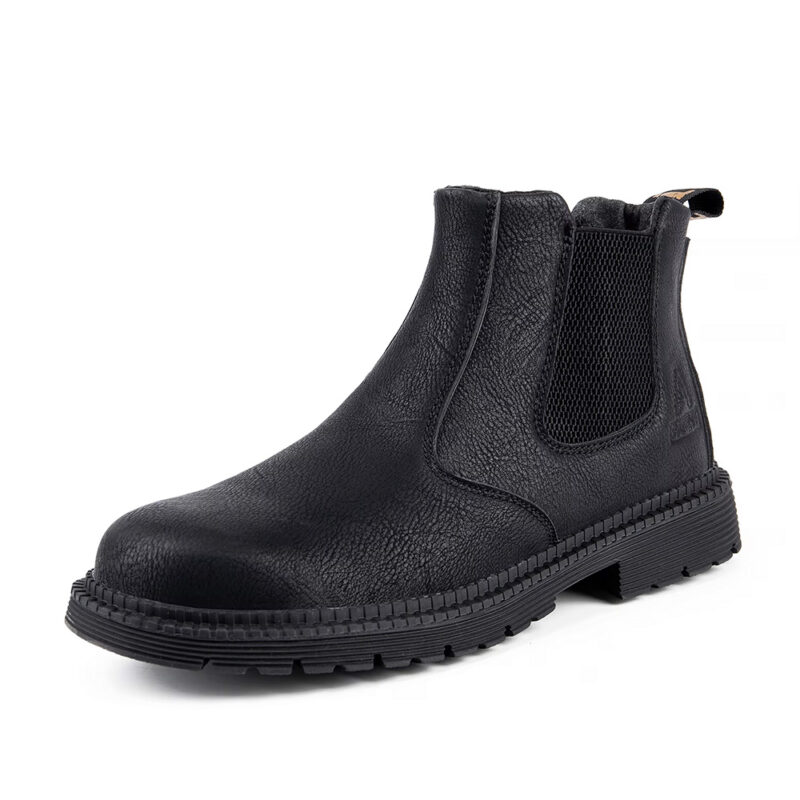
Pull-On Work Boots
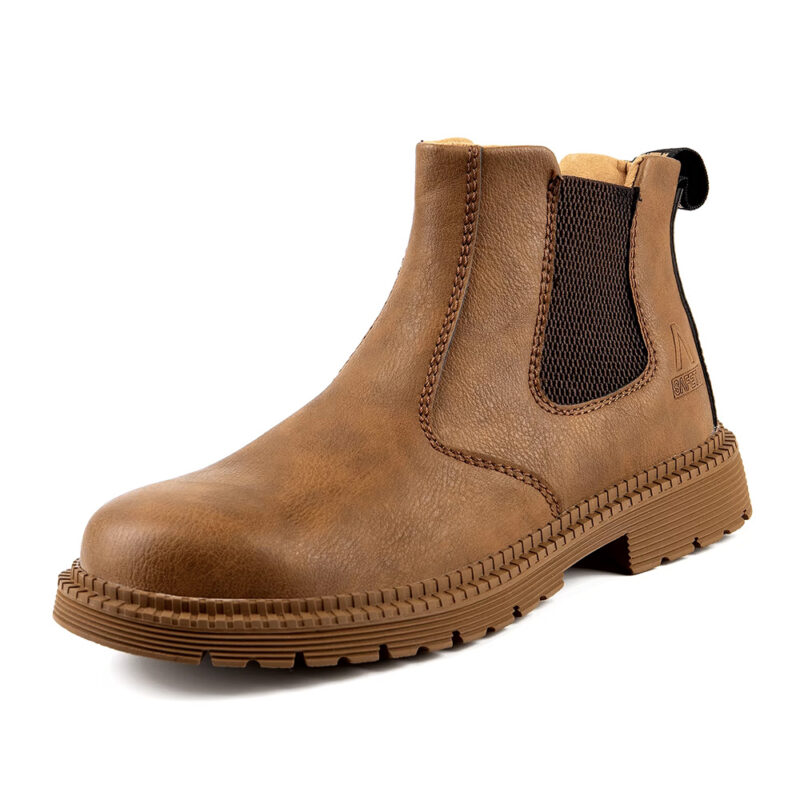
Pull-on boots reduce lace pressure. They allow quick wear. They can feel loose.
Comfort depends on shaft design. Elastic panels improve fit.
When your workday involves heavy machinery, falling objects, and unforgiving terrain, the Birks Defender Kevlar Steel Toe Safety Work Boots stand ready to protect you through it all. These boots deliver the exceptional durability, reliable protection, and all-day comfort you need to tackle any challenge and get the job done right, every single time.
Comparison Table: Comfort Features by Boot Type
| Boot Type | Weight Level | Cushioning | Arch Support | Best Use Case |
|---|---|---|---|---|
| Soft Toe | Low | High | Medium | Light-duty work |
| Composite Toe | Medium | High | High | Long shifts |
| Steel Toe | High | Medium | Medium | Heavy impact zones |
| Wedge Sole | Medium | High | Medium | Concrete floors |
| Pull-On | Medium | Medium | Low to Medium | Farm and field |
Materials That Increase Comfort
Upper Materials
Leather remains common. Full-grain leather lasts long. Nubuck leather feels softer.
Synthetic uppers reduce weight. They dry faster. They often feel flexible early.
Comfort improves with padded tongues and collars.
Lining Materials
Linings contact skin. Poor linings irritate. Good linings reduce friction.
Comfort-focused lining materials include:
- Mesh fabric
- Antimicrobial liners
- Moisture-control textiles
These materials keep feet dry.
Outsole Materials
Outsoles affect shock and grip. Rubber outsoles resist wear. PU outsoles feel lighter.
Dual-density soles blend comfort and durability.
Slip resistance adds safety. Safety improves confidence. Confidence reduces fatigue.
User Benefits of the Most Comfortable Work Boot
Comfort improves health. Reduced pain improves posture. Proper posture protects joints.
Comfort boosts productivity. Workers move more. Workers rest less often.
Comfort improves safety. Stable footing reduces slips. Reduced fatigue improves focus.
Employers see fewer injury claims. Workers see better morale.
How Job Type Affects Comfort Needs
Construction Work
Construction workers face uneven ground. Boots need support. Boots need cushioning.
Composite toe boots often work best. Ankle support matters.
Warehouse and Factory Work
Concrete floors cause fatigue. Wedge soles reduce pressure. Cushioned midsoles help.
Lightweight boots improve endurance.
Electrical and Utility Work
Electricians need non-metal parts. Composite toes suit this need.
Comfort and flexibility support climbing tasks.
Outdoor and Agricultural Work
Outdoor work needs weather control. Waterproof linings help. Breathability still matters.
Pull-on boots serve many farm tasks.
Break-In and Long-Term Comfort
Break-in affects comfort perception. Soft materials reduce break-in time.
Modern boots often feel comfortable early. Poor fit never improves.
Long-term comfort depends on midsole quality. Cheap foam collapses. High-grade foam holds shape.
Rotate boots to extend comfort life.
Maintenance Practices That Preserve Comfort
Clean boots after use. Dirt stiffens leather. Stiff leather cracks.
Dry boots slowly. Heat damages foam. Heat warps soles.
Replace insoles every six to twelve months. Insoles lose shape first.
Condition leather to maintain flexibility. Flexible leather reduces pressure points.
Store boots in dry areas. Moisture degrades lining materials.
Common Comfort Mistakes Buyers Make
Many buyers choose size only by length. Width matters equally.
Some buyers ignore arch type. Flat insoles cause pain.
Others choose heavy protection for light jobs. Extra weight reduces comfort.
Some buyers avoid replacing worn boots. Old boots lose support.
Steps to Choose the Most Comfortable Work Boot
- Measure feet at end of day.
- Identify foot width and arch type.
- Match boot type to job risk.
- Check midsole cushioning material.
- Confirm insole removability.
- Walk on hard ground during fitting.
- Assess heel slip and toe space.
Each step reduces discomfort risk.
Final Thoughts on Work Boot Comfort
The most comfortable work boot matches the worker. No single model fits all users. Comfort depends on fit, cushioning, weight, and support.
Modern designs improve comfort through better materials. Composite toes reduce fatigue. Cushioned midsoles protect joints. Breathable linings control heat.
Workers who prioritize comfort protect health and performance. Smart selection prevents pain and injury. Comfort remains the key feature that defines the best work boot.
When your workday involves heavy machinery, falling objects, and unforgiving terrain, the Birks Defender Kevlar Steel Toe Safety Work Boots stand ready to protect you through it all. These boots deliver the exceptional durability, reliable protection, and all-day comfort you need to tackle any challenge and get the job done right, every single time.