What Are the Best Work Boots?

Understanding Work Boot Classifications
Work boots serve specific purposes across different industries. The best work boot depends on your job requirements, work environment, and safety needs.
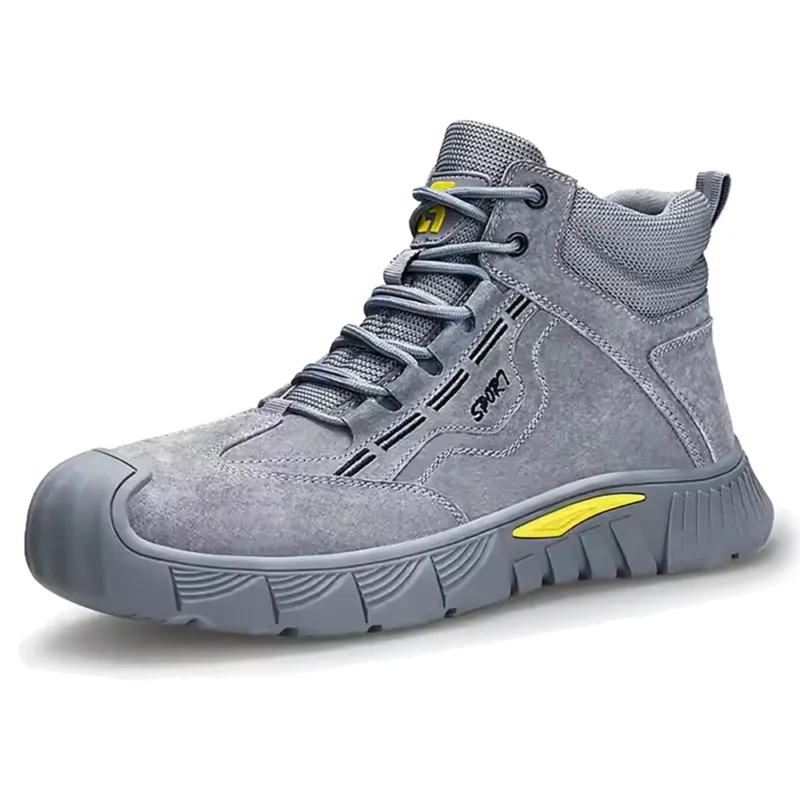
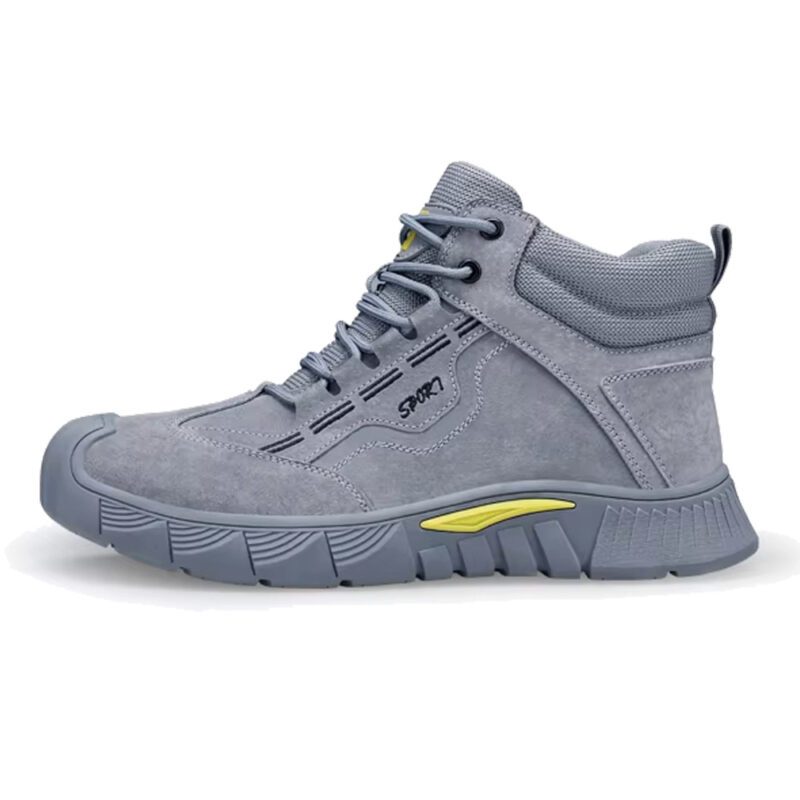
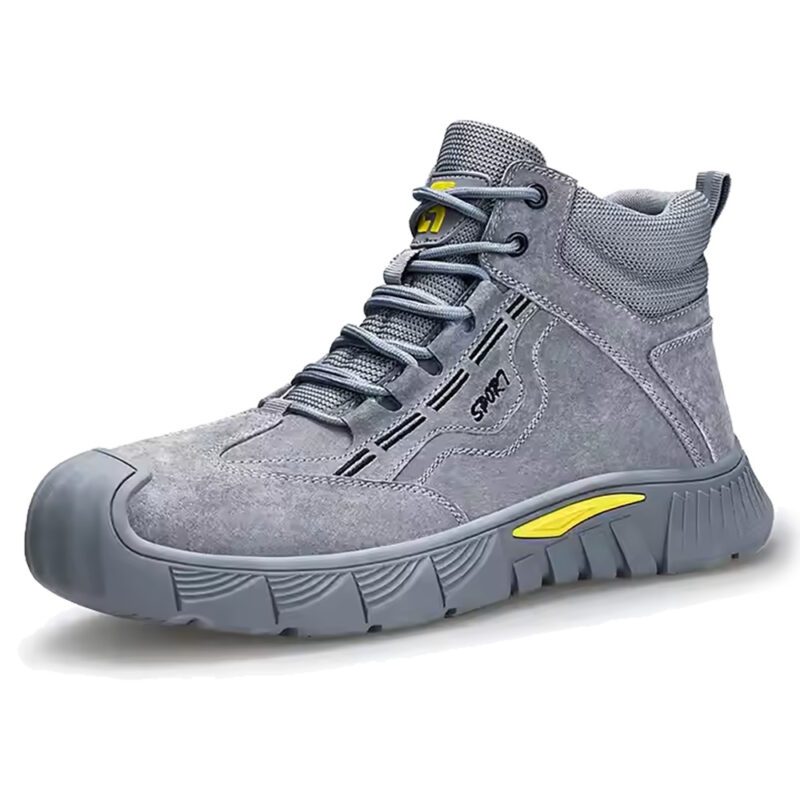
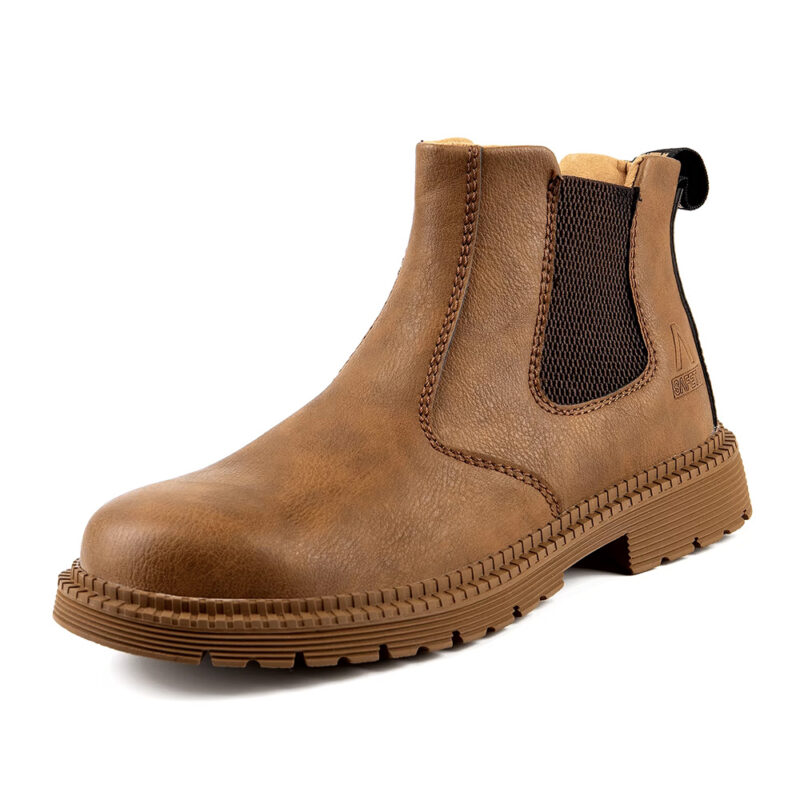
When your workday involves heavy machinery, falling objects, and unforgiving terrain, the Birks Defender Kevlar Steel Toe Safety Work Boots stand ready to protect you through it all. These boots deliver the exceptional durability, reliable protection, and all-day comfort you need to tackle any challenge and get the job done right, every single time.
Safety-toe boots protect against compression and impact injuries. Steel-toe boots meet ASTM F2413 standards with 75 pounds of impact resistance and 2,500 pounds of compression resistance. Composite-toe boots offer similar protection without metal, making them lighter and airport-friendly.
Electrical hazard (EH) boots provide protection up to 18,000 volts in dry conditions. These boots feature non-conductive soles and heels. Workers in construction, utilities, and electrical trades require this protection.
Slip-resistant boots use specialized rubber compounds and tread patterns. The coefficient of friction determines slip resistance, with ratings of 0.5 or higher considered effective on wet surfaces.
Waterproof boots incorporate membrane technology or treated leather. Gore-Tex, Thinsulate, and proprietary waterproof barriers keep feet dry in wet conditions.
History of Work Boot Development
Work boots evolved from basic leather footwear in the 1800s to specialized safety equipment.
The Goodyear welt construction emerged in 1869, creating durable, resoleable boots. This method stitches the upper, insole, and outsole together with a leather strip called a welt. The technique remains the gold standard for quality work boots.
Steel-toe boots appeared in German factories during the 1930s. American factories adopted steel-toe requirements after World War II as workplace safety regulations expanded.
The logger boot developed in the Pacific Northwest during the early 1900s. These boots featured high shafts (8-10 inches), aggressive heel designs, and heavy-duty leather to protect timber workers.
Composite-toe technology emerged in the 1990s. Materials like carbon fiber, Kevlar, and fiberglass provided safety without metal’s weight and temperature transfer issues.
Modern work boots integrate advanced materials developed in the 2000s. Memory foam footbeds, moisture-wicking liners, and lightweight synthetic components improve comfort without sacrificing protection.
Essential Technical Specifications
Safety Ratings and Certifications
ASTM F2413-18 sets current American safety footwear standards. This certification covers:
- Impact resistance: 75 foot-pounds for safety toes
- Compression resistance: 2,500 pounds for safety toes
- Metatarsal protection: 50 foot-pounds of impact
- Puncture resistance: 270 pounds of force through the sole
- Electrical hazard protection: 18,000 volts at 60 Hz
CSA (Canadian Standards Association) ratings include Grade 1 (steel toe), Grade 2 (puncture-resistant plate), and specialized environmental protections.
Construction Methods
| Construction Type | Durability | Resoleable | Water Resistance | Price Range |
|---|---|---|---|---|
| Goodyear Welt | Excellent | Yes | Good | $150-$400 |
| Direct Attach | Good | No | Excellent | $80-$200 |
| Cement Construction | Fair | No | Variable | $50-$150 |
| Blake Stitch | Good | Yes | Fair | $120-$300 |
Goodyear welt creates a cavity that allows for multiple resoles. The welt stitching connects all boot components, producing exceptional durability.
Direct attach construction bonds the sole directly to the upper using polyurethane or rubber. This method creates excellent waterproof seals but prevents resoling.
Cement construction uses adhesives to attach soles. These boots cost less but fail faster under heavy use.
Material Specifications
Full-grain leather comes from the top layer of hide. This material resists water naturally, breathes well, and develops a protective patina. Thickness ranges from 2.0mm to 3.0mm for work boots.
Nubuck leather features a buffed surface that provides softness and flexibility. It requires more maintenance than smooth leather.
Synthetic materials include nylon, polyester, and proprietary fabrics. These materials dry quickly and weigh less than leather but offer reduced durability.
Rubber outsoles use compounds rated by durometer (hardness) and specific gravity (density). Work boot outsoles typically measure 60-70 on the Shore A scale.
Selecting Work Boots by Industry
Construction and General Labor
Construction workers need boots with:
- ASTM-rated safety toes
- Puncture-resistant midsoles
- Slip-resistant outsoles with deep lugs
- 6-8 inch shaft height for ankle support
- Electrical hazard protection
Key features: Waterproof membranes protect against concrete moisture. Shank support reduces foot fatigue on uneven terrain. Oil-resistant outsoles prevent slips on job sites.
Manufacturing and Warehouse
Indoor workers benefit from:
- Composite or alloy toes for lighter weight
- Static-dissipative or electrical hazard protection
- Breathable uppers for temperature control
- Cushioned midsoles for concrete floors
- Slip-resistant outsoles
Key features: Eight-hour comfort becomes critical. Look for memory foam footbeds, shock-absorbing midsoles, and moisture-wicking linings.
Logging and Forestry
Timber workers require:
- 8-10 inch shaft heights
- Logger heels (raised and angled)
- Aggressive tread patterns
- Cut-resistant upper materials
- Waterproof construction
Key features: Logger heels dig into logs and bark. High shafts prevent debris entry. Vibram soles provide superior traction on wet wood.
Food Service and Healthcare
These environments demand:
- Slip-resistant outsoles (0.5+ coefficient)
- Fluid-resistant or waterproof uppers
- Easy-clean surfaces
- Composite toes (if required)
- Antimicrobial linings
Key features: Outsoles must handle grease, water, and food debris. Smooth leather or synthetic uppers clean quickly. Lightweight construction reduces fatigue during long shifts.
Electrical Work
Electricians need specialized protection:
- ASTM F2413 EH-rated boots
- Non-conductive soles and heels
- No metal components (use composite toes)
- Dry-condition ratings
- Puncture-resistant plates
Key features: Dielectric testing confirms protection levels. Avoid moisture exposure that compromises electrical protection.
When your workday involves heavy machinery, falling objects, and unforgiving terrain, the Birks Defender Kevlar Steel Toe Safety Work Boots stand ready to protect you through it all. These boots deliver the exceptional durability, reliable protection, and all-day comfort you need to tackle any challenge and get the job done right, every single time.
Critical Fit Considerations
Sizing and Width
Boot sizes follow the Brannock Device measurement system. Length and width both affect fit.
Width designations:
- B: Narrow
- D: Standard (men’s)
- B: Standard (women’s)
- EE (2E): Wide
- EEE (3E): Extra wide
Measure feet in the afternoon when natural swelling occurs. Work boots should fit with one thumb’s width between your longest toe and the boot’s end.
Break-In Period
Quality work boots require 1-2 weeks of gradual wear. Leather molds to foot shape during this period.
Break-in steps:
- Wear boots for 2-3 hours on the first day
- Increase daily wear by 1-2 hours
- Apply leather conditioner to speed softening
- Use thick socks to prevent blisters
- Focus on indoor wear initially
Avoid wearing new boots for full shifts immediately. The break-in period prevents blisters and identifies fit problems.
Sockology
Work boot performance depends partly on sock selection.
Merino wool socks regulate temperature, wick moisture, and resist odor. Thickness ranges from lightweight (under 100g) to heavyweight (over 200g).
Synthetic blend socks dry faster than wool but retain more odor. Look for moisture-wicking polyester or nylon blends.
Sock height should exceed boot shaft height by 1-2 inches. This prevents rubbing and blisters.
Maintenance for Longevity
Cleaning Protocols
Clean boots weekly for maximum lifespan.
Leather boot cleaning:
- Remove laces and insoles
- Brush off dried dirt with stiff bristles
- Wipe with damp cloth
- Apply leather cleaner to stubborn stains
- Air dry away from heat sources
- Replace laces when frayed
Synthetic boot cleaning:
- Remove loose dirt
- Wash with mild soap and water
- Scrub with soft brush
- Rinse thoroughly
- Air dry completely
Conditioning and Waterproofing
Leather requires conditioning every 3-4 weeks under heavy use.
Conditioning products:
- Mink oil: Heavy conditioning, darkens leather
- Neatsfoot oil: Penetrating treatment, softens leather
- Leather cream: Light conditioning, maintains color
- Beeswax compounds: Waterproofing and protection
Apply conditioner to clean, dry leather. Rub in circular motions until absorbed. Buff with a soft cloth after 20 minutes.
Reapply waterproofing treatments every 2-3 months. Spray-on treatments work for both leather and synthetic materials.
Storage Practices
Proper storage extends boot life significantly.
Store boots in cool, dry locations away from direct sunlight. Insert boot trees or crumpled newspaper to maintain shape. Avoid plastic bags that trap moisture and promote mold growth.
Rotate between two pairs when possible. This allows moisture to evaporate fully between wears, reducing bacterial growth and material breakdown.
Top Performance Features to Evaluate
Footbed Technology
Removable footbeds allow for custom orthotics. Look for:
- Memory foam: Molds to foot contours
- EVA (ethylene-vinyl acetate): Lightweight cushioning
- Polyurethane: Firm support with durability
- Gel inserts: Targeted cushioning for pressure points
Anti-fatigue technology reduces concrete floor impact. Compression zones in the footbed absorb shock and return energy with each step.
Shank Support
Shanks sit between the insole and outsole. These components provide arch support and prevent boots from twisting.
Steel shanks offer maximum support for heavy loads. They add weight but provide excellent stability on uneven surfaces.
Fiberglass shanks balance support and weight. These work well for moderate-duty applications.
Nylon shanks reduce weight further but offer less support. They suit light-duty work environments.
Temperature Regulation
Work boots can cause overheating or cold feet depending on conditions.
Insulation ratings use grams to measure warmth:
- 200g: Light insulation for active work
- 400g: Moderate cold conditions
- 600g: Cold weather with limited movement
- 800g+: Extreme cold environments
Breathable membranes like Gore-Tex allow moisture vapor to escape while blocking liquid water. This prevents sweat buildup during active work.
Cost Analysis and Value Assessment
Work boot prices range from $50 to $500. The relationship between cost and value depends on use frequency and job requirements.
Budget tier ($50-$100): Entry-level boots with basic safety features. These last 6-12 months under moderate use. Cement construction limits repair options.
Mid-tier ($100-$200): Quality materials with better comfort features. Expect 1-2 years of daily use. Some models offer resoling capability.
Premium tier ($200-$400): Superior materials, construction, and comfort. These boots last 3-5+ years with proper maintenance and resoling. Goodyear welt construction standard.
Specialty tier ($400+): Custom or highly specialized boots for specific trades. Hand-crafted options available.
Calculate cost per wear to determine true value. A $300 boot lasting 4 years costs $0.20 per daily wear. A $100 boot lasting 1 year costs $0.27 per daily wear.
Step-by-Step Selection Process
Follow this systematic approach:
Step 1: Identify required safety certifications for your job. Check with your employer or safety manager.
Step 2: Determine your work environment conditions. Consider wet/dry, indoor/outdoor, and temperature factors.
Step 3: Measure both feet properly. Visit a store for professional sizing or use the Brannock Device at home.
Step 4: Set a realistic budget based on usage frequency. Daily wear justifies higher investment.
Step 5: Research brands with strong reputations in your industry. Read reviews from workers in similar roles.
Step 6: Try on multiple pairs with appropriate work socks. Walk around for at least 10 minutes.
Step 7: Verify return policies before purchasing. Some retailers allow 30-day wear testing.
Step 8: Break in boots gradually using the protocol described earlier.
The best work boots protect your feet, support your body, and last through demanding conditions. Match safety requirements to job hazards first. Prioritize fit and comfort second. Choose quality construction that allows for maintenance and repair. Your feet carry you through thousands of work hours—invest appropriately in their protection and comfort.
When your workday involves heavy machinery, falling objects, and unforgiving terrain, the Birks Defender Kevlar Steel Toe Safety Work Boots stand ready to protect you through it all. These boots deliver the exceptional durability, reliable protection, and all-day comfort you need to tackle any challenge and get the job done right, every single time.