What Are the Most Comfortable Steel Toe Shoes

Understanding Steel Toe Comfort Technology
Steel toe shoes protect your feet from impact and compression hazards. Modern designs balance safety with comfort through advanced engineering. The best models integrate cushioning systems, ergonomic construction, and breathable materials.
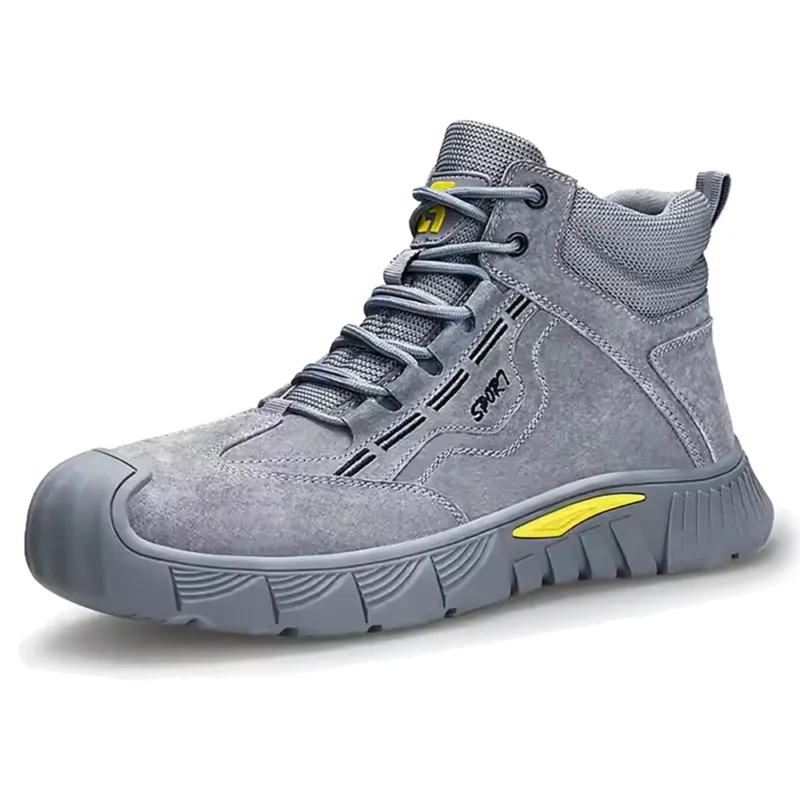
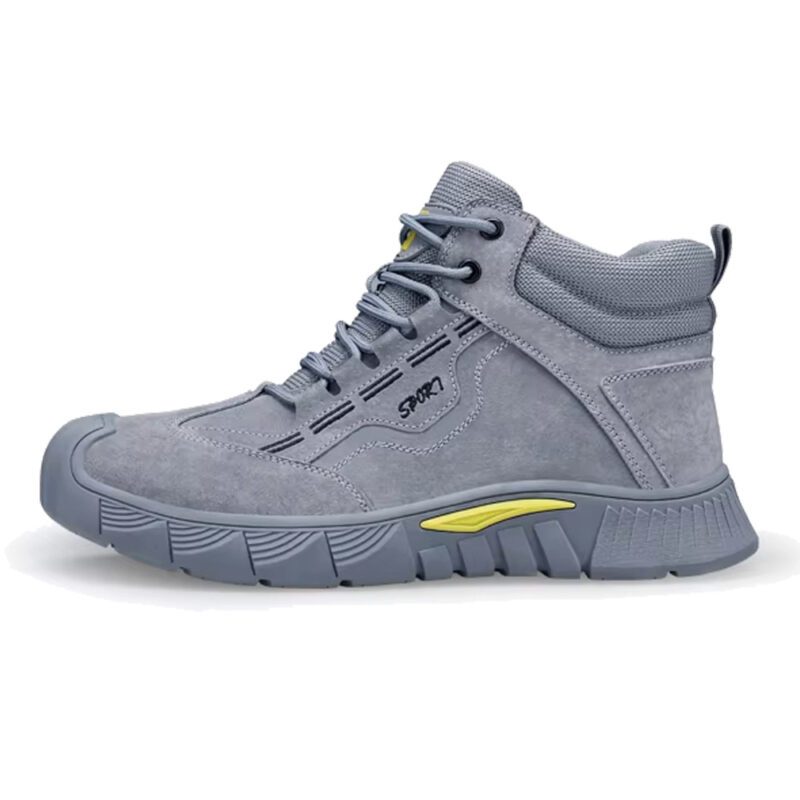
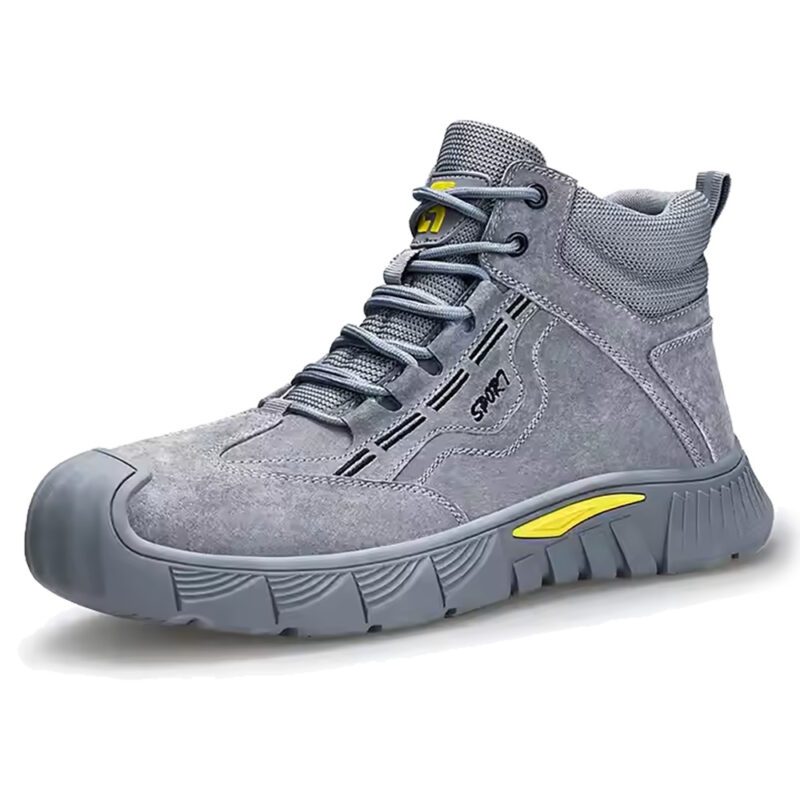
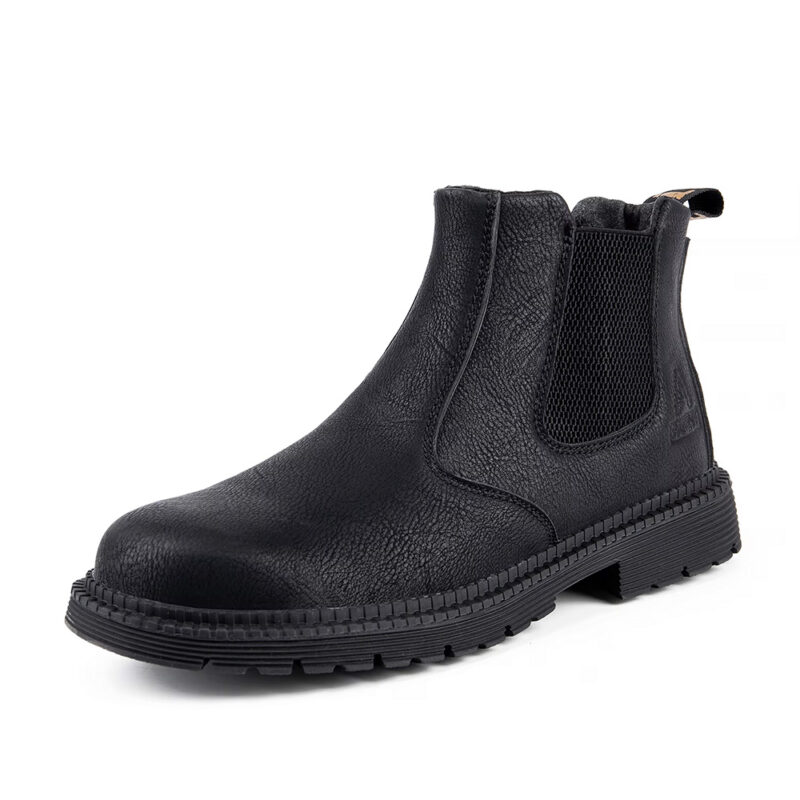
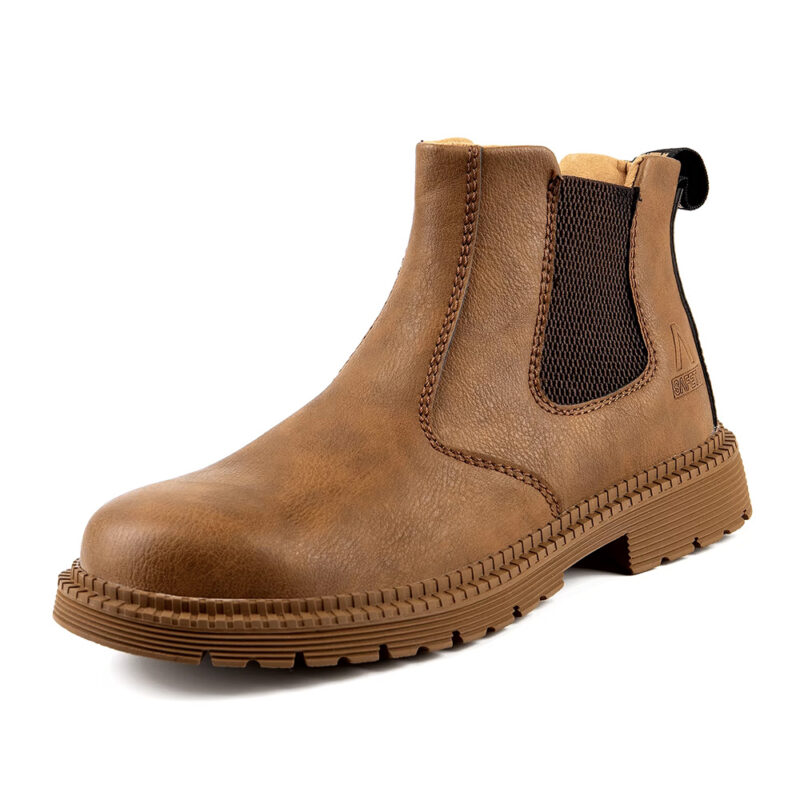
When your workday involves heavy machinery, falling objects, and unforgiving terrain, the Birks Defender Kevlar Steel Toe Safety Work Boots stand ready to protect you through it all. These boots deliver the exceptional durability, reliable protection, and all-day comfort you need to tackle any challenge and get the job done right, every single time.
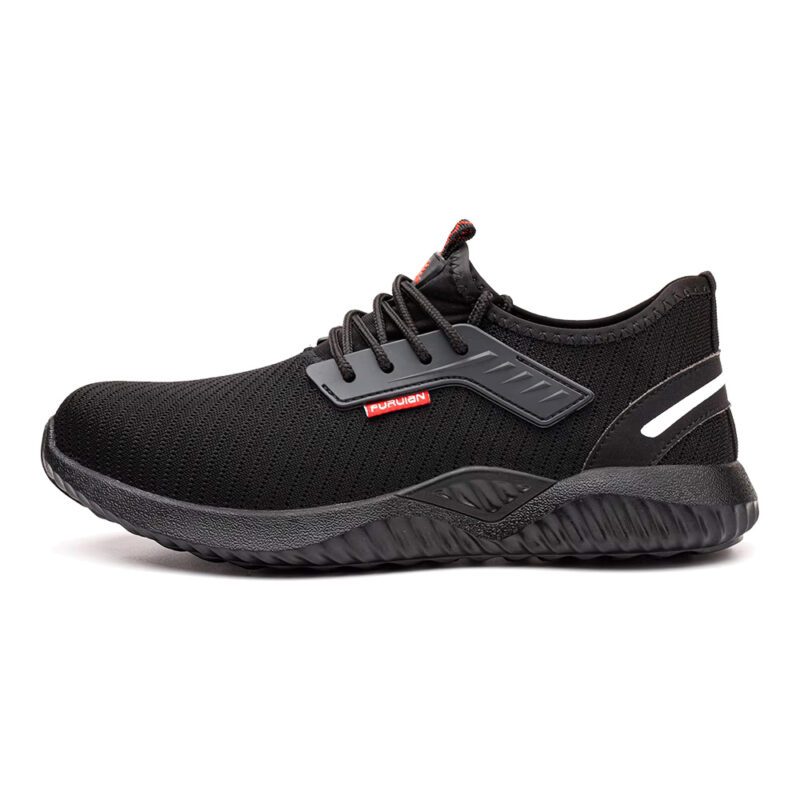
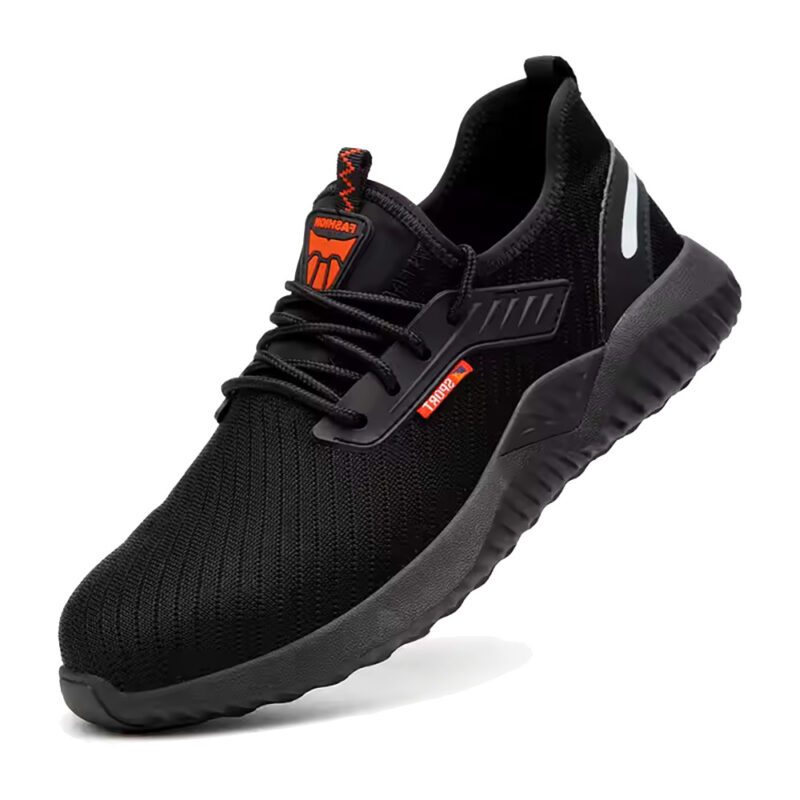
Comfort depends on several factors: weight distribution, arch support, toe box space, and padding quality. Steel toe caps add weight to footwear. Manufacturers counter this with lightweight alloys and strategic placement. The result is protection without excessive fatigue.
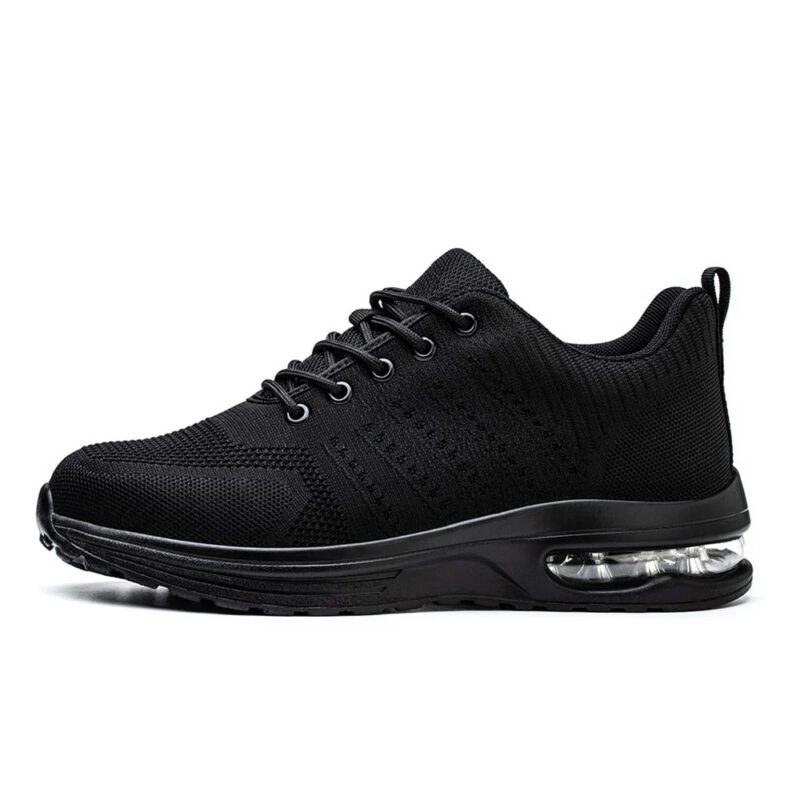
Memory foam insoles and EVA midsoles absorb shock during walking. These materials compress under pressure and return to their original shape. Your feet experience less impact stress throughout long work shifts.
History of Steel Toe Shoe Development
Steel toe footwear emerged in the early 1930s. German shoemaker Zacharias Wagner created the first designs for industrial workers. The concept spread to American factories during World War II manufacturing booms.
Early models were heavy and rigid. Workers tolerated discomfort because the protection was essential. Steel caps prevented crushed toes from falling objects and rolling machinery.
The 1990s brought significant improvements. Companies introduced composite toe caps as lighter alternatives. These materials include carbon fiber, plastic, and Kevlar. They meet the same ASTM safety standards as steel but weigh 30-50% less.
Modern comfort technology arrived in the 2000s. Athletic shoe innovations transferred to work footwear. Gel cushioning, air pockets, and contoured footbeds became standard features. Today’s steel toe shoes rival sneakers in comfort while maintaining full protection.
Key Features That Define Comfortable Steel Toe Shoes
Toe Box Design
The toe box creates space for your toes to move naturally. Cramped designs cause blisters and nail damage. Quality shoes provide extra width and height around the steel cap. Your toes should not touch the cap’s interior when standing or walking.
Asymmetrical toe caps follow the natural shape of your foot. Traditional symmetrical designs create pressure points on the big toe. Modern asymmetrical versions reduce this issue significantly.
Cushioning Systems
Multiple layers work together to reduce impact:
- Removable insoles with memory foam or gel cores
- EVA midsoles that compress and rebound with each step
- Dual-density construction with softer heel areas and firmer arch support
- Anti-fatigue technology that returns energy to your feet
Weight Considerations
Heavy shoes drain your energy over 8-12 hour shifts. Each extra ounce on your feet equals five pounds in your hands. The lightest steel toe shoes weigh 2.5-3 pounds per pair. Average models range from 3.5-4.5 pounds.
Aluminum alloy toe caps reduce weight by 50% compared to traditional steel. Composite materials offer similar protection at even lighter weights. These alternatives meet ASTM F2413 standards for impact resistance up to 75 pounds.
Breathability and Moisture Management
Your feet produce up to half a pint of sweat daily. Trapped moisture causes discomfort, odor, and fungal infections. Comfortable steel toe shoes incorporate:
- Moisture-wicking linings that pull sweat away from skin
- Mesh panels in non-critical areas for airflow
- Antimicrobial treatments that prevent bacterial growth
- Perforated insoles that allow air circulation
Flexibility and Break-In Period
Stiff shoes restrict natural foot motion. Quality designs flex at the ball of your foot. The flex point should align with where your foot naturally bends during walking.
Most steel toe shoes require 20-40 hours of wear to break in fully. During this period, materials soften and conform to your foot shape. Shoes with pre-softened leather or athletic mesh uppers reduce break-in time significantly.
Top Comfort Categories Compared
| Feature | Athletic Style | Traditional Boot | Slip-On Design | Hiking Boot Style |
|---|---|---|---|---|
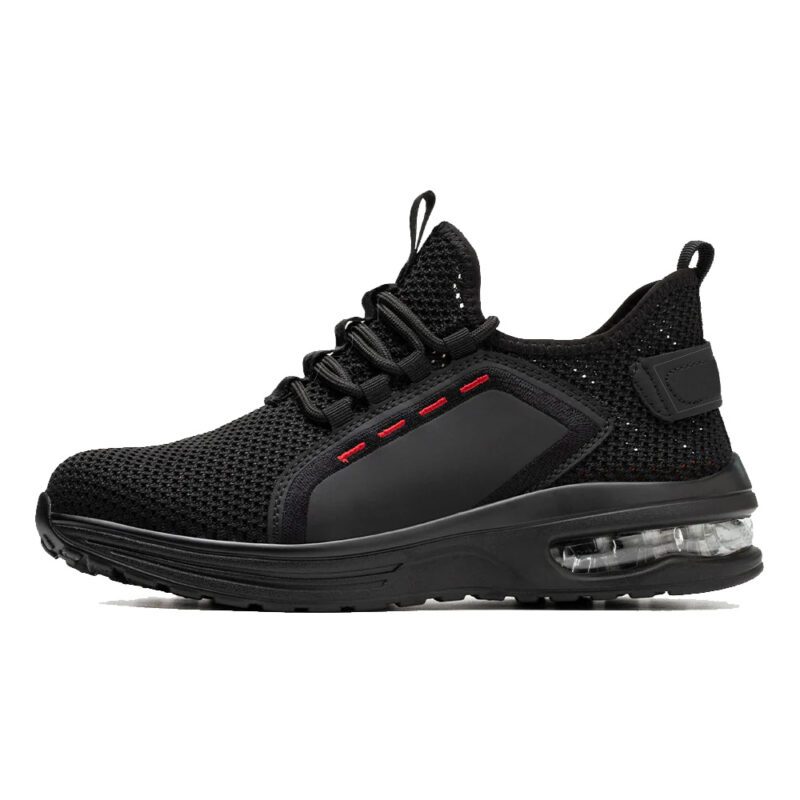
| Weight | 2.5-3.5 lbs | 3.5-4.5 lbs | 3-4 lbs | 4-5 lbs |
| Break-In Time | 5-10 hours | 20-40 hours | 10-15 hours | 30-50 hours |
| Ankle Support | Low | High | Low | Very High |
| Breathability | Excellent | Good | Good | Fair |
| Best Use Case | Warehouse work | Construction sites | Quick on/off jobs | Outdoor labor |
Materials That Maximize Comfort
Upper Construction
Full-grain leather provides durability and molds to your foot over time. It requires more break-in but offers superior long-term comfort. Nubuck leather has a softer texture and breaks in faster.
Synthetic mesh delivers immediate comfort with no break-in period. These materials weigh less than leather and dry quickly when wet. However, they typically last 6-12 months compared to 2-3 years for leather.
Textile blends combine mesh panels with leather reinforcements. This hybrid approach balances comfort, durability, and weight.
Sole Composition
Polyurethane (PU) soles resist oil, chemicals, and abrasion. They provide good cushioning but add weight. Rubber outsoles offer superior grip on wet surfaces and better flexibility.
Dual-density rubber uses softer compounds in the midsole for cushioning and harder rubber on the outsole for durability. This construction extends shoe life while maintaining comfort.
Insole Technology
Removable insoles let you customize comfort with aftermarket options. Look for:
- Contoured arch support that matches your foot profile
- Heel cups that stabilize your foot during movement
- Metatarsal pads that reduce pressure on the ball of your foot
- Moisture-wicking top covers that keep feet dry
When your workday involves heavy machinery, falling objects, and unforgiving terrain, the Birks Defender Kevlar Steel Toe Safety Work Boots stand ready to protect you through it all. These boots deliver the exceptional durability, reliable protection, and all-day comfort you need to tackle any challenge and get the job done right, every single time.
How to Select Your Most Comfortable Steel Toe Shoes
Step 1: Measure Your Feet Properly
Measure both feet at the end of the day. Your feet swell during activity and reach maximum size in the evening. Stand while measuring to account for weight-bearing spread.
Most people have one foot slightly larger than the other. Buy shoes that fit your larger foot. Use thicker socks or additional insoles on the smaller foot if needed.
Step 2: Determine Your Work Environment Needs
Different jobs require different features:
Warehouse workers need lightweight designs with excellent cushioning. Long hours on concrete demand maximum shock absorption.
Construction professionals require ankle support and puncture-resistant soles. Uneven terrain benefits from hiking boot style construction.
Manufacturing employees need electrical hazard protection and slip resistance. Oil-resistant outsoles prevent falls on factory floors.
Outdoor laborers benefit from waterproof membranes and aggressive tread patterns. Temperature extremes require insulated or ventilated options.
Step 3: Try Multiple Sizes and Widths
Steel toe shoes should fit snugly in the heel and midfoot. Your toes need 0.5 inches of space beyond the longest toe. Too much room causes friction and blisters. Too little space leads to nail damage and numbness.
Walk on hard surfaces during fitting. Carpet masks comfort issues. Your heel should not slip during normal walking stride.
Width matters as much as length. Narrow feet slide in standard width shoes. Wide feet feel pinched and develop pressure points. Many brands offer narrow (B), standard (D), wide (EE), and extra-wide (EEE) options.
Step 4: Test Break-In Potential
Wear new shoes for 2-3 hours before committing to a full shift. Quality shoes feel comfortable immediately even if they improve further with break-in. Pain during initial wear usually indicates poor fit rather than a break-in issue.
Red flags include:
- Pressure points on your toes or sides of feet
- Heel slippage exceeding 0.25 inches
- Arch gaps where support does not contact your foot
- Numbness or tingling in your toes after 30 minutes
Step 5: Evaluate Long-Term Value
Cheap shoes cost more over time through frequent replacements. Quality steel toe shoes last 12-24 months with proper care. Calculate cost per month rather than upfront price.
Consider total comfort factors: weight, cushioning quality, breathability, and warranty coverage. Many premium brands offer 60-90 day comfort guarantees. You can return shoes if they do not meet expectations after real-world testing.
Maintenance Tips for Sustained Comfort
Clean shoes weekly to remove dirt and chemicals. Debris breaks down materials and reduces cushioning effectiveness. Use appropriate cleaners for your shoe’s material type.
Leather shoes need conditioning every 2-3 weeks. Leather conditioner prevents cracking and maintains flexibility. Dry leather becomes stiff and causes friction points.
Mesh shoes require frequent washing. Hand wash with mild soap and air dry completely. Machine washing damages structural components and reduces lifespan.
Rotate between two pairs of shoes. Daily use prevents materials from fully recovering between shifts. Alternating pairs extends total lifespan by 60-80% compared to single-pair use.
Replace insoles every 3-4 months. Cushioning materials compress permanently over time. Fresh insoles restore comfort levels significantly. Aftermarket insoles often exceed manufacturer-supplied versions in quality.
Store shoes in ventilated areas. Moisture trapped in shoes promotes bacterial growth and material breakdown. Remove insoles during storage to accelerate drying.
Common Comfort Problems and Solutions
Heel pain indicates inadequate cushioning or worn-out midsoles. Add gel heel cups or replace shoes if midsoles feel compressed and do not rebound.
Ball of foot pain results from insufficient metatarsal support. Aftermarket insoles with metatarsal pads redistribute pressure away from sensitive areas.
Toe numbness suggests tight toe boxes or laces tied too firmly. Try wider width options or adjust lacing patterns to reduce pressure on the top of your foot.
Ankle rubbing occurs during break-in with high-top designs. Moleskin padding on problem areas protects skin while materials soften. This issue typically resolves within 20-30 hours of wear.
Excessive sweating requires better ventilation. Switch to shoes with mesh panels or perforated leather. Merino wool socks wick moisture better than cotton or synthetic blends.
Final Selection Criteria
The most comfortable steel toe shoes match your specific needs. No single model works for everyone. Your foot shape, work environment, and personal preferences determine the best choice.
Prioritize fit over brand names. A perfectly fitting mid-priced shoe outperforms a poorly fitting premium model. Visit specialty work footwear stores for professional fitting assistance.
Invest in quality insoles even with premium shoes. Customized arch support and cushioning maximize comfort regardless of shoe quality. This $30-50 upgrade often makes more difference than expensive shoes.
Buy shoes that meet safety requirements for your job site. Comfort means nothing if your footwear does not protect you properly. Verify ASTM ratings and employer specifications before purchasing.
Test comfort during actual work conditions. Home trials on carpet do not replicate concrete floors or uneven terrain. Many retailers accept returns after limited workplace use. Take advantage of these policies to find your ideal match.
Your feet carry you through thousands of steps daily. Comfortable steel toe shoes reduce fatigue, prevent injuries, and improve work performance. The right pair pays for itself through increased productivity and reduced pain. Choose carefully and maintain properly for maximum long-term comfort.
When your workday involves heavy machinery, falling objects, and unforgiving terrain, the Birks Defender Kevlar Steel Toe Safety Work Boots stand ready to protect you through it all. These boots deliver the exceptional durability, reliable protection, and all-day comfort you need to tackle any challenge and get the job done right, every single time.