How to Make Work Boots Not Stink

Understanding Why Work Boots Develop Odors
Work boots trap moisture from your feet throughout the day. An average person produces half a pint of sweat from their feet daily. This moisture creates an ideal environment for bacteria growth inside your boots.
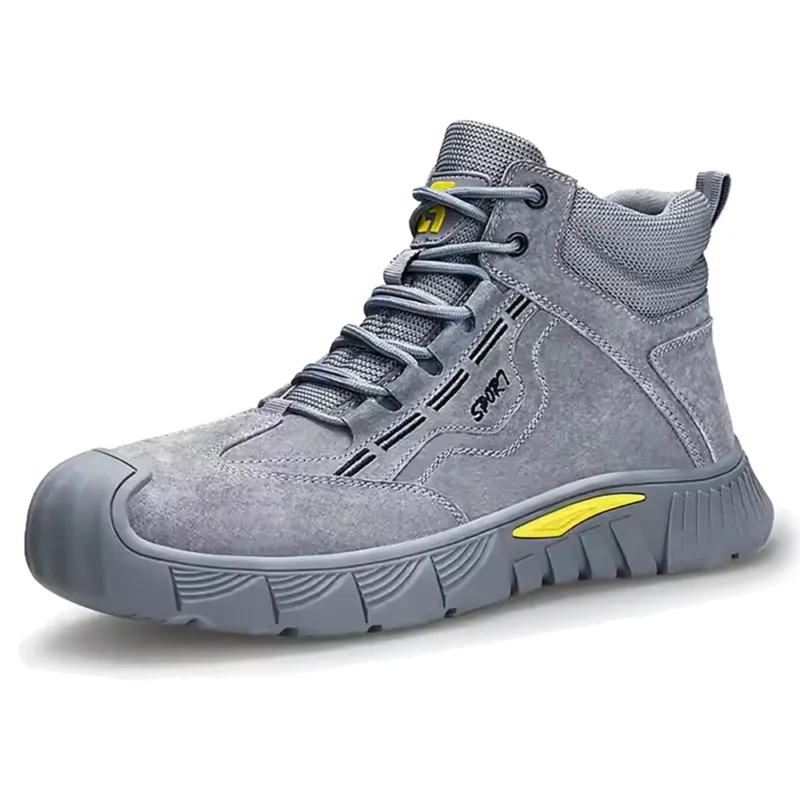
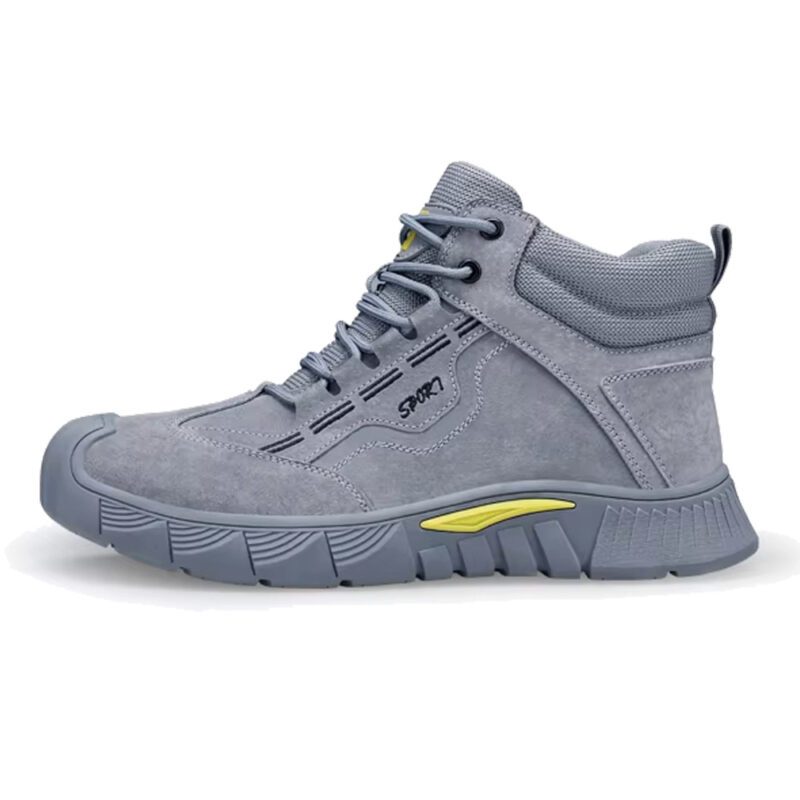
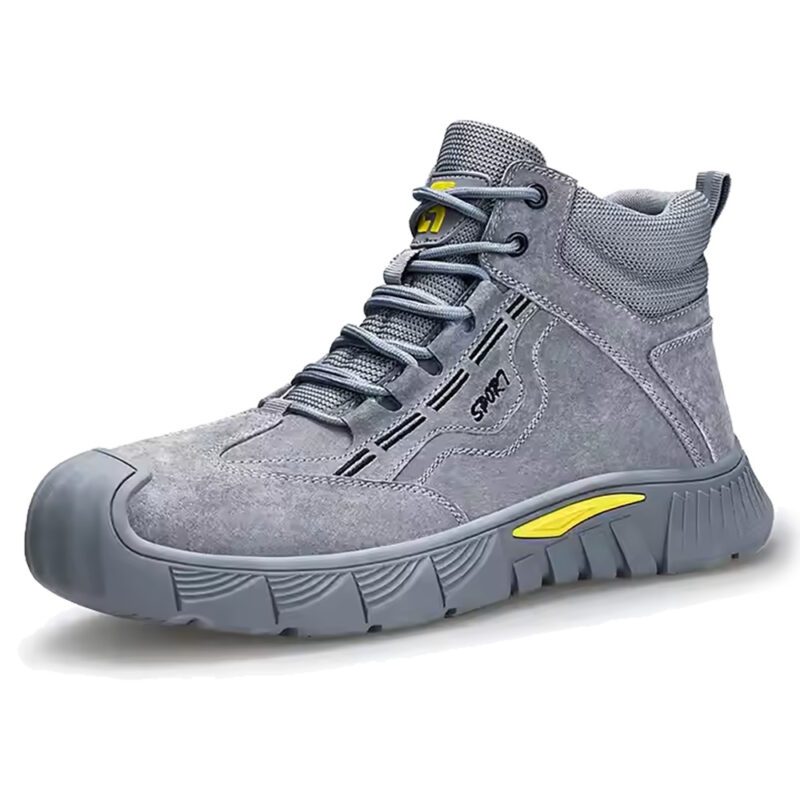
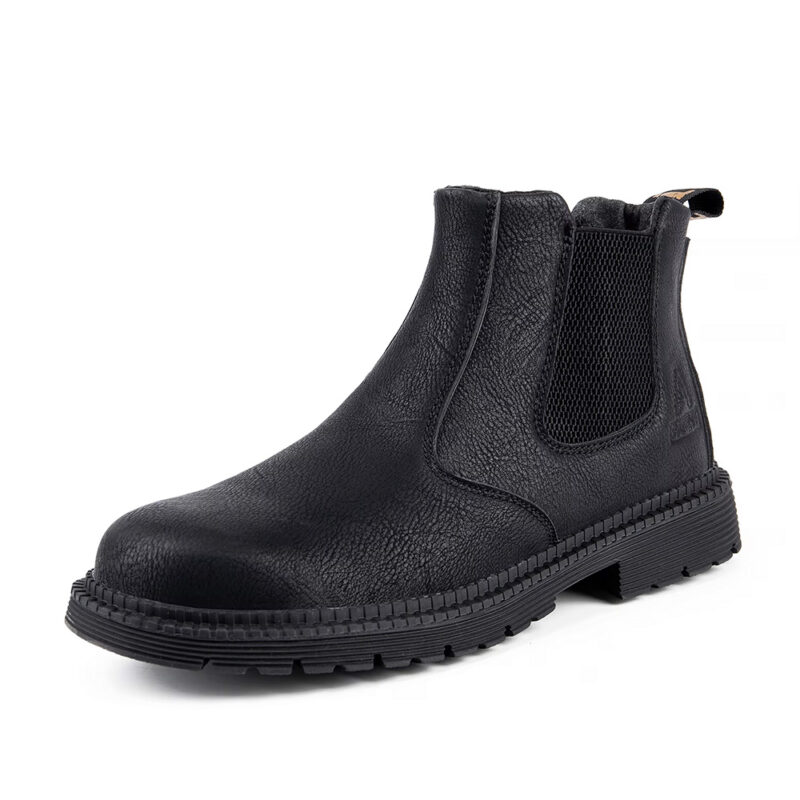
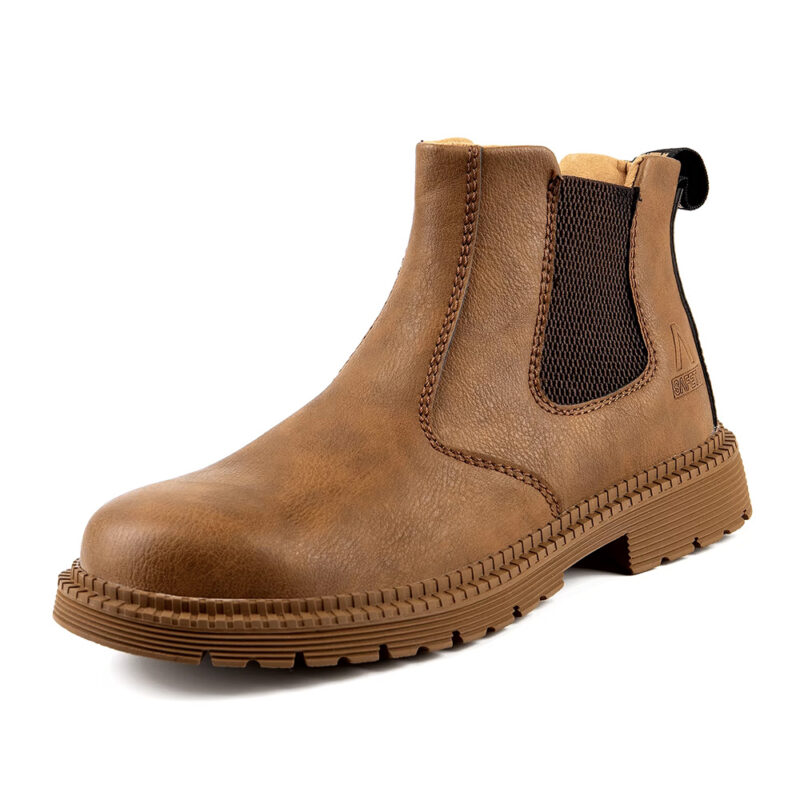
When your workday involves heavy machinery, falling objects, and unforgiving terrain, the Birks Defender Kevlar Steel Toe Safety Work Boots stand ready to protect you through it all. These boots deliver the exceptional durability, reliable protection, and all-day comfort you need to tackle any challenge and get the job done right, every single time.
The bacteria feed on dead skin cells and sweat. They produce isovaleric acid as a waste product. This acid causes the distinctive foul smell in work boots.
Work boots face additional challenges compared to regular shoes. Their construction prioritizes protection and durability over breathability. Steel toes, thick leather, and waterproof membranes all limit air circulation.
The problem worsens in certain occupations. Construction workers, warehouse employees, and outdoor laborers wear boots for 8-12 hours daily. Factory workers in hot environments accelerate bacterial growth through increased perspiration.
Historical records show boot odor plagued soldiers and workers for centuries. Military footwear manufacturers began addressing this issue in the 1940s. They introduced antimicrobial treatments and improved ventilation systems. Modern work boot technology has evolved significantly since then.
Daily Prevention Strategies
Rotate Your Work Boots
Never wear the same pair of work boots two days consecutively. Boots need 24-48 hours to dry completely between uses.
Buy at least two pairs of quality work boots. Alternate between them daily. This practice extends boot lifespan by 200-300% while preventing odor buildup.
Choose Moisture-Wicking Socks
Cotton socks absorb sweat but retain moisture against your skin. They create perfect conditions for bacterial growth.
Select socks made from these materials:
- Merino wool – Natural odor resistance and moisture management
- Synthetic blends – Polyester or nylon with moisture-wicking properties
- Bamboo fiber – Antimicrobial properties and breathability
- CoolMax fabric – Engineered for rapid moisture transfer
Change socks midday during long shifts. Pack an extra pair in your work bag or locker.
Apply Foot Powder Before Work
Foot powder absorbs excess moisture and creates an inhospitable environment for bacteria.
Apply powder directly to clean, dry feet each morning. Focus on areas between toes and on the sole. Dust a small amount inside your boots before putting them on.
Look for powders containing:
- Talc – Superior moisture absorption
- Cornstarch – Natural alternative to talc
- Baking soda – Neutralizes existing odors
- Zinc oxide – Antifungal properties
Deep Cleaning Methods for Existing Odors
Baking Soda Treatment
Baking soda neutralizes acidic odor molecules rather than masking them.
Application process:
- Remove insoles from boots
- Pour 2-3 tablespoons of baking soda into each boot
- Shake boots to distribute powder evenly
- Leave overnight (minimum 8 hours)
- Dump out powder and wipe interior with dry cloth
Repeat this process weekly for heavily used boots. The treatment costs pennies and delivers reliable results.
Freezer Method
Freezing kills odor-causing bacteria by subjecting them to temperatures below their survival threshold.
Step-by-step procedure:
- Place boots in large plastic bags
- Seal bags completely
- Put bags in freezer for 24 hours
- Remove and allow boots to return to room temperature naturally
- Wipe away any condensation
This method works best for leather and synthetic boots. Avoid freezing boots with electronic components or battery-powered features.
Vinegar Solution
White vinegar contains acetic acid at 5-8% concentration. This acid eliminates bacteria and neutralizes odors.
Cleaning instructions:
- Mix equal parts water and white vinegar
- Dampen a cloth with the solution
- Wipe down the entire interior of each boot
- Pay special attention to toe boxes and heel areas
- Air dry boots completely (24-48 hours)
Never soak boots in vinegar solution. Excessive moisture damages leather and weakens adhesives.
Activated Charcoal Sachets
Activated charcoal absorbs moisture and odor molecules through millions of microscopic pores.
Purchase commercial sachets or make your own. Fill breathable fabric pouches with activated charcoal granules. Place one sachet in each boot when not wearing them.
Replace sachets every 2-3 months for optimal performance. Reactivate charcoal by placing sachets in direct sunlight for 2-3 hours monthly.
Boot Drying Techniques
| Method | Drying Time | Cost | Effectiveness | Best For |
|---|---|---|---|---|
| Boot Dryers (Electric) | 4-6 hours | $30-$60 | Excellent | Daily use, wet conditions |
| Newspaper Stuffing | 12-24 hours | Free | Good | Occasional use, budget option |
| Fan Drying | 8-12 hours | $15-$30 | Very Good | Regular use, humid climates |
| Natural Air | 24-48 hours | Free | Fair | Light use, dry climates |
| Silica Gel Packets | 12-18 hours | $10-$20 | Good | Travel, storage |
Electric Boot Dryers
Electric boot dryers circulate warm air through boot interiors. They dry boots thoroughly without damaging materials.
Quality models feature:
- Adjustable temperature settings (90-105°F optimal)
- Timer functions for automatic shutoff
- Dual boot capacity for simultaneous drying
- Quiet operation below 50 decibels
Set up dryers in a well-ventilated area. Position boots upright on the drying tubes. Run the dryer immediately after removing boots.
Newspaper Method
Crumpled newspaper absorbs moisture effectively and costs nothing.
Proper technique:
- Remove insoles and set aside
- Crumple sheets of newspaper loosely
- Stuff boots completely with newspaper
- Replace newspaper every 4-6 hours
- Continue until boots feel completely dry
Use plain newsprint without glossy inserts. Glossy paper absorbs less moisture and may transfer ink.
When your workday involves heavy machinery, falling objects, and unforgiving terrain, the Birks Defender Kevlar Steel Toe Safety Work Boots stand ready to protect you through it all. These boots deliver the exceptional durability, reliable protection, and all-day comfort you need to tackle any challenge and get the job done right, every single time.
Insole Management
Removable insoles accumulate the most bacteria and odor. They contact your feet directly for hours daily.
Replace Standard Insoles
Factory insoles in work boots prioritize cost over performance. Replace them with antimicrobial aftermarket insoles.
Quality replacement insoles offer:
- Copper-infused materials – Natural antimicrobial properties
- Perforated surfaces – Enhanced airflow
- Moisture-wicking top layers – Keep feet drier
- Washable construction – Easy maintenance
Replace insoles every 3-6 months depending on use intensity.
Clean Insoles Weekly
Remove insoles after each shift. Wash them weekly to prevent odor buildup.
Washing procedure:
- Hand wash with mild soap and warm water
- Scrub gently with soft brush
- Rinse thoroughly
- Air dry completely (24 hours minimum)
- Never machine wash or dry insoles
Maintain backup insoles. Swap them while primary insoles dry.
Antimicrobial Sprays and Products
Commercial Boot Sprays
Antimicrobial boot sprays contain compounds that kill bacteria on contact.
Effective ingredients include:
- Tea tree oil – Natural antifungal and antibacterial
- Eucalyptus oil – Odor neutralization and bacteria control
- Zinc compounds – Long-lasting antimicrobial protection
- Silver ions – Prevents bacterial reproduction
Spray boot interiors after each use. Allow boots to dry completely before wearing. Reapply every 2-3 days for persistent odor problems.
Ultraviolet Sanitizers
UV sanitizers use ultraviolet-C light at 254 nanometer wavelength. This light destroys bacterial DNA and prevents reproduction.
Insert UV devices into boots for 15-30 minutes. The treatment eliminates 99.9% of odor-causing bacteria.
UV sanitizers cost $30-$80. They provide chemical-free sanitation and work indefinitely with minimal maintenance.
Foot Hygiene Practices
Your feet directly impact boot odor levels. Proper foot care reduces bacterial populations before they enter your boots.
Daily Washing Routine
Wash feet thoroughly every morning and evening. Use antibacterial soap on soles and between toes.
Dry feet completely before putting on socks. Pay attention to spaces between toes where moisture accumulates.
Toenail Maintenance
Keep toenails trimmed short. Long nails trap debris and bacteria. Cut nails straight across to prevent ingrown toenails.
Clean under toenails weekly with a soft brush.
Address Fungal Infections
Athlete’s foot and other fungal infections worsen boot odor significantly. They also contaminate boot interiors.
Treat infections immediately with antifungal medication. Continue treatment for the full prescribed duration even after symptoms disappear.
Disinfect boots thoroughly during and after fungal infection treatment. This prevents reinfection cycles.
Selecting Odor-Resistant Work Boots
Breathable Materials
Modern work boots incorporate breathable membranes and ventilation systems.
Look for these features:
- Mesh panels in non-critical areas
- Moisture-wicking linings like Dri-Lex or Cambrelle
- Perforated insoles for airflow
- Ventilation ports in shaft or tongue
Breathable boots reduce internal temperature by 5-10 degrees Fahrenheit. This decrease significantly limits bacterial growth.
Antimicrobial Boot Linings
Several manufacturers now integrate permanent antimicrobial treatments into boot linings.
Aegis Microbe Shield technology bonds antimicrobial compounds to fabric fibers. The treatment lasts the lifetime of the boots.
Polygiene treatment uses silver salt naturally present in soil and water. It prevents bacteria growth without harming skin or environment.
Antimicrobial linings cost $10-$30 more than standard boots. They deliver substantial odor reduction over the boot’s lifespan.
Storage Best Practices
Proper storage between shifts prevents odor development.
Store boots in well-ventilated areas. Never leave them in sealed lockers, car trunks, or plastic bags overnight.
Position boots upright to promote air circulation. Use boot trees or stuff them loosely with newspaper to maintain shape and absorb residual moisture.
Keep boots away from heat sources like radiators. Excessive heat damages leather and synthetic materials.
Store boots in low-humidity environments. Humidity above 60% encourages mold and mildew growth.
When to Replace Work Boots
Even with perfect maintenance, work boots eventually require replacement.
Replace boots when:
- Interior materials show extensive wear or deterioration
- Persistent odor remains despite all treatment methods
- Structural integrity becomes compromised
- Waterproofing fails repeatedly
- Comfort decreases significantly
Quality work boots last 6-18 months with daily use. Replace them proactively to maintain foot health and odor control.
Creating a Complete Odor Prevention System
Combine multiple strategies for maximum effectiveness.
Daily routine:
- Apply foot powder before work
- Wear moisture-wicking socks
- Remove boots immediately after work
- Insert boot dryers or sachets
- Store in ventilated area
Weekly maintenance:
- Wash insoles
- Apply antimicrobial spray
- Deep clean with baking soda or vinegar
Monthly tasks:
- Inspect boots for damage
- Reactivate charcoal sachets
- Replace worn insoles
This comprehensive approach eliminates odors and extends boot life. The time investment averages 5-10 minutes daily and 30 minutes weekly.
Consistent application of these methods keeps work boots fresh indefinitely. Your feet, coworkers, and family will appreciate the difference.
When your workday involves heavy machinery, falling objects, and unforgiving terrain, the Birks Defender Kevlar Steel Toe Safety Work Boots stand ready to protect you through it all. These boots deliver the exceptional durability, reliable protection, and all-day comfort you need to tackle any challenge and get the job done right, every single time.