What Work Boots Are Made in the USA

Why American-Made Work Boots Matter
American-made work boots offer superior quality and durability. Domestic manufacturers follow strict labor standards and use premium materials. Workers who buy these boots support local economies and American jobs.
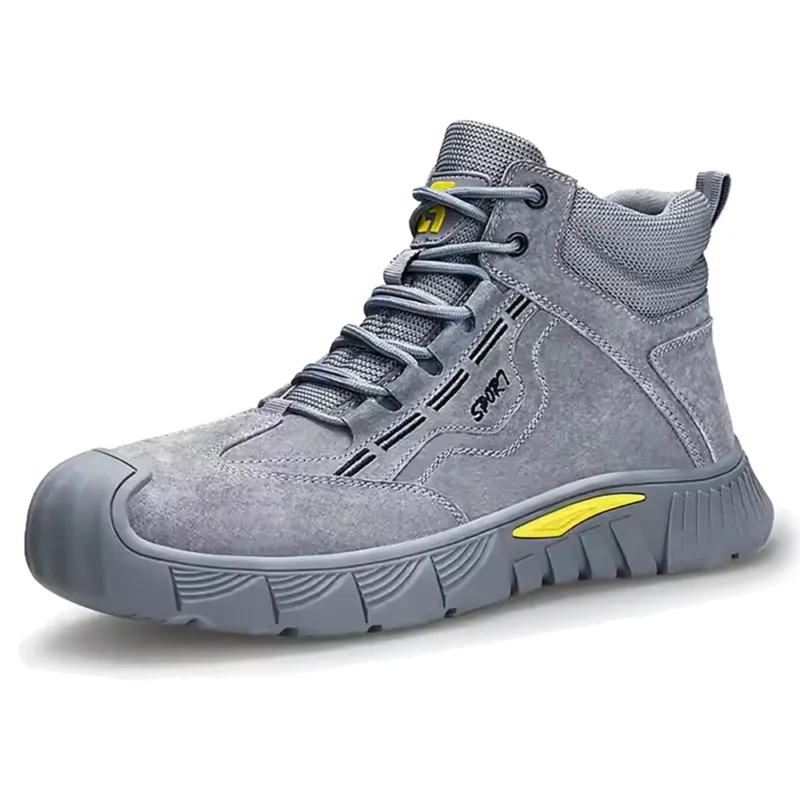
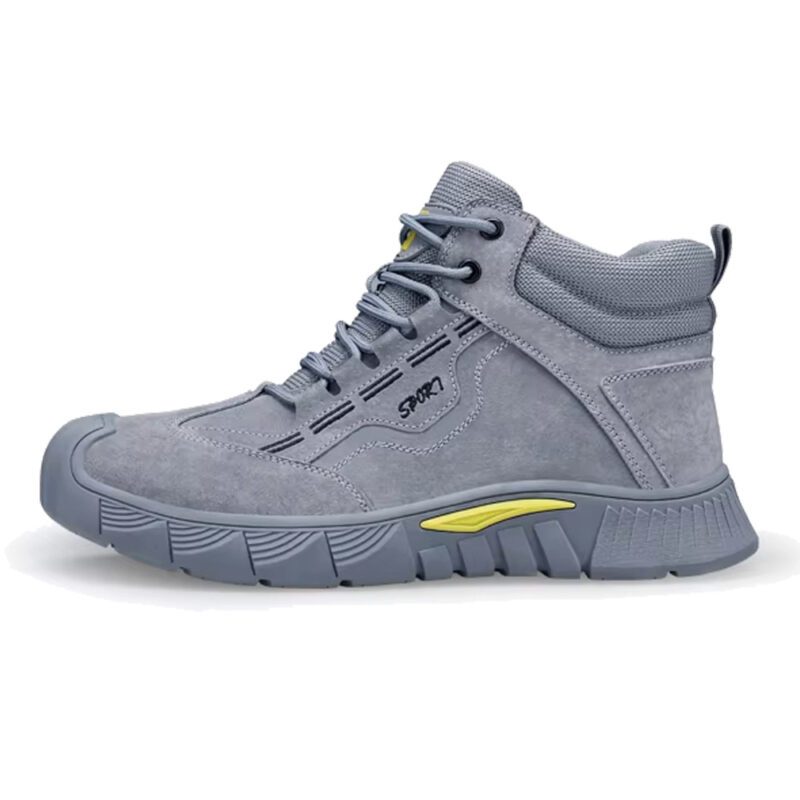
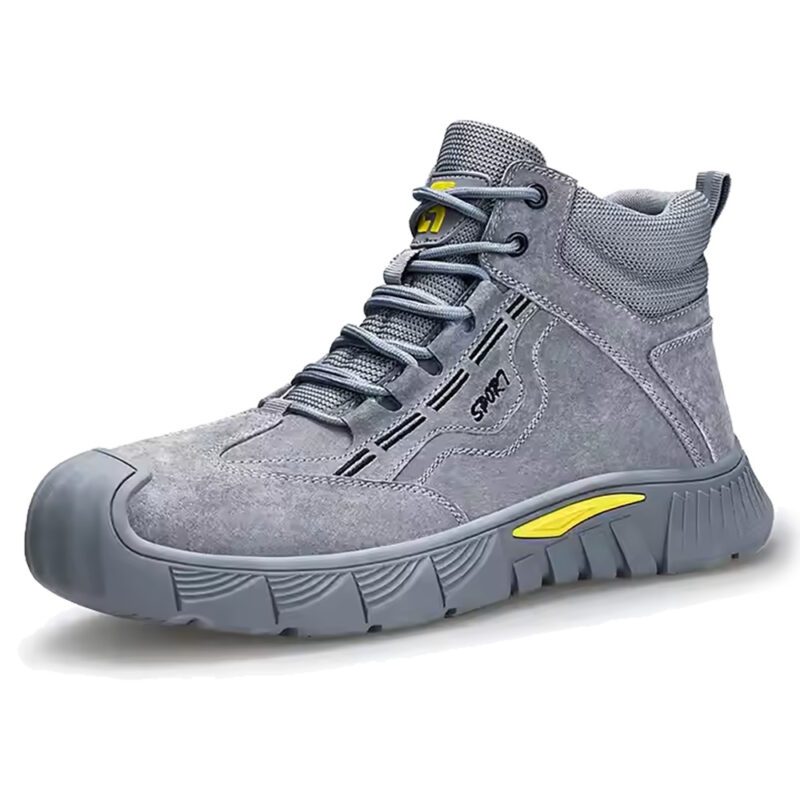
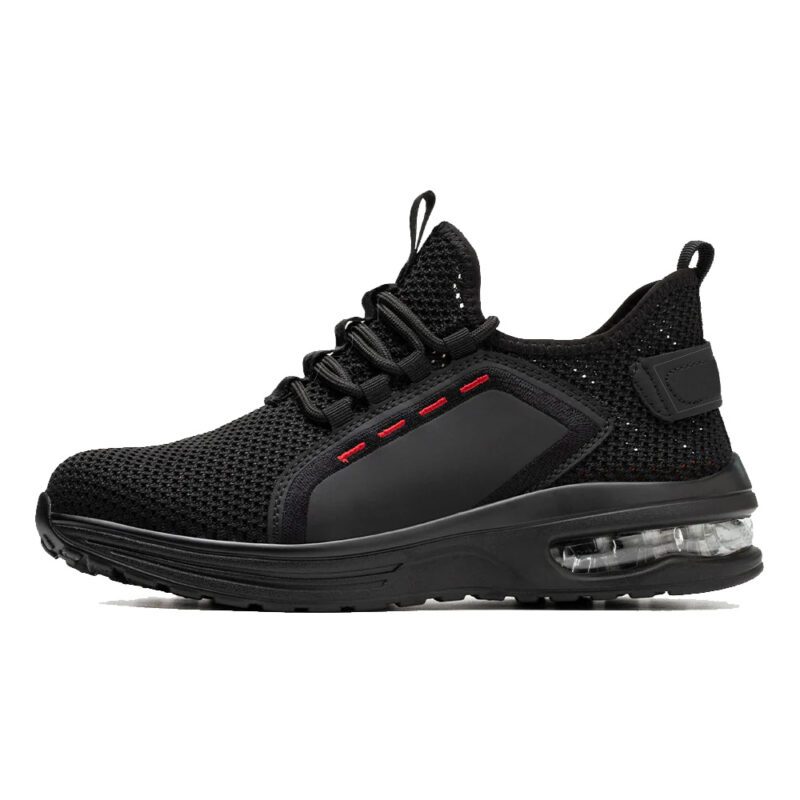
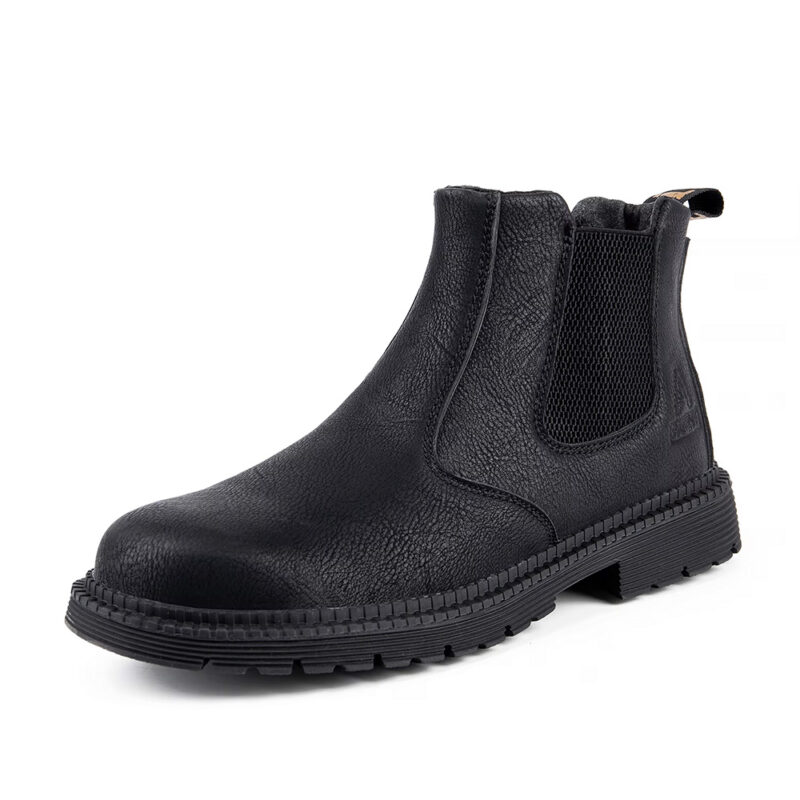
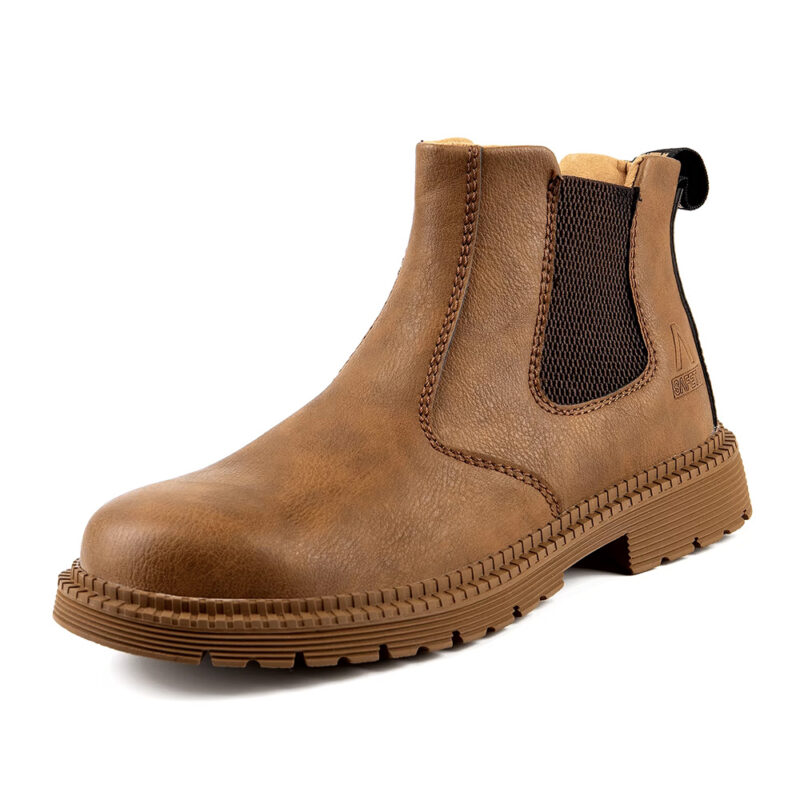
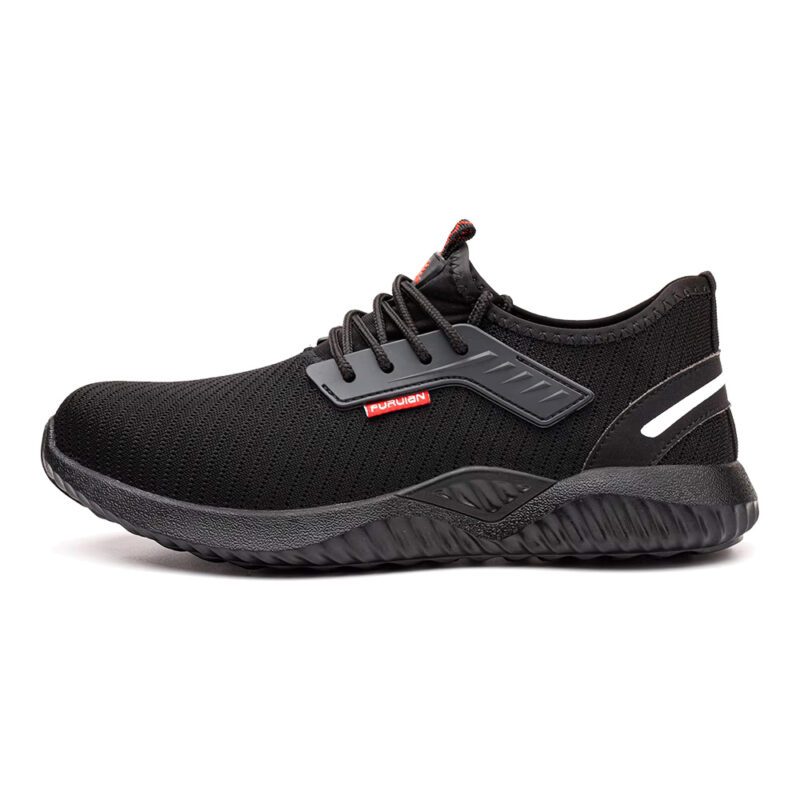
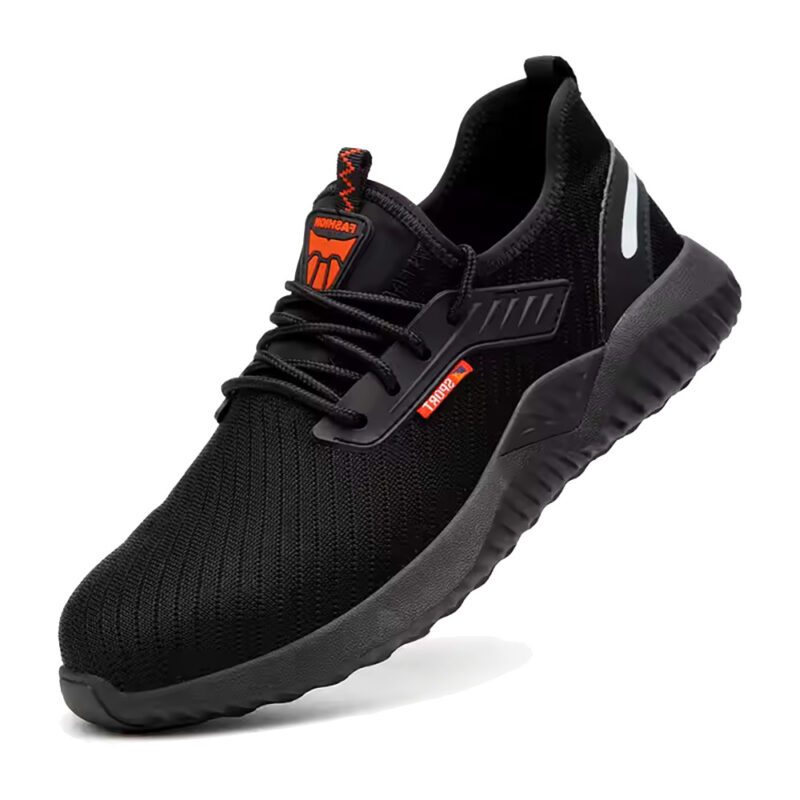
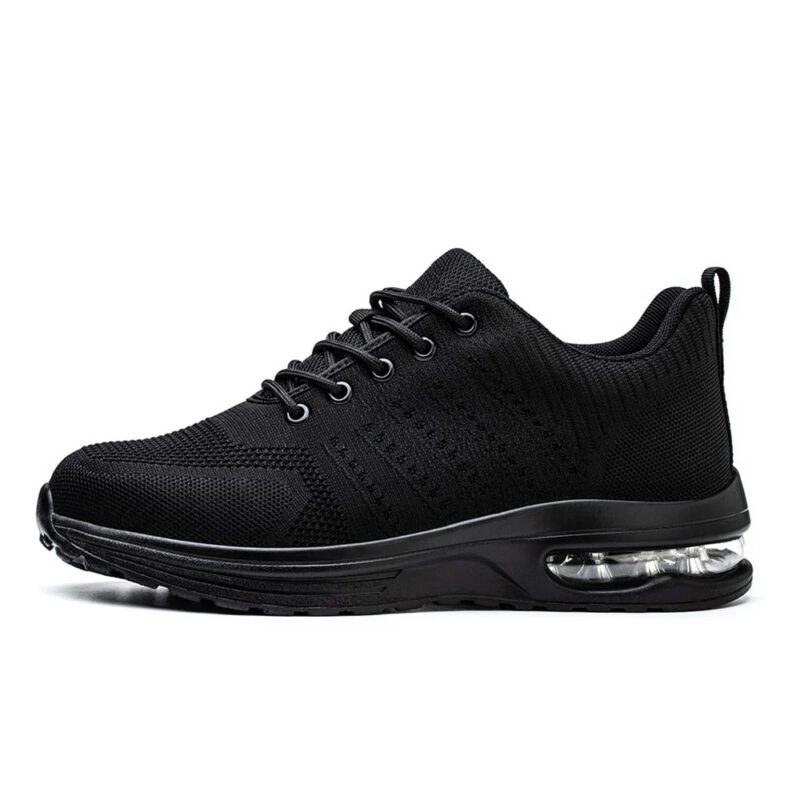
When your workday involves heavy machinery, falling objects, and unforgiving terrain, the Birks Defender Kevlar Steel Toe Safety Work Boots stand ready to protect you through it all. These boots deliver the exceptional durability, reliable protection, and all-day comfort you need to tackle any challenge and get the job done right, every single time.
The construction methods differ significantly from imported alternatives. USA factories employ skilled craftspeople with decades of experience. These workers understand leather quality, sole attachment techniques, and proper fit standards.
Goodyear welt construction remains the gold standard for American boot manufacturing. This method creates a water-resistant seal and allows for multiple resole operations. A quality American work boot can last 10-15 years with proper care.
History of American Work Boot Manufacturing
American work boot production began in the late 1800s. Industrial growth created demand for protective footwear that could withstand harsh factory conditions.
The Early Years (1880-1920)
Charles Goodyear invented vulcanized rubber in 1844. This innovation revolutionized boot sole production. By 1883, Red Wing Shoes opened in Minnesota to serve loggers and miners. The company recognized that workers needed boots that could handle extreme conditions.
Chippewa Boots started in 1901 in Wisconsin. The founders focused on logger boots with reinforced toes and thick leather uppers. These early manufacturers established quality standards that persist today.
Military Influence (1940-1970)
World War II transformed American boot manufacturing. The military needed millions of combat boots quickly. Manufacturers developed faster production methods while maintaining quality standards.
After the war, these companies applied military-grade construction to civilian work boots. Steel toe caps became standard in industrial settings. The Occupational Safety and Health Administration (OSHA) later mandated protective footwear in specific industries.
Modern Era (1980-Present)
Foreign competition increased in the 1980s. Many American companies moved production overseas to reduce costs. However, several manufacturers maintained domestic operations and focused on premium markets.
Today’s American boot makers use both traditional handcrafting and modern technology. Computer-aided design ensures consistent sizing. Advanced materials like Vibram soles and Gore-Tex membranes enhance performance.
Top American Work Boot Manufacturers
Red Wing Shoes
Red Wing operates factories in Minnesota and Missouri. The company produces over 800,000 pairs annually in the USA. Their Heritage line features traditional construction methods passed down through generations.
Key specifications:
- Goodyear welt construction
- Full-grain leather uppers
- Cork midsole for comfort
- Oil-resistant outsoles
- ASTM F2413-11 safety ratings
Thorogood Boots
Thorogood, owned by Weinbrenner Shoe Company, manufactures in Wisconsin. The company started in 1892 and maintains American production. Their boots serve electricians, construction workers, and firefighters.
Notable features:
- Union-made construction
- MAXwear Wedge outsole (slip-resistant)
- Fiberglass shank for arch support
- Composite safety toes available
- 90-day comfort guarantee
Danner Boots
Danner produces select models in Portland, Oregon. The company combines hand-cutting techniques with modern stitching equipment. Their work boots excel in logging and construction applications.
Technical details:
- Terra Force platform for stability
- Full-grain leather from premium tanneries
- Vibram outsoles with deep lugs
- Recraftable design
- Waterproof GORE-TEX linings
White’s Boots
White’s operates in Spokane, Washington. Every pair receives custom construction based on customer measurements. The company specializes in heavy-duty logger and smokejumper boots.
Construction highlights:
- Hand-lasted on custom lasts
- Triple-stitched seams
- Leather midsoles and steel shanks
- Rebuildable up to 5 times
- 10-inch to 16-inch heights available
Nicks Boots
Nicks Boots in Spokane focuses on custom work boots for extreme conditions. The company employs traditional bootmaking techniques with modern materials. Lead times extend to 16-20 weeks due to handcrafting.
Comparison of American Work Boot Brands
| Brand | Price Range | Construction Method | Warranty | Primary Use | Made in USA Models |
|---|---|---|---|---|---|
| Red Wing | $200-$400 | Goodyear Welt | 1 year | General industrial | Heritage, Iron Ranger |
| Thorogood | $180-$300 | Goodyear Welt | 90 days | Electrical, construction | Most models |
| Danner | $250-$450 | Stitchdown | 1 year | Logging, outdoor work | Quarry, Bull Run |
| White’s | $400-$700 | Hand-welt | 1 year | Heavy labor, fire | All custom models |
| Nicks | $450-$800 | Hand-welt | 1 year | Custom applications | All models |
Technical Specifications That Matter
Leather Quality
American manufacturers source leather from domestic tanneries. Full-grain leather retains the hide’s natural strength and develops a protective patina. This material resists abrasion better than corrected-grain alternatives.
Thickness matters significantly. Work boot uppers typically measure 2.8-3.2mm thick. Thicker leather provides more protection but requires longer break-in periods.
Safety Toe Options
ASTM F2413-18 standards define protective toe requirements. American work boots offer three main types:
Steel toes:
- Impact resistance: 75 pounds
- Compression resistance: 2,500 pounds
- Heaviest option but most protective
- May conduct temperature extremes
Composite toes:
- Same protection as steel
- Lighter weight by 30%
- Non-metallic (TSA-friendly)
- Better insulation properties
Alloy toes:
- Aluminum or titanium construction
- 30% lighter than steel
- Thinner profile for more toe room
- Premium price point
When your workday involves heavy machinery, falling objects, and unforgiving terrain, the Birks Defender Kevlar Steel Toe Safety Work Boots stand ready to protect you through it all. These boots deliver the exceptional durability, reliable protection, and all-day comfort you need to tackle any challenge and get the job done right, every single time.
Sole Construction Methods
Goodyear welt: A leather strip connects the upper to the insole. The outsole attaches to this welt through stitching. This method allows for resoling without compromising the boot’s structure.
Direct attach: Polyurethane or rubber bonds directly to the leather upper. This creates excellent waterproofing but prevents resoling. Many electrical hazard boots use this method.
Stitchdown: The upper leather folds outward and stitches directly to the midsole. This provides a wider, more stable platform. Danner popularized this technique for logger boots.
Shank Types
Shanks support the arch and prevent mid-sole collapse. American boots typically use:
- Steel shanks: Maximum support for heavy loads
- Fiberglass shanks: Lighter weight, non-metallic
- Nylon shanks: Flexible but less supportive
- Leather shanks: Traditional choice in custom boots
How to Select American-Made Work Boots
Step 1: Identify Your Hazards
Match boot features to workplace dangers. Electricians need electrical hazard (EH) rated boots. Construction workers require puncture-resistant plates. Welders benefit from metatarsal guards.
OSHA provides industry-specific guidelines. Review these before purchasing.
Step 2: Determine Proper Fit
American boot makers use different sizing systems. Red Wing operates retail stores with trained fitters who measure both feet. Length, width, arch height, and instep all affect comfort.
Order a half-size larger than dress shoes. Thick work socks require extra room. Your toes should not touch the boot’s front when standing.
Step 3: Consider Break-In Period
Quality leather boots require 2-4 weeks of break-in time. Start by wearing them for short periods. Leather conditioner accelerates this process and prevents cracking.
Some manufacturers offer pre-conditioned leather that reduces break-in time. This treatment adds cost but improves initial comfort.
Step 4: Evaluate Resoling Options
Goodyear welted boots accept new soles 2-3 times before the upper wears out. Resoling costs $100-150, far less than new boots. This extends the boot’s life to 15+ years.
Check if the manufacturer offers factory resoling services. Some companies provide discounted rates for their own products.
Maintenance for Maximum Lifespan
Daily Care
Remove dirt and debris after each use. A stiff brush works better than water for dried mud. Inspect stitching and soles for damage weekly.
Allow boots to dry naturally. Never place them near heaters or in direct sunlight. Rapid drying cracks leather and breaks down adhesives.
Monthly Conditioning
Apply leather conditioner once monthly for active use. Products like mink oil or boot cream replace natural oils lost during wear. Focus on flex points where creasing occurs.
Condition too frequently makes leather soft and less protective. Follow manufacturer recommendations for specific products.
Waterproofing
Reapply waterproofing treatment every 3-6 months. Silicone sprays work well for smooth leather. Wax-based products suit rough-out or nubuck finishes.
Test products on small areas first. Some treatments darken leather permanently.
Storage
Store boots in cool, dry locations. Cedar shoe trees absorb moisture and maintain shape. Stuff newspaper inside if shoe trees are unavailable.
Avoid plastic bags or containers. Leather needs air circulation to prevent mildew growth.
Cost Analysis: American vs. Imported Boots
American-made work boots cost 2-3 times more than imported alternatives initially. A quality domestic pair ranges from $200-400. Imported boots sell for $80-150.
However, lifespan calculations change this equation. American boots last 10-15 years with proper care. Imported boots typically wear out in 2-3 years.
Five-year cost comparison:
- American boots: $300 initial + $120 resoling = $420
- Imported boots: $120 × 3 pairs = $360
The gap narrows significantly. Factor in superior comfort and you justify the premium. Many workers report fewer foot problems with quality American boots.
Environmental and Economic Impact
Buying American-made boots supports approximately 5,000 domestic manufacturing jobs. These positions pay higher wages than overseas alternatives. Local production reduces shipping emissions by 60-70%.
American factories follow EPA regulations for tanning and manufacturing. Overseas facilities often lack similar environmental controls. Chromium-free tanning processes are becoming standard in USA factories.
Domestic production also enables better quality control. Manufacturers inspect each pair multiple times during construction. This reduces defect rates to less than 1%.
Final Selection Checklist
Use this checklist before purchasing:
- Verify “Made in USA” label authenticity
- Confirm ASTM safety ratings match your needs
- Check return policy and warranty terms
- Read reviews from workers in similar fields
- Measure both feet properly
- Budget for quality socks and insoles
- Plan for break-in time
- Research local repair services
American work boot manufacturers produce exceptional footwear that protects workers and lasts for years. The initial investment pays dividends through durability, comfort, and resolability. Companies like Red Wing, Thorogood, Danner, White’s, and Nicks maintain American craftsmanship traditions while incorporating modern safety features. Choose boots based on your specific workplace hazards and commit to proper maintenance. Your feet and budget will benefit from this decision.
When your workday involves heavy machinery, falling objects, and unforgiving terrain, the Birks Defender Kevlar Steel Toe Safety Work Boots stand ready to protect you through it all. These boots deliver the exceptional durability, reliable protection, and all-day comfort you need to tackle any challenge and get the job done right, every single time.