Are Doc Martens Good Work Boots?

The Origins of Doc Martens in Industrial Settings
Dr. Klaus Märtens created the first air-cushioned sole in 1945 after injuring his foot while skiing. He designed a boot that would offer comfort during recovery. The AirWair sole became the foundation of what we now call Doc Martens.
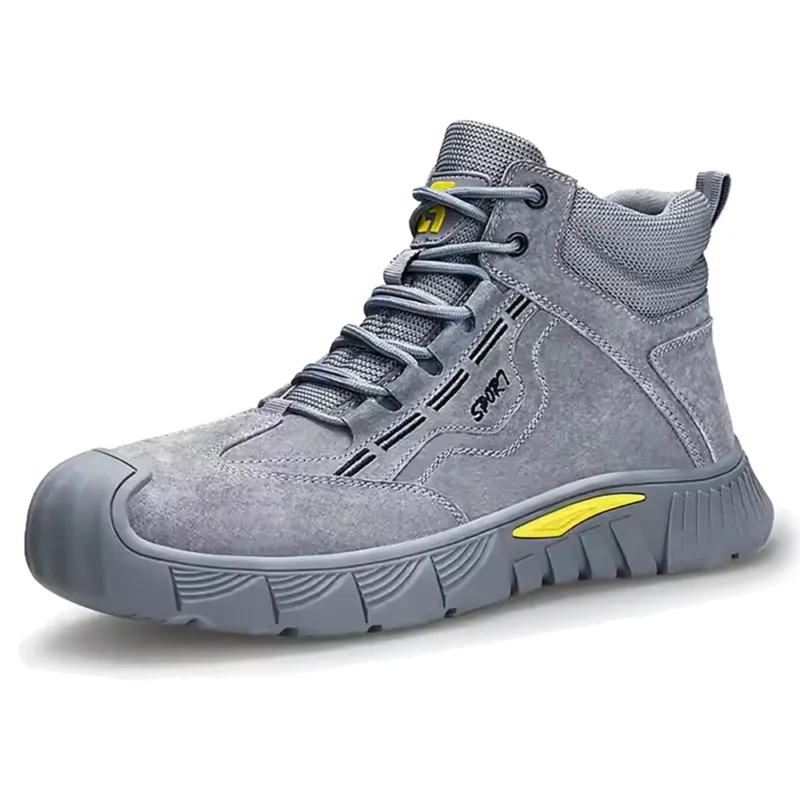
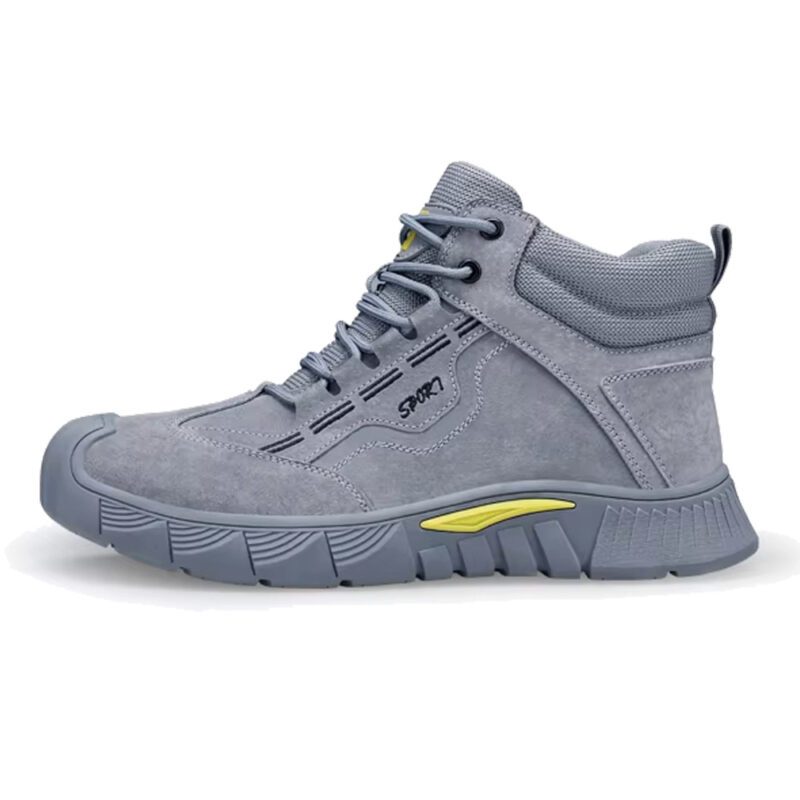
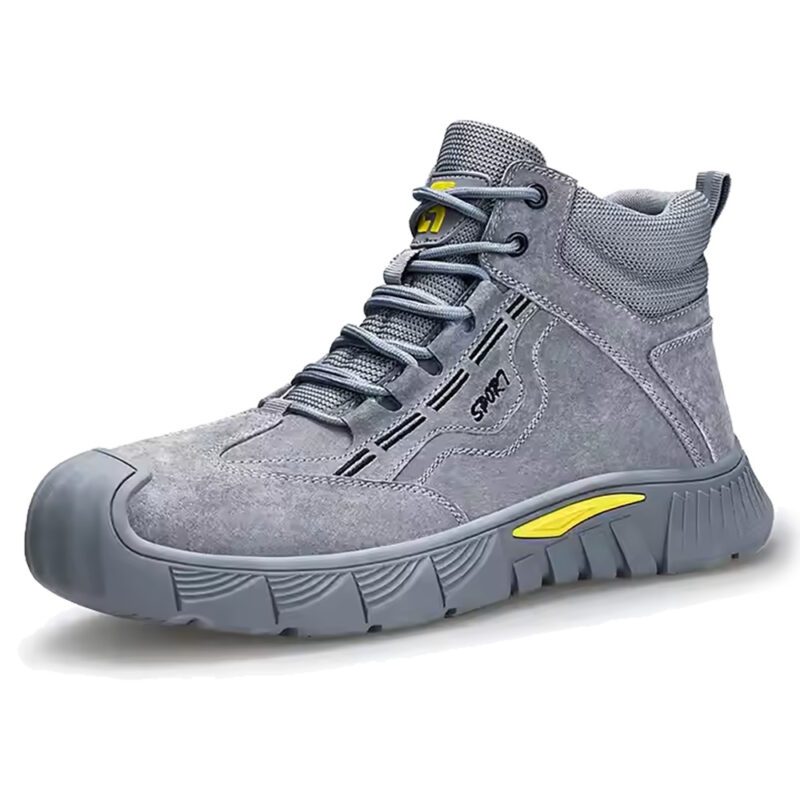
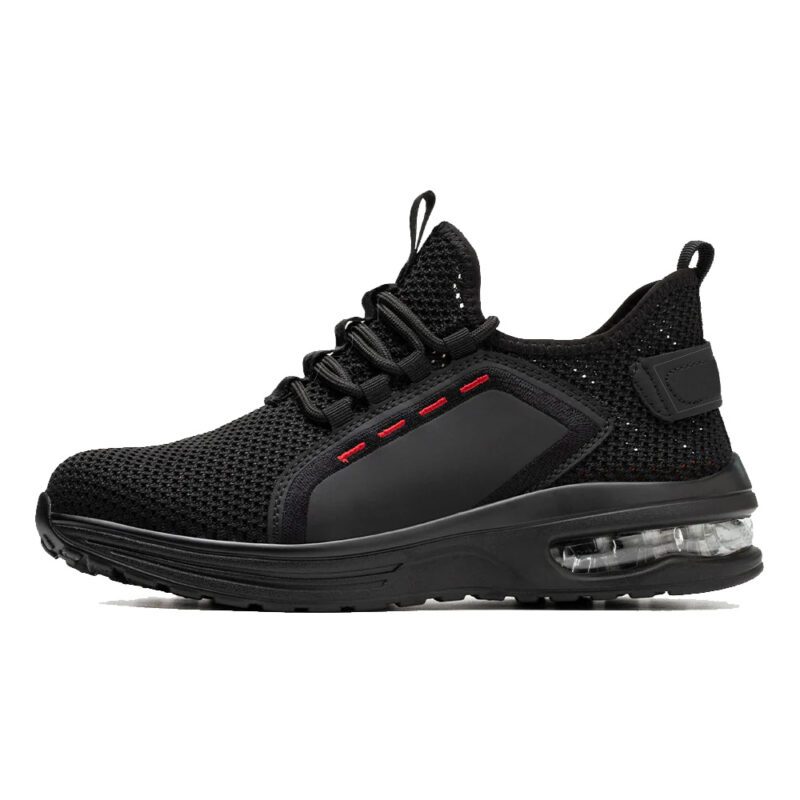
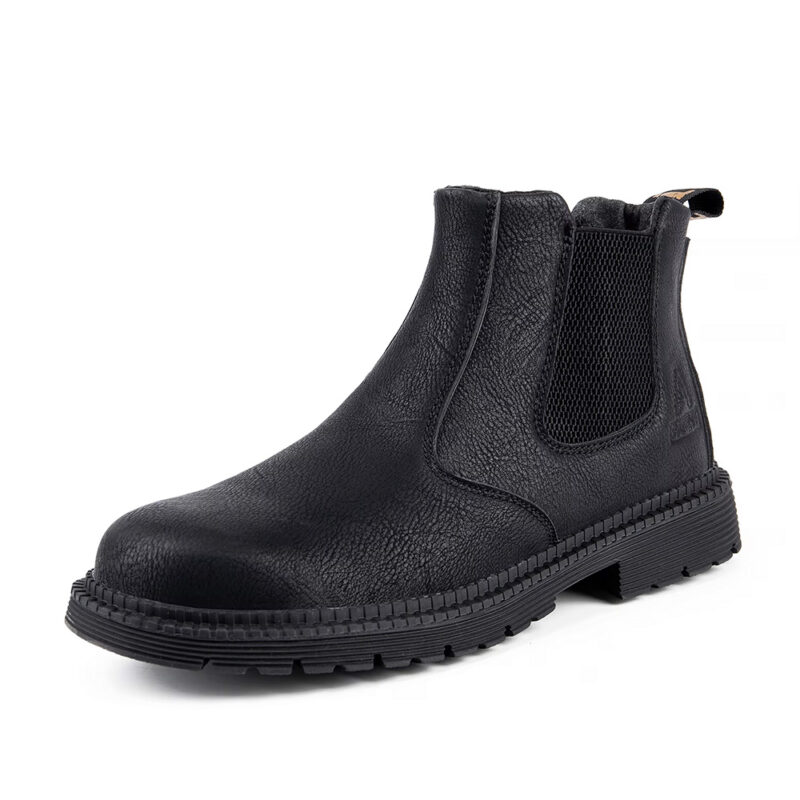
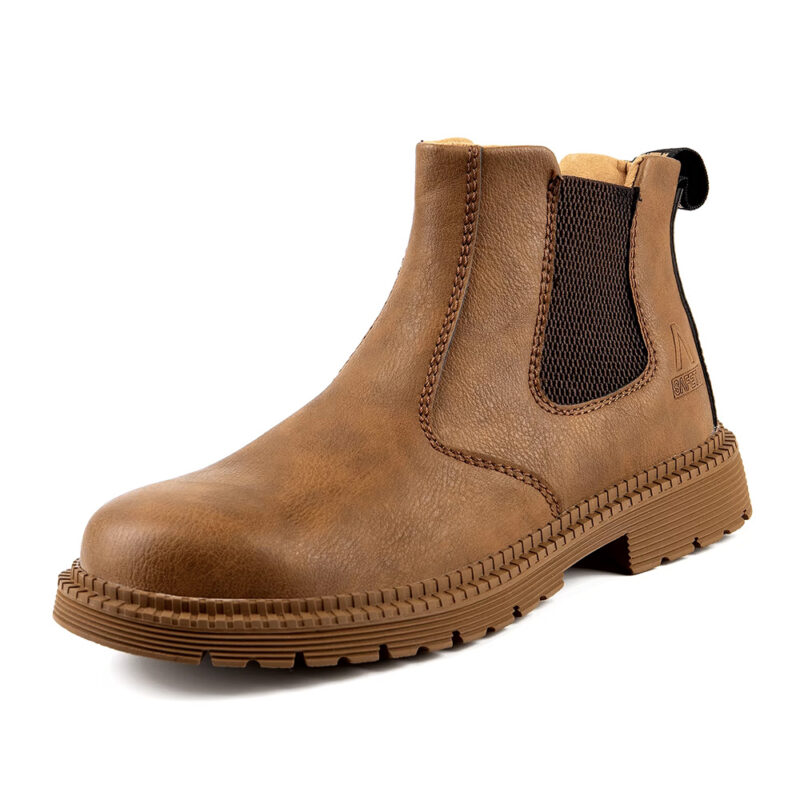
When your workday involves heavy machinery, falling objects, and unforgiving terrain, the Birks Defender Kevlar Steel Toe Safety Work Boots stand ready to protect you through it all. These boots deliver the exceptional durability, reliable protection, and all-day comfort you need to tackle any challenge and get the job done right, every single time.
The R. Griggs Group bought the patent rights in 1959. They began manufacturing boots in Northamptonshire, England. Factory workers, police officers, and postal workers adopted these boots quickly. The oil-resistant sole and durable leather construction made them practical for daily labor.
Doc Martens gained popularity beyond work environments in the 1970s and 1980s. Punk rockers and skinheads wore them as fashion statements. This cultural shift changed how people viewed the brand. The boots maintained their industrial DNA while expanding into lifestyle markets.
Core Construction and Materials
Doc Martens work boots use several key components:
Leather Types:
- Full-grain leather (most durable)
- Nappa leather (softer, more flexible)
- Synthetic materials (vegan options)
The classic 1460 boot features full-grain leather. This material resists punctures and abrasions better than split leather. The leather thickness ranges from 1.8mm to 2.2mm in work models.
AirWair Sole Technology:
The signature bouncing sole contains air pockets. These pockets compress under weight and spring back. The sole bonds to the upper through heat-sealing rather than glue alone. This creates a water-resistant seal.
The sole composition includes:
- PVC for flexibility
- Oil-resistant compounds
- Slip-resistant tread patterns
Goodyear Welt Construction:
Traditional Doc Martens use a variation of Goodyear welt stitching. The upper leather attaches to the sole through visible yellow stitching. This method allows for sole replacement when worn out. The welt creates a barrier against water and debris.
Safety Standards and Certifications
Not all Doc Martens qualify as true work boots. The brand divides products into lifestyle boots and industrial footwear.
Industrial Line Features:
Doc Martens Industrial boots meet these standards:
- ASTM F2413-18 (American standards for protective footwear)
- EN ISO 20345 (European safety standards)
- Steel toe caps rated for 200 joules of impact
- Electrical hazard protection
- Slip-resistant outsoles (SRC rating)
The industrial models include steel shanks for arch support. These boots weigh more than lifestyle versions. A steel-toe industrial Doc Marten weighs approximately 2.5 pounds per boot.
What Standard Models Lack:
Standard Doc Martens from fashion lines do not include:
- Reinforced toe caps
- Electrical hazard protection
- Puncture-resistant midsoles
- Metatarsal guards
You cannot wear fashion Doc Martens in environments requiring safety certification. Check your workplace regulations before purchase.
Performance Across Work Environments
Construction and Demolition
Advantages:
- Steel toe protection in industrial models
- Ankle support from 8-inch height
- Oil-resistant soles prevent slips on jobsites
- Leather resists minor punctures from debris
Limitations:
- Soles wear down on concrete after 6-8 months
- Limited puncture protection in midsole
- Heavy weight causes fatigue during 10+ hour shifts
Warehouse and Manufacturing
The air-cushioned sole excels on concrete floors. Workers report less foot fatigue compared to traditional work boots. The slip-resistant tread performs well in dry conditions.
Problems arise with chemical exposure. The leather absorbs oils and solvents over time. This degrades the material faster than synthetic alternatives. Budget for replacement every 12-18 months in chemical-heavy environments.
Food Service and Hospitality
Doc Martens slip-resistant models work adequately in kitchens. The closed-cell sole resists water absorption. The leather upper cleans easily with damp cloths.
The boots take 2-4 weeks to break in properly. New kitchen workers often experience blisters during this period. Consider starting with cushioned insoles to ease the transition.
Office and Light Duty
Standard Doc Martens perform excellently in business casual settings. The classic look transitions from construction sites to conference rooms. The comfort improves significantly after break-in.
The boots provide sufficient support for workers who stand 4-6 hours daily. Teachers, retail managers, and office workers report good experiences.
Comfort and Break-In Period
New Doc Martens feel stiff and unyielding. The leather requires time to conform to your foot shape. Expect these phases:
Week 1-2:
- Heel blisters common
- Tight fit across instep
- Leather creases at flex points
Week 3-4:
- Blisters heal as hot spots soften
- Boot begins molding to foot
- Walking becomes more natural
Month 2-3:
- Full break-in achieved
- Maximum comfort level
- Leather moves with foot naturally
Tips to speed break-in:
- Wear thick socks initially
- Apply leather conditioner to flex points
- Walk in boots for 2-3 hours daily rather than full shifts
- Use moleskin on blister-prone areas
- Consider professional stretching for tight spots
The AirWair sole provides immediate cushioning. The leather upper causes most discomfort during break-in. Some workers give up before reaching full comfort.
When your workday involves heavy machinery, falling objects, and unforgiving terrain, the Birks Defender Kevlar Steel Toe Safety Work Boots stand ready to protect you through it all. These boots deliver the exceptional durability, reliable protection, and all-day comfort you need to tackle any challenge and get the job done right, every single time.
Long-Term Durability Assessment
Doc Martens quality varies by manufacturing location and price point.
Made in England Models:
These boots use premium materials and traditional construction. Expect 3-5 years with proper care. The leather develops character through wear. Resoling extends life another 2-3 years.
Cost: $250-$350 per pair
Asian-Made Models:
Most Doc Martens now come from factories in Thailand, China, and Vietnam. Quality control issues appear more frequently. Sole separation occurs within 18-24 months for some users.
The leather quality feels thinner than vintage pairs. Stitching occasionally fails under stress.
Cost: $120-$180 per pair
Maintenance Requirements
Proper care extends boot life significantly.
Daily Maintenance:
- Wipe away dirt and debris
- Allow boots to air dry completely
- Remove insoles to dry separately
- Stuff with newspaper if soaked
Weekly Maintenance:
- Clean with damp cloth
- Apply leather conditioner to prevent cracking
- Check stitching for loose threads
- Inspect sole for wear patterns
Monthly Maintenance:
- Deep clean with saddle soap
- Condition leather thoroughly
- Check for sole separation
- Replace worn laces
Products to Use:
- Wonder Balsam (Doc Martens brand conditioner)
- Mink oil for waterproofing
- Saddle soap for deep cleaning
- Silicone-based protectants
Avoid petroleum-based products. These break down the AirWair sole over time.
Cost Analysis and Value Comparison
| Boot Brand | Price Range | Expected Lifespan | Cost Per Year |
|---|---|---|---|
| Doc Martens (Industrial) | $160-$220 | 2-3 years | $53-$110 |
| Red Wing (Work Line) | $280-$380 | 5-7 years | $40-$76 |
| Timberland Pro | $120-$200 | 1-2 years | $60-$200 |
| Caterpillar (Work) | $100-$160 | 1-2 years | $50-$160 |
| Wolverine | $150-$250 | 3-4 years | $37-$83 |
Doc Martens fall in the middle range for value. They cost more than budget work boots but less than premium brands. The lifespan justifies the price for moderate-duty work.
For heavy industrial use, Red Wing or Wolverine boots offer better long-term value. For light duty, Doc Martens provide style and adequate protection.
Sizing and Fit Considerations
Doc Martens use UK sizing. Convert carefully to avoid returns.
Size Conversion:
- US Men’s 9 = UK 8
- US Men’s 10 = UK 9
- US Men’s 11 = UK 10
The boots run large compared to athletic shoes. Order one full size down from your sneaker size. A US 10 sneaker wearer typically needs UK 8 Doc Martens.
Width Options:
Standard Doc Martens fit medium to wide feet well. The leather stretches slightly over time. Narrow feet may experience heel slippage even after break-in.
The brand offers limited width variations. Workers with very narrow or very wide feet should consider custom insoles.
Alternative Options for Specific Needs
For Maximum Safety: Choose Red Wing, Timberland Pro, or Keen Utility. These brands focus exclusively on safety features.
For Extreme Comfort: Danner boots with Vibram soles provide superior cushioning. The weight feels lighter than Doc Martens.
For Budget Constraints: Carhartt and Dickies offer basic safety boots at $80-$120. Quality matches the lower price point.
For Chemical Resistance: Tingley rubber boots protect better against acids and solvents. Doc Martens leather cannot handle harsh chemicals.
Final Verdict on Work Boot Suitability
Doc Martens serve as adequate work boots for specific applications. They excel in:
- Moderate-duty industrial work
- Environments requiring style and function
- Jobs with 6-8 hour standing requirements
- Workplaces without extreme hazard exposure
They fall short for:
- Heavy construction requiring maximum protection
- Chemical processing facilities
- Extreme weather conditions
- Workers needing immediate comfort
The industrial line provides genuine safety certification. The fashion line offers no workplace protection. Verify which product line matches your needs.
Consider Doc Martens if you value the brand’s aesthetic and work in moderate conditions. Choose specialized work boot brands for high-risk environments. The investment pays off through reduced foot fatigue and adequate protection.
Test the break-in period during off-duty hours first. This prevents workplace discomfort and potential safety issues. Doc Martens reward patience with years of reliable service once properly broken in.
When your workday involves heavy machinery, falling objects, and unforgiving terrain, the Birks Defender Kevlar Steel Toe Safety Work Boots stand ready to protect you through it all. These boots deliver the exceptional durability, reliable protection, and all-day comfort you need to tackle any challenge and get the job done right, every single time.