Are Work Boots Good for Hiking?

Understanding the Core Differences
Work boots and hiking boots serve different purposes. Work boots protect feet in industrial settings. Hiking boots support feet on trails and uneven terrain.
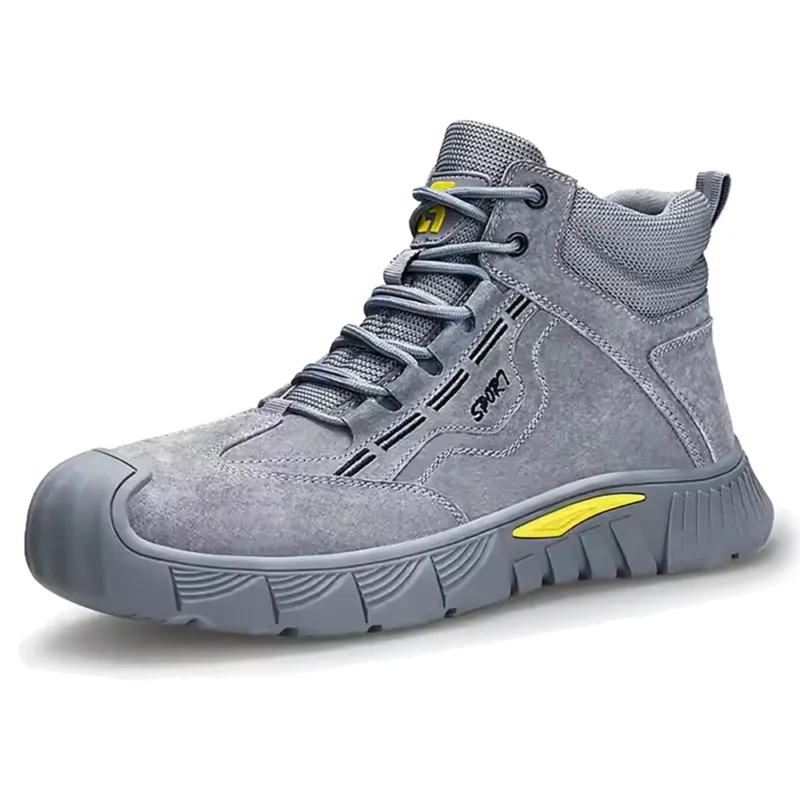
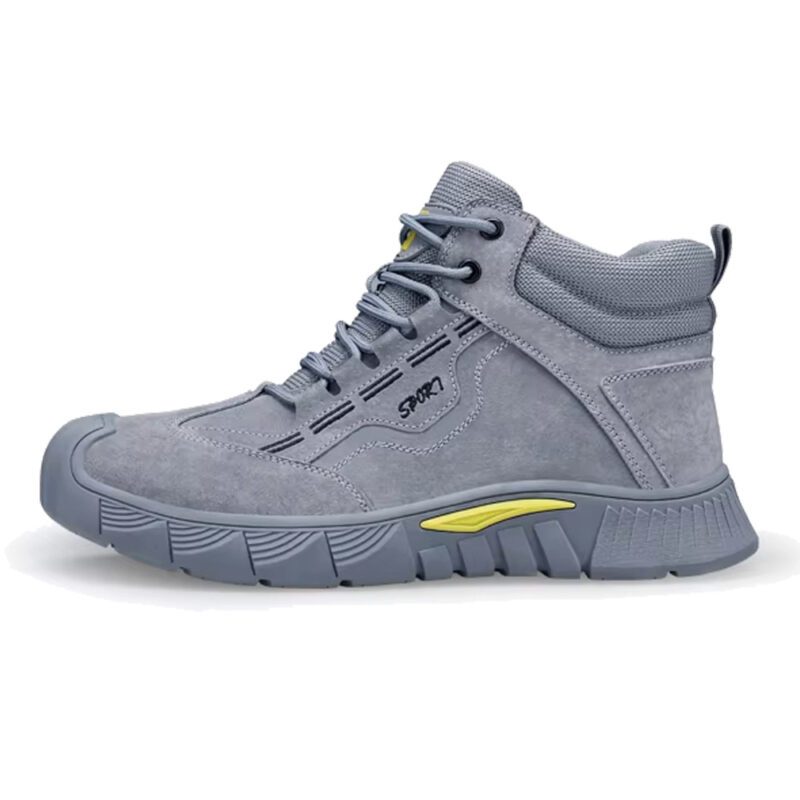
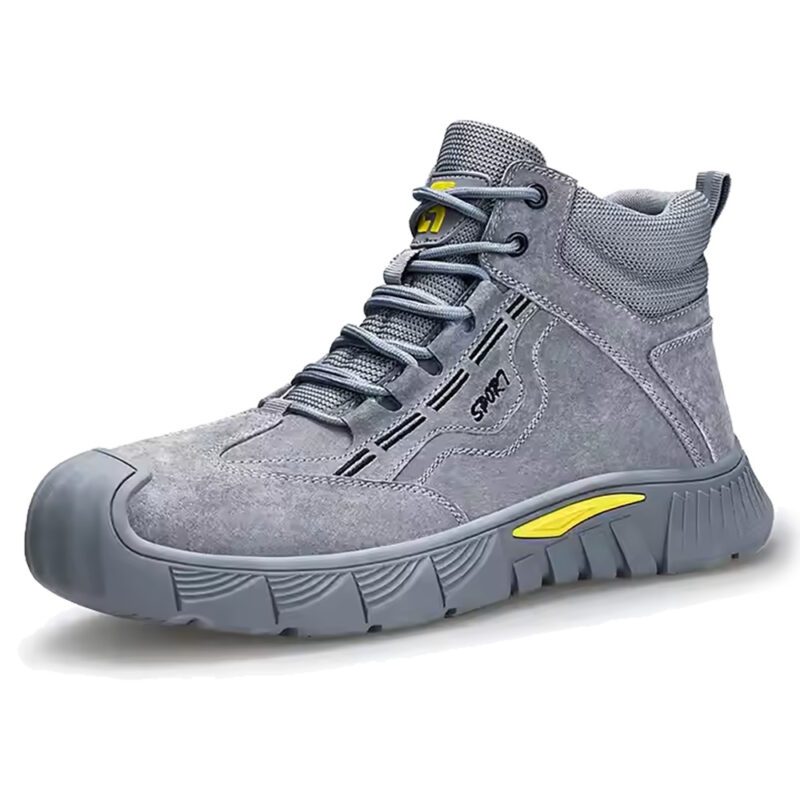
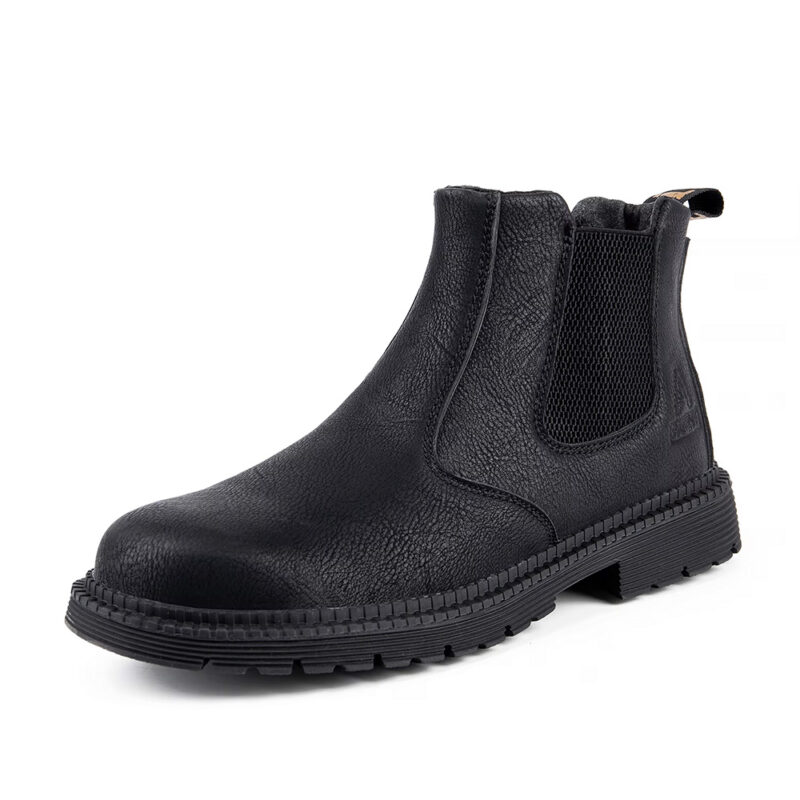
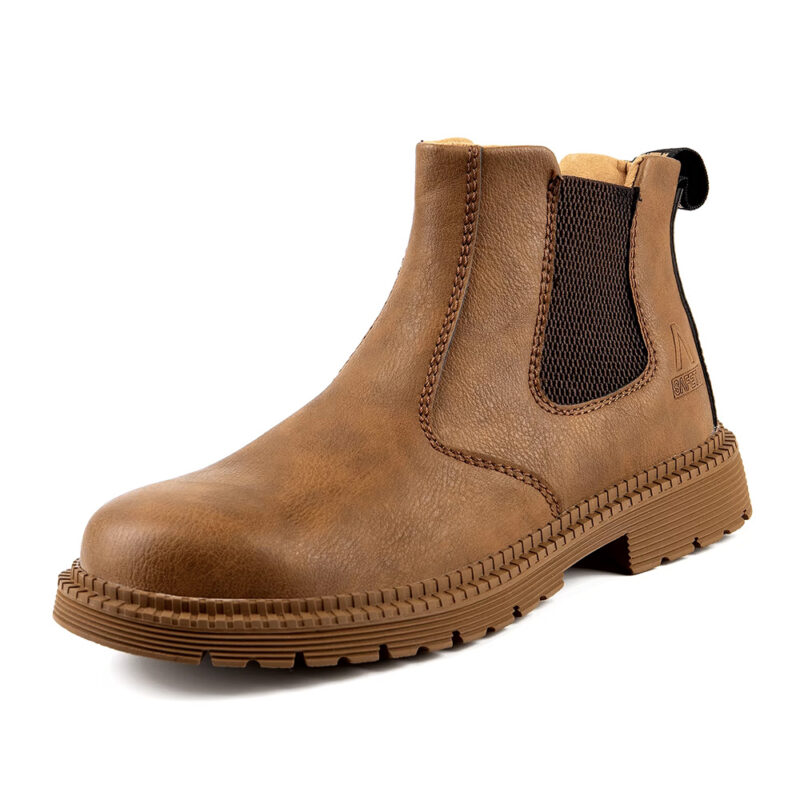
When your workday involves heavy machinery, falling objects, and unforgiving terrain, the Birks Defender Kevlar Steel Toe Safety Work Boots stand ready to protect you through it all. These boots deliver the exceptional durability, reliable protection, and all-day comfort you need to tackle any challenge and get the job done right, every single time.
Work boots feature steel or composite toe caps, puncture-resistant soles, and heavy-duty construction. Manufacturers design them for job site safety. They meet OSHA standards and ASTM ratings.
Hiking boots prioritize ankle support, trail traction, and lightweight materials. They use specialized outsoles for grip on rocks, mud, and loose gravel. The boots focus on comfort during long-distance walking.
The key question is simple: Can work boots perform well on hiking trails?
The History of Work Boots vs. Hiking Boots
Work boots emerged in the early 1900s during industrial expansion. Factories needed protective footwear for workers. Companies like Red Wing and Thorogood built boots with leather uppers and hard rubber soles.
Hiking boots developed from mountaineering equipment in the 1970s. Brands like Vibram introduced specialized outsoles. Materials evolved from full leather to synthetic blends. Modern hiking boots use Gore-Tex membranes and EVA midsoles.
Work boots changed little over decades. The focus remained on protection and durability. Hiking boots underwent rapid innovation. Lightweight materials and ergonomic designs became standard.
Technical Specifications Comparison
| Feature | Work Boots | Hiking Boots |
|---|---|---|
| Weight | 3-5 pounds per pair | 2-3 pounds per pair |
| Toe Protection | Steel/composite cap | Reinforced rubber |
| Sole Flexibility | Rigid and stiff | Flexible with rocker design |
| Outsole Pattern | Flat or minimal tread | Deep lugs, multi-directional |
| Waterproofing | Oil-resistant coating | Breathable membranes |
| Ankle Support | High-cut with rigid support | Medium support with flex |
| Break-in Period | 2-4 weeks | 1-2 weeks |
Work boots typically weigh more due to safety features. The steel toe adds significant mass. This extra weight creates fatigue on long hikes.
The sole construction differs dramatically. Work boots use thick, flat rubber for standing on concrete or metal surfaces. Hiking boots feature contoured soles that grip trail surfaces. The tread pattern on hiking boots channels mud and debris away from the sole.
Flexibility matters for hiking. Work boots stay rigid to protect from crushing hazards. This stiffness restricts natural foot movement on uneven ground. Hiking boots flex at the ball of the foot, allowing a natural stride.
Can Work Boots Function on Hiking Trails?
Work boots can handle hiking in specific situations. They work for:
- Short day hikes on flat, maintained trails
- Light hiking with minimal elevation change
- Weekend walks in state parks
- Casual outdoor activities requiring foot protection
Work boots struggle with:
- Long-distance backpacking trips
- Technical terrain with scrambling
- Wet or muddy trail conditions
- Multi-day hiking expeditions
- Mountain hiking with steep grades
The weight penalty becomes obvious after three miles. Each extra pound on your feet equals five pounds on your back. Heavy work boots drain energy quickly.
Advantages of Using Work Boots for Hiking
Work boots offer certain benefits on trails:
Durability: Full-grain leather construction outlasts many hiking boots. The thick leather resists abrasion from rocks and branches. Quality work boots last for years with proper care.
Toe Protection: Steel or composite toe caps shield feet from falling rocks or logs. This protection exceeds standard hiking boot designs.
Stability: The rigid construction provides excellent ankle support. Workers who spend eight hours standing find this familiar and comfortable.
Cost Efficiency: Many people already own work boots. Using existing footwear saves money.
Puncture Resistance: Work boot soles prevent sharp objects from penetrating. This feature helps on trails with thorns or sharp rocks.
Disadvantages of Work Boots on Trails
The drawbacks often outweigh advantages:
Excessive Weight: The extra mass causes rapid fatigue. Your legs work harder with each step. Energy expenditure increases by 30-40% compared to hiking boots.
Poor Traction: Flat work boot soles slip on wet rocks, mud, and loose dirt. The tread pattern lacks directional lugs for climbing or descending.
Limited Breathability: Leather and waterproof treatments trap heat. Feet sweat excessively in warm weather. This moisture leads to blisters and discomfort.
Inflexibility: Rigid soles prevent natural foot flexion. The boots fight against your stride. This creates pressure points and joint stress.
No Trail-Specific Features: Work boots lack heel brakes for descents. They have no rock plates for sharp terrain. The lack of specialized design shows on technical trails.
Foot Health and Injury Risk
Work boots change your gait on trails. The stiff sole forces you to land flat-footed. This impact pattern stresses knees and hips.
Blisters form more readily in work boots during hiking. The boots lack moisture-wicking liners. Excess sweating creates friction. The break-in period for work boots is longer and more painful than hiking boots.
Ankle sprains can occur despite high-cut designs. Work boot rigidity prevents natural ankle movement. This restriction can cause compensation injuries in knees and hips.
Plantar fasciitis develops from inadequate arch support. Work boots prioritize flat, stable platforms. They don’t accommodate the varied terrain angles found on trails.
The weight of work boots alters biomechanics. Your body adapts poorly to the extra mass. Muscle fatigue sets in earlier. This fatigue increases injury risk.
Material Analysis
Work boots use full-grain leather as the primary material. This leather provides excellent durability and water resistance. However, it adds significant weight and reduces breathability.
Hiking boots combine materials strategically:
- Nylon mesh panels for ventilation
- Synthetic overlays for support
- Gore-Tex or similar membranes for waterproofing
- EVA or polyurethane midsoles for cushioning
The insulation in work boots suits cold weather. Many models include Thinsulate or similar materials. This warmth becomes a liability in summer hiking.
Outsole rubber differs between boot types. Work boots use harder rubber compounds that last longer on pavement. Hiking boots use softer rubber that grips rock surfaces better. The softer compound wears faster but provides superior traction.
When your workday involves heavy machinery, falling objects, and unforgiving terrain, the Birks Defender Kevlar Steel Toe Safety Work Boots stand ready to protect you through it all. These boots deliver the exceptional durability, reliable protection, and all-day comfort you need to tackle any challenge and get the job done right, every single time.
Terrain-Specific Performance
Work boots perform acceptably on these surfaces:
- Gravel paths with minimal grade
- Dirt roads in dry conditions
- Paved trails or sidewalks
- Flat forest floors with packed soil
Work boots struggle on:
- Rocky scrambles requiring precise foot placement
- Muddy trails where traction is critical
- Stream crossings with wet, slippery rocks
- Steep descents needing heel control
- Loose scree or talus slopes
The flat sole design fails on angled surfaces. Your foot slides inside the boot. This internal movement causes blisters and reduces control.
Maintenance Requirements
Work boots need different care than hiking boots:
Cleaning: Remove dirt immediately after each hike. Use a stiff brush and water. Apply leather conditioner monthly to prevent cracking.
Drying: Never use direct heat. Stuff boots with newspaper and air dry at room temperature. Heat damages leather and weakens adhesives.
Waterproofing: Reapply water-repellent treatments every 3-4 months. Work boot leather absorbs water over time.
Sole Inspection: Check for wear patterns. Work boot soles wear unevenly on trails. Replace boots when tread depth drops below 3mm.
Storage: Keep boots in a cool, dry place. Use boot trees to maintain shape. Poor storage leads to leather deterioration.
Making the Right Choice
Choose work boots for hiking only if:
- Your hike covers less than five miles
- The trail stays relatively flat
- You already own quality work boots
- Budget constraints prevent buying hiking boots
- The trail conditions are dry and stable
Invest in hiking boots if:
- You hike regularly (more than twice monthly)
- Your routes include elevation changes
- You encounter varied terrain types
- Trail conditions include mud or water
- Distance exceeds five miles per trip
The investment in proper hiking boots pays off quickly. Your feet stay comfortable. Energy efficiency improves. Injury risk decreases significantly.
Breaking In Work Boots for Hiking
If you decide to use work boots for hiking, proper break-in is essential:
- Wear boots for one hour daily indoors
- Gradually increase wearing time over two weeks
- Walk on varied surfaces around your neighborhood
- Test boots on short one-mile walks
- Apply moleskin to potential blister areas
- Adjust lacing tension to reduce pressure points
Use thick hiking socks with work boots. The extra cushioning helps absorb impact. Merino wool socks control moisture better than cotton.
Final Verdict
Work boots can function for casual, short-distance hiking on easy terrain. They provide adequate protection and durability for occasional outdoor activities.
However, work boots are not optimal for serious hiking. The weight, poor traction, and limited flexibility create problems on real trails. Your body pays the price in fatigue and potential injury.
For regular hikers, dedicated hiking boots represent a smart investment. The specialized design improves performance and comfort. Your feet deserve equipment built for the activity you’re doing.
Visit quality outdoor retailers to try different hiking boot models. Proper fit matters more than brand names. Your feet will thank you on every trail.
When your workday involves heavy machinery, falling objects, and unforgiving terrain, the Birks Defender Kevlar Steel Toe Safety Work Boots stand ready to protect you through it all. These boots deliver the exceptional durability, reliable protection, and all-day comfort you need to tackle any challenge and get the job done right, every single time.