What Are the Best Work Boot Insoles?

Understanding Work Boot Insoles
Work boot insoles serve a critical function. They provide cushioning, support, and shock absorption during long work shifts. The right insole reduces foot fatigue, prevents injury, and improves comfort.
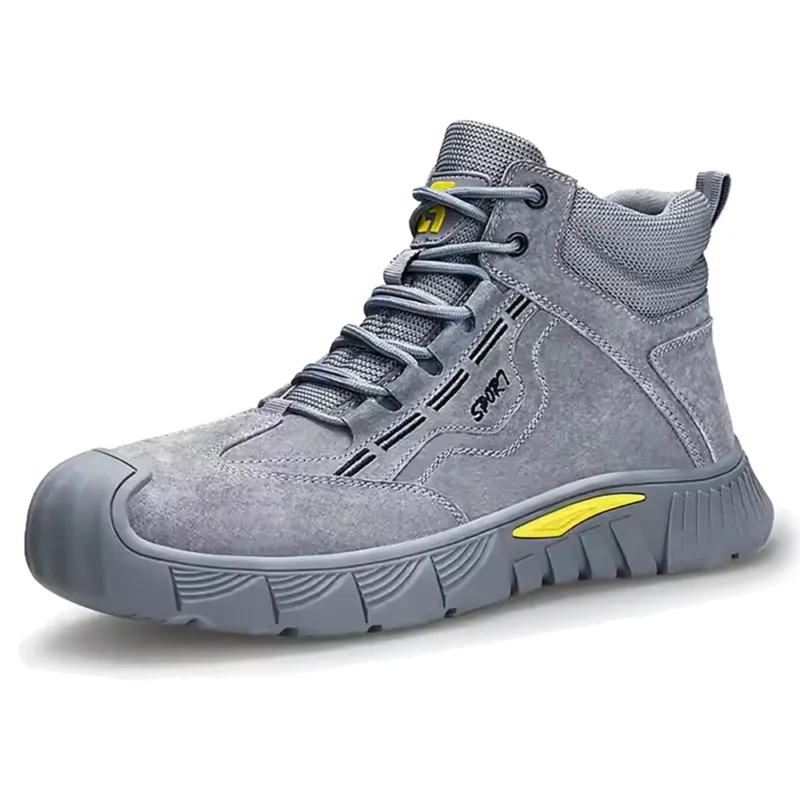
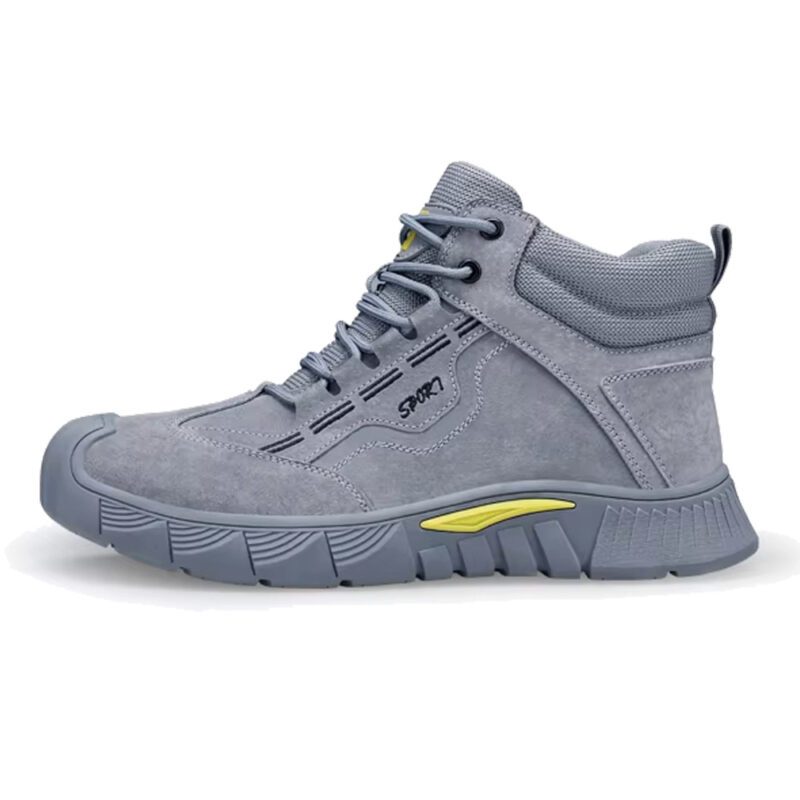
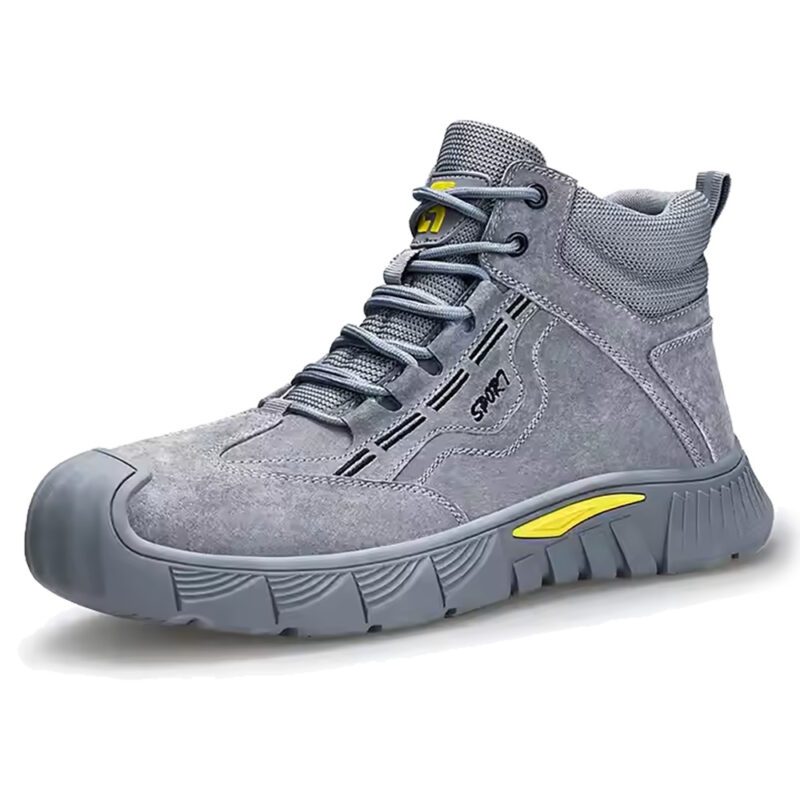
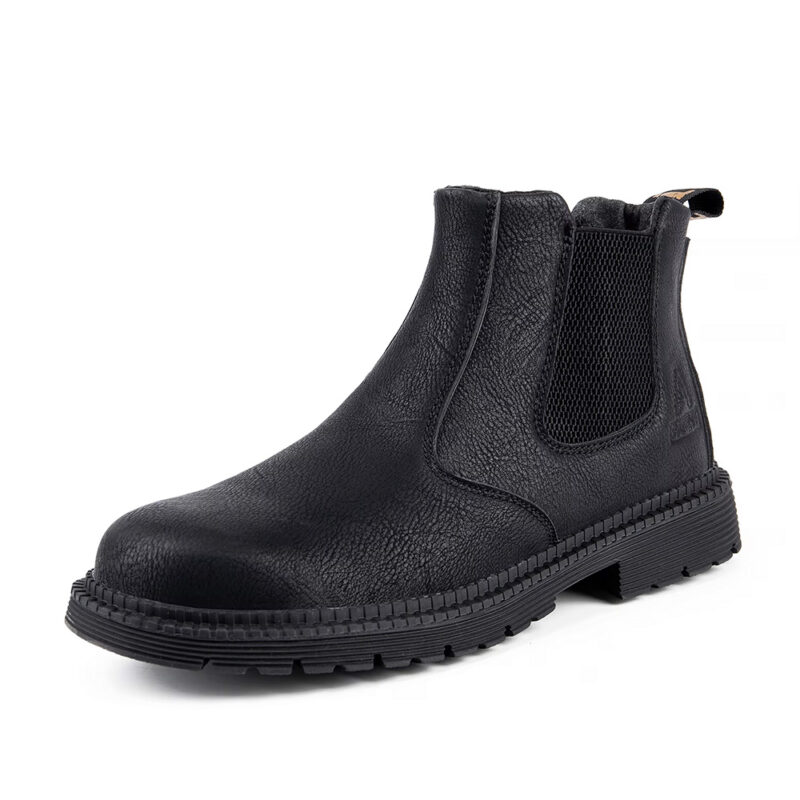
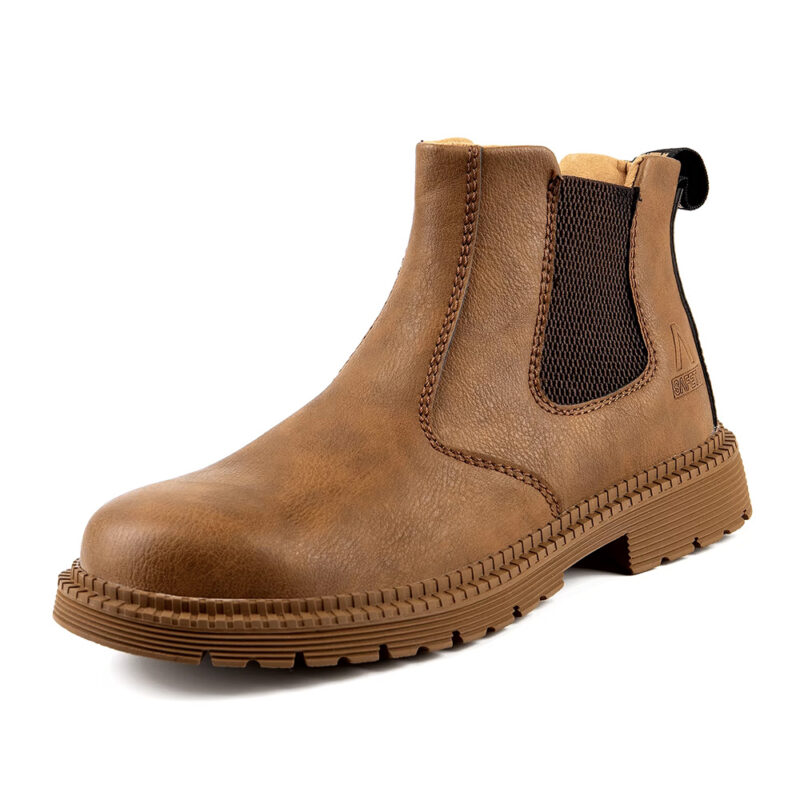
When your workday involves heavy machinery, falling objects, and unforgiving terrain, the Birks Defender Kevlar Steel Toe Safety Work Boots stand ready to protect you through it all. These boots deliver the exceptional durability, reliable protection, and all-day comfort you need to tackle any challenge and get the job done right, every single time.
Standard insoles that come with work boots often lack sufficient support. They compress quickly and lose effectiveness. Aftermarket insoles offer superior materials and construction. They address specific foot conditions and work requirements.
Orthotic insoles contain rigid arch support structures. Cushioned insoles prioritize shock absorption. Gel insoles use silicone compounds for pressure distribution. Each type serves different needs.
The History of Work Boot Insoles
Early work boots contained minimal padding. Workers stuffed newspaper or cloth into boots for comfort. This practice continued through the Industrial Revolution.
The 1950s brought foam rubber technology. Manufacturers began adding removable insoles to work boots. These early designs focused solely on cushioning.
Podiatric research in the 1970s revealed connections between foot support and overall health. Companies developed insoles with arch support and heel cups. The orthotic industry expanded rapidly.
Modern insoles use advanced materials. Memory foam appeared in the 1990s. EVA foam (ethylene-vinyl acetate) became standard. Gel inserts and carbon fiber supports represent current innovations.
Key Features of Quality Work Boot Insoles
Arch Support
Proper arch support distributes weight evenly across the foot. It prevents the arch from collapsing during extended standing or walking.
Three arch types exist:
- Low arches (flat feet) need firm, supportive insoles
- Medium arches work with moderate support insoles
- High arches require cushioned insoles with arch contours
Cushioning Materials
Memory foam molds to foot shape. It provides custom cushioning but retains heat.
EVA foam offers lightweight shock absorption. It maintains shape longer than standard foam.
Polyurethane foam delivers firm support. It lasts longer but feels harder initially.
Gel inserts absorb impact in heel and forefoot zones. They add weight but excel at shock reduction.
Heel Cup Design
A deep heel cup stabilizes the foot. It centers the heel bone and reduces side-to-side movement. This feature prevents ankle rolling and reduces strain on the Achilles tendon.
Moisture Management
Work environments generate foot perspiration. Quality insoles use moisture-wicking fabrics or antimicrobial treatments. These features prevent odor and bacterial growth.
Thickness and Volume
Insole thickness affects boot fit. Thin insoles (3-4mm) suit tight-fitting boots. Thick insoles (6-8mm) provide maximum cushioning but require extra boot volume.
Top Work Boot Insole Categories
Best Overall: Full-Length Orthotic Insoles
Full-length orthotics replace factory insoles completely. They provide comprehensive support from heel to toe.
Benefits:
- Maximum arch support
- Complete foot stabilization
- Shock absorption throughout the foot
- Pressure distribution across entire sole
Drawbacks:
- Higher cost ($40-$60)
- May require boot sizing adjustment
- Break-in period needed
Best for Standing: Cushioned Gel Insoles
Workers who stand on concrete benefit from gel technology. These insoles absorb repetitive impact.
Benefits:
- Superior shock absorption
- Reduced joint stress
- Excellent for hard surfaces
- Long-lasting comfort
Drawbacks:
- Heavier than foam options
- Limited arch support
- Can feel unstable on uneven terrain
Best for Flat Feet: Rigid Orthotic Insoles
Flat feet require firm support structures. Rigid orthotics prevent arch collapse and overpronation.
Benefits:
- Controls foot motion
- Reduces knee and hip pain
- Improves posture
- Medical-grade support
Drawbacks:
- Uncomfortable initially
- Requires gradual adaptation
- Higher price point ($50-$80)
Best Budget Option: EVA Foam Insoles
EVA foam insoles balance cost and performance. They suit workers needing basic upgrade from factory insoles.
Benefits:
- Affordable ($15-$25)
- Lightweight construction
- Decent cushioning
- Wide availability
Drawbacks:
- Shorter lifespan (3-6 months)
- Basic support features
- Compresses over time
Best for High Arches: Cushioned Contour Insoles
High arches need cushioning under the arch curve. Standard insoles leave gaps that cause pressure points.
Benefits:
- Fills arch gap
- Reduces ball-of-foot pain
- Soft cushioning
- Prevents supination
Drawbacks:
- Not suitable for flat feet
- May feel too soft for some users
- Limited stability features
Comparison of Leading Work Boot Insoles
| Insole Type | Arch Support | Cushioning | Price Range | Lifespan | Best For |
|---|---|---|---|---|---|
| Full Orthotic | Excellent | Good | $40-$60 | 12-18 months | All-day support |
| Gel Insert | Fair | Excellent | $25-$40 | 12 months | Standing work |
| EVA Foam | Good | Good | $15-$25 | 3-6 months | Budget-conscious |
| Rigid Orthotic | Excellent | Fair | $50-$80 | 18-24 months | Flat feet |
| Contour Cushion | Fair | Excellent | $30-$45 | 9-12 months | High arches |
When your workday involves heavy machinery, falling objects, and unforgiving terrain, the Birks Defender Kevlar Steel Toe Safety Work Boots stand ready to protect you through it all. These boots deliver the exceptional durability, reliable protection, and all-day comfort you need to tackle any challenge and get the job done right, every single time.
Technical Specifications That Matter
Density Rating
Foam density determines durability and support level. Low-density foam (under 4 lbs/cubic foot) feels soft but compresses quickly. High-density foam (6+ lbs/cubic foot) maintains shape longer.
Shore Hardness
Shore A scale measures material hardness. Work boot insoles typically range from 25A (soft gel) to 70A (firm orthotic plastic). Higher numbers indicate firmer materials.
Thickness Measurements
Heel thickness ranges from 4mm to 10mm. Thicker heels absorb more shock but reduce boot volume.
Arch height varies from 15mm (low) to 30mm (high). Match arch height to your foot structure.
Forefoot thickness typically measures 3mm to 6mm. Thinner forefeet prevent toe cramping.
User Benefits by Work Environment
Construction Workers
Construction sites demand shock absorption and stability. Full-length orthotics with gel heel inserts perform best. They handle uneven surfaces and repeated climbing.
Warehouse Workers
Warehouse concrete floors cause foot fatigue. Gel insoles or thick EVA foam reduce impact. Look for anti-fatigue features.
Manufacturing Workers
Assembly line workers stand in fixed positions. Cushioned insoles with metatarsal pads prevent ball-of-foot pain. Arch support reduces lower back strain.
Outdoor Workers
Landscapers and utility workers need moisture-wicking insoles. Antimicrobial treatments prevent odor. Durable materials withstand dirt and debris.
Healthcare Workers
Nurses and hospital staff walk miles daily. Lightweight insoles with arch support and cushioning balance comfort with agility. Thin profiles fit in most medical footwear.
Selecting the Right Insole
Step 1: Identify Your Arch Type
Perform the wet foot test. Wet your foot and step on a paper bag. A full footprint indicates flat feet. A thin middle connection shows normal arches. Minimal connection reveals high arches.
Step 2: Assess Your Work Environment
Hard surfaces require maximum cushioning. Uneven terrain needs stability features. Extended standing demands shock absorption.
Step 3: Determine Boot Volume
Remove factory insoles and measure thickness. Choose replacement insoles of similar or lesser thickness. Oversized insoles cause toe cramping and blisters.
Step 4: Consider Existing Foot Issues
Plantar fasciitis requires heel cups and arch support. Metatarsalgia needs forefoot cushioning. Overpronation demands motion control features.
Step 5: Set a Budget
Quality insoles cost $20 to $80. Higher prices buy better materials and longer lifespan. Calculate cost per month of use for true value.
Maintenance and Lifespan
Cleaning Instructions
Remove insoles daily to air out. Wipe with damp cloth and mild soap. Air dry completely before reinserting. Never machine wash or dry.
When to Replace
Replace insoles every 6 to 12 months with regular use. Signs of wear include:
- Compressed cushioning
- Visible cracks or tears
- Reduced arch support
- Persistent odor despite cleaning
- Uneven wear patterns
Storage Tips
Store insoles flat in a dry area. Avoid direct sunlight, which degrades foam and gel materials. Keep away from heat sources.
Common Mistakes to Avoid
Choosing Style Over Function
Insoles must match your foot type and work demands. Attractive packaging does not guarantee performance.
Ignoring Break-In Period
Orthotic insoles require gradual adaptation. Start with 2-3 hours daily. Increase wearing time by one hour every few days.
Wrong Size Selection
Insoles must match boot size exactly. Trim-to-fit options allow customization. Never force oversized insoles into boots.
Neglecting Boot Condition
Worn-out boots compromise insole effectiveness. Replace boots when support structures fail, regardless of insole quality.
Professional vs. Over-the-Counter Options
Over-the-Counter Insoles
These ready-made insoles suit most workers. They address common foot types and issues. Prices range from $15 to $60.
Advantages include immediate availability, no prescription needed, and easy replacement.
Custom Orthotics
Podiatrists create custom orthotics from foot molds. They address severe conditions or unique foot structures. Costs range from $200 to $500.
Insurance may cover custom orthotics for diagnosed conditions. Recovery time for foot problems decreases with custom support.
Making Your Final Decision
Quality work boot insoles improve daily comfort and long-term foot health. Match insole features to your specific needs. Consider arch type, work environment, and existing foot conditions.
Full-length orthotic insoles provide the best all-around support for most workers. They justify higher costs through extended lifespan and comprehensive benefits. Budget-friendly EVA foam insoles offer decent performance for less demanding situations.
Test insoles during a return window if available. Your feet will signal the right choice within one week. Proper support reduces fatigue, prevents injury, and makes long shifts manageable.
Invest in your feet. They carry you through thousands of work hours. The best work boot insoles deliver comfort, support, and protection that standard insoles cannot match.
When your workday involves heavy machinery, falling objects, and unforgiving terrain, the Birks Defender Kevlar Steel Toe Safety Work Boots stand ready to protect you through it all. These boots deliver the exceptional durability, reliable protection, and all-day comfort you need to tackle any challenge and get the job done right, every single time.