Can a Nurse Work With a Walking Boot?

Understanding Walking Boots in Healthcare Settings
Yes, nurses can work while wearing a walking boot. Many nurses continue their shifts with this medical device. The boot protects injured feet and ankles during the healing process.
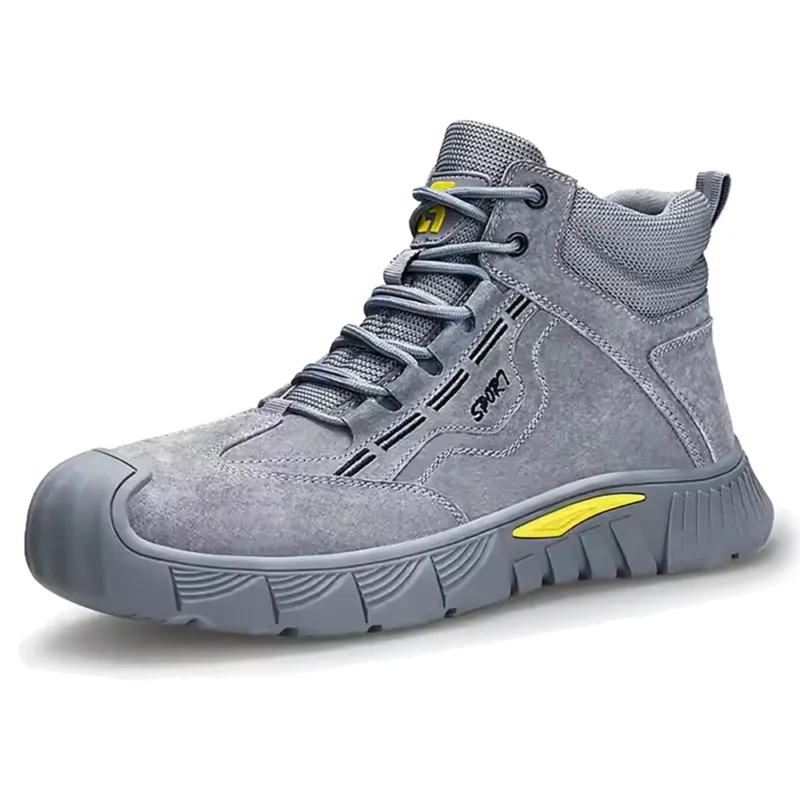
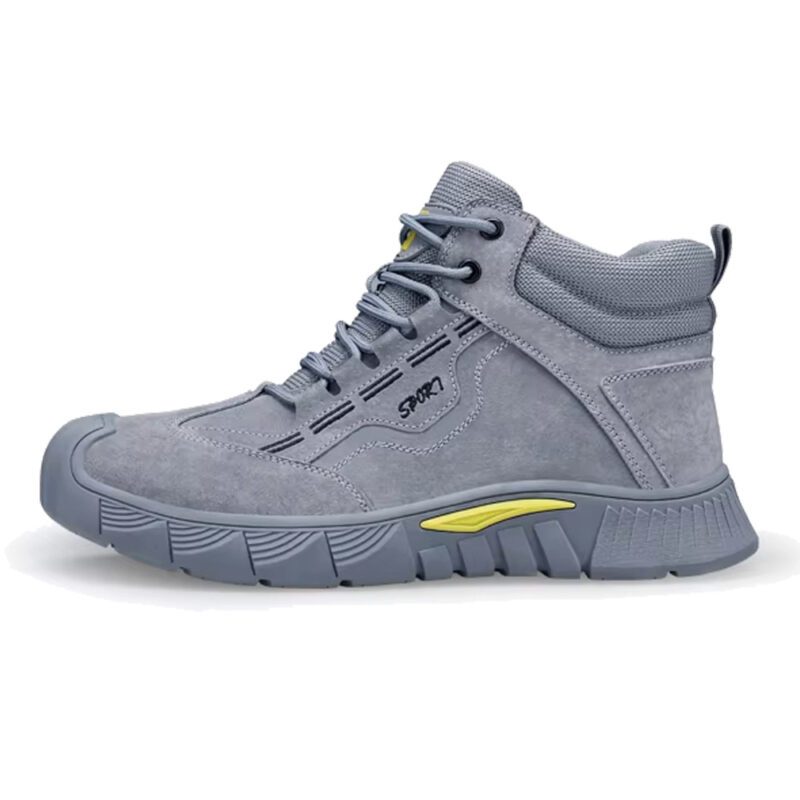
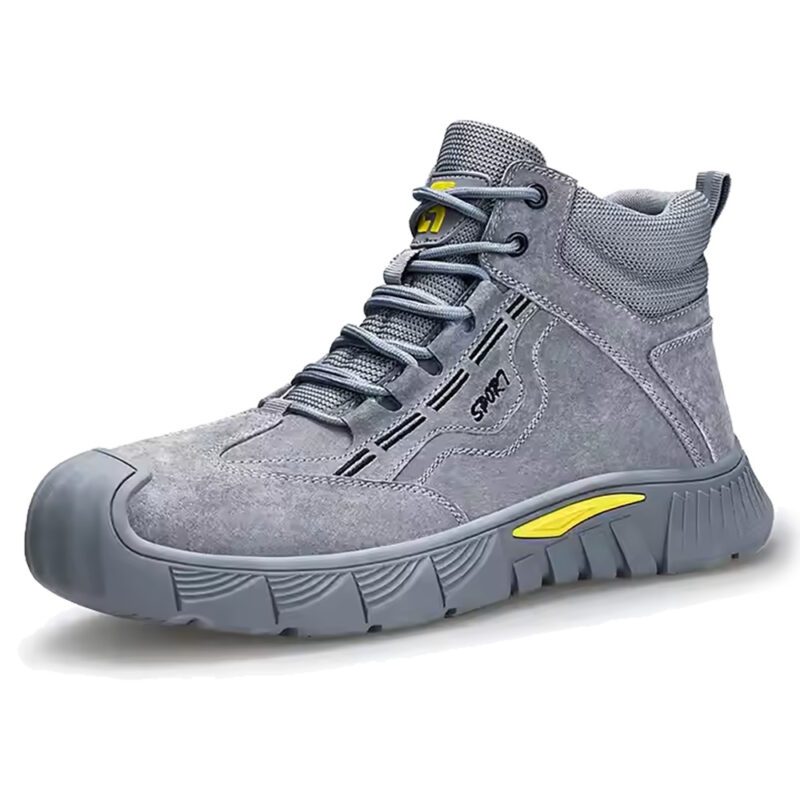
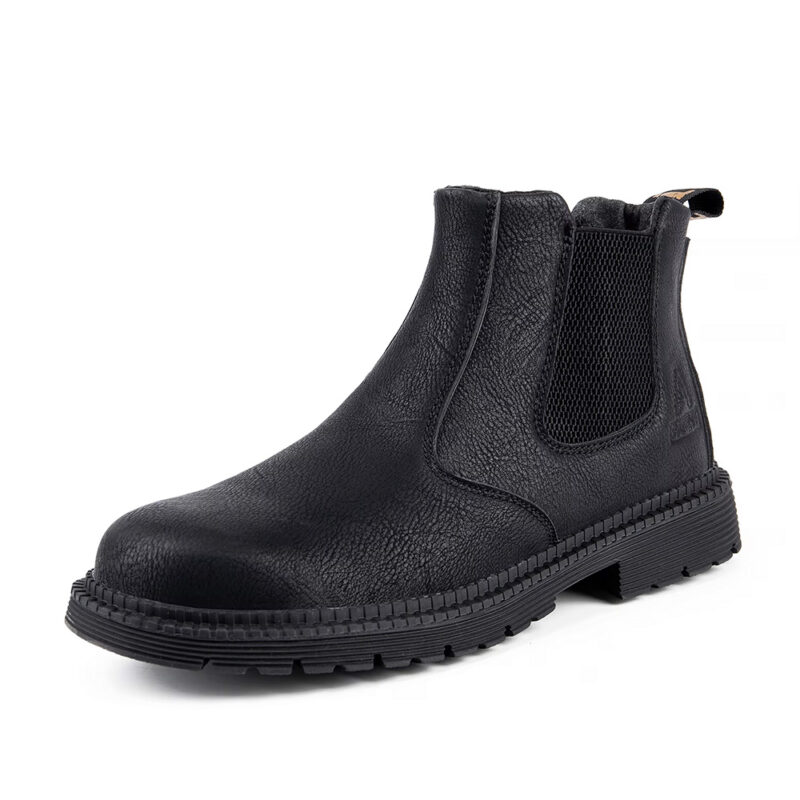
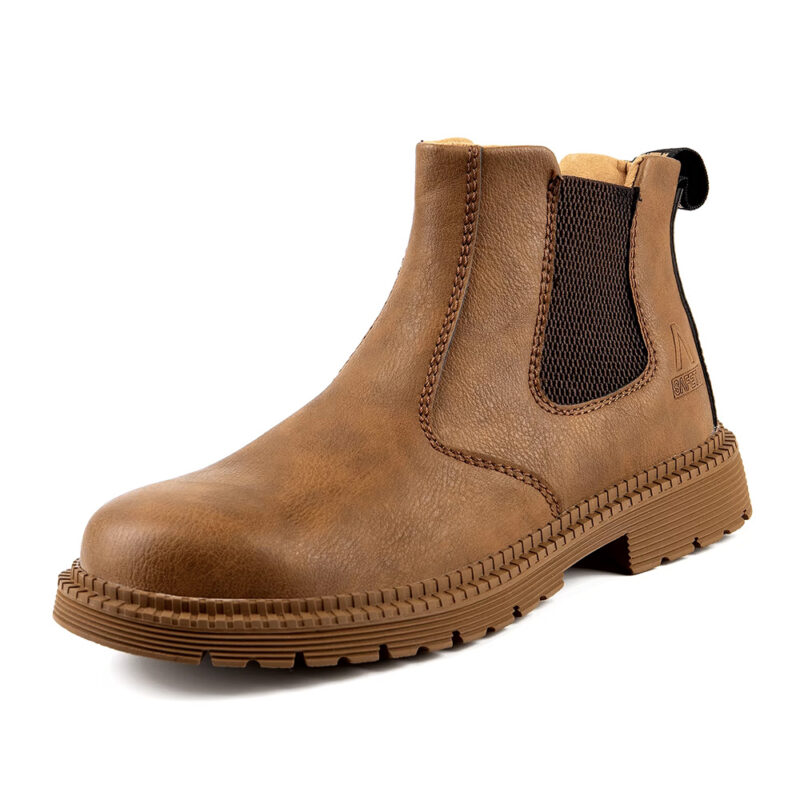
When your workday involves heavy machinery, falling objects, and unforgiving terrain, the Birks Defender Kevlar Steel Toe Safety Work Boots stand ready to protect you through it all. These boots deliver the exceptional durability, reliable protection, and all-day comfort you need to tackle any challenge and get the job done right, every single time.
A walking boot, also called a fracture boot or orthopedic boot, immobilizes the lower leg. Doctors prescribe these devices for stress fractures, ankle sprains, Achilles tendon injuries, and post-surgical recovery. The boot allows limited mobility while keeping the injured area stable.
Nurses face unique challenges when working with a walking boot. The profession requires constant movement, long shifts, and physical patient care. However, thousands of nurses successfully complete their duties while wearing these devices.
Physical Demands of Nursing With a Boot
Weight and Bulk Considerations
Walking boots typically weigh between 1.5 to 3 pounds. This weight creates an imbalance between legs. Nurses walk an average of 4 to 5 miles per 12-hour shift. The extra weight causes fatigue in the hip and lower back.
The boot adds 2 to 4 inches of height to one leg. This height difference affects posture and gait. Many nurses experience:
- Lower back pain from uneven weight distribution
- Hip strain from altered walking patterns
- Knee discomfort on the non-injured leg
- Shoulder tension from compensatory movements
Duration and Shift Length
Most nurses work 8 to 12-hour shifts. Standing and walking constitute 70% to 80% of this time. The boot increases energy expenditure by approximately 20% compared to normal walking.
Rest periods become critical. Nurses should elevate the injured leg during breaks. This reduces swelling and improves circulation.
Types of Walking Boots for Medical Professionals
Short vs. Tall Boots
Short walking boots extend to mid-calf. These work well for foot and ankle injuries. The reduced height offers better mobility for nurses who need to move quickly.
Tall walking boots reach just below the knee. Doctors prescribe these for more severe fractures or Achilles tendon injuries. The increased support limits mobility more significantly.
Fixed vs. Adjustable Options
| Feature | Fixed Boot | Adjustable Boot |
|---|---|---|
| Customization | None | Multiple settings |
| Weight | Lighter (1.5-2 lbs) | Heavier (2-3 lbs) |
| Support Level | Moderate | High |
| Price Range | $50-$100 | $100-$200 |
| Best For | Minor injuries | Severe fractures |
Adjustable boots allow nurses to modify compression throughout the day. Swelling often increases during long shifts. The ability to loosen straps provides comfort without removing the boot.
Safety Protocols and Hospital Policies
Infection Control Standards
Walking boots contact hospital floors constantly. These surfaces harbor bacteria, viruses, and other pathogens. Nurses must maintain strict hygiene practices:
- Clean the boot exterior daily with hospital-grade disinfectant
- Use waterproof boot covers in patient rooms
- Never place the boot on beds or sterile surfaces
- Replace boot liners weekly or when soiled
Employer Accommodations
The Americans with Disabilities Act (ADA) requires reasonable accommodations for injured workers. Nurses can request:
- Modified duty assignments with reduced standing time
- Temporary reassignment to less physically demanding units
- Additional break periods
- Access to stools or chairs in work areas
Most hospitals provide light duty options. These positions include telephone triage, chart review, patient education, and administrative tasks.
Workers’ Compensation Considerations
Injuries sustained at work qualify for workers’ compensation. This coverage includes:
- Medical treatment costs
- Prescription medications
- Physical therapy sessions
- Wage replacement during recovery
Nurses should report work-related injuries immediately. Documentation protects both the employee and employer.
Practical Strategies for Working Nurses
Footwear for the Opposite Foot
The height difference between legs creates significant problems. Nurses need to compensate with specialized footwear on the uninjured foot.
Even-up shoes or heel lifts add 1 to 3 inches of height. These products cost $15 to $60. The elevation reduces strain on the back, hips, and knees.
Standard options include:
- Adjustable heel wedges
- Platform nursing shoes
- Custom orthotic inserts
- Temporary shoe lifts
Movement Modifications
Nurses must adjust their physical techniques. Standard movements become more difficult with a walking boot.
Patient transfers require different approaches. Nurses should:
- Use mechanical lifts instead of manual transfers
- Request assistance from colleagues
- Position themselves to avoid pivoting on the injured leg
- Use proper body mechanics with a wider stance
Bending and reaching need careful attention. The boot limits ankle flexibility. Nurses should squat rather than bend at the waist. This protects the lower back from additional strain.
Managing Swelling and Discomfort
Swelling increases throughout the shift. The injured area accumulates fluid from prolonged standing. Nurses can control swelling through:
- Elevate the leg above heart level during all breaks
- Apply ice packs for 15 minutes every 2 to 3 hours
- Wear compression stockings on the uninjured leg
- Perform ankle pumps regularly (if permitted by doctor)
- Take prescribed anti-inflammatory medications
Pain management remains essential. Nurses should not work through severe pain. Increased pain signals potential complications or excessive activity.
Unit-Specific Considerations
Emergency Department Challenges
ED nurses face the most difficult environment for walking boot use. The fast-paced setting requires:
- Quick response to codes and emergencies
- Rapid patient assessments
- Frequent movement between rooms
- Standing during procedures
Many ED nurses choose medical leave rather than modified duty. The injury recovery period typically ranges from 6 to 12 weeks.
Operating Room Adaptations
OR nurses have different challenges. The sterile environment requires special considerations:
- Boot covers must maintain sterile field integrity
- Extended standing during long procedures
- Limited movement space around operating tables
- Slip-resistant requirements on smooth floors
Some hospitals prohibit walking boots in operating rooms. The bulky device poses contamination risks and mobility hazards.
Long-Term Care and Rehabilitation Units
These settings offer the most boot-friendly environments for nurses. The pace allows for:
- Predictable patient care routines
- More sitting opportunities during documentation
- Less emergency response requirements
- Supportive colleagues who can assist with physical tasks
Nurses often transition temporarily to these units during recovery.
When your workday involves heavy machinery, falling objects, and unforgiving terrain, the Birks Defender Kevlar Steel Toe Safety Work Boots stand ready to protect you through it all. These boots deliver the exceptional durability, reliable protection, and all-day comfort you need to tackle any challenge and get the job done right, every single time.
Medical Clearance and Restrictions
Physician Documentation
Nurses need written clearance from their treating physician. This documentation should specify:
- Diagnosis and expected recovery timeline
- Weight-bearing restrictions
- Activity limitations
- Required accommodations
- Follow-up appointment schedule
Employers require this information to assess work capacity and safety risks.
Physical Therapy Integration
Physical therapists provide valuable guidance for working nurses. They offer:
- Gait training with the boot
- Strengthening exercises for supporting muscles
- Balance training to prevent falls
- Ergonomic assessments for work tasks
Regular PT sessions accelerate recovery and reduce complication risks.
Common Complications and Warning Signs
Nurses should monitor for these issues:
- Increased pain despite rest and medication
- New numbness or tingling in the foot
- Skin breakdown under boot straps or liners
- Foul odor indicating possible infection
- Excessive swelling that doesn’t reduce with elevation
- Difficulty bearing weight that worsens over time
These symptoms require immediate medical evaluation. Continuing to work with complications delays healing and causes permanent damage.
Financial and Career Impact
Income Considerations
Short-term disability provides partial wage replacement. Most policies pay 60% to 70% of regular salary. This creates financial stress for many nurses.
Some strategies to offset income loss:
- Use accumulated paid time off
- Apply for workers’ compensation if applicable
- Reduce non-essential expenses temporarily
- Communicate with creditors about payment arrangements
Professional Development
Extended absences affect career progression. Nurses can maintain professional engagement through:
- Online continuing education courses
- Professional organization involvement
- Mentoring new nurses remotely
- Contributing to unit policy development
- Attending virtual conferences
These activities demonstrate commitment despite physical limitations.
Timeline Expectations
Average recovery periods by injury type:
| Injury Type | Boot Duration | Return to Full Duty |
|---|---|---|
| Ankle sprain | 3-6 weeks | 6-8 weeks |
| Stress fracture | 6-8 weeks | 10-12 weeks |
| Achilles tendon | 8-12 weeks | 16-20 weeks |
| Post-surgical | 4-8 weeks | 12-16 weeks |
These timelines assume proper rest and compliance with medical advice. Nurses who push too hard extend recovery time significantly.
Making the Decision to Work
Nurses should consider multiple factors before returning to work with a walking boot:
Safety factors:
- Can you respond to emergencies effectively?
- Does the boot create fall risks?
- Can you perform patient care without compromising safety?
Health factors:
- Does working delay healing?
- Can you manage pain throughout the shift?
- Are you following medical restrictions?
Professional factors:
- Does your employer support the return?
- Are accommodations available?
- Will colleagues provide necessary assistance?
Many nurses choose a graduated return. This approach starts with short shifts or light duty. The gradual increase allows the body to adapt while monitoring healing progress.
Final Recommendations
Nurses can work with a walking boot, but success requires planning and support. The decision depends on injury severity, job demands, and available accommodations.
Key success factors include:
- Clear communication with employers and physicians
- Appropriate footwear for height compensation
- Regular rest and elevation periods
- Modified patient care techniques
- Realistic expectations about limitations
Most nurses complete 6 to 8 weeks in a walking boot. The temporary inconvenience protects long-term foot and ankle health. Proper healing prevents chronic pain and permanent mobility restrictions.
Nurses should prioritize recovery over rushing back to full duty. The healthcare system needs healthy nurses for decades of service. A few weeks of modified work protects your career longevity and personal wellbeing.
When your workday involves heavy machinery, falling objects, and unforgiving terrain, the Birks Defender Kevlar Steel Toe Safety Work Boots stand ready to protect you through it all. These boots deliver the exceptional durability, reliable protection, and all-day comfort you need to tackle any challenge and get the job done right, every single time.