Are Work Boots Tax Deductible for Self-Employed?

Understanding Tax Deductions for Self-Employed Work Boots
Self-employed workers can deduct work boots as a business expense under specific conditions. The Internal Revenue Service (IRS) allows deductions for clothing and footwear that meet two critical requirements. The boots must be required for your job and not suitable for everyday wear.
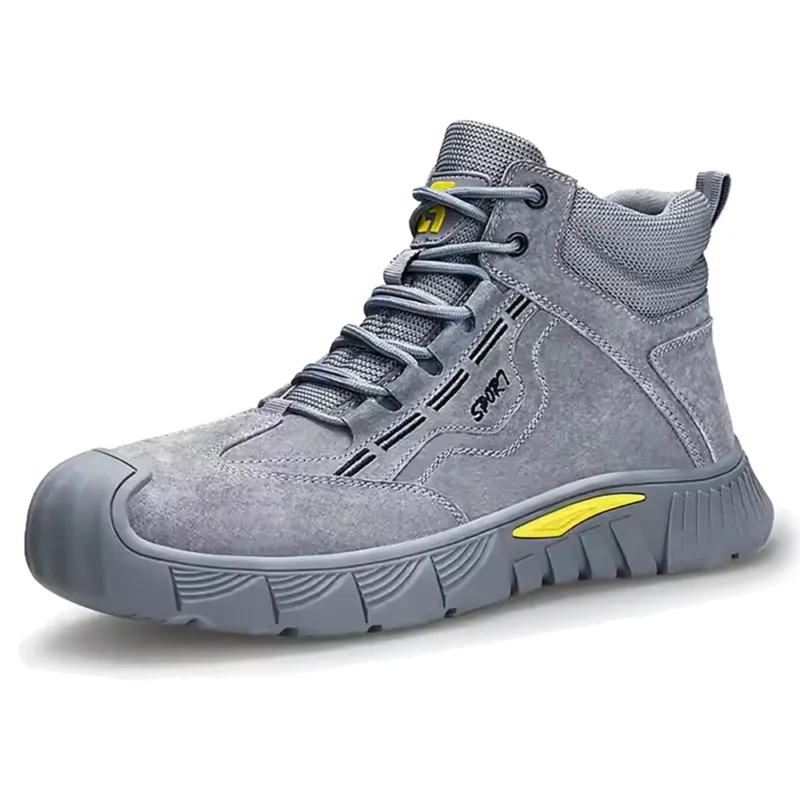
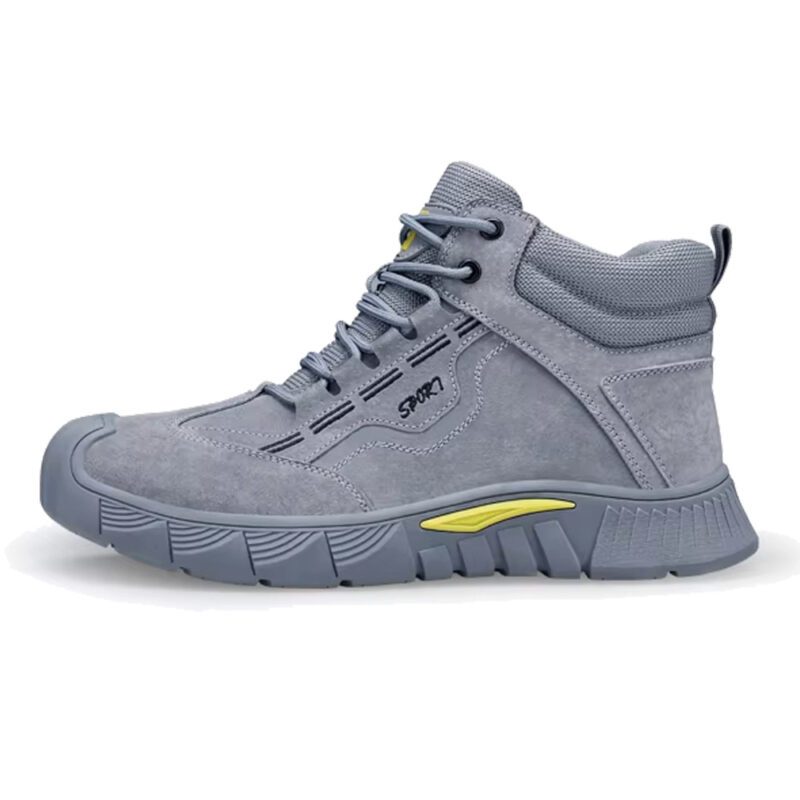
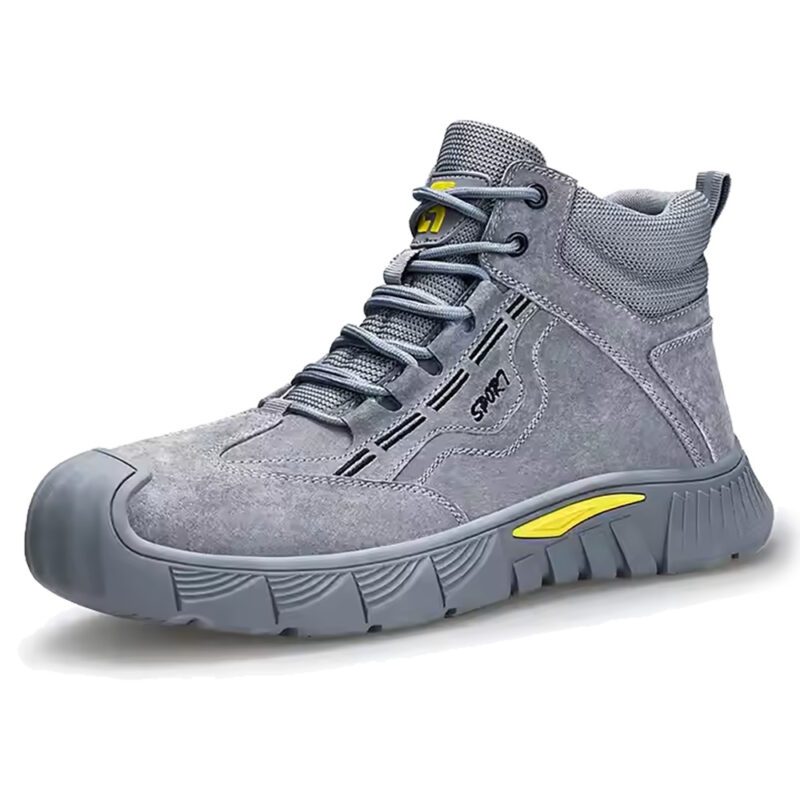
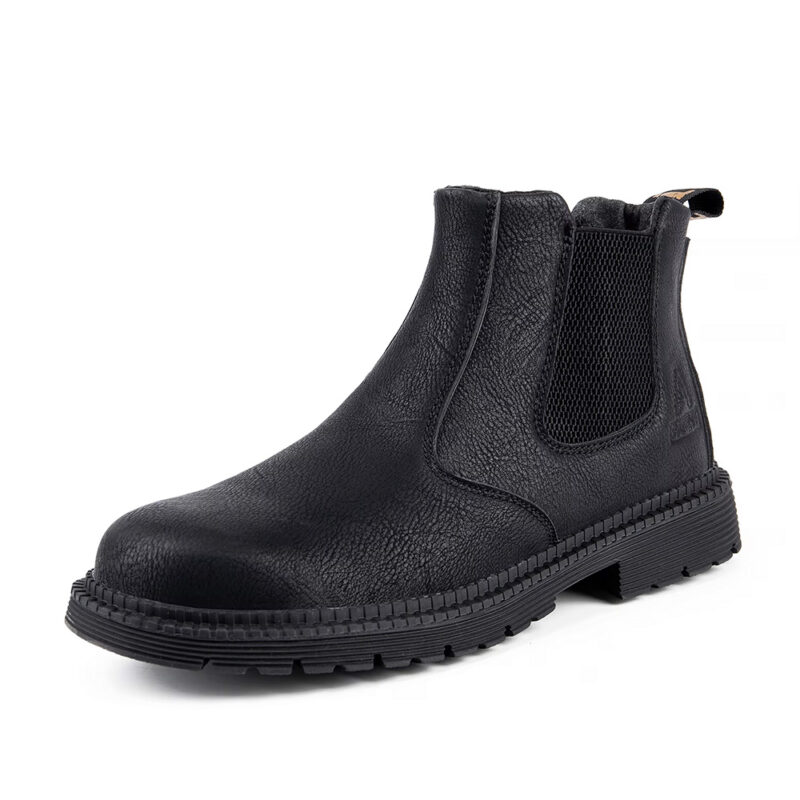
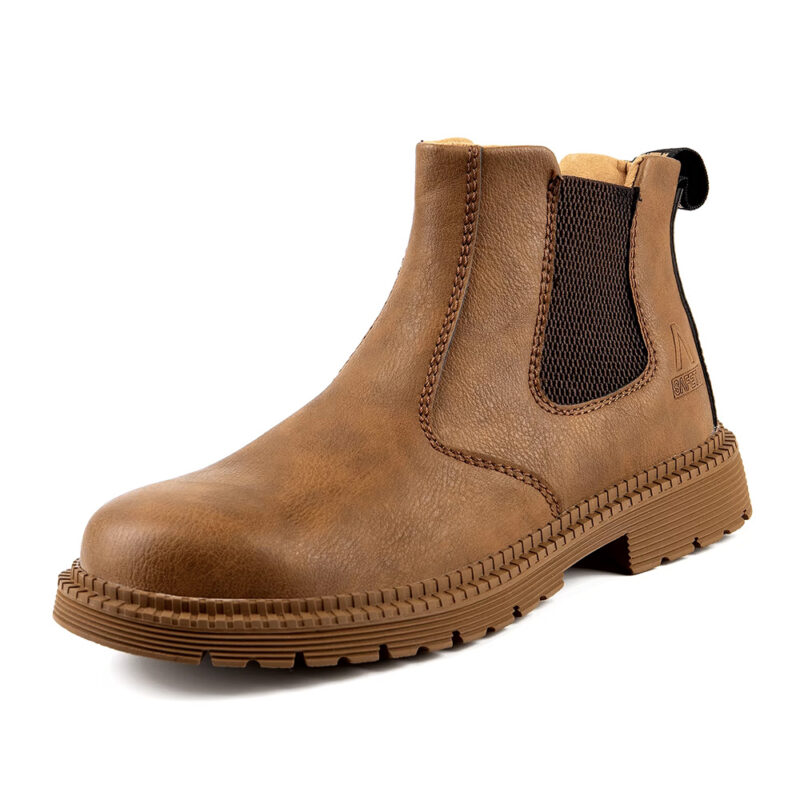
When your workday involves heavy machinery, falling objects, and unforgiving terrain, the Birks Defender Kevlar Steel Toe Safety Work Boots stand ready to protect you through it all. These boots deliver the exceptional durability, reliable protection, and all-day comfort you need to tackle any challenge and get the job done right, every single time.
Work boots qualify as tax deductible when they serve a protective function in your trade. Steel-toed boots, electrical hazard boots, and waterproof construction footwear typically meet IRS standards. Regular sneakers or casual boots do not qualify because people wear them outside of work.
The IRS established these rules in 1939 through Revenue Ruling 70-474. This ruling created clear boundaries between personal clothing and occupational gear. Courts have reinforced these standards through decades of tax cases.
Which Self-Employed Professions Can Deduct Work Boots
Construction and Trades Workers
Construction workers face the clearest path to deducting work boots. OSHA regulations require protective footwear on most construction sites. Electricians, plumbers, carpenters, and welders all need specialized boots for safety compliance.
These professionals typically deduct:
- Steel-toed boots with ASTM F2413 certification
- Electrical hazard boots rated for 18,000 volts
- Puncture-resistant soles for nail protection
- Metatarsal guards for heavy equipment operation
- Chemical-resistant boots for hazardous materials
Outdoor and Agricultural Workers
Farmers, landscapers, and tree service professionals require boots designed for harsh outdoor conditions. Mud, water, chemicals, and uneven terrain make specialized footwear necessary.
Agricultural workers deduct boots with:
- Waterproof membranes for wet conditions
- Deep tread patterns for mud and slopes
- Chemical resistance for fertilizers and pesticides
- Insulation for cold weather work
- Snake guards for rural environments
Manufacturing and Warehouse Workers
Factory workers and warehouse staff operate heavy machinery and handle materials that require protective footwear. These environments mandate safety compliance through specific boot features.
Service and Maintenance Professionals
HVAC technicians, automotive mechanics, and maintenance workers need boots that protect against specific job hazards. Oil resistance, electrical protection, and slip resistance become essential features.
IRS Requirements for Deductible Work Boots
The Two-Part Test
The IRS applies a strict two-part test for clothing and footwear deductions. Both conditions must be true:
- Required as a condition of employment – Your job demands this specific footwear
- Not adaptable to general usage – The boots cannot substitute for regular footwear
Work boots pass this test when they contain safety features that make them impractical for daily wear. Steel toes, puncture-resistant soles, and electrical hazard protection clearly distinguish work boots from regular shoes.
Documentation Requirements
Self-employed individuals must maintain detailed records for all business deductions. The IRS requires:
- Receipts showing purchase date, amount, and vendor
- Business purpose documentation explaining why you need the boots
- Job site requirements proving your work demands this footwear
- Frequency of use records showing exclusive business use
Keep these documents for at least three years after filing your tax return. Seven years provides better protection against audits.
Common Disqualifications
The IRS rejects many footwear deduction claims. Regular work boots fail the test when:
- They look like ordinary boots or shoes
- You wear them outside of work hours
- They lack required safety certifications
- Your job does not require protective footwear
- No written safety policy mandates their use
Business casual boots, dress boots, and fashion work boots almost never qualify. The line between personal and business use must be clear.
How to Claim Work Boot Deductions
Schedule C Reporting
Self-employed workers report work boot expenses on Schedule C (Form 1040). This form calculates your business profit or loss.
Enter work boot costs under one of these expense categories:
- Line 22: Supplies – For boots under $2,500
- Line 13: Depreciation – For expensive boots over $2,500
- Line 27a: Other expenses – List as “Protective footwear”
Most work boots cost between $100 and $300. Report these amounts directly as supplies or other expenses.
De Minimis Safe Harbor Election
The IRS offers a simplified deduction method for items costing $2,500 or less. The de minimis safe harbor election allows immediate expensing rather than depreciation.
This election benefits self-employed workers by:
- Eliminating depreciation schedules
- Reducing paperwork and record-keeping
- Providing full deduction in the purchase year
- Simplifying tax preparation
Make this election annually by attaching a statement to your tax return.
Multiple Pair Deductions
Self-employed workers can deduct multiple pairs of work boots in one year. You must justify the business need for each pair.
Valid reasons for multiple pairs include:
- Different job sites with varying requirements
- Seasonal needs (winter and summer boots)
- Backup pairs for continuous work availability
- Specialized boots for different tasks
- Replacement of worn-out boots
Document why each pair serves a distinct business purpose.
Work Boot Deduction Amounts and Limits
Average Deductible Amounts
Work boot prices vary by profession and quality level:
| Boot Type | Price Range | Typical Deduction |
|---|---|---|
| Basic steel-toe | $80-$150 | $115 |
| Premium safety boots | $150-$300 | $225 |
| Specialized trade boots | $300-$500 | $400 |
| Custom-fitted boots | $500-$800 | $650 |
Higher-priced boots require stronger justification. Document why expensive boots are necessary for your specific work.
Replacement Frequency
Work boots wear out based on usage intensity. Typical replacement schedules include:
- Construction workers: 6-12 months
- Landscapers: 8-14 months
- Warehouse workers: 12-18 months
- Light-duty trades: 18-24 months
Deduct replacement boots when your old pair becomes unsafe or unwearable. Keep photos documenting wear and damage.
State Tax Considerations
State tax laws generally follow federal guidelines for work boot deductions. However, some states have additional requirements:
- California requires OSHA compliance documentation
- New York demands detailed business use logs
- Texas follows federal rules without additions
- Florida accepts federal deduction standards
Check your state’s department of revenue website for specific requirements.
When your workday involves heavy machinery, falling objects, and unforgiving terrain, the Birks Defender Kevlar Steel Toe Safety Work Boots stand ready to protect you through it all. These boots deliver the exceptional durability, reliable protection, and all-day comfort you need to tackle any challenge and get the job done right, every single time.
Common Mistakes to Avoid
Claiming Non-Qualifying Footwear
Many self-employed workers incorrectly deduct regular shoes or boots. The IRS specifically disallows:
- Hiking boots without safety features
- Regular leather work boots
- Fashion boots marketed as “work style”
- Athletic shoes for physical jobs
- Casual boots worn to job sites
Only boots with clear safety certifications and protective features qualify.
Missing Documentation
Inadequate records cause most denied deductions. The IRS needs proof beyond your word. Missing documentation includes:
- Lost receipts or credit card statements
- No explanation of business necessity
- Absence of safety requirement evidence
- Failure to separate personal and business use
Create a dedicated file for all work boot purchases and related documents.
Claiming Personal-Use Boots
The IRS denies deductions when boots serve dual purposes. You cannot deduct boots that you also wear:
- During non-work hours
- For personal errands or activities
- On social occasions
- For general outdoor recreation
Maintain separate boots for work and personal use.
Maximizing Your Work Boot Deductions
Strategic Purchasing Timing
Buy work boots in years when you need additional deductions. Higher-income years benefit more from deductible expenses. Purchase multiple pairs at once if your business justifies the need.
End-of-year purchases provide immediate deductions. Buy boots in December to deduct them on that year’s tax return.
Bundling Related Expenses
Combine work boot deductions with other protective gear expenses:
- Safety glasses and goggles
- Hard hats and helmets
- Protective gloves
- High-visibility vests
- Knee pads and elbow pads
These items strengthen your case for necessary protective equipment.
Professional Documentation
Take photos of your work environment showing hazards that require protective boots. Document safety meetings, OSHA inspections, and client requirements for protective footwear.
Create a simple log recording:
- Date and location of boot usage
- Specific tasks requiring protective footwear
- Hours spent in boots each day
- Conditions that damage or wear boots
This log provides strong evidence during audits.
Special Situations and Exceptions
Leased or Rented Boots
Some employers or job sites provide rental boots. Self-employed contractors cannot deduct employer-provided footwear. You can only deduct boots you personally purchase and own.
Reimbursed Boot Expenses
Client reimbursements reduce your deductible amount. If a client pays $200 for your boots, you cannot also deduct that $200. Subtract reimbursements from your total boot expenses before claiming deductions.
Partnership and LLC Considerations
Business structure affects how you deduct work boots:
- Sole proprietors use Schedule C
- Single-member LLCs use Schedule C
- Partnerships report on Form 1065
- Multi-member LLCs follow partnership rules
The deduction remains valid across all structures. Only the reporting form changes.
Record-Keeping Best Practices
Digital Receipt Storage
Scan or photograph all boot receipts immediately after purchase. Store digital copies in cloud storage with backup systems. Organize files by tax year and expense category.
Use apps designed for expense tracking:
- QuickBooks Self-Employed
- Expensify
- Shoeboxed
- FreshBooks
These tools automatically categorize expenses and generate reports.
Physical Documentation Systems
Maintain a physical folder or envelope for work boot expenses. Include:
- Original receipts
- Credit card statements
- Safety certification documents
- Job site requirement letters
- OSHA compliance materials
Label folders clearly with tax year and expense type.
Audit Preparation
Prepare for potential IRS audits by organizing comprehensive documentation. Create a single file containing:
- All purchase receipts
- Photos of boots showing safety features
- Work environment photos demonstrating hazards
- Written job requirements or contracts
- Usage logs showing business-only wear
- Comparable pricing research for expensive boots
This preparation saves time and stress if the IRS questions your deductions.
Summary: Claiming Work Boot Deductions Successfully
Self-employed workers can deduct work boots when the footwear meets IRS requirements. The boots must be required for your job and unsuitable for everyday wear. Safety features like steel toes, electrical hazard protection, and puncture resistance clearly establish business necessity.
Report work boot expenses on Schedule C under supplies or other expenses. Keep detailed receipts, document business purpose, and maintain clear separation between work and personal footwear. Avoid deducting regular boots or shoes that lack specialized safety features.
Most self-employed professionals in construction, trades, agriculture, and manufacturing qualify for these deductions. Follow IRS guidelines carefully, maintain thorough records, and consult a tax professional for complex situations. Work boot deductions provide legitimate tax savings when properly documented and claimed.
When your workday involves heavy machinery, falling objects, and unforgiving terrain, the Birks Defender Kevlar Steel Toe Safety Work Boots stand ready to protect you through it all. These boots deliver the exceptional durability, reliable protection, and all-day comfort you need to tackle any challenge and get the job done right, every single time.