How to Keep Feet from Sweating in Work Boots

Understanding Why Your Feet Sweat in Work Boots
Your feet contain over 250,000 sweat glands. These glands produce up to half a pint of moisture daily. Work boots trap this moisture inside. The enclosed environment creates a breeding ground for bacteria and discomfort.
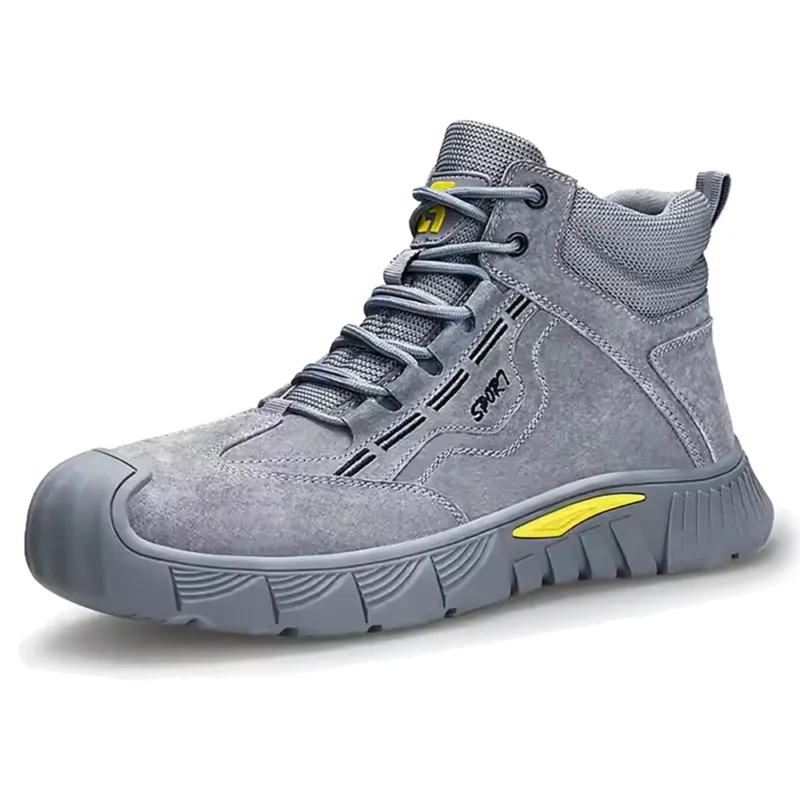
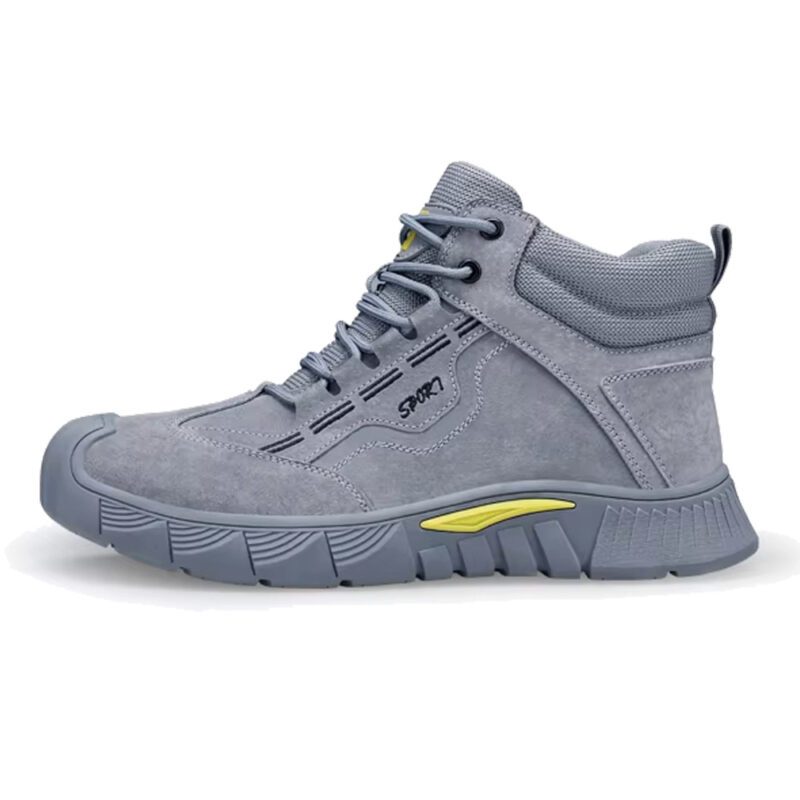
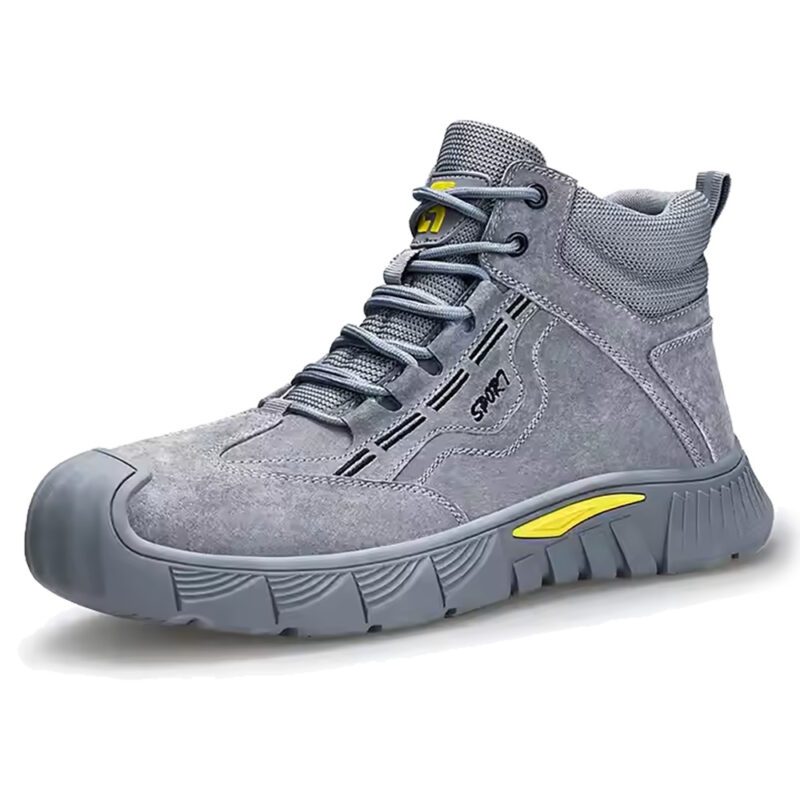
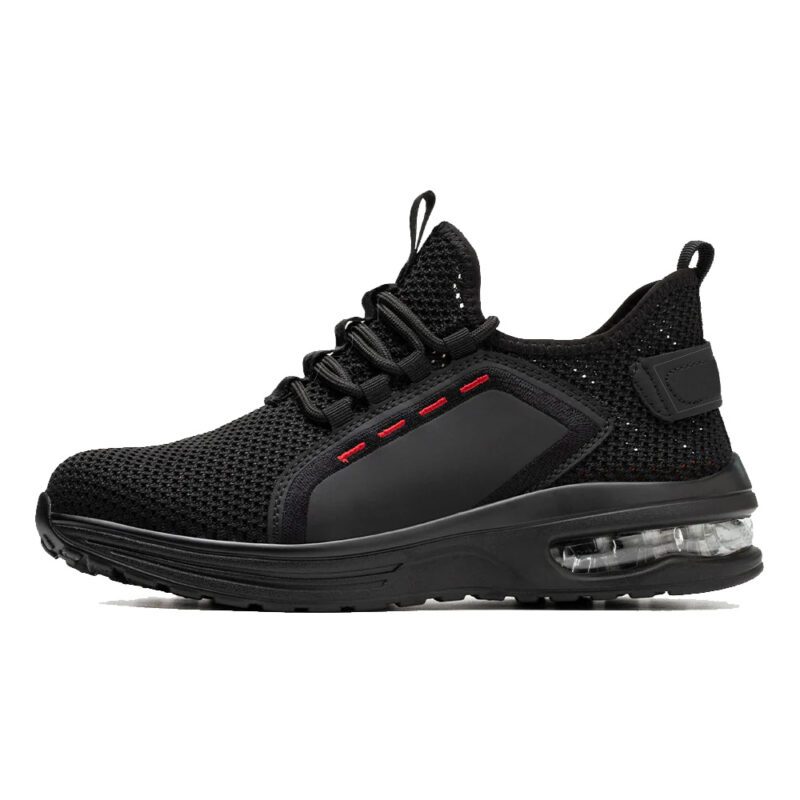
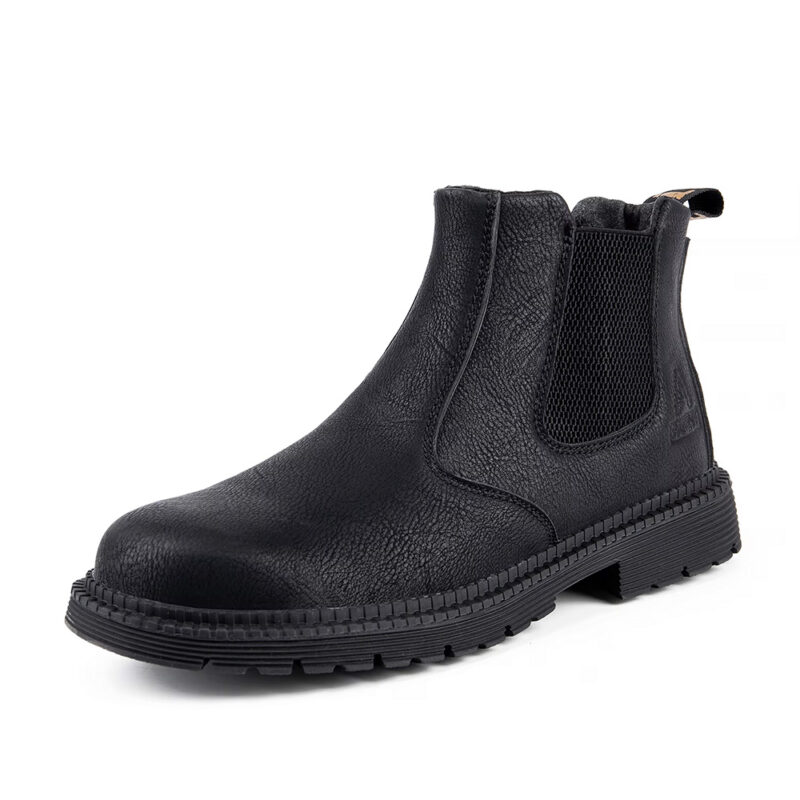
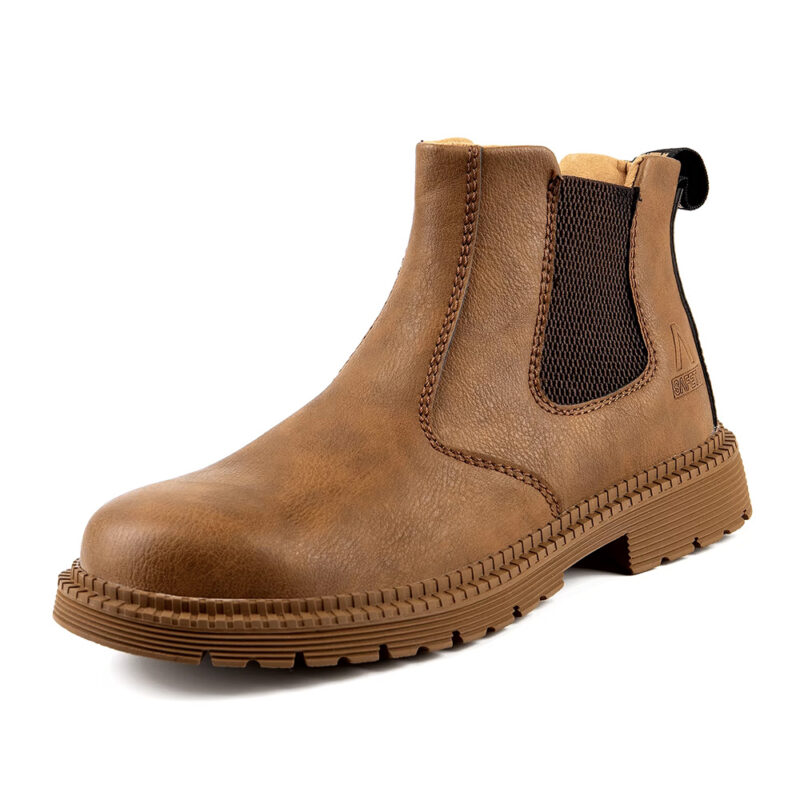
When your workday involves heavy machinery, falling objects, and unforgiving terrain, the Birks Defender Kevlar Steel Toe Safety Work Boots stand ready to protect you through it all. These boots deliver the exceptional durability, reliable protection, and all-day comfort you need to tackle any challenge and get the job done right, every single time.
Work boots differ from regular shoes in several ways. They use thicker materials for protection. They feature reinforced toes and soles. These design elements reduce airflow. Less airflow means more sweat accumulation.
The problem has existed since workers first wore enclosed footwear. Early laborers wrapped their feet in leather and cloth. They experienced the same issues modern workers face. The industrial revolution brought steel-toed boots in the 1930s. These boots offered better protection but worse ventilation.
Choose the Right Boot Materials
Boot materials directly affect foot temperature and moisture levels. Different materials offer varying degrees of breathability.
Leather boots remain the most common choice. Full-grain leather provides durability and water resistance. However, it offers limited breathability. The material needs break-in time to develop flexibility.
Synthetic materials have improved significantly. Modern mesh panels allow air circulation. Gore-Tex and similar membranes block water while releasing vapor. These boots cost less than leather options.
Canvas and textile boots offer maximum breathability. They work well in dry, warm environments. They provide less protection than leather or synthetic options.
Material Comparison Table
| Material | Breathability | Durability | Water Resistance | Best For |
|---|---|---|---|---|
| Full-Grain Leather | Low | High | High | Wet conditions, heavy duty |
| Mesh/Synthetic | High | Medium | Medium | Warm, dry environments |
| Gore-Tex Lined | Medium | High | Very High | All-weather protection |
| Canvas | Very High | Low | Low | Light duty, hot climates |
Select Moisture-Wicking Socks
Socks create your first line of defense against foot sweat. Cotton socks absorb moisture but hold it against your skin. This creates a damp environment.
Merino wool socks regulate temperature naturally. They wick moisture away from skin. They resist odor-causing bacteria. Wool works in both hot and cold conditions.
Synthetic moisture-wicking socks use polyester or nylon blends. They dry faster than wool. They cost less than merino options. Many workers prefer bamboo-blend socks for their antimicrobial properties.
Sock Features to Look For
- Cushioned footbed for comfort and moisture absorption
- Arch support to reduce foot fatigue
- Seamless toe to prevent blisters
- Tall height to prevent boot chafing
- Quick-dry fabric to reduce moisture buildup
Change your socks during long shifts. Keep a spare pair in your locker or vehicle. Fresh socks at midday significantly reduce moisture problems.
Use Antiperspirant on Your Feet
Foot antiperspirant works like underarm deodorant. It blocks sweat glands temporarily. The aluminum compounds in antiperspirant create a barrier.
Apply antiperspirant at night before bed. Your feet produce less sweat during sleep. This allows better absorption. The product needs dry skin to work effectively.
Clinical-strength antiperspirants contain 12-20% aluminum chloride. Regular versions contain 10-15%. Start with regular strength. Move to clinical strength if needed.
Apply the product to clean, dry feet. Focus on the sole and between toes. Allow it to dry completely before putting on socks. Use it nightly for the first week. Then reduce to 2-3 times weekly for maintenance.
Apply Foot Powder Daily
Foot powder absorbs excess moisture throughout the day. It creates a dry environment inside your boots. Different powders serve different purposes.
Talcum-based powders provide basic moisture absorption. They feel smooth and light. They work well for mild sweating.
Cornstarch powders offer natural absorption. They suit sensitive skin. They clump less than talcum options.
Medicated powders contain antifungal ingredients. They prevent athlete’s foot and odor. They cost more but provide extra protection.
Apply powder to your feet before putting on socks. Sprinkle powder inside your boots before wearing them. Reapply during breaks if possible. Shake excess powder from boots at the end of each day.
Improve Boot Ventilation
Proper airflow reduces moisture buildup. Several strategies increase ventilation in work boots.
Remove insoles after each shift. Stand them upright to dry. This exposes more boot surface to air. Replace insoles every three months or when they stop providing support.
Boot dryers use gentle heat and airflow. They dry boots thoroughly overnight. Electric models cost $30-$60. They prevent bacterial growth and extend boot life.
Loosen laces during breaks. This allows some air circulation. Remove boots entirely during lunch if possible. Let your feet breathe for 15-30 minutes.
Store boots in a well-ventilated area. Avoid closed lockers or car trunks. Use boot trees to maintain shape and improve drying. These simple steps make a significant difference.
Rotate Between Multiple Pairs
Boots need 24 hours to dry completely. Wearing the same pair daily prevents proper drying. Moisture accumulates day after day.
Purchase two or three pairs of work boots. Rotate them throughout the week. This strategy costs more initially but extends boot life significantly.
Each pair gets adequate drying time between wears. This reduces bacterial growth. It eliminates persistent odor problems. Dry boots feel more comfortable and perform better.
Mark your calendar to track rotation. Monday boots, Tuesday boots, Wednesday boots. This system ensures even wear across all pairs.
Choose Breathable Insoles
Stock insoles prioritize cost over performance. Aftermarket insoles improve comfort and reduce sweating.
Mesh-top insoles allow air to pass through. They cost $15-$30. They suit hot environments and active workers.
Foam insoles with perforations provide cushioning and airflow. They absorb some moisture. They break down faster than solid insoles.
Cork insoles absorb moisture naturally. They mold to your foot shape over time. They resist odor and bacteria. They cost more but last longer.
Replace insoles every 3-6 months depending on use. Worn insoles compress and lose their moisture-management properties.
Maintain Proper Foot Hygiene
Clean feet produce less odor and bacteria. Daily washing prevents problems before they start.
Wash feet thoroughly with antibacterial soap. Scrub between toes and around nails. Dry feet completely before putting on socks. Pay special attention to areas between toes.
Trim toenails regularly. Long nails trap moisture and bacteria. Cut straight across to prevent ingrown nails.
Foot soaks help control excessive sweating. Black tea contains tannic acid. This compound temporarily blocks sweat glands. Steep four tea bags in hot water. Cool the water to room temperature. Soak feet for 20 minutes. Repeat three times weekly.
When your workday involves heavy machinery, falling objects, and unforgiving terrain, the Birks Defender Kevlar Steel Toe Safety Work Boots stand ready to protect you through it all. These boots deliver the exceptional durability, reliable protection, and all-day comfort you need to tackle any challenge and get the job done right, every single time.
Address Medical Conditions
Excessive foot sweating sometimes indicates underlying issues. Hyperhidrosis affects 5% of the population. This condition causes abnormal sweating beyond temperature regulation needs.
Symptoms include:
- Visible sweat through socks
- Slippery feet inside boots
- Frequent skin infections
- Severe odor despite good hygiene
Doctors offer several treatments for hyperhidrosis. Prescription antiperspirants contain higher aluminum concentrations. Oral medications reduce overall sweat production. Botox injections block nerve signals to sweat glands. Iontophoresis uses electrical currents to temporarily disable sweat glands.
Consult a podiatrist or dermatologist if home remedies fail. Medical treatment provides relief for severe cases.
Create a Daily Foot Care Routine
Consistency produces the best results. A simple routine takes 10 minutes daily.
Morning routine:
- Wash and dry feet completely
- Apply foot powder to feet and boots
- Put on clean moisture-wicking socks
- Lace boots properly for ventilation
Evening routine:
- Remove boots and socks immediately
- Wash feet with antibacterial soap
- Apply antiperspirant if using
- Remove and air out boot insoles
- Place boots in ventilated area or boot dryer
Weekly maintenance:
- Wash all work socks in hot water
- Clean boot interiors with disinfectant spray
- Inspect boots for damage or excessive wear
- Replace insoles if needed
- Apply leather conditioner to leather boots
This routine prevents moisture problems before they develop. It maintains boot condition and foot health.
Select the Right Boot Size and Fit
Poorly fitting boots increase foot temperature. Tight boots restrict circulation. This causes feet to work harder and sweat more. Loose boots create friction and hot spots.
Measure your feet professionally. Foot size changes over time. Many adults wear the wrong size. Visit a specialty boot store for proper fitting.
Your boots should have:
- Half-inch space between longest toe and boot end
- Snug heel that doesn’t slip
- Comfortable width without pinching
- Room for toes to move slightly
Try boots with the socks you will wear. Walk around the store for 10 minutes. Your feet should feel comfortable immediately. Work boots require minimal break-in time with proper sizing.
Summary
Sweaty feet in work boots stem from multiple factors. Boot materials trap moisture. Your feet naturally produce significant sweat. The enclosed environment prevents evaporation.
Control foot sweating through a combination of strategies. Choose breathable boot materials and moisture-wicking socks. Apply antiperspirant and powder daily. Improve ventilation by rotating boots and using boot dryers. Maintain strict foot hygiene. Address medical issues if home remedies fail.
The most effective approach combines several methods. No single solution works for everyone. Experiment with different strategies. Track what works best for your situation.
Start with basic steps like better socks and daily powder. Add more solutions if problems persist. Most workers find relief through consistent application of these techniques.
Your feet support you through long work days. They deserve proper care and attention. Dry, comfortable feet improve your focus and job performance. Implement these strategies today for immediate results.
When your workday involves heavy machinery, falling objects, and unforgiving terrain, the Birks Defender Kevlar Steel Toe Safety Work Boots stand ready to protect you through it all. These boots deliver the exceptional durability, reliable protection, and all-day comfort you need to tackle any challenge and get the job done right, every single time.