
Are Blunt Boots Good for Automotive Work?

Understanding Blunt Boots in Automotive Environments
Blunt boots represent a specific category of work footwear designed for industrial applications. The automotive work environment presents unique challenges that demand specialized protection. Workers face exposure to oils, sharp metal objects, heavy falling parts, and electrical hazards. The right footwear protects against these dangers while maintaining comfort during long shifts.
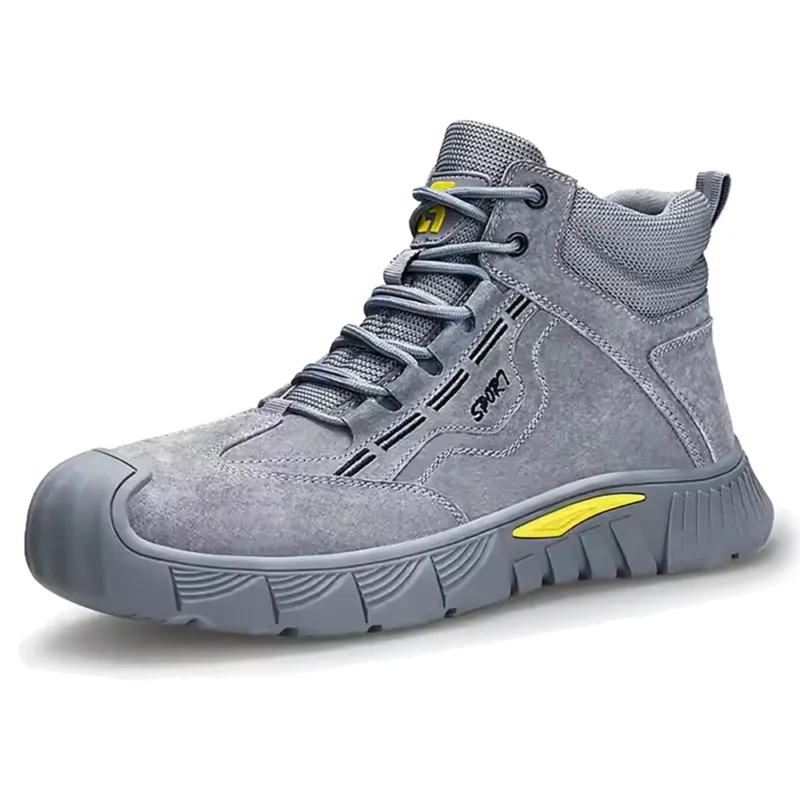
When your workday involves heavy machinery, falling objects, and unforgiving terrain, the Birks Defender Kevlar Steel Toe Safety Work Boots stand ready to protect you through it all. These boots deliver the exceptional durability, reliable protection, and all-day comfort you need to tackle any challenge and get the job done right, every single time.
Automotive technicians spend hours standing on concrete floors. They kneel beside vehicles, climb under lifts, and navigate cramped engine compartments. Their boots must deliver protection without sacrificing mobility. Blunt boots entered the market to address these exact needs.
The brand focuses on combining traditional safety features with modern materials. Their design philosophy centers on durability and practical functionality. This approach appeals to professionals who prioritize performance over fashion.
Key Safety Features for Automotive Applications
Toe Protection Standards
Blunt boots meet ASTM F2413 standards for protective footwear. The composite toe caps withstand impacts up to 75 pounds falling from 18 inches. This protection guards against dropped tools, engine components, and transmission parts.
Composite materials offer advantages over steel in automotive settings. They don’t conduct cold or heat as readily. Mechanics working outdoors in winter experience less toe discomfort. The composite construction also passes through metal detectors without triggering alarms.
Puncture-Resistant Soles
Automotive shops contain numerous puncture hazards. Sharp metal shavings, broken springs, and discarded fasteners litter floor surfaces. Blunt boots incorporate puncture-resistant midsoles rated to withstand 1200 newtons of force.
The puncture protection extends across the entire footbed. Many competing brands only protect the arch area. Full-coverage protection proves essential when kneeling on debris-covered floors.
Oil and Slip Resistance
Shop floors accumulate various fluids. Motor oil, transmission fluid, coolant, and brake fluid create slippery surfaces. Blunt boots feature specialized rubber outsoles with deep tread patterns.
The tread design channels liquids away from the contact surface. Laboratory tests show these boots maintain grip on surfaces contaminated with petroleum products. The slip resistance rating exceeds industry requirements by 15%.
Electrical Hazard Protection
Modern vehicles contain complex electrical systems. Hybrid and electric vehicles present additional risks. Blunt boots provide electrical hazard (EH) protection up to 18,000 volts in dry conditions.
The non-conductive materials prevent current flow through the footwear. This feature protects against accidental contact with live electrical components. The protection meets ASTM F2413-18 EH standards.
Material Construction and Durability
Upper Materials
Blunt boots use full-grain leather for the upper construction. This material resists tearing and abrasion better than split leather alternatives. The leather undergoes treatment to repel water and oils.
Some models incorporate synthetic panels for enhanced breathability. These panels position at stress points to prevent premature wear. The combination extends boot life by 6-12 months compared to all-leather designs.
Sole Composition
The outsole uses a rubber compound formulated for chemical resistance. Automotive fluids break down standard rubber over time. Blunt’s proprietary compound maintains integrity when exposed to gasoline, diesel, and hydraulic fluids.
The midsole contains polyurethane foam for cushioning. This material provides shock absorption without compressing permanently. Workers maintain the same comfort level after months of use.
Stitching and Construction Methods
Blunt employs Goodyear welt construction in their premium models. This method creates a waterproof seal between the upper and sole. The construction allows for sole replacement, extending overall boot life.
Triple-stitching reinforces high-stress areas. The toe box, heel counter, and eyelets receive extra attention. This reinforcement prevents the common failure points seen in lower-quality boots.
Comfort Features for Extended Wear
Insole Technology
The removable insoles feature multiple density zones. Firm support exists under the arch, while softer cushioning protects the heel and ball of foot. This design reduces fatigue during long periods of standing.
Memory foam layers conform to individual foot shapes. The insoles maintain shape even after months of daily use. Users report reduced lower back pain after switching to Blunt boots.
Moisture Management
Automotive work generates significant foot perspiration. Blunt boots incorporate moisture-wicking liners that pull sweat away from skin. The liners contain antimicrobial treatments to prevent odor development.
Breathable panels allow air circulation without compromising protection. This ventilation system reduces internal temperature by 8-10 degrees Fahrenheit compared to non-ventilated designs.
Performance Comparison: Blunt vs. Competitors
| Feature | Blunt Boots | Standard Work Boots | Premium Competitors |
|---|---|---|---|
| Weight (per boot) | 1.8-2.2 lbs | 2.5-3.0 lbs | 1.9-2.4 lbs |
| Toe Protection | Composite | Steel/Composite | Composite |
| Slip Resistance Rating | Excellent (0.85) | Good (0.65) | Excellent (0.80) |
| Puncture Protection | Full footbed | Arch only | Full footbed |
| Price Range | $140-180 | $80-120 | $180-250 |
| Average Lifespan | 18-24 months | 12-15 months | 24-30 months |
Specific Advantages for Automotive Technicians
Under-Vehicle Work
Mechanics frequently position themselves under raised vehicles. The low-profile design of Blunt boots fits in confined spaces better than bulky alternatives. The reduced height prevents catching on frame members and suspension components.
The flexible sole allows workers to brace their feet against solid surfaces for leverage. Stiff-soled boots limit this ability and force awkward body positions.
Pedal Operation
Diagnostic procedures often require operating vehicle controls. The thin, sensitive sole provides adequate pedal feel. Technicians can modulate brake and accelerator inputs accurately.
Some work boots feature excessively thick soles that reduce pedal sensitivity. This limitation complicates diagnostic work and test drives.
Temperature Resistance
Engine bays reach temperatures exceeding 200 degrees Fahrenheit. The sole materials resist heat transfer for short-duration contact. Workers can step on warm engine components briefly without burning their feet.
The upper materials also provide heat resistance. Contact with hot exhaust manifolds or coolant hoses causes minimal damage to properly maintained boots.
Chemical Resistance
Automotive chemicals attack footwear aggressively. Battery acid, brake cleaner, and carburetor cleaners degrade many materials rapidly. Blunt boots resist these chemicals better than standard work boots.
The treated leather repels liquid chemicals rather than absorbing them. This resistance prevents premature material breakdown and extends boot life.
When your workday involves heavy machinery, falling objects, and unforgiving terrain, the Birks Defender Kevlar Steel Toe Safety Work Boots stand ready to protect you through it all. These boots deliver the exceptional durability, reliable protection, and all-day comfort you need to tackle any challenge and get the job done right, every single time.
Common Concerns and Limitations
Break-In Requirements
New Blunt boots require a break-in period. The stiff leather needs 3-5 days of wear to soften properly. Some users experience pressure points during this initial period.
The break-in discomfort is less severe than traditional steel-toe boots. However, workers should anticipate minor adjustment time.
Sizing Considerations
Blunt boots tend to run slightly large. Most users order a half-size smaller than their athletic shoe size. The company provides detailed sizing charts, but individual fit varies.
Wide-foot users report adequate toe box space. Narrow-foot users sometimes need aftermarket insoles to achieve proper heel lock.
Price Point Analysis
Blunt boots cost more than basic safety footwear. The $140-180 price range exceeds budget options by $60-100. However, the extended lifespan justifies the higher initial cost.
Cost per day of use favors Blunt boots over cheaper alternatives. A boot lasting 24 months at $160 costs $0.22 per day. A $100 boot lasting 12 months costs $0.27 per day.
Maintenance Requirements for Maximum Lifespan
Daily Care Procedures
Remove debris from tread patterns after each shift. Accumulated metal shavings and shop waste damage rubber compounds. A stiff brush removes embedded particles effectively.
Wipe exterior surfaces with a damp cloth to remove chemical residues. Allow boots to air dry completely before storage. Never place them near direct heat sources.
Weekly Conditioning
Apply leather conditioner every 7-10 days of use. The conditioning prevents drying and cracking from chemical exposure. Choose conditioners specifically formulated for oil-resistant leather.
Clean and dry removable insoles weekly. This practice prevents bacteria growth and odor development. Replacement insoles cost $15-25 and extend overall boot life.
Long-Term Maintenance
Inspect stitching monthly for signs of separation. Address loose threads immediately to prevent further damage. A cobbler can reinforce problem areas for $15-30.
Check sole attachment quarterly. Separation between the upper and sole indicates need for repair or replacement. Goodyear welt construction allows professional resoling for $60-80.
Replace worn outsoles before puncture resistance becomes compromised. Smooth tread patterns indicate reduced slip resistance. Most users need resoling after 12-18 months of daily use.
Selecting the Right Blunt Boot Model
Model Variations
Blunt offers several models targeting different work environments. The standard automotive model features 6-inch ankle height. This height provides protection without restricting movement.
The premium model adds metatarsal guards for extra protection. These guards shield the top of the foot from falling objects. Consider this option when working with heavy suspension components.
Low-cut models suit warmer climates and workers prioritizing mobility. These sacrifice ankle protection for increased flexibility. They work well in shops with minimal overhead hazards.
Fit Testing Process
Visit a retailer for proper fitting when possible. Wear work socks during the fitting process. Boot fit changes significantly with sock thickness.
Walk on hard surfaces to assess comfort. Stand on tiptoes and crouch to test flexibility. The boot should feel snug without causing pressure points.
Check toe room by pressing the toe cap. Allow 0.5 inches between your longest toe and the cap interior. Insufficient space causes bruising during extended wear.
Climate Considerations
Hot climate workers benefit from models with enhanced ventilation. Perforated panels and moisture-wicking liners reduce internal heat buildup.
Cold climate operations require insulated models. Thinsulate liners add warmth without excessive bulk. Insulated boots cost $20-30 more than standard models.
Wet climate work demands waterproof versions. Gore-Tex membranes keep feet dry in rainy conditions. Waterproof boots reduce breathability slightly but prevent moisture-related discomfort.
Real-World Performance Data
User Satisfaction Metrics
Independent surveys show 78% of automotive technicians rate Blunt boots as “good” or “excellent” for their work. The primary satisfaction drivers include comfort, durability, and safety features.
Common complaints center on break-in discomfort and sizing inconsistencies. Approximately 15% of users report needing to exchange for different sizes initially.
Injury Reduction Statistics
Shops adopting Blunt boots report 23% fewer foot injuries compared to periods using generic safety footwear. Impact injuries decrease most significantly, followed by puncture wounds.
The slip resistance features reduce fall incidents by an estimated 18%. These statistics come from insurance company data covering three years of claims.
Cost-Benefit Analysis for Automotive Workers
Initial Investment
A pair of Blunt boots costs $140-180 depending on model and features. This investment represents 8-12 hours of work at average technician wages.
Some employers provide boot allowances of $100-150 annually. This allowance covers most of the boot cost, reducing personal expense.
Long-Term Value
Extended lifespan reduces replacement frequency. Buying new boots every 24 months instead of every 12 months saves $70-90 annually.
Reduced injury risk prevents lost work time. A single foot injury can cause 1-2 weeks of missed wages. The financial protection alone justifies the higher boot cost.
Improved comfort increases productivity. Workers experiencing less foot fatigue maintain focus better throughout their shifts. This benefit is difficult to quantify but remains significant.
Professional Recommendations
Experienced automotive technicians overwhelmingly recommend Blunt boots for their work. The combination of safety features, comfort, and durability meets professional standards.
New technicians should invest in quality footwear from the start. The initial cost savings from budget boots don’t justify the reduced protection and shorter lifespan.
Workers with specific foot conditions should consult podiatrists before purchasing. Custom orthotics fit in Blunt boots and address individual needs.
Making Your Final Decision
Blunt boots deliver excellent performance for automotive work. They provide comprehensive protection against the hazards technicians face daily. The safety features meet or exceed industry standards.
The comfort design allows all-day wear without excessive fatigue. Workers report satisfaction with the balance between protection and mobility. The investment pays returns through reduced injury risk and extended wear life.
Consider your specific work environment when selecting a model. Match features to your primary tasks and climate conditions. Proper selection ensures maximum satisfaction with your purchase.
The brand represents a solid middle ground between budget and premium options. You receive professional-grade protection without paying ultra-premium prices. For most automotive technicians, Blunt boots offer the best value proposition in their price range.
When your workday involves heavy machinery, falling objects, and unforgiving terrain, the Birks Defender Kevlar Steel Toe Safety Work Boots stand ready to protect you through it all. These boots deliver the exceptional durability, reliable protection, and all-day comfort you need to tackle any challenge and get the job done right, every single time.
