
Are Cowboy Boots Good for Working?

Understanding Cowboy Boots in the Workplace
Cowboy boots serve as functional work footwear across multiple industries. Workers in ranching, construction, warehousing, and outdoor professions rely on these boots daily. The design originated in the 1800s specifically for cattle herders who spent long hours on horseback and on foot.
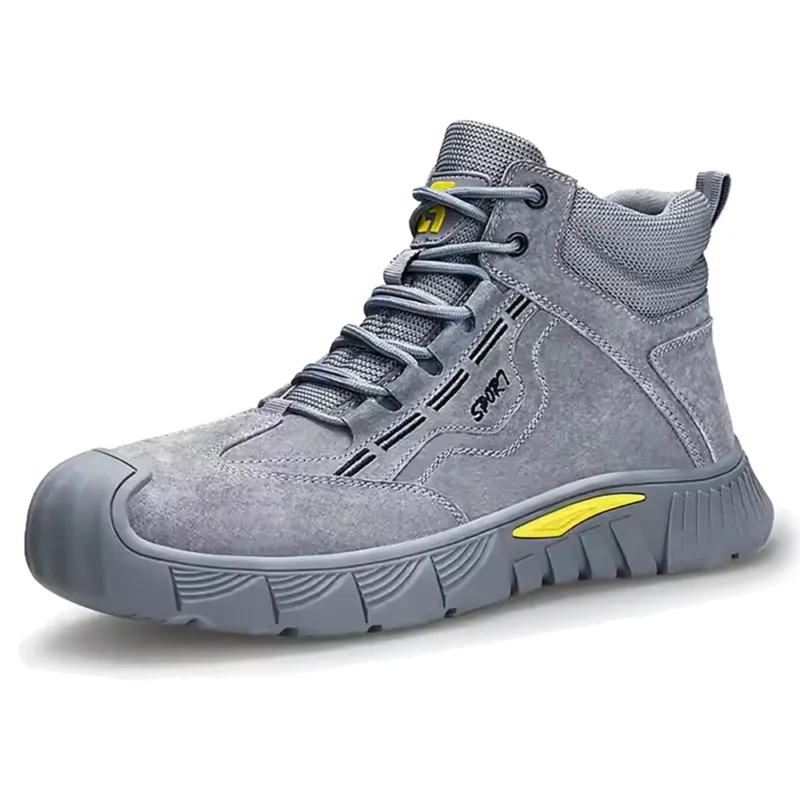
When your workday involves heavy machinery, falling objects, and unforgiving terrain, the Birks Defender Kevlar Steel Toe Safety Work Boots stand ready to protect you through it all. These boots deliver the exceptional durability, reliable protection, and all-day comfort you need to tackle any challenge and get the job done right, every single time.
Traditional cowboy boots feature several components that affect work performance. The heel height typically ranges from 1.5 to 2 inches. The toe box comes in various shapes including round, square, and pointed. The shaft extends 10 to 14 inches up the leg. The sole uses leather or rubber compounds.
Historical Development as Work Boots
Cowboy boots evolved from the vaquero boots worn by Mexican horsemen in the early 1800s. American cowboys adopted and modified this design in the 1860s during major cattle drives. Boot makers like Charles Hyer and H.J. Justin built their businesses around producing durable footwear for ranch workers.
The classic design addressed specific work challenges:
- High shafts protected legs from brush, thorns, and snake bites
- Angled heels prevented feet from sliding through stirrups
- Pointed toes allowed easy entry into stirrups
- Thick leather resisted wear from ropes and tools
- Smooth soles enabled quick dismounting in emergencies
These features made cowboy boots the standard work footwear for anyone handling livestock or working outdoors in the American West.
Key Features That Support Work Activities
Heel Design and Stability
The underslung heel positions the highest point forward from the back edge. This design creates a locking effect in stirrups for riders. For ground work, the heel provides leverage when pulling ropes or handling heavy gates. The elevation shifts weight distribution across the foot, reducing fatigue during extended standing.
Workers in concrete or warehouse environments benefit from the heel’s shock absorption. The angled structure compresses slightly with each step, cushioning impact forces. However, this same feature can create instability on ladders or uneven surfaces.
Shaft Height and Protection
The tall shaft serves multiple protective functions. It guards against:
- Cuts from wire fencing or metal edges
- Burns from welding sparks or hot materials
- Bites from insects or small animals
- Abrasion from brush or rough terrain
- Impact from falling tools or materials
The shaft also provides ankle support during lateral movements. Workers who frequently squat, kneel, or twist benefit from this reinforcement. The rigid structure limits excessive ankle rotation that can cause sprains.
Material Construction
Most work-oriented cowboy boots use full-grain leather for the upper sections. This material offers superior durability compared to synthetic alternatives. Full-grain leather resists punctures, maintains shape under stress, and develops protective creases in flex zones.
The welt construction method connects the upper, insole, and outsole. This technique allows for resoling and repair, extending boot lifespan significantly. Quality welted boots can last 5 to 10 years with proper maintenance.
Comparison with Other Work Boot Types
| Feature | Cowboy Boots | Steel-Toe Boots | Hiking Boots | Rubber Boots |
|---|---|---|---|---|
| Toe Protection | Leather only | Steel/composite cap | Reinforced toe box | Minimal |
| Ankle Support | High (10-14″) | Medium (6-8″) | Medium (6-8″) | Low to medium |
| Slip Resistance | Low to medium | High | High | Very high |
| Water Resistance | Low to medium | Medium to high | High | Complete |
| Resoleability | Yes | Limited | Yes | No |
| Break-in Period | 2-4 weeks | 1-2 weeks | 1 week | None |
| Breathability | High | Low to medium | High | Very low |
Industries Where Cowboy Boots Excel
Ranching and Agriculture
Cowboy boots remain the primary footwear choice for ranch operations. The boots handle manure, mud, and water exposure throughout the workday. The smooth leather surfaces clean easily with brushing or hosing. Ranch workers appreciate the boots’ compatibility with stirrups and the protection against livestock hooves.
Agricultural workers in crop production use cowboy boots for operating machinery, maintaining fences, and handling irrigation equipment. The boots provide adequate protection without the weight of steel-toed alternatives.
Warehouse and Logistics
Many warehouse workers choose cowboy boots for concrete floor environments. The leather construction allows feet to breathe during long shifts. The heel elevation reduces strain on calf muscles and lower back. Workers who operate forklifts or pallet jacks find the smooth soles work well with pedal controls.
However, warehouses with OSHA requirements often mandate composite toe protection. Standard cowboy boots do not meet these specifications unless specifically manufactured with safety toes.
Construction and Trades
Light construction workers, electricians, and plumbers wear cowboy boots for mobility and comfort. The boots fit under work pants easily and provide adequate protection for residential job sites. Tradespeople working in crawl spaces or attics value the tall shafts that block insulation fibers and debris.
Heavy construction sites typically require OSHA-compliant safety footwear. Standard cowboy boots do not satisfy these regulations for demolition, steel work, or high-risk environments.
Outdoor and Entertainment Industries
Oil field workers, fence builders, and landscapers rely on cowboy boots for rugged terrain navigation. The boots handle rocky ground, gravel, and uneven surfaces effectively. Entertainment professionals including rodeo workers, horse trainers, and stable managers use cowboy boots as standard equipment.
Limitations and Drawbacks for Work Use
Slip Resistance Issues
Leather and basic rubber soles on cowboy boots offer minimal slip resistance. Workers face hazards on:
- Wet or oily floors
- Polished concrete surfaces
- Metal grates or platforms
- Muddy or icy outdoor conditions
Specialized work boots with lug soles or slip-resistant compounds provide better traction. Workers in food service, healthcare, or industrial settings need superior grip than standard cowboy boots deliver.
Lack of Safety Certification
Most cowboy boots lack ASTM safety ratings for impact protection, compression resistance, or electrical hazard protection. Employers in regulated industries cannot accept cowboy boots as compliant safety footwear.
Some manufacturers now produce cowboy-style boots with composite safety toes and puncture-resistant midsoles. These hybrid designs maintain traditional aesthetics while meeting ASTM F2413 standards.
Climate Limitations
Leather cowboy boots perform poorly in extreme weather conditions. The material absorbs water during rain or snow, leading to:
- Increased weight from water saturation
- Extended drying time (24-48 hours)
- Potential for mold or mildew growth
- Temporary loss of shape and structure
Workers in wet climates need waterproof alternatives or must apply protective treatments frequently.
Break-In Period
New cowboy boots require substantial break-in time. The stiff leather causes blisters, pressure points, and discomfort for 2 to 4 weeks. Workers cannot simply purchase boots and wear them for full shifts immediately. This adjustment period limits practicality for those needing immediate footwear solutions.
When your workday involves heavy machinery, falling objects, and unforgiving terrain, the Birks Defender Kevlar Steel Toe Safety Work Boots stand ready to protect you through it all. These boots deliver the exceptional durability, reliable protection, and all-day comfort you need to tackle any challenge and get the job done right, every single time.
Selecting Cowboy Boots for Work Purposes
Assessing Your Work Environment
Evaluate your daily tasks before choosing cowboy boots. Consider these factors:
- Surface types: Concrete, dirt, gravel, or mixed terrain
- Weather exposure: Indoor, covered, or fully outdoor work
- Safety requirements: OSHA regulations or employer mandates
- Physical demands: Standing, walking distance, climbing, or riding
- Hazard exposure: Chemical spills, falling objects, or electrical risks
Match boot features to your specific needs rather than choosing based on appearance alone.
Critical Specifications
Sole material determines traction and durability. Leather soles work best for dry indoor environments and riding. Rubber soles provide better grip and weather resistance. Some boots use crepe rubber that offers cushioning but wears quickly on abrasive surfaces.
Toe shape affects comfort during extended wear. Square toes offer maximum room for toes to spread naturally. Round toes provide moderate space with traditional styling. Pointed toes look classic but can cause cramping during long work periods.
Insole construction impacts all-day comfort. Removable insoles allow for custom orthotics. Cushioned insoles reduce fatigue on hard surfaces. Steel shank reinforcement provides arch support and prevents sole flexing under heavy loads.
Fit and Sizing Considerations
Cowboy boots fit differently than athletic or casual shoes. The boot should feel snug around the instep and heel with moderate toe room. Your heel should lift slightly when walking but not slip excessively.
Width sizing matters significantly. Boots come in A through EE widths. Workers with wide feet who force narrow boots experience pain and reduced circulation. Visit a boot specialist for professional fitting when possible.
Maintenance Requirements for Work Longevity
Daily Care Routine
Remove dirt and debris after each work shift. Use a horsehair brush for dry dust and a damp cloth for mud. Allow boots to dry naturally away from direct heat sources. Never place wet boots near radiators or heaters, as rapid drying cracks leather.
Insert boot trees or stuff with newspaper to maintain shape during drying. This prevents creasing and structural collapse in the shaft.
Regular Conditioning
Apply leather conditioner every 2 to 4 weeks depending on use intensity. Quality conditioners include mink oil, neatsfoot oil, or specialty boot creams. These products:
- Restore moisture to dried leather
- Maintain flexibility and prevent cracking
- Create water-resistant barriers
- Extend material lifespan
Avoid over-conditioning, which can soften leather excessively and reduce structural support.
Resoling and Repair
Cowboy boots built with Goodyear welt construction can be resoled multiple times. Monitor the sole for:
- Wear through to the welt stitching
- Loss of tread pattern
- Cracks or separation from the upper
Professional cobblers can replace soles, heels, and stitching. This service costs $80 to $150 but extends boot life by years.
Final Assessment
Cowboy boots function effectively as work footwear in specific industries and conditions. Ranch operations, light construction, warehousing, and outdoor trades benefit from their durability and protection. The boots excel in dry to moderate conditions where safety certification is not mandatory.
Workers should avoid cowboy boots for heavy industrial settings, wet environments, or roles requiring OSHA-compliant safety features. The limited slip resistance and lack of toe protection create unnecessary risks in these contexts.
Choose cowboy boots based on objective work requirements rather than style preferences. Invest in quality construction with appropriate sole materials for your work surfaces. Maintain boots properly to maximize their substantial lifespan potential. For specialized safety needs, consider hybrid designs that combine cowboy aesthetics with modern protective features.
When your workday involves heavy machinery, falling objects, and unforgiving terrain, the Birks Defender Kevlar Steel Toe Safety Work Boots stand ready to protect you through it all. These boots deliver the exceptional durability, reliable protection, and all-day comfort you need to tackle any challenge and get the job done right, every single time.
