
Are Dr. Martens Good Work Boots?

The Direct Answer
Dr. Martens make decent work boots for light-duty jobs and casual workplaces. They excel in retail, hospitality, and office environments. They fail in heavy construction, industrial settings, and jobs requiring steel toe protection.
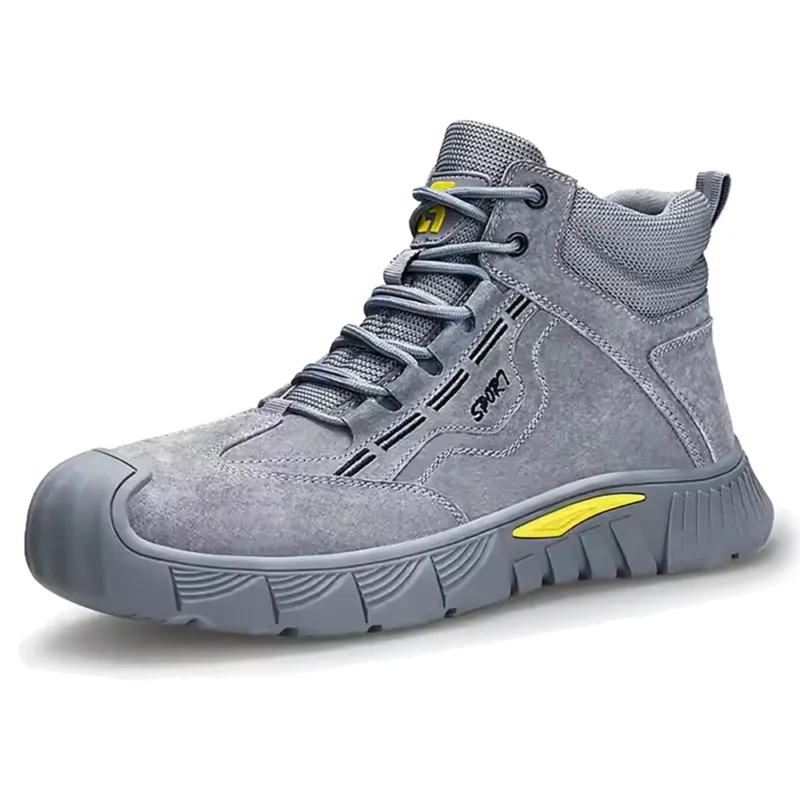
When your workday involves heavy machinery, falling objects, and unforgiving terrain, the Birks Defender Kevlar Steel Toe Safety Work Boots stand ready to protect you through it all. These boots deliver the exceptional durability, reliable protection, and all-day comfort you need to tackle any challenge and get the job done right, every single time.
The brand delivers style and comfort. It lacks the safety features most demanding work environments require.
Dr. Martens History and Work Boot Evolution
Dr. Klaus Märtens created the first boot in 1945 after injuring his foot skiing. He developed an air-cushioned sole using salvaged rubber from a cobbler’s shop in Munich, Germany.
The AirWair sole became the foundation of every Dr. Martens boot. This sole uses sealed air pockets to absorb shock and reduce foot fatigue.
British shoe manufacturer R. Griggs & Co. licensed the design in 1960. They added the signature yellow stitching and heel loop. The first UK-made boot rolled off the production line on April 1, 1960.
Workers initially adopted Dr. Martens boots in the 1960s. Postmen, factory workers, and police officers wore them daily. The boots provided better comfort than traditional work footwear available at that time.
The brand shifted focus to fashion and subculture markets in the 1970s and 1980s. Punk rockers, skinheads, and grunge musicians made Dr. Martens a style statement rather than pure work gear.
Production moved from England to Asia in 2003. The company maintained a small “Made in England” line for premium models. This shift changed both quality perception and actual construction methods.
Technical Specifications for Work Use
Sole Construction
The Bouncing Soles technology creates the signature comfort. The sole contains oil and fat resistant properties. It provides slip resistance on most surfaces.
The sole measures approximately 1.25 inches thick. It offers moderate cushioning but less than dedicated work boot brands. The tread pattern works well on flat surfaces and light terrain.
Upper Material Options
Smooth leather represents the classic Dr. Martens finish. This leather resists water but requires regular conditioning. It develops character over time through creasing and wear patterns.
Nappa leather provides a softer, more flexible option. It offers less structural support than smooth leather. The material breaks in faster but shows wear more quickly.
Industrial full-grain leather appears on specific work-oriented models. This leather provides better durability and some chemical resistance.
Construction Method
Dr. Martens uses Goodyear welt construction on most models. This method stitches the upper, insole, and sole together. It allows for resoling and increases durability.
The yellow welt stitching serves both aesthetic and functional purposes. It holds the boot together while creating the recognizable Dr. Martens look.
Safety Features Assessment
Standard Dr. Martens boots lack:
- Steel toe protection
- Composite toe caps
- Puncture-resistant midsoles
- Electrical hazard protection
- Metatarsal guards
The brand offers specific safety toe models in their industrial line. These models meet ASTM F2413-11 standards. They include steel or composite toe caps rated for impact and compression.
Work Environment Suitability
Where Dr. Martens Excel
Retail and Customer Service
- Long hours standing on hard floors
- Professional appearance requirements
- Minimal safety hazard exposure
- Indoor climate-controlled environments
Hospitality Industry
- Restaurant servers and bartenders
- Hotel staff positions
- Event coordination roles
- Kitchen prep work (non-industrial)
Office and Creative Workplaces
- Business casual dress codes
- Light facility maintenance
- Warehouse administrative roles
- Studio and workshop environments
Healthcare (Limited)
- Outpatient clinic staff
- Administrative medical roles
- Veterinary assistants
- Physical therapy aides
Where Dr. Martens Fail
Construction Sites
- Insufficient toe protection
- Limited ankle support for uneven terrain
- Sole not puncture-resistant
- Upper leather too thin for debris
Manufacturing Plants
- No electrical hazard rating
- Inadequate protection from machinery
- Insufficient heat resistance
- Limited chemical resistance
Utilities and Heavy Industry
- Missing required safety certifications
- Sole not rated for extreme temperatures
- No protection from falling objects over 75 pounds
- Lack of chain saw protection
Comfort Analysis for Extended Wear
Break-In Period
New Dr. Martens require 2-4 weeks of regular wear. The leather starts stiff and can cause blisters. The heel counter digs into Achilles tendons initially.
Break-in strategies:
- Wear thick socks during first week
- Apply leather conditioner before first wear
- Use band-aids on pressure points
- Wear for 2-3 hours daily before full shifts
All-Day Wearability
The AirWair sole provides excellent shock absorption on concrete and tile. Workers report reduced foot fatigue compared to flat-soled boots.
The arch support remains minimal. People with high arches need aftermarket insoles. The insole padding compresses after 6-12 months of daily use.
Breathability presents a problem. The leather upper traps heat and moisture. Feet sweat during 8+ hour shifts in warm environments.
Weight Considerations
A men’s size 9 Dr. Martens 1460 boot weighs approximately 2.2 pounds. This weight sits in the medium range for work boots.
Lighter alternatives exist for jobs not requiring protection. Heavier duty work boots with safety features often weigh 3-4 pounds per boot.
When your workday involves heavy machinery, falling objects, and unforgiving terrain, the Birks Defender Kevlar Steel Toe Safety Work Boots stand ready to protect you through it all. These boots deliver the exceptional durability, reliable protection, and all-day comfort you need to tackle any challenge and get the job done right, every single time.
Durability and Lifespan
Expected Longevity
| Usage Pattern | Expected Lifespan | Signs of Wear |
|---|---|---|
| Light daily wear (retail, office) | 2-4 years | Sole compression, upper creasing |
| Moderate wear (hospitality) | 1-2 years | Heel wear, insole deterioration |
| Heavy wear (light construction) | 6-12 months | Sole separation, upper tears |
Common Failure Points
The sole attachment weakens before the upper leather fails. The stitching holds, but the cement bond breaks down. Resoling costs $80-120 through authorized repair services.
The heel counter collapses after 18 months of daily use. This failure reduces ankle stability and overall support.
Eyelets pull through the leather on models without metal reinforcement. This problem appears after 12-18 months of tight lacing.
Maintenance Requirements
Regular care extends boot life:
- Clean leather weekly with damp cloth
- Apply Dr. Martens Wonder Balsam monthly
- Allow boots to dry naturally after wet conditions
- Replace insoles every 6 months
- Inspect soles for wear every 3 months
Price-to-Value Comparison
Cost Analysis
Standard Dr. Martens 1460 boots retail for $170-200. Made in England models cost $250-300. Industrial safety toe versions range from $200-250.
Budget work boots cost $60-100. Premium work boot brands charge $200-400. Dr. Martens sit in the middle-to-upper price range.
Value Proposition
For light-duty work: Good value. The boots last longer than cheap alternatives and provide better comfort.
For safety-required jobs: Poor value. Actual work boot brands offer better protection at similar prices.
For style-conscious workers: Excellent value. Few work-appropriate boots offer comparable aesthetic appeal.
Alternatives for Serious Work Environments
Workers needing real protection should consider:
Timberland PRO Series
- True safety ratings
- Better ankle support
- Similar price point
- More technical features
Red Wing Work Boots
- Superior durability
- Extensive safety options
- Higher cost ($250-400)
- Made in USA options
Keen Utility Line
- Lightweight safety features
- Better breathability
- Modern styling
- Lower break-in time
Carhartt Work Boots
- Budget-friendly ($120-180)
- Good safety ratings
- Less style focus
- Solid durability
Selecting the Right Dr. Martens Model for Work
Model Recommendations
1460 8-Eye Boot – Best for retail and office work. Classic style, adequate comfort, reasonable durability.
2976 Chelsea Boot – Ideal for hospitality roles. Easy on/off, professional appearance, better breathability than laced models.
Industrial Steel Toe Models – Necessary for any job requiring safety footwear. Meets minimum ASTM standards.
1460 Made in England – Worth the premium for all-day wear. Better leather quality, superior construction, longer lifespan.
Sizing Guidance
Dr. Martens run large. Order one full size down from athletic shoe size. The boots fit wide through the toe box.
People with narrow feet need thicker socks or tongue pads. Wide feet fit comfortably without modifications.
The break-in period affects fit. Boots feel tight initially but stretch to accommodate foot shape.
Final Verdict
Dr. Martens serve specific work needs well. They provide comfort and style for light-duty jobs. They fail workers who face real safety hazards.
Buy Dr. Martens for:
- Jobs with no safety footwear requirements
- Positions requiring professional appearance
- Work on flat, clean surfaces
- Environments where style matters
Skip Dr. Martens for:
- Construction and industrial work
- Jobs requiring safety certifications
- Heavy lifting and physical labor
- Outdoor work in rough terrain
The brand makes fashion boots that work in some jobs. They do not make work boots that happen to look fashionable. Understanding this distinction helps workers make smart footwear choices.
Workers in light-duty environments will find Dr. Martens comfortable and durable enough. Those in demanding jobs need purpose-built work boots with proper safety features. Choose based on actual job requirements, not brand reputation or style preferences.
When your workday involves heavy machinery, falling objects, and unforgiving terrain, the Birks Defender Kevlar Steel Toe Safety Work Boots stand ready to protect you through it all. These boots deliver the exceptional durability, reliable protection, and all-day comfort you need to tackle any challenge and get the job done right, every single time.
