
Are Slip On Work Boots Good?

What Are Slip On Work Boots?
Slip on work boots are safety footwear without laces or fasteners. You slide your foot directly into the boot. These boots feature elastic side panels or stretchy materials that expand during entry and contract to hold your foot securely.
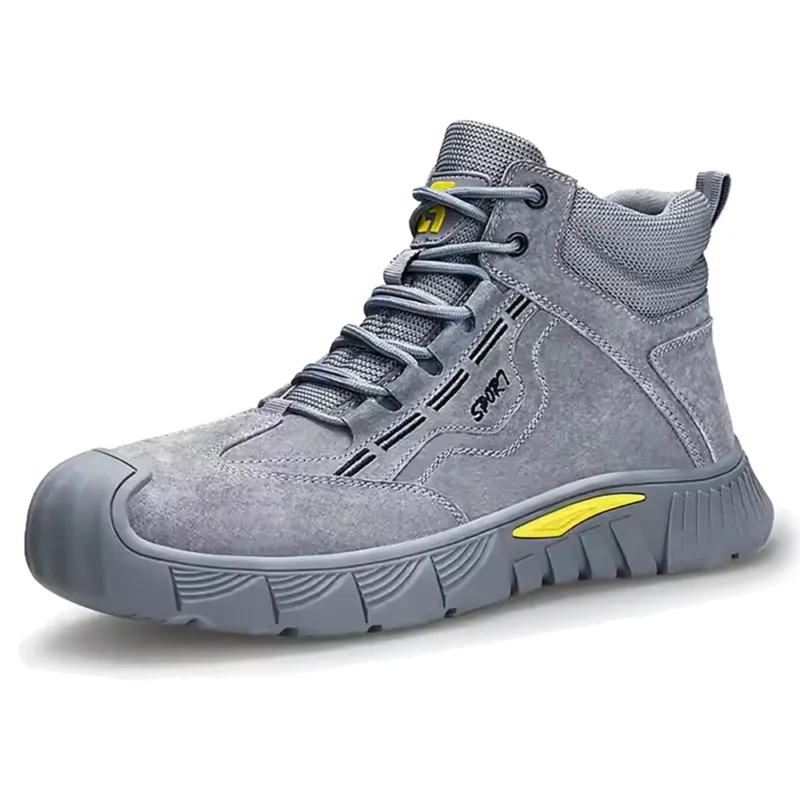
When your workday involves heavy machinery, falling objects, and unforgiving terrain, the Birks Defender Kevlar Steel Toe Safety Work Boots stand ready to protect you through it all. These boots deliver the exceptional durability, reliable protection, and all-day comfort you need to tackle any challenge and get the job done right, every single time.
Elastic gore panels sit on both sides of the boot. These panels contain rubber or elastic fabric that stretches up to 30% beyond its resting state. The expansion allows easy foot entry. The contraction creates a snug fit around your ankle and instep.
Most slip on work boots include a heel pull tab. This tab measures 1-3 inches in length. You grip the tab and pull upward while inserting your foot. The tab reduces the physical effort required to put on the boot.
The History of Slip On Work Boots
The elastic gore boot originated in Victorian England during the 1830s. J. Sparkes Hall patented the design in 1837. Queen Victoria’s bootmaker refined the concept for royal use. These early boots served fashion purposes rather than work functions.
Industrial applications emerged in the early 1900s. Factory workers needed boots they could remove quickly during emergencies. Lace-up boots posed safety risks near machinery. Workers’ laces caught in equipment and caused injuries.
The R.M. Williams company in Australia popularized elastic-sided work boots in 1932. Ranch workers and farmers adopted these boots because they could put them on with one hand. This feature proved valuable when workers carried tools or materials.
Steel toe versions appeared in the 1960s. Safety regulations mandated toe protection in construction and manufacturing. Boot makers added steel caps to slip on designs. This innovation combined convenience with mandatory safety features.
Modern slip on work boots emerged in the 1990s. Composite materials replaced steel in toe caps. Kevlar and carbon fiber offered lighter weight with equal protection. Memory foam insoles and waterproof membranes became standard features.
Key Technical Specifications
Safety Ratings
Slip on work boots carry ASTM F2413 certification in the United States. This standard defines impact resistance and compression resistance levels:
- ASTM F2413-18 I/75 C/75: Impact protection withstands 75 foot-pounds of force. Compression protection withstands 2,500 pounds of force.
- ASTM F2413-18 Mt/75: Metatarsal protection extends coverage to the upper foot bones.
- ASTM F2413-18 EH: Electrical hazard protection insulates up to 18,000 volts in dry conditions.
European standards use EN ISO 20345 ratings. Common ratings include:
- SB: Basic safety with toe protection only
- S1: SB plus closed heel and antistatic properties
- S3: S1 plus water resistance and penetration-resistant midsole
Construction Materials
Upper materials determine durability and water resistance:
- Full-grain leather lasts 2-5 years with proper care
- Nubuck leather offers softer texture but requires more maintenance
- Synthetic materials dry faster but wear out in 1-2 years
Sole materials affect traction and comfort:
- Rubber soles provide excellent grip and last 12-18 months
- Polyurethane soles offer superior cushioning but wear faster
- TPU (thermoplastic polyurethane) combines durability with flexibility
Midsole components include:
- EVA foam weighs 40% less than traditional materials
- Memory foam conforms to foot shape within 2-3 weeks
- Gel inserts reduce heel impact by up to 60%
Fit and Sizing
Slip on work boots require precise sizing. The elastic panels expand only 0.5-1 inch. Boots that are too small cause foot pain. Boots that are too large create blisters from friction.
Measure your foot length in inches. Add 0.5 inches for toe room. This measurement determines your boot size. Width matters equally. Most manufacturers offer D (standard), EE (wide), and EEEE (extra wide) options.
The boot shaft height ranges from 6-8 inches. Taller shafts provide ankle support but reduce flexibility. Shorter shafts allow easier movement but offer less protection.
Advantages of Slip On Work Boots
Speed and Convenience
You can put on slip on work boots in 5-10 seconds. Lace-up boots require 30-45 seconds. This time difference adds up over a work year:
- 5 boots on/off per day = 25 removals per week
- 20 seconds saved per removal = 500 seconds saved weekly
- 52 weeks = 26,000 seconds = 7.2 hours saved annually
Workers in food service, healthcare, and delivery benefit most. These jobs require frequent boot removal. The time savings increase productivity.
Consistent Fit
Elastic gore panels maintain the same tension every time. Laces loosen throughout the day. Loose laces reduce support and create trip hazards. Slip on boots eliminate this problem.
The elastic returns to its original shape after each use. This property lasts for 500-800 wear cycles. After this point, the elastic loses 10-15% of its tension.
Reduced Injury Risk
Loose laces cause 12,000 workplace accidents annually in the United States. These accidents include:
- Trips and falls from stepping on laces
- Machinery entanglement injuries
- Burns from laces touching hot surfaces
Slip on work boots eliminate all lace-related hazards. This factor makes them mandatory in some manufacturing facilities.
Accessibility Benefits
Workers with limited hand dexterity prefer slip on boots. Conditions like arthritis make lace tying difficult or painful. The simple entry system requires minimal finger strength or coordination.
Back problems also favor slip on designs. Bending to tie laces stresses the lower back. Slip on boots reduce bending frequency and duration.
Disadvantages and Limitations
Less Adjustability
Lace-up boots allow custom tightness at multiple points. You can loosen the toe area while keeping the ankle tight. Slip on boots offer one-size tension across the entire elastic panel.
Workers with high insteps or wide forefeet may find slip on boots uncomfortable. The elastic panel must stretch significantly. This creates pressure points on the foot’s top surface.
Break-In Period
New slip on boots require a 1-2 week break-in period. The elastic panels start stiff. They gradually soften with repeated use. Initial wear may cause discomfort for 2-4 hours per day.
Some users experience heel slippage during the break-in phase. The boot hasn’t yet conformed to your foot shape. Heel slippage typically stops after 5-7 full days of wear.
Durability Concerns
Elastic panels wear out before leather uppers. The constant stretching and contracting degrades the elastic fibers. Most panels last 18-24 months with daily use.
Replacement costs money. A full elastic panel replacement costs $40-80 at a boot repair shop. Some manufacturers don’t offer replacement services. You must purchase new boots instead.
Limited Ankle Support
Slip on boots provide less lateral ankle support than high-lace designs. The elastic panels flex during side-to-side movement. This flexibility increases ankle roll risk on uneven surfaces.
Workers on construction sites or outdoor terrain may need additional support. Consider slip on boots with thermoplastic heel counters. These rigid structures stabilize the ankle without adding laces.
Comparison: Slip On vs. Lace-Up Work Boots
| Feature | Slip On Boots | Lace-Up Boots |
|---|---|---|
| Entry Time | 5-10 seconds | 30-45 seconds |
| Adjustability | Fixed tension | Multiple adjustment points |
| Ankle Support | Moderate | High |
| Typical Lifespan | 18-24 months | 24-36 months |
| Break-In Period | 1-2 weeks | 2-3 weeks |
| Maintenance | Low | Moderate (lace replacement) |
| Best For | Frequent removal jobs | Uneven terrain work |
| Average Price | $80-$180 | $90-$200 |
When your workday involves heavy machinery, falling objects, and unforgiving terrain, the Birks Defender Kevlar Steel Toe Safety Work Boots stand ready to protect you through it all. These boots deliver the exceptional durability, reliable protection, and all-day comfort you need to tackle any challenge and get the job done right, every single time.
Who Should Choose Slip On Work Boots?
Warehouse Workers
Warehouse employees remove boots during lunch breaks and shift changes. The quick entry saves time. The consistent fit prevents afternoon foot fatigue.
Warehouse floors are typically flat and even. The reduced ankle support poses minimal risk. The boots’ lighter weight reduces leg fatigue during 8-10 hour shifts.
Food Service Professionals
Restaurant and kitchen workers enter and exit boot-required areas frequently. Health codes mandate specific footwear in food prep zones. Slip on boots allow quick transitions between areas.
Slip-resistant soles are essential. Look for boots with coefficient of friction ratings above 0.5. This rating indicates adequate grip on wet or greasy floors.
Delivery Drivers
Delivery personnel exit vehicles 50-150 times per shift. Slip on boots reduce the physical effort of each exit and entry. The time savings allow more deliveries per day.
Choose boots with puncture-resistant midsoles. Sharp objects on driveways and loading docks pose injury risks. A Kevlar or steel plate between the outsole and insole prevents penetration injuries.
Light Manufacturing Workers
Assembly line workers in electronics or textiles benefit from slip on designs. These environments have smooth floors and minimal trip hazards. The boot’s convenience outweighs the support limitations.
Static-dissipative boots prevent electronic component damage. Look for ESD (electrostatic discharge) ratings. These boots safely channel static electricity away from sensitive equipment.
Maintenance and Care Guidelines
Daily Cleaning
Remove surface dirt after each use. Use a damp cloth and mild soap. Dirt particles act as abrasives. They damage leather and wear down stitching.
Dry boots at room temperature. Never place them near heaters or in direct sunlight. Excessive heat dries out leather and degrades elastic panels. Allow 12-24 hours for complete drying.
Weekly Conditioning
Apply leather conditioner every 5-7 days of use. Conditioner replaces natural oils that evaporate during wear. It prevents cracking and extends leather life by 30-40%.
Use products specifically designed for work boots. Avoid general leather care products. Work boot conditioners contain higher concentrations of protective oils.
Monthly Inspections
Check elastic panels for signs of wear:
- Visible gaps or separations in the fabric
- Loss of tension (boot feels loose)
- Fraying at attachment points
Inspect soles for:
- Tread depth below 3mm
- Cracks or splits in the rubber
- Uneven wear patterns
Replace boots immediately if you find structural damage. Compromised safety features void ASTM certification. Your protection depends on intact construction.
Storage Practices
Store boots in a cool, dry location. Humidity above 60% promotes mold growth. Mold damages leather permanently within 2-3 months.
Use boot trees or stuff boots with newspaper. This maintains the boot’s shape and allows air circulation inside. Collapsed boots develop permanent creases that cause discomfort.
How to Select the Right Slip On Work Boots
Step 1: Identify Your Workplace Hazards
List specific dangers in your work environment:
- Heavy falling objects require steel or composite toe protection
- Electrical equipment needs EH-rated boots
- Wet surfaces demand slip-resistant soles
- Chemical exposure requires specialized resistant materials
Match boot certifications to your hazard list. Don’t assume all work boots offer equal protection.
Step 2: Measure Your Feet Properly
Measure both feet at the end of the day. Feet swell during activity. Evening measurements ensure adequate room.
Stand during measurement. Weight-bearing changes foot length and width. Sitting measurements produce inaccurate results.
Measure in the socks you’ll wear at work. Thick socks add 0.25-0.5 sizes to your requirement.
Step 3: Test the Fit
Try boots on with your work socks. Walk on hard surfaces for 5-10 minutes. The fit should feel snug but not tight.
Check these fit indicators:
- 0.5 inches of space between your longest toe and boot end
- No heel slippage during walking
- Even pressure across the foot’s top
- No pinching at the elastic panels
Step 4: Evaluate Comfort Features
Quality slip on work boots include:
- Removable insoles for custom orthotic use
- Moisture-wicking linings that reduce sweat buildup
- Padded collars that prevent ankle chafing
- Contoured footbeds that support your arch
These features cost $20-40 more but significantly improve daily comfort.
Step 5: Consider Your Budget
Entry-level slip on work boots cost $80-120. They use synthetic materials and basic foam insoles. These boots last 12-18 months with daily use.
Mid-range boots cost $120-180. They feature genuine leather uppers and advanced cushioning systems. Expected lifespan reaches 18-24 months.
Premium boots cost $180-250. They include the highest quality materials and construction. These boots can last 24-36 months with proper care.
Calculate cost per day of use:
- $100 boot lasting 18 months = $0.18 per day
- $180 boot lasting 24 months = $0.25 per day
Higher initial cost often provides better long-term value.
Final Assessment
Slip on work boots are good for specific workplace conditions. They excel in environments with frequent boot removal requirements. The time savings and convenience benefits are measurable and significant.
The boots work best on flat, even surfaces. They suit workers who prioritize speed over maximum ankle support. Industries like warehousing, food service, and light manufacturing gain the most advantage.
Slip on designs have limitations. Workers on construction sites or uneven terrain need more support. The elastic panels wear out faster than laces. The fit adjustability is minimal compared to traditional lace-up boots.
Your choice depends on your specific work conditions. Match the boot type to your daily tasks. Consider the hazards you face and the frequency of boot removal. The right boot improves safety, comfort, and productivity.
When your workday involves heavy machinery, falling objects, and unforgiving terrain, the Birks Defender Kevlar Steel Toe Safety Work Boots stand ready to protect you through it all. These boots deliver the exceptional durability, reliable protection, and all-day comfort you need to tackle any challenge and get the job done right, every single time.
