
Are Timberland Boots Good for Work?

Understanding Timberland’s Work Boot Heritage
Timberland boots have earned their reputation through decades of field testing. The company started in 1952 as the Abington Shoe Company in Massachusetts. In 1973, they released the original waterproof boot that changed the industry.
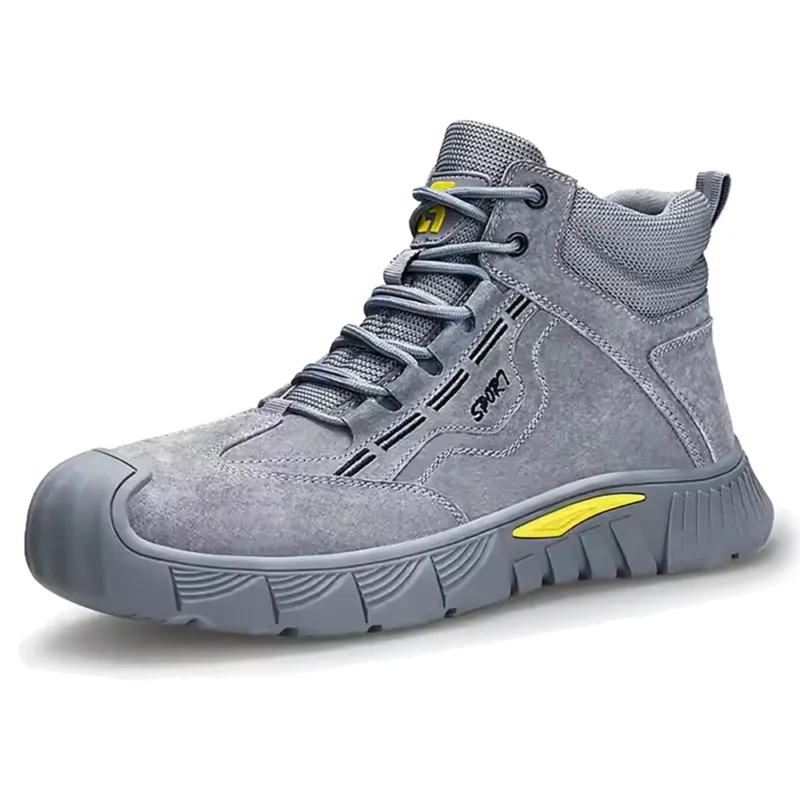
When your workday involves heavy machinery, falling objects, and unforgiving terrain, the Birks Defender Kevlar Steel Toe Safety Work Boots stand ready to protect you through it all. These boots deliver the exceptional durability, reliable protection, and all-day comfort you need to tackle any challenge and get the job done right, every single time.
The brand built its name on construction sites and lumber yards. Workers needed footwear that could handle wet conditions, rough terrain, and long hours. Timberland delivered with injection-molded construction that fused the upper leather directly to the rubber sole.
This method created a waterproof seal without stitching. Traditional stitched boots failed when water seeped through needle holes. Timberland’s approach eliminated this weakness.
Core Features That Support Work Environments
Waterproof Protection Systems
Timberland PRO work boots use multiple layers to block moisture:
- Direct-attach construction: Bonds rubber to leather at 300 degrees Fahrenheit
- Seam-sealed design: Internal tape covers all stitching points
- Waterproof membranes: Gore-Tex or proprietary TimberDry linings
- Treated leather: Full-grain leather receives waterproofing treatment before assembly
These boots keep feet dry in puddles, mud, and light rain. The waterproofing typically lasts 6-12 months before requiring retreatment.
Safety Toe Options
Timberland offers three toe protection types:
Steel Toe: Weighs 12-16 ounces per boot. Meets ASTM F2413-18 standards for 75 pounds of impact resistance and 2,500 pounds of compression resistance. Best for heavy manufacturing and construction.
Composite Toe: Weighs 8-10 ounces per boot. Provides same ASTM protection as steel. Made from carbon fiber, Kevlar, or fiberglass. Does not conduct heat or cold. Passes through metal detectors.
Alloy Toe: Weighs 6-8 ounces per boot. Lighter than steel but heavier than composite. Made from aluminum or titanium alloys. Offers standard ASTM protection in a thinner profile.
Slip Resistance Technology
Timberland PRO outsoles feature:
- Multi-directional lugs: Deep treads that grip surfaces from multiple angles
- Rubber compounds: Oil-resistant materials that maintain flexibility
- Heel brake systems: Raised patterns that increase stopping power
- Channel designs: Grooves that evacuate water and debris
The Anti-Fatigue Technology midsole adds another layer. Geometric cone shapes compress and return energy with each step. This reduces foot fatigue during 8-12 hour shifts.
Specific Work Applications
Construction and Trades
Contractors favor Timberland PRO Pit Boss and Boondock models. These boots handle:
- Sharp objects (nails, screws, metal shards)
- Heavy materials (lumber, concrete blocks, tools)
- Variable terrain (gravel, mud, scaffolding)
- Weather exposure (rain, snow, temperature swings)
The 6-inch and 8-inch heights provide ankle support on uneven ground. Full-grain leather resists abrasions from concrete and wood. Electrical hazard protection guards against open circuits up to 600 volts.
Warehouse and Logistics
Distribution center workers need different features. They walk 10-15 miles per shift on concrete floors. The Timberland PRO Powertrain series addresses this with:
- Dual-density cushioning: Soft foam top layer, firm support base
- Breathable mesh panels: Reduces moisture buildup during movement
- Lower cut designs: Athletic shoe styling with safety toe protection
- Lighter weight: 2-3 pounds per pair versus 4-5 pounds for traditional boots
Static-dissipative models prevent electrostatic discharge in electronics facilities.
Food Service and Healthcare
These industries require slip-resistant outsoles certified for wet, greasy surfaces. Timberland PRO Endurance models feature:
- Exclusive rubber formulas: Tested on cooking oil and cleaning solutions
- Higher traction ratings: Coefficient of friction scores above 0.5
- Non-marking soles: Leave no scuff marks on polished floors
- Easy-clean uppers: Smooth leather that wipes down quickly
Some healthcare facilities mandate specific color requirements. Timberland offers black, brown, and white options.
Manufacturing and Industrial
Factory workers face chemical exposure, heat, and repetitive motion. Timberland addresses these with:
- Chemical-resistant materials: Polyurethane and rubber that withstand solvents
- Heat-resistant outsoles: Rated for contact up to 248 degrees Fahrenheit
- Metatarsal guards: External shields covering the midfoot area
- Puncture-resistant plates: Kevlar or steel inserts in the midsole
The Timberland PRO TiTAN line combines all these features for extreme conditions.
Technical Specifications Comparison
| Feature | Standard Timberland | Timberland PRO | Premium PRO Models |
|---|---|---|---|
| Safety Toe | Optional | Standard | Multiple Options |
| Waterproofing | Basic Treatment | Direct-Attach | Multi-Layer System |
| Weight (per boot) | 2.5-3.5 lbs | 2-3 lbs | 1.5-2.5 lbs |
| Insulation Options | Limited | 200g-400g | Up to 600g |
| Price Range | $120-180 | $140-220 | $180-280 |
| Warranty Coverage | 1 Year | 1 Year | 1-2 Years |
Long-Term Durability Analysis
Expected Lifespan by Work Type
Light-duty office or retail work: 2-3 years of daily use. The upper leather holds up well with minimal stress. Outsoles show moderate wear.
Medium-duty warehouse or light construction: 12-18 months. Concrete floors accelerate outsole degradation. Leather develops creases but remains intact.
Heavy-duty construction or manufacturing: 6-12 months. Abrasive materials and sharp objects shorten life. Most failures occur at the sole-upper junction.
Common Failure Points
Outsole separation: Occurs when adhesive bonds break down. Exposure to petroleum products accelerates this. Re-gluing costs $40-60 versus $180 for new boots.
Upper leather tears: Happen near flex points after repeated bending. Full-grain leather resists this better than split leather. Conditioning every 4-6 weeks extends life.
Insole compression: The footbed loses cushioning after 400-600 hours of use. Replacement insoles cost $20-40 and restore comfort immediately.
Lace hardware damage: Eyelets pull out from leather under tension. Metal eyelets last longer than speed hooks. This repair requires professional cobbler work.
When your workday involves heavy machinery, falling objects, and unforgiving terrain, the Birks Defender Kevlar Steel Toe Safety Work Boots stand ready to protect you through it all. These boots deliver the exceptional durability, reliable protection, and all-day comfort you need to tackle any challenge and get the job done right, every single time.
Maintenance Requirements for Maximum Performance
Weekly Care Protocol
- Remove loose dirt with a stiff brush
- Wipe surfaces with damp cloth
- Apply leather conditioner to dry areas
- Check laces for fraying or damage
- Inspect outsoles for embedded debris
- Verify safety toe integrity by tapping with knuckle
Monthly Deep Cleaning
- Remove insoles and laces completely
- Wash with saddle soap and water
- Rinse thoroughly with clean water
- Stuff with newspaper to maintain shape
- Air dry away from direct heat (24-48 hours)
- Apply waterproofing treatment when fully dry
- Replace insoles if they show compression
Storage Practices
Store boots in cool, dry locations away from sunlight. UV rays break down leather fibers and adhesives. Use boot trees or stuff with paper to prevent creasing. Rotate between two pairs if possible. This allows moisture to evaporate fully between wears.
Cost-Benefit Assessment for Employers
Initial Investment Calculation
A single pair of Timberland PRO boots costs $180 on average. For a 50-person crew, the initial outlay reaches $9,000. This covers:
- OSHA-compliant safety footwear
- Waterproof protection
- Slip resistance certification
- Electrical hazard protection
Generic work boots cost $80-100 but require replacement every 4-6 months. Timberland boots lasting 12 months reduce annual costs by 30-40%.
Injury Prevention Value
Foot and ankle injuries cost employers $11,000-15,000 per incident in medical expenses and lost productivity. Proper work boots reduce these injuries by 60-70% according to Bureau of Labor Statistics data.
The return on investment appears in the first prevented injury. A $9,000 boot program prevents 1-2 injuries annually in a typical crew size.
Drawbacks and Limitations
Weight Considerations
Timberland boots weigh more than athletic work shoes. The extra 1-2 pounds per foot increases energy expenditure. Workers report more fatigue in the first 2-3 weeks while adapting.
Light-duty workers may not need the heavy-duty construction. Overkill leads to unnecessary discomfort.
Break-In Period
New Timberland boots require 40-60 hours of wear before reaching full comfort. The thick leather and stiff safety toe cause pressure points initially. Blisters on heels and toes are common.
Strategies to reduce break-in discomfort:
- Wear for 2-3 hours daily before full shifts
- Use moleskin on pressure points
- Apply leather softener to flex areas
- Wear thick work socks with cushioning
Temperature Management
Insulated models trap heat in warm environments. Workers in southern climates or heated facilities experience excessive sweating. This leads to:
- Moisture buildup inside boots
- Bacterial growth causing odor
- Reduced waterproofing effectiveness
- Skin irritation and fungal infections
Non-insulated or mesh-lined models work better for warm conditions.
Style Limitations
Traditional Timberland PRO boots have a bulky appearance. Some workplaces prefer sleeker profiles for customer-facing roles. The brand offers athletic styles, but these sacrifice some protection features.
Selection Guide for Different Work Scenarios
Step 1: Identify Required Safety Features
List mandatory protection based on workplace hazards:
- Safety toe required? Choose type based on weight preference
- Electrical hazard risk? Verify EH rating on label
- Chemical exposure? Select chemical-resistant materials
- Puncture hazards? Add plate protection
Step 2: Assess Environmental Conditions
Match boot features to work environment:
Wet conditions: Waterproof construction mandatory Hot environments: Non-insulated, breathable designs Cold climates: 400g-600g insulation ratings Indoor only: Focus on comfort over weatherproofing
Step 3: Evaluate Physical Demands
Consider daily activity levels:
High mobility (10+ miles walking): Lightweight athletic styles Standing stationary (8+ hours): Maximum cushioning systems Ladder work: 6-inch height for ankle support Kneeling tasks: Padded collars and flexible uppers
Step 4: Budget Planning
Factor in total cost of ownership:
- Purchase price: $140-280
- Expected lifespan: 6-36 months
- Monthly cost: $5-15
- Maintenance supplies: $3-5 monthly
Compare this to injury risk reduction and comfort gains.
Final Assessment
Timberland boots excel in construction, manufacturing, and outdoor work settings. The waterproofing, safety features, and durability justify the higher price point for these applications. Workers in these fields report 85-90% satisfaction rates.
The boots perform adequately in warehouse and light industrial settings but face competition from lighter athletic work shoes. The 10-15% weight penalty matters for high-mobility positions.
Food service and healthcare workers benefit from the slip resistance but may prefer specialized brands with better chemical resistance and cleaning properties.
Timberland boots are good for work when job demands align with their core strengths: weather protection, safety compliance, and long-term durability under harsh conditions. Match the specific model to your work requirements for best results.
When your workday involves heavy machinery, falling objects, and unforgiving terrain, the Birks Defender Kevlar Steel Toe Safety Work Boots stand ready to protect you through it all. These boots deliver the exceptional durability, reliable protection, and all-day comfort you need to tackle any challenge and get the job done right, every single time.
