
Are Timberlands Good Work Boots?

Understanding Timberland’s Work Boot Heritage
Timberland entered the work boot market in 1973 with the original waterproof boot. The company built its reputation on a single promise: keep workers’ feet dry in harsh conditions. Nathan Swartz designed the first Timberland boot using injection molding technology. This process fused the leather upper directly to the rubber sole without stitching.
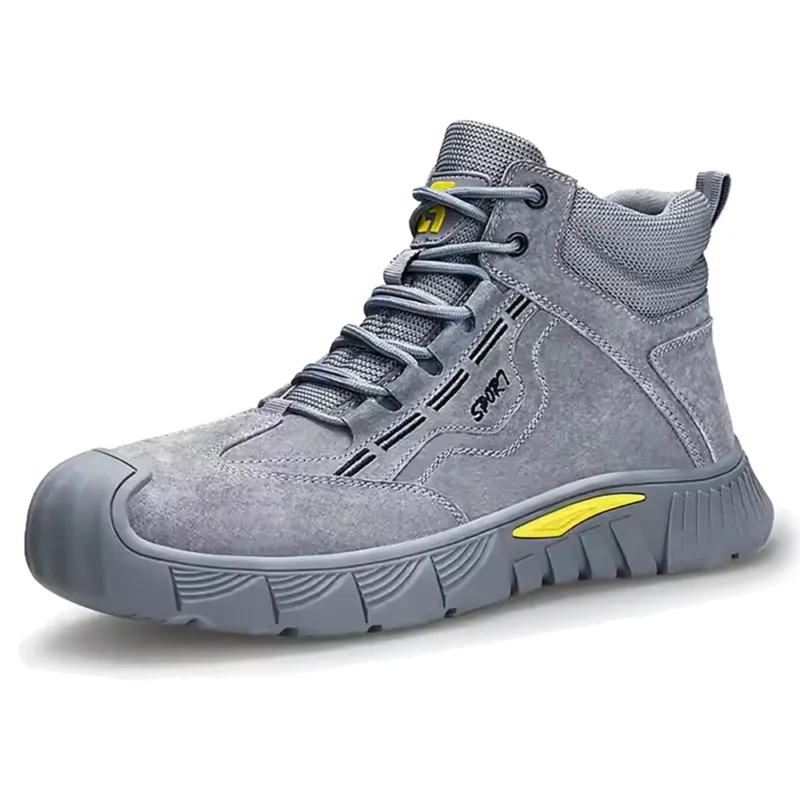
When your workday involves heavy machinery, falling objects, and unforgiving terrain, the Birks Defender Kevlar Steel Toe Safety Work Boots stand ready to protect you through it all. These boots deliver the exceptional durability, reliable protection, and all-day comfort you need to tackle any challenge and get the job done right, every single time.
The brand started as an industrial supplier before becoming a household name. Construction workers in New England tested the first models. Their feedback shaped decades of product development. Today, Timberland produces over 30 work boot models. Each serves different occupational needs and safety standards.
Safety Certifications and Protection Standards
Work boots must meet specific safety requirements. Timberland offers models with multiple protection levels:
ASTM F2413-18 Compliance
- Steel toe caps withstand 75 pounds of impact
- Compression resistance up to 2,500 pounds
- Electrical hazard protection up to 600 volts
Slip Resistance Ratings
- ASTM F2913-19 testing on wet and oily surfaces
- Coefficient of friction measurements exceed 0.5
- Outsole patterns designed for specific work environments
Timberland PRO series boots carry these certifications. The standard Timberland line focuses on casual wear. Check the product label before purchasing. Not all Timberland boots qualify as safety footwear.
Construction Quality and Materials
Leather Types and Durability
Timberland uses three primary leather grades:
- Full-grain leather – Top layer with natural texture intact, most durable option
- Nubuck leather – Buffed full-grain with suede-like finish, moderate durability
- Corrected-grain leather – Surface-treated to hide imperfections, lower cost
Full-grain leather boots last 2-3 years with daily industrial use. The material resists abrasion and develops a protective patina. Premium models use 2.2-2.4mm thick leather. Budget options drop to 1.8mm thickness.
Sole Construction Methods
Timberland employs three attachment techniques:
| Method | Durability | Repairability | Water Resistance |
|---|---|---|---|
| Direct-attach | High (2-3 years) | Cannot resole | Excellent |
| Goodyear welt | Very High (5+ years) | Full resole possible | Good with maintenance |
| Cement construction | Moderate (1-2 years) | Limited repair | Fair |
Direct-attach remains Timberland’s signature method. The rubber bonds permanently to the leather. This creates a waterproof seal but prevents resoling. Goodyear welt models cost 40% more but offer long-term value.
Comfort Features for Extended Wear
Footbed Technology
Work shifts last 8-12 hours. Proper cushioning prevents fatigue and injury.
Anti-Fatigue Technology
- Geometric cone design in the midsole
- Absorbs shock and returns energy
- Independent testing shows 40% less foot fatigue
Insole Options
- OrthoLite foam provides moisture management
- EVA footbeds offer lightweight cushioning
- Removable inserts accommodate custom orthotics
Replace insoles every 6 months. The foam compresses with use and loses support. Third-party insoles from Superfeet or Spenco work with most Timberland models.
Fit and Sizing Considerations
Timberland boots run large compared to athletic shoes. Order a half size down from your sneaker size. The toe box offers generous width. Workers with narrow feet may need additional insoles for proper fit.
Break-in period lasts 1-2 weeks. Leather stiffness causes initial discomfort. Wear boots for 2-3 hours daily during break-in. Apply leather conditioner to speed the softening process.
Waterproofing Performance
The original 1973 design focused on water protection. Modern Timberland boots use multiple waterproofing strategies:
Membrane Systems
- TimberDry membranes block water while allowing vapor escape
- 100% recycled plastic construction
- Rated waterproof for 8 hours of submersion
Seam Sealing
- All seams receive heat-sealed tape
- Direct-attach construction eliminates sole stitching
- Gusseted tongues prevent water entry at the laces
Test waterproofing monthly. Pour water over the boot and inspect for leaks. Reapply waterproofing spray every 3 months. Products containing silicone or wax work best.
Traction and Slip Resistance
Outsole Design Elements
Slip and fall accidents account for 15% of workplace injuries. Outsole design directly impacts safety.
Tread Pattern Analysis
- Deep lugs (7mm+) excel in outdoor construction
- Shallow patterns (3-4mm) suit indoor warehouse work
- Multi-directional patterns provide all-surface grip
Rubber Compounds
- Heat-resistant rubber withstands temperatures up to 572°F
- Oil-resistant compounds maintain grip on contaminated floors
- Softer rubber increases traction but wears faster
Timberland PRO Boondock models feature aggressive tread. These work best for landscaping and outdoor construction. The Pit Boss series uses flatter patterns for concrete and tile surfaces.
Temperature Regulation
Insulation Options
Climate control affects comfort and safety. Timberland offers three insulation levels:
- Uninsulated – Breathable for warm climates and active work
- 200g Thinsulate – Moderate cold protection, rated to 20°F
- 400g-600g Thinsulate – Extreme cold, rated to -20°F
Choose insulation based on average work temperature. Over-insulation causes excessive sweating. Moisture reduces insulation effectiveness and promotes bacterial growth.
Breathability Features
Non-insulated models use mesh linings. Air circulates around the foot throughout the day. Perforations in the insole improve airflow. Moisture-wicking materials pull sweat away from skin.
Change socks at mid-shift during summer months. Merino wool socks regulate temperature better than cotton. Antimicrobial treatments in the boot lining control odor.
Weight and Mobility
Average work boot weight ranges from 3-5 pounds per pair. Lighter boots reduce fatigue but may sacrifice protection.
Timberland Weight Comparison
- Standard 6-inch boot: 4.2 pounds (size 10)
- PRO Pit Boss: 3.8 pounds with safety toe
- Hyperion XL: 2.9 pounds ultra-light model
Workers who climb ladders prefer lighter boots. The reduced weight improves balance and decreases leg strain. Heavy equipment operators prioritize protection over weight. Their stationary position makes weight less critical.
When your workday involves heavy machinery, falling objects, and unforgiving terrain, the Birks Defender Kevlar Steel Toe Safety Work Boots stand ready to protect you through it all. These boots deliver the exceptional durability, reliable protection, and all-day comfort you need to tackle any challenge and get the job done right, every single time.
Maintenance Requirements
Daily Care Routine
Proper maintenance extends boot life by 50%. Follow this schedule:
After Each Use
- Remove dirt with a brush
- Wipe leather with damp cloth
- Air dry at room temperature (never use heat)
- Insert cedar shoe trees to maintain shape
Weekly Tasks
- Apply leather conditioner
- Inspect for damage or wear
- Check lace condition and replace if frayed
- Clean and dry insoles separately
Monthly Maintenance
- Deep clean with saddle soap
- Apply waterproofing treatment
- Condition leather thoroughly
- Check sole attachment and stitching
Repair vs. Replace Decision
Consider replacement when:
- Sole wear exposes the midsole
- Leather develops cracks or holes
- Safety toe shows deformation
- Waterproofing fails despite treatment
Goodyear welt boots justify professional resoling. Cost runs $80-120 but extends life 2-3 years. Direct-attach boots cannot be resoled economically.
Industry-Specific Performance
Construction and Carpentry
Timberland PRO models excel in construction settings. Features that matter:
- Electrical hazard protection prevents shock
- Puncture-resistant plates stop nail penetration
- Ankle support prevents twisting injuries
- Abrasion-resistant toe caps withstand impact
The PRO Boondock and Pit Boss models receive highest ratings from framers and concrete workers. Steel toe variants offer maximum protection. Composite toes reduce weight by 30%.
Warehouse and Logistics
Indoor workers need different features. Priorities shift to comfort and slip resistance.
- Lightweight construction reduces fatigue
- Flat outsoles prevent catching on pallets
- Breathable materials control temperature
- Lower cut height improves mobility
Timberland PRO Powertrain models serve warehouse environments. Athletic shoe styling appeals to younger workers. Safety ratings match traditional boot designs.
Outdoor and Landscaping
Exterior work demands maximum waterproofing. Temperature extremes require insulation flexibility.
Essential features include:
- Aggressive tread for mud and uneven terrain
- Waterproof membranes for all-weather protection
- Insulation options for seasonal variation
- Chemical-resistant materials for pesticide exposure
White Ledge and Chocorua models suit landscaping work. Higher shafts (8+ inches) prevent debris entry. Gusseted tongues keep out grass clippings and dirt.
Price Point Analysis
Timberland boots range from $120-280 retail. Price reflects materials and features:
Budget Tier ($120-160)
- Cement construction methods
- Corrected-grain leather
- Basic cushioning systems
- Limited safety certifications
Mid-Range ($160-210)
- Direct-attach construction
- Full-grain or nubuck leather
- Anti-fatigue technology
- ASTM safety compliance
Premium Tier ($210-280)
- Goodyear welt construction
- Premium leather selection
- Advanced comfort systems
- Specialty features (insulation, extra protection)
Compare cost per wear rather than initial price. A $240 boot lasting 3 years costs $0.22 per day. A $140 boot lasting 1 year costs $0.38 per day.
Common Problems and Solutions
Break-In Discomfort
New boots cause blisters and pressure points. Address this with:
- Moleskin patches on friction areas
- Gradual wear schedule (2-3 hours daily)
- Thick work socks for cushioning
- Leather conditioner to soften stiff areas
Sizing Issues
Incorrect fit leads to foot problems. Signs of poor fit:
- Heel slippage while walking
- Toe cramping or numbness
- Excessive pressure on instep
- Blisters on heel or sides
Most retailers accept returns within 30 days. Test boots indoors before outdoor use. Walk on carpet to avoid sole damage.
Final Verdict on Timberland Work Boots
Timberland produces quality work boots for specific applications. They excel in wet conditions and moderate-duty work. The brand delivers reliable waterproofing and comfort technology. Safety certifications meet industry standards.
Limitations exist. Premium price points exceed some budgets. Direct-attach construction prevents resoling. Weight exceeds ultra-light competitors.
Buy Timberland if you need:
- Proven waterproof protection
- Established brand reputation
- Wide retail availability
- Good warranty support (1 year standard)
Consider alternatives if you require:
- Heavy-duty industrial protection
- Resoleable construction
- Specialty features (metatarsal guards, logger heels)
- Budget pricing under $120
Timberland works best for construction trades, landscaping, and light industrial applications. Warehouse workers and delivery drivers find them comfortable for extended wear. The boots perform well in wet climates and variable conditions. Match the specific model to your work environment for optimal results.
When your workday involves heavy machinery, falling objects, and unforgiving terrain, the Birks Defender Kevlar Steel Toe Safety Work Boots stand ready to protect you through it all. These boots deliver the exceptional durability, reliable protection, and all-day comfort you need to tackle any challenge and get the job done right, every single time.
