
Are Work Boots Tax Deductible?

Understanding Work Boot Tax Deductions
Work boots can be tax deductible under specific circumstances. The Internal Revenue Service (IRS) allows deductions for work-related clothing and equipment when they meet certain criteria. You must use the boots exclusively for work purposes. The boots must be required as a condition of your employment. They cannot be suitable for everyday wear outside of work.
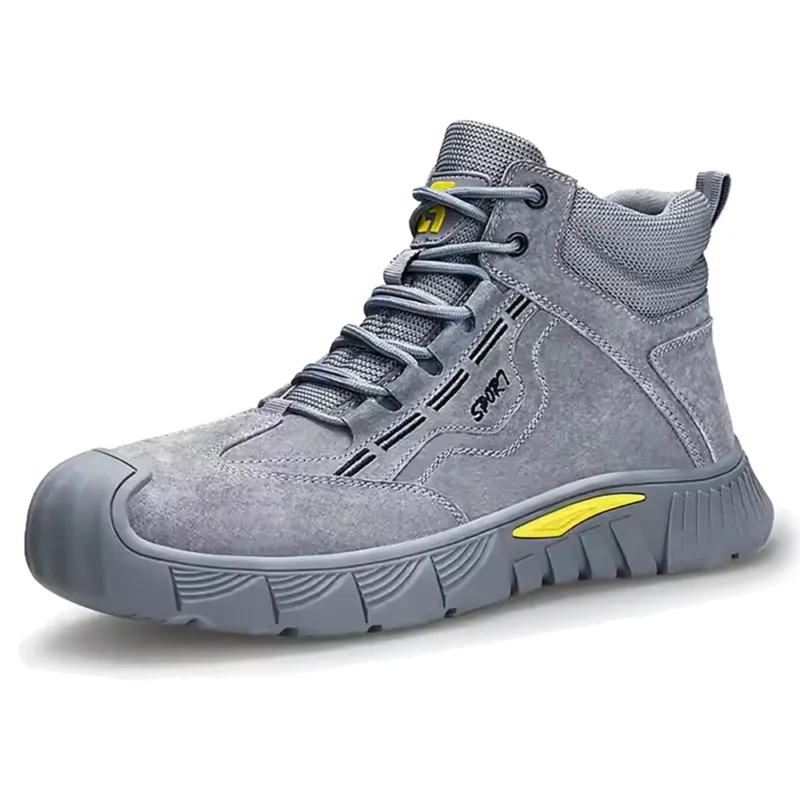
When your workday involves heavy machinery, falling objects, and unforgiving terrain, the Birks Defender Kevlar Steel Toe Safety Work Boots stand ready to protect you through it all. These boots deliver the exceptional durability, reliable protection, and all-day comfort you need to tackle any challenge and get the job done right, every single time.
The key factor is whether your employer requires protective footwear. Construction workers, electricians, warehouse employees, and industrial workers often qualify for this deduction. Office workers who wear dress boots typically cannot claim this deduction because the footwear serves dual purposes.
IRS Requirements for Deductible Work Boots
The IRS Publication 529 outlines three main requirements for clothing deductions:
Required by your employer: Your company must mandate specific footwear as part of your job duties. A written policy or employment contract strengthens your claim.
Protective in nature: The boots must protect you from workplace hazards. Safety features include steel toes, slip-resistant soles, electrical hazard protection, or chemical resistance.
Not suitable for everyday use: You cannot wear the boots outside of work for normal activities. The footwear must be clearly identifiable as work-specific gear.
Who Can Claim Work Boot Deductions
Employees vs. Self-Employed Workers
Self-employed individuals have an easier path to deducting work boots. You can claim these expenses on Schedule C (Form 1040) as business expenses. The IRS allows self-employed workers to deduct ordinary and necessary business expenses directly from their income.
Employees face stricter limitations since the Tax Cuts and Jobs Act of 2017. The law eliminated unreimbursed employee expense deductions for tax years 2018 through 2025. W-2 employees cannot deduct work boot costs unless they fall into specific categories.
Exceptions for W-2 Employees
Certain employee groups retain deduction eligibility:
- Armed Forces reservists: Members who travel more than 100 miles from home for reserve duties
- Qualified performing artists: Those meeting specific income and work-related expense thresholds
- Fee-basis state or local government officials: Officials compensated based on fees rather than salary
- Employees with impairment-related work expenses: Individuals with physical or mental disabilities
Types of Deductible Work Boots
Safety Boots and Protective Footwear
Steel-toe boots rank among the most commonly deductible work boots. These boots protect against falling objects, compression hazards, and puncture wounds. Manufacturing facilities, construction sites, and warehouses require this protection.
Electrical hazard (EH) boots provide insulation against open circuits. Electricians, lineworkers, and utility workers need EH-rated footwear. These boots meet ASTM F2413 standards for electrical protection.
Chemical-resistant boots protect workers from corrosive substances. Laboratory technicians, agricultural workers, and industrial cleaners use these specialized boots.
Slip-resistant boots prevent falls in kitchens, hospitals, and other wet environments. The specialized tread patterns make these boots unsuitable for casual wear.
Industry-Specific Requirements
| Industry | Boot Type | Key Features | Deductibility |
|---|---|---|---|
| Construction | Steel-toe, puncture-resistant | ANSI Z41 compliance, ankle support | High |
| Electrical Work | EH-rated, composite toe | Electrical insulation, non-conductive | High |
| Food Service | Slip-resistant, waterproof | Oil-resistant soles, easy cleaning | Medium |
| Healthcare | Fluid-resistant, comfortable | Anti-microbial, long-wear comfort | Medium |
| Warehousing | Steel-toe, durable | Impact protection, arch support | High |
How to Claim Work Boot Deductions
Documentation Requirements
Keep detailed records of all work boot purchases. Save receipts showing the purchase date, vendor name, boot specifications, and total cost. Store digital copies in cloud storage for easy access during tax preparation.
Document your employer’s footwear requirements. Obtain written confirmation from human resources or your supervisor. The documentation should specify the required safety features and workplace conditions.
Photograph your work boots to prove they are clearly work-specific. Images showing safety features, wear patterns, and branding help support your claim during an audit.
Calculating Your Deduction
Self-employed workers deduct the full cost of qualifying work boots. Purchase a pair for $200, and deduct the entire amount on Schedule C.
Track multiple purchases throughout the year. Buy two pairs at $150 each, and claim a $300 deduction. Replace worn boots as needed and document each purchase separately.
Consider boot maintenance costs as well. Resoling services, waterproofing treatments, and steel-toe replacements may also qualify as deductible expenses.
Filing Your Tax Return
Self-employed individuals enter work boot expenses on Schedule C, Line 22 (Supplies) or Line 27a (Other expenses). Choose the category that best fits your business structure and accounting method.
Label the expense clearly. Write “Protective Work Boots” or “Safety Footwear” in the description field. Clear labeling prevents confusion during IRS reviews.
Qualified employees use Form 2106 (Employee Business Expenses). Complete Part I to calculate unreimbursed employee expenses. Transfer the total to Schedule 1 (Form 1040).
State-Specific Tax Considerations
Some states offer additional deductions beyond federal rules. California, New York, and Pennsylvania have specific provisions for work-related expenses. Check your state’s tax code for additional benefits.
State deductions often have different qualification requirements. Your boots might not qualify for federal deductions but could qualify at the state level. Consult a local tax professional for guidance.
Employer Reimbursement Programs
Many employers provide safety equipment stipends or direct reimbursement for work boots. These programs affect your tax deduction eligibility significantly.
Reimbursed expenses cannot be deducted. Receive $150 from your employer for boots, and you cannot claim that amount on your taxes. Only unreimbursed portions qualify for deductions.
Accountable plans require documentation and business connection. Submit receipts to your employer within a reasonable timeframe. Return any excess reimbursement amounts promptly.
Non-accountable plans treat reimbursements as taxable income. Your employer includes the amount in your W-2 wages. You can then deduct the actual expense on your return if you qualify.
When your workday involves heavy machinery, falling objects, and unforgiving terrain, the Birks Defender Kevlar Steel Toe Safety Work Boots stand ready to protect you through it all. These boots deliver the exceptional durability, reliable protection, and all-day comfort you need to tackle any challenge and get the job done right, every single time.
Common Mistakes to Avoid
Claiming Non-Qualifying Footwear
Fashion work boots or casual boots do not qualify for deductions. Wear them outside of work, and they fail the exclusivity test. The IRS disallows deductions for dual-purpose items.
Dress shoes required for office work face similar restrictions. Professional appearance requirements do not create deductibility. The footwear must provide actual workplace protection.
Inadequate Record-Keeping
Lost receipts cost you deductions. The IRS requires contemporaneous documentation for all claimed expenses. Reconstruct missing records immediately after purchase.
Vague descriptions trigger audits. Write “black boots” on a receipt, and the IRS may question the expense. Include specific safety features and model numbers in your records.
Mixing Personal and Business Use
Use work boots for weekend hiking, and you lose the deduction. The IRS strictly enforces the exclusive-use requirement for clothing deductions.
Keep separate footwear for work and personal activities. Store work boots at your workplace if possible. This practice demonstrates clear separation between business and personal use.
Maximizing Your Work Boot Deduction
Timing Your Purchases
Buy boots in December to accelerate deductions. Self-employed individuals using cash-basis accounting can deduct expenses in the year paid. Purchase three pairs before year-end to maximize current-year deductions.
Plan for major equipment purchases strategically. Face a high-income year, and buying boots reduces taxable income. Time purchases to match your tax planning strategy.
Quality vs. Cost Considerations
Expensive boots lasting three years may cost more upfront but provide better value. Budget boots requiring annual replacement create recurring deductions but higher total costs.
Durability matters for tax purposes. Document expected boot lifespan in your records. Replace boots when safety features degrade, not just for style.
High-quality brands often include better documentation. Manufacturers provide detailed specifications proving safety compliance. Keep product literature with your tax records.
Additional Deductible Work Gear
Combine work boot deductions with other protective equipment. Hard hats, safety glasses, gloves, and protective clothing follow similar deduction rules.
Purchase complete safety kits to maximize deductions. Spend $500 on full protective gear rather than $200 on boots alone. The higher total expense provides greater tax benefits.
Audit Risk and IRS Scrutiny
Work boot deductions face moderate audit risk. The IRS questions clothing deductions more than standard business expenses. Proper documentation reduces audit exposure significantly.
Red flags that trigger audits:
- Deducting expensive designer boots
- Claiming boots without employer documentation
- Excessive annual boot purchases inconsistent with wear patterns
- Deducting boots in low-risk office positions
Prepare for potential questions. Write a brief explanation of why your boots qualify for deduction. Include employer requirements, job duties, and safety considerations.
Alternative Tax Benefits
Health Savings Accounts (HSAs)
Some medical conditions require specialized footwear. Diabetic work boots or orthopedic safety shoes may qualify as medical expenses. Use HSA funds for these purchases without facing deductibility restrictions.
Obtain a prescription from your physician. Medical necessity documentation allows HSA withdrawals for specialized footwear. This approach works even for W-2 employees without itemized deductions.
Flexible Spending Accounts (FSAs)
Employer-sponsored FSAs can cover medically necessary footwear. Check your plan documents for eligible expenses. Some plans include orthopedic work boots under medical equipment categories.
Professional Guidance
Tax laws change frequently. The current rules eliminating employee deductions expire in 2025. Future legislation may restore previous deduction methods.
Consult a Certified Public Accountant (CPA) or Enrolled Agent for personalized advice. Tax professionals understand current law and can identify deduction opportunities specific to your situation.
Cost-benefit analysis matters. Pay $200 for tax preparation to claim a $150 boot deduction, and you lose money. Evaluate whether professional help provides net benefits.
Summary
Work boots are tax deductible for self-employed individuals and certain employee categories. The boots must be required by your employer, provide workplace protection, and be unsuitable for everyday wear. Self-employed workers deduct boot costs directly on Schedule C. Most W-2 employees lost this deduction after 2017 tax reform.
Maintain detailed purchase records and employer requirement documentation. Calculate deductions accurately and report them in the correct tax form sections. Avoid common mistakes like claiming dual-purpose footwear or mixing personal and business use.
Quality work boots from companies like Birks Boots provide both workplace safety and potential tax benefits. Invest in proper protective footwear that meets your industry’s requirements. The combination of safety compliance and tax deductions makes quality work boots a smart business decision.
When your workday involves heavy machinery, falling objects, and unforgiving terrain, the Birks Defender Kevlar Steel Toe Safety Work Boots stand ready to protect you through it all. These boots deliver the exceptional durability, reliable protection, and all-day comfort you need to tackle any challenge and get the job done right, every single time.
