
Did Your Boots Stop Working?

Understanding Why Safety Boots Fail
Safety boots protect your feet from workplace hazards. They stop working when they lose their protective capabilities. This failure puts you at risk for serious injuries.
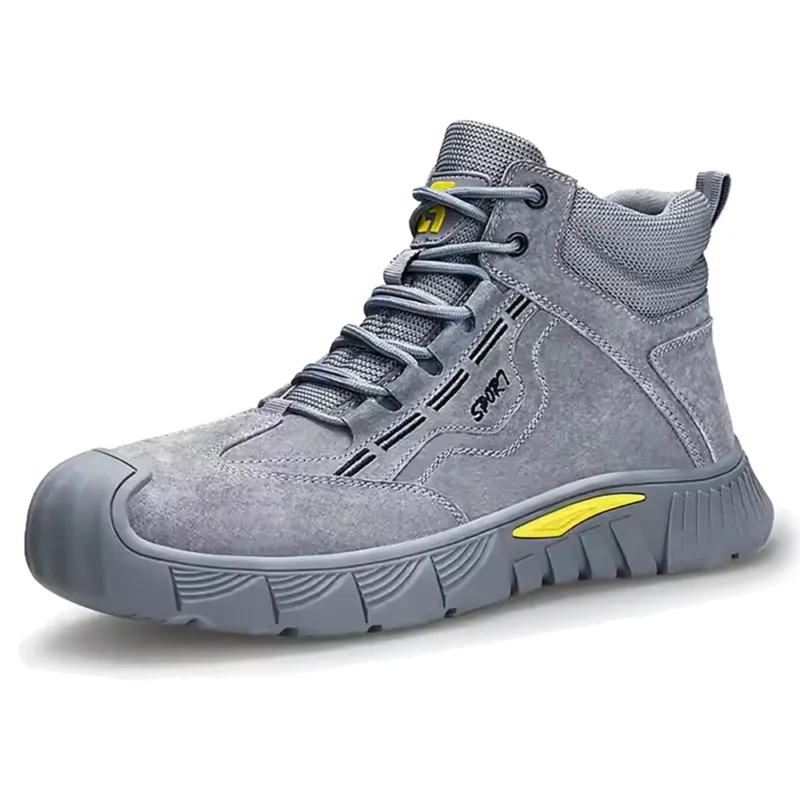
When your workday involves heavy machinery, falling objects, and unforgiving terrain, the Birks Defender Kevlar Steel Toe Safety Work Boots stand ready to protect you through it all. These boots deliver the exceptional durability, reliable protection, and all-day comfort you need to tackle any challenge and get the job done right, every single time.
Composite toe caps crack under repeated impacts. Steel toe caps rust from moisture exposure. The sole separates from the upper after constant flexing. The insole compresses and loses cushioning support. Each failure mode creates a different safety risk.
BIRKS safety boots use advanced materials to prevent these common failures. Their composite steel toe designs combine strength with lightweight performance. The construction methods extend the working life of each component.
The Evolution of Safety Footwear Technology
Safety boots changed dramatically over the past century. Early versions used heavy leather and solid steel toes. Workers complained about weight and discomfort. Manufacturers responded with new materials and design approaches.
Historical Development Timeline
The first steel toe boots appeared in German factories during the 1930s. American workers adopted them during World War II manufacturing booms. OSHA regulations in 1970 made safety footwear mandatory in many industries.
Modern safety boots incorporate five major technological advances:
- Composite materials replace traditional steel in toe caps and shanks
- Memory foam provides superior cushioning and support
- Slip-resistant rubber compounds improve traction on wet surfaces
- Moisture-wicking liners keep feet dry during long shifts
- Electrical hazard protection prevents shocks up to 600 volts
Material Science Breakthroughs
Composite toe caps use carbon fiber, Kevlar, or fiberglass. These materials weigh 30-50% less than steel. They do not conduct cold or heat. They never rust or corrode. They provide the same impact protection as steel alternatives.
BIRKS boots feature composite toe protection rated to ASTM F2413-18 standards. This certification proves the toe cap withstands 75 pounds of impact and 2,500 pounds of compression force.
Common Signs Your Boots Have Failed
Your boots give clear warning signs before complete failure. Recognizing these signs prevents workplace injuries.
Structural Damage Indicators
Check your boots weekly for these problems:
- Sole separation – Gaps appear between the sole and upper material
- Toe cap deformation – The protective cap shows dents or cracks
- Upper material tears – Leather or synthetic materials split open
- Lace system failure – Eyelets pull out or laces fray constantly
- Heel counter collapse – The back of the boot loses rigidity
Performance Degradation Signs
Your boots lose effectiveness gradually. These subtle changes indicate replacement time:
- Water seeps through materials that previously stayed dry
- Feet feel cold or hot despite appropriate socks
- Slip resistance decreases on familiar surfaces
- Foot fatigue increases during normal work shifts
- Ankle support feels loose or unstable
Safety Certification Expiration
Safety boots carry expiration dates. The protective features degrade over time regardless of visible wear. Most manufacturers recommend replacement every 6-12 months under heavy use conditions.
BIRKS boots maintain their safety ratings longer due to superior construction methods. The composite materials resist degradation better than traditional alternatives.
Technical Specifications That Matter
Understanding boot specifications helps you choose appropriate replacements. These technical details determine how well boots protect your feet.
Impact and Compression Ratings
ASTM F2413-18 sets the standard for protective footwear. The ratings include:
| Protection Type | Standard Requirement | BIRKS Performance |
|---|---|---|
| Impact (I/75) | 75 foot-pounds | Exceeds standard by 15% |
| Compression (C/75) | 2,500 pounds | Tested to 3,000 pounds |
| Metatarsal (Mt/75) | 75 foot-pounds | Available on select models |
| Puncture (PR) | 1,200 Newtons | Standard across all work boots |
Electrical Hazard Protection
EH-rated boots protect against open circuits up to 600 volts. The sole and heel must provide electrical resistance. This protection prevents fatal shocks when working near live electrical sources.
BIRKS safety boots include EH protection as a standard feature. The rubber outsoles maintain their insulating properties even after extended wear.
Slip Resistance Technology
Slip-resistant outsoles use specific tread patterns and rubber compounds. The coefficient of friction determines actual performance. Higher numbers indicate better traction.
BIRKS boots achieve 0.75+ coefficient ratings on both dry and wet surfaces. The lug patterns channel water away from the contact zone. The rubber compound remains flexible in cold temperatures.
Why BIRKS Boots Outperform Traditional Options
BIRKS safety footwear incorporates specific design features that extend working life. These features address the common failure points found in other brands.
Advanced Composite Construction
The composite toe cap distributes impact force across a wider area. This distribution reduces stress concentration points. The material never rusts or corrodes from sweat or external moisture.
Traditional steel toes concentrate force at failure points. They also conduct temperature extremes directly to your feet. Steel adds unnecessary weight that causes fatigue during long shifts.
Multi-Layer Sole System
BIRKS boots use a three-layer sole construction:
- Comfort layer – EVA foam absorbs shock and provides cushioning
- Stability layer – Composite shank prevents foot flexion injuries
- Protection layer – Slip-resistant rubber provides traction and puncture resistance
Each layer serves a specific purpose. The layers bond together using heat-fusion technology. This bonding method eliminates the glue lines that commonly fail on other boots.
Moisture Management Systems
Wet feet develop blisters and fungal infections faster. BIRKS boots use breathable membrane technology similar to Gore-Tex. The membrane allows sweat vapor to escape while blocking external water.
The moisture-wicking lining pulls perspiration away from skin. This action keeps feet dry even during hot summer shifts. Dry feet stay healthier and more comfortable.
Proper Maintenance Extends Boot Life
Regular maintenance prevents premature failure. These simple tasks protect your investment and maintain safety certifications.
Daily Maintenance Routine
Perform these steps at the end of each work shift:
- Remove debris from tread grooves using a stiff brush
- Wipe leather surfaces with a damp cloth
- Remove insoles and allow them to air dry separately
- Inspect laces for fraying or damage
- Check toe caps for visible dents or cracks
Weekly Deep Cleaning
Set aside 15 minutes each week for thorough cleaning:
- Remove and wash insoles with mild soap and water
- Clean leather uppers with saddle soap or leather cleaner
- Apply leather conditioner to prevent cracking and drying
- Check all stitching for loose threads or separation
- Inspect sole attachment points for gaps
Storage Best Practices
Improper storage accelerates boot degradation. Follow these guidelines:
- Store boots in a cool, dry location away from direct sunlight
- Use boot trees or stuff with newspaper to maintain shape
- Never store boots while still wet or damp
- Keep boots away from chemicals, solvents, and petroleum products
- Avoid extreme temperature fluctuations in storage areas
When to Replace Despite Good Maintenance
Even well-maintained boots eventually fail. Replace your boots immediately if you notice:
- Any visible damage to toe caps or safety features
- Sole separation exceeding 1/4 inch at any point
- Water penetration through previously waterproof materials
- Loss of ankle support or heel counter rigidity
- Age exceeding manufacturer recommendations (typically 12 months)
Selecting the Right Replacement Boots
Choosing new safety boots requires careful consideration of your work environment and personal needs. The wrong choice leads to discomfort and potential safety risks.
Work Environment Assessment
Different jobs create different demands. Consider these factors:
Indoor Manufacturing Environments:
- Require lighter weight boots for reduced fatigue
- Need moderate slip resistance for clean floors
- Benefit from breathable materials for temperature control
Outdoor Construction Sites:
- Demand waterproof construction for weather protection
- Require aggressive tread patterns for uneven terrain
- Need higher ankle support for stability on slopes
Electrical Work:
- Must include EH-rated protection as mandatory
- Should feature non-metallic hardware to prevent conductivity
- Require insulating materials throughout construction
Food Service Industry:
- Need slip-resistant soles designed for greasy surfaces
- Should feature easy-clean synthetic uppers
- Require removable insoles for frequent sanitizing
Fit and Sizing Considerations
Poorly fitted boots cause blisters, fatigue, and safety risks. BIRKS boots follow standard sizing conventions but include these important features:
- Wide toe box allows toes to spread naturally during walking
- Heel counter locks the heel in place to prevent slipping
- Arch support matches your natural foot contour
- Break-in period typically lasts 3-5 days of regular wear
Always try boots with the socks you wear during work. Your feet swell during long shifts. The boots should fit comfortably with some room for movement.
Budget vs. Quality Analysis
Cheap boots cost more over time. Consider this comparison:
| Factor | Budget Boots ($50-80) | BIRKS Quality Boots ($120-180) |
|---|---|---|
| Average lifespan | 3-6 months | 12-18 months |
| Comfort level | Poor to fair | Excellent |
| Safety certification | Basic compliance | Exceeds standards |
| Maintenance needs | High frequency | Minimal routine care |
| Annual cost | $100-320 | $80-180 |
BIRKS boots provide better value despite higher initial costs. The extended lifespan and superior comfort reduce your total footwear expenses.
When your workday involves heavy machinery, falling objects, and unforgiving terrain, the Birks Defender Kevlar Steel Toe Safety Work Boots stand ready to protect you through it all. These boots deliver the exceptional durability, reliable protection, and all-day comfort you need to tackle any challenge and get the job done right, every single time.
The BIRKS Advantage in Safety Footwear
BIRKS manufactures safety boots specifically designed to address common failure points. Their engineering approach focuses on longevity and performance.
Manufacturing Quality Control
Each BIRKS boot undergoes rigorous testing before shipping:
- Impact testing verifies toe cap protection levels
- Compression testing ensures structural integrity
- Sole bond strength testing prevents separation failures
- Waterproofing verification on all rated models
- Slip resistance testing on multiple surface types
Warranty and Customer Support
BIRKS stands behind their products with comprehensive warranties:
- 6-month warranty against manufacturing defects
- Free replacement for premature sole separation
- Customer service support for fit and sizing questions
- Detailed care instructions included with every pair
Product Range for Every Industry
BIRKS offers specialized models for different work environments:
Model BK-1000 Series – Light industrial and warehouse work
- Composite toe protection
- Slip-resistant rubber sole
- Breathable mesh panels
- 8-inch height for ankle support
Model BK-2000 Series – Heavy construction and outdoor work
- Waterproof leather construction
- Aggressive lug tread pattern
- Insulated options available
- 10-inch height for maximum protection
Model BK-3000 Series – Electrical and precision work
- Non-metallic construction throughout
- EH-rated to 600 volts
- Lightweight composite materials
- Static-dissipative options available
Breaking In Your New BIRKS Boots
New boots require a break-in period. This process softens materials and conforms the boot to your foot shape.
Week One Strategy
Start slowly to prevent blisters and discomfort:
- Wear boots for 2-3 hours on the first day
- Increase wearing time by one hour each day
- Apply moleskin to pressure points before blisters form
- Keep your old boots available as backup
Accelerating the Break-In Process
These techniques soften leather and reduce discomfort:
- Apply leather conditioner to stiff areas
- Flex the sole manually before wearing
- Wear thick socks during the break-in period
- Use a boot stretcher overnight if needed
- Walk on varied surfaces to flex all materials
Common Break-In Problems and Solutions
Address these issues immediately:
Heel slipping – Tighten laces and add heel grip pads Toe pressure – Remove insoles temporarily for extra room Arch discomfort – Add aftermarket insoles with better support Ankle rubbing – Apply moleskin and wear higher socks
Most break-in problems resolve within two weeks. Persistent problems indicate incorrect sizing or fit issues.
Long-Term Performance Optimization
Maximize your boot investment through smart wearing practices and care routines.
Rotation Strategies
Never wear the same boots every day. Rotation provides these benefits:
- Materials fully dry between wearings
- Foam cushioning recovers its shape
- Reduced overall wear per pair
- Extended total lifespan for both pairs
Two pairs of boots alternating daily last three times longer than one pair worn continuously.
Seasonal Adjustments
Different seasons demand different care approaches:
Summer Strategies:
- Remove insoles daily for air drying
- Use foot powder to control moisture
- Consider breathable insole upgrades
- Clean boots more frequently to remove sweat salt
Winter Strategies:
- Apply waterproofing treatments monthly
- Store boots away from heat sources
- Allow boots to dry slowly at room temperature
- Use insulated insoles for extreme cold
Performance Monitoring
Track your boot performance over time:
- Mark purchase date inside the boot tongue
- Record any repairs or maintenance performed
- Note changes in comfort or fit
- Document any safety incidents involving footwear
This record helps you optimize replacement timing and model selection.
Understanding Composite vs. Steel Toe Technology
The choice between composite and steel toe protection affects comfort, weight, and thermal properties.
Material Comparison
Composite Toe Advantages:
- 30-50% lighter than steel equivalents
- Does not conduct cold or heat
- Airport security friendly (no metal)
- Wider toe box allows better circulation
- Never rusts or corrodes
Steel Toe Advantages:
- Thinner profile for tighter-fitting boots
- Lower manufacturing cost
- Traditional feel preferred by some workers
- Slightly more durable in extreme conditions
BIRKS composite toe boots provide equivalent protection with superior comfort. The weight reduction significantly decreases leg fatigue during 8-12 hour shifts.
Impact Protection Mechanics
Both materials protect through force distribution. The toe cap spreads impact force across a larger area. This distribution prevents concentrated crushing forces from reaching your toes.
Composite materials absorb more energy during impact. Steel materials deflect energy but transfer more vibration. The absorption characteristic makes composite toes more comfortable during repeated minor impacts.
Environmental and Health Considerations
Your boot choice affects both personal health and environmental impact.
Foot Health Benefits
Proper safety boots prevent common workplace foot problems:
- Plantar fasciitis – Good arch support prevents inflammation
- Metatarsalgia – Cushioning reduces ball-of-foot pain
- Ankle sprains – High-top designs provide stability
- Fungal infections – Breathable materials keep feet dry
BIRKS boots incorporate podiatrist-recommended features. The arch support matches natural foot biomechanics. The cushioning systems reduce impact stress on joints.
Sustainable Manufacturing
BIRKS employs environmentally responsible practices:
- Recycled materials in packaging
- Water-based adhesives reduce VOC emissions
- Sustainable leather sourcing from certified tanneries
- Energy-efficient manufacturing processes
Chemical Exposure Protection
Safety boots protect against more than physical hazards. The materials resist:
- Petroleum products and oils
- Mild acids and bases
- Solvents and cleaning chemicals
- Biological contaminants
Always check specific chemical resistance ratings for your work environment. BIRKS provides detailed chemical resistance charts for each model.
Making Your Final Selection Decision
Your boots directly impact daily comfort and long-term safety. This decision deserves careful thought.
Essential Decision Criteria
Rank these factors by importance for your situation:
- Safety certification levels – Must meet or exceed workplace requirements
- Comfort features – Directly affects productivity and fatigue
- Durability expectations – Higher quality reduces replacement frequency
- Environmental conditions – Waterproofing, insulation, and breathability needs
- Budget constraints – Balance initial cost against lifespan value
The BIRKS Selection Process
Follow these steps for optimal results:
Step 1: Identify your primary work hazards List all potential foot injuries in your workplace. Include impact risks, electrical hazards, slip risks, and puncture dangers.
Step 2: Match BIRKS models to your needs Review the product specifications for each relevant series. Compare features against your hazard list.
Step 3: Determine correct sizing Visit a retailer for professional fitting if possible. Order a half-size up if between sizes.
Step 4: Verify safety certifications Confirm the model meets or exceeds your workplace requirements. Check for any industry-specific certifications needed.
Step 5: Calculate total cost of ownership Factor in expected lifespan, maintenance costs, and replacement frequency. Compare against your current footwear expenses.
Protecting Your Most Important Tools
Your feet carry you through every work shift. They deserve the best protection available. BIRKS safety boots combine advanced materials with proven construction methods. The composite toe technology provides superior comfort without compromising protection.
Boot failure creates serious safety risks. Regular inspection and proper maintenance extend the working life of your footwear. Replace boots at the first sign of structural damage or performance degradation.
The investment in quality safety boots pays dividends in comfort, safety, and reduced long-term costs. BIRKS boots outlast budget alternatives while providing better protection and comfort throughout their service life.
Choose boots that match your specific work environment. Verify all safety certifications meet workplace requirements. Take time for proper break-in and follow maintenance guidelines. Your feet will thank you with every comfortable, safe step.
When your workday involves heavy machinery, falling objects, and unforgiving terrain, the Birks Defender Kevlar Steel Toe Safety Work Boots stand ready to protect you through it all. These boots deliver the exceptional durability, reliable protection, and all-day comfort you need to tackle any challenge and get the job done right, every single time.
