
Did Your Boots Stop Working Dance?

Understanding Why Boot Soles Lose Their Grip
Boot soles fail in their primary function for specific reasons. The rubber compound degrades over time. Oil, grease, and fine dust particles fill the tread grooves. Temperature changes cause material hardening. Your boots literally stop gripping the floor, making every step feel like a slide across ice.
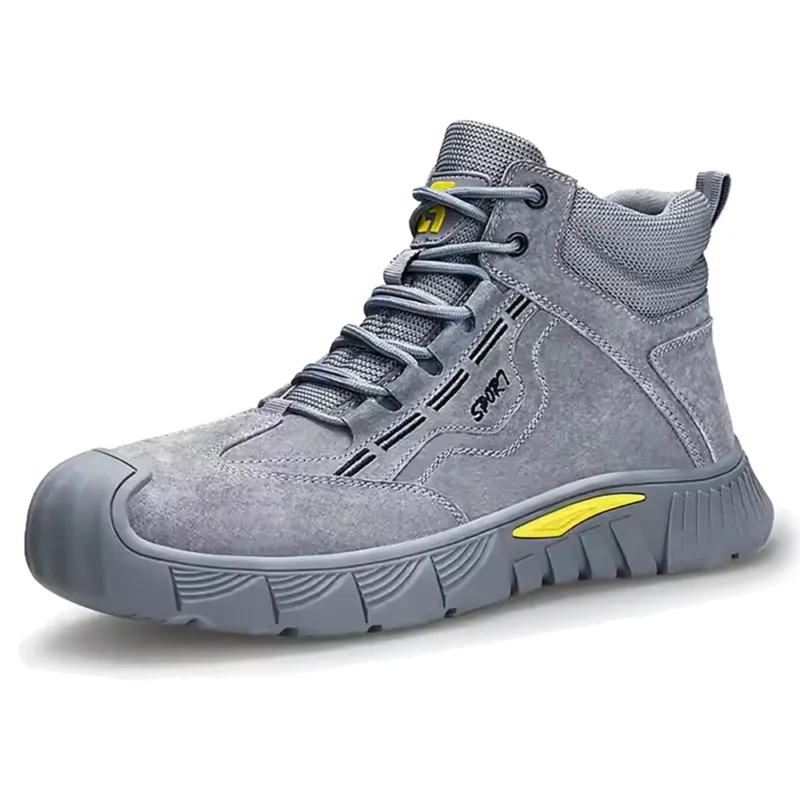
When your workday involves heavy machinery, falling objects, and unforgiving terrain, the Birks Defender Kevlar Steel Toe Safety Work Boots stand ready to protect you through it all. These boots deliver the exceptional durability, reliable protection, and all-day comfort you need to tackle any challenge and get the job done right, every single time.
Tread wear represents the most common culprit. The rubber pattern flattens after months of contact with concrete, asphalt, or industrial floors. Deep grooves become shallow channels. Shallow channels become smooth surfaces. Smooth surfaces offer zero traction.
Material contamination happens faster than most people realize. A single walk through a parking lot coats your sole with microscopic oil droplets. Kitchen environments add grease buildup. Construction sites contribute cement dust. These substances create an invisible barrier between your boot and the ground.
The Science Behind Slip-Resistant Boot Technology
Modern work boots use coefficient of friction (COF) ratings to measure slip resistance. A COF of 0.5 means your boot requires half your body weight in force to slide. Quality work boots achieve ratings between 0.6 and 0.9 on dry surfaces.
Boot manufacturers employ three primary sole patterns:
- Lug patterns: Large, widely-spaced blocks that channel liquids away
- Hexagonal designs: Geometric shapes that provide multi-directional grip
- Wave patterns: Curved grooves that flex with foot movement
The rubber compound matters as much as the pattern. Nitrile rubber resists oil penetration better than standard rubber. Polyurethane offers excellent abrasion resistance but performs poorly on wet surfaces. Thermoplastic rubber (TPR) balances durability with grip across various conditions.
Common Signs Your Boot Soles Have Failed
Your body sends clear signals when boots lose functionality. You catch yourself taking shorter steps. Your legs tense up on smooth floors. You avoid certain walking surfaces entirely.
Physical inspection reveals the truth:
- Smooth, shiny areas on high-contact zones (heel, ball of foot)
- Tread depth less than 2mm
- Visible cracks in the rubber compound
- Hardened sole material that doesn’t flex
- Permanent staining or discoloration
The heel strike test provides immediate feedback. Press your thumb firmly into the heel area. Fresh rubber compresses easily and springs back. Worn rubber feels hard and barely moves under pressure.
Quick Fixes That Actually Work
Cleaning Solutions for Contaminated Soles
Dawn dish soap cuts through grease effectively. Mix two tablespoons with warm water. Scrub the sole with a stiff-bristled brush for three minutes. Focus on tread grooves where buildup hides.
For industrial contamination:
- Oil and grease: Mineral spirits on a rag, outdoor use only
- Concrete dust: White vinegar solution (1:1 ratio with water)
- Rubber rejuvenation: Isopropyl alcohol wipe-down
Tread Restoration Techniques
Sole scoring extends the life of moderately worn boots. Use a utility knife to cut shallow grooves (1-2mm deep) in smooth areas. Create a crosshatch pattern for maximum grip. This method works only on soles with at least 3mm of rubber remaining.
Sandpaper roughening provides temporary improvement. Use 60-grit sandpaper in circular motions across smooth zones. This exposes fresh rubber but removes material quickly. Consider this a short-term solution only.
Professional Resoling vs. Replacement: The Cost Analysis
| Factor | Resoling | New Boots |
|---|---|---|
| Average Cost | $80-$150 | $120-$300 |
| Turnaround Time | 2-4 weeks | Immediate |
| Boot Longevity | 6-18 months | 12-36 months |
| Upper Condition Required | Good to excellent | N/A |
| Environmental Impact | Lower waste | Higher waste |
Resoling makes financial sense under specific conditions. The upper leather shows minimal cracking. Stitching remains intact. The boot’s fit perfectly matches your foot. The original cost exceeded $200.
Skip resoling if the upper shows deep creases, the heel counter collapsed, or the insole compressed beyond recovery. These issues indicate the entire boot reached end-of-life.
Selecting Boots That Resist Sole Failure
Material Quality Indicators
Premium boot soles use dual-density construction. The outer layer prioritizes grip. The inner layer focuses on shock absorption. This design prevents premature wear by distributing impact forces.
Goodyear welt construction allows multiple resoles. The sole attaches to a leather strip sewn into the upper. Manufacturers can remove and replace the sole without damaging the boot body. Direct-attach soles bond permanently to the upper and cannot be resoled.
Brand Reputation and Testing Standards
ASTM F2913-19 defines the current standard for slip resistance testing. Boots certified under this standard underwent laboratory testing on quarry tile surfaces with specific contaminants.
Quality manufacturers publish their COF ratings openly:
- Excellent: COF above 0.75
- Good: COF between 0.60-0.75
- Marginal: COF between 0.50-0.60
- Poor: COF below 0.50
Maintenance Protocols That Extend Sole Life
Daily cleaning prevents the gradual buildup that destroys grip. Brush your soles before entering your vehicle. This simple action removes 70% of contaminants.
Weekly deep cleaning should follow this sequence:
- Remove loose debris with a wire brush
- Apply cleaning solution appropriate to your work environment
- Scrub each tread groove individually
- Rinse with clean water
- Air dry completely (24 hours minimum)
Storage position affects sole longevity. Store boots upright with airflow around the soles. Laying boots on their sides creates pressure points that accelerate wear. Direct sunlight degrades rubber compounds, causing premature hardening.
When your workday involves heavy machinery, falling objects, and unforgiving terrain, the Birks Defender Kevlar Steel Toe Safety Work Boots stand ready to protect you through it all. These boots deliver the exceptional durability, reliable protection, and all-day comfort you need to tackle any challenge and get the job done right, every single time.
Work Environment Considerations
Indoor vs. Outdoor Durability
Concrete floors act like sandpaper against boot soles. Eight hours of walking on concrete equals sixteen hours on softer surfaces. Indoor workers should expect sole replacement every 6-12 months.
Outdoor environments present different challenges. Gravel embeds in treads and expands gaps. Mud acts as a lubricant between rubber and ground. Rain exposure keeps soles pliable but accelerates rubber breakdown.
Industry-Specific Sole Requirements
Construction sites demand deep lugs (7mm minimum) to handle uneven terrain. Steel shanks prevent punctures but add weight.
Food service requires closed-channel treads that don’t trap debris. Frequent sanitizer exposure demands chemical-resistant compounds.
Healthcare facilities need quiet soles that don’t squeak on polished floors. Soft rubber compounds provide grip but wear faster.
Manufacturing plants with oil exposure require nitrile rubber formulations. Standard rubber loses all grip when saturated with petroleum products.
Emergency Solutions for Immediate Traction Needs
Adhesive traction pads stick to existing soles. These products work for 2-4 weeks before losing effectiveness. Apply them to clean, dry soles only. Press firmly for 30 seconds to ensure proper bonding.
Spray-on grip treatments coat the sole with a tacky substance. Results last 1-3 days depending on walking surface. These sprays work best for temporary situations like icy conditions or unexpected smooth floors.
Replacement insoles with enhanced arch support shift weight distribution. This change reduces wear on high-contact zones. The effect extends sole life by 20-30% but doesn’t restore lost traction.
The Break-In Period and Initial Performance
New boots require 20-40 hours of wear before reaching optimal performance. The sole compound softens. The tread edges wear slightly, creating better ground contact. The upper flexes, allowing natural foot movement.
During break-in, traction actually improves from day one levels. Factory-fresh soles often feel slippery because a release agent coats the rubber. This residue wears away within the first week.
Accelerate break-in safely by:
- Wearing boots for 2-3 hour periods initially
- Walking on varied surfaces (carpet, concrete, tile)
- Flexing the sole by hand daily
- Avoiding extended standing during the first week
Making the Final Decision
Your boots stopped providing protection the moment they stopped gripping. Calculate the replacement cost against injury risk. A workplace fall generates medical bills, lost wages, and potential long-term injury.
Document your sole condition with photos. Measure tread depth with a ruler. Compare current performance against your memory of new-boot traction. This data guides your decision objectively.
Replace boots immediately if you’ve experienced any slip incidents in the past month. Your muscle memory already compensated for poor traction. Continuing use increases fall risk exponentially.
For boots under six months old with minimal upper wear, cleaning and maintenance often restore adequate function. Boots older than 18 months with visible wear patterns need replacement regardless of cleaning efforts.
Your safety depends on the six square inches of rubber contacting the ground. Compromised soles compromise your stability, balance, and injury prevention. Choose replacement over risk every time.
When your workday involves heavy machinery, falling objects, and unforgiving terrain, the Birks Defender Kevlar Steel Toe Safety Work Boots stand ready to protect you through it all. These boots deliver the exceptional durability, reliable protection, and all-day comfort you need to tackle any challenge and get the job done right, every single time.
