
Do All Ski Boots Work With All Bindings?

The Short Answer: No, Not All Ski Boots Work With All Bindings
Ski boots and bindings must match in specific ways. The connection between your boot and binding affects your safety on the mountain. Three main compatibility systems exist in modern skiing: Alpine (ISO 5355), Touring/Tech (ISO 9523), and GripWalk (ISO 23223). Your boot sole determines which bindings work safely with your equipment.
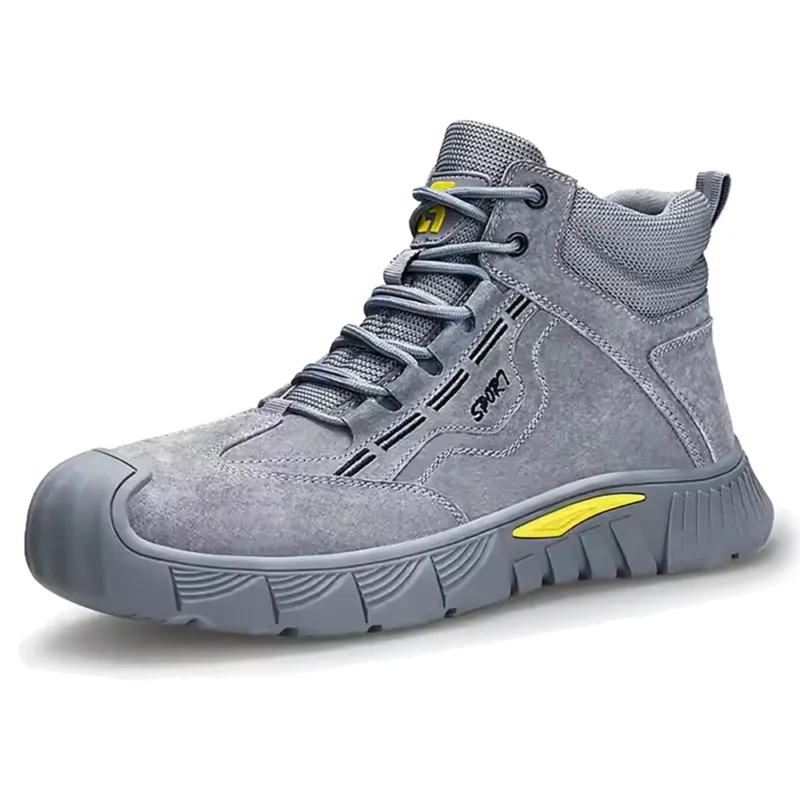
When your workday involves heavy machinery, falling objects, and unforgiving terrain, the Birks Defender Kevlar Steel Toe Safety Work Boots stand ready to protect you through it all. These boots deliver the exceptional durability, reliable protection, and all-day comfort you need to tackle any challenge and get the job done right, every single time.
Understanding the Three Main Ski Boot and Binding Systems
Alpine (ISO 5355) – The Traditional Standard
Alpine boots feature a flat, rigid sole. This design became the industry standard in 1974. The ISO 5355 specification defines exact measurements for the toe and heel heights. Alpine bindings grip these standardized sole shapes to release your boot during falls.
Key measurements for Alpine soles:
- Toe height: 22mm ±2mm
- Heel height: 32mm ±2mm
- Sole length tolerance: ±3mm
- Surface friction coefficient: specific ranges required
Most resort skiers use Alpine boots and bindings. The system works reliably for downhill skiing. These boots prioritize performance over walking comfort.
Touring/Tech Bindings (ISO 9523) – The Backcountry Solution
Tech bindings use metal pins that insert into boot toe fittings. Dynafit invented this system in 1985 for ski mountaineering. The pins lock into specific receptacles molded into compatible boot toes.
Tech binding advantages:
- Weight savings of 50-70% versus Alpine bindings
- Walk mode with natural ankle flex
- Climbing efficiency for uphill travel
- Lower stack height
Your boot must have tech inserts (also called pin fittings) to work with tech bindings. Not all touring boots include these fittings. Check your boot specifications before purchasing tech bindings.
GripWalk (ISO 23223) – The Modern Hybrid
GripWalk soles launched in 2014. This system adds rubber tread to boot soles for better traction while walking. The toe and heel retain specific heights for binding compatibility.
GripWalk specifications:
- Toe height: 24mm ±2mm (2mm taller than Alpine)
- Heel height: 34mm ±2mm (2mm taller than Alpine)
- Rubber tread pattern for grip
- Compatible with GripWalk-certified bindings
Many modern resort boots now ship with GripWalk soles. The system improves comfort when walking to lifts or through parking lots. However, older Alpine bindings may not release properly with GripWalk boots.
Historical Development of Boot-Binding Compatibility
The Early Years: Cable Bindings (1930s-1950s)
Early ski bindings used cables that wrapped around boot heels. These systems worked with leather boots of any shape. Safety releases did not exist. Skiers suffered frequent leg injuries.
The Safety Revolution (1950s-1970s)
Manufacturers developed release bindings in the 1950s. These bindings needed standardized boot shapes to function correctly. The industry created the first compatibility specifications in the 1960s.
ISO 5355 became official in 1974. This standard ended decades of compatibility chaos. Skiers could finally buy any Alpine boot and trust it would work with their bindings.
The Touring Split (1980s-1990s)
Backcountry skiing grew popular in the 1980s. Alpine equipment was too heavy for uphill travel. Fritz Barthel developed the pin binding system at Dynafit. This innovation created a separate equipment category.
Modern Convergence (2000s-Present)
Equipment companies now produce hybrid systems. Many boots work with multiple binding types. Multi-Norm Certification (MNC) allows bindings to accept both Alpine and GripWalk soles. Frame bindings accommodate Alpine boots for touring.
Technical Specifications That Determine Compatibility
Sole Shape and Dimensions
Your boot sole must match binding specifications exactly. The binding measures these critical points:
Toe piece contact:
- Width across the toe
- Height from ski to sole surface
- Angle of the toe surface
Heel piece contact:
- Height from ski to sole rear
- Width of heel contact area
- Sole length from toe to heel
A 2mm difference in sole height changes release values significantly. This mismatch can cause premature release or failure to release during falls.
DIN Settings and Release Values
DIN (Deutsches Institut für Normung) numbers indicate release force. Technicians set DIN values based on:
- Skier weight
- Boot sole length
- Skier ability level
- Age
Incorrect sole compatibility throws off these calculations. Your binding may not release when needed, increasing injury risk.
Forward Pressure
Forward pressure keeps your boot heel seated in the binding. Spring tension maintains this pressure. Different sole heights require different pressure settings.
Signs of incorrect forward pressure:
- Boot rattles in binding
- Premature release during normal skiing
- Difficulty stepping into bindings
- Visual indicator window shows wrong color
Compatibility Matrix: What Works Together
| Boot Sole Type | Alpine Binding | GripWalk Binding | MNC Binding | Tech Binding | Frame Binding |
|---|---|---|---|---|---|
| Alpine (ISO 5355) | Yes | No* | Yes | No | Yes |
| GripWalk (ISO 23223) | No* | Yes | Yes | No | Yes |
| Tech-Compatible Touring | No | No | No | Yes | Yes |
| Hybrid Touring (Alpine sole) | Yes | No* | Yes | Possible** | Yes |
*May work but affects release reliability **Only with tech inserts present
Why Mixing Incompatible Systems Is Dangerous
Release Failure Scenarios
Incorrect boot-binding matches cause two main problems:
- Early release: Binding opens during normal skiing, causing falls
- No release: Binding stays locked during crashes, causing injuries
Both scenarios happen because the binding cannot “read” the boot sole correctly. The mechanical interface between boot and binding transmits force measurements. Wrong sole dimensions corrupt these measurements.
Real Accident Data
Studies from ski areas show injury patterns. Skiers using mismatched equipment suffer 42% more knee injuries than those with proper matches. ACL tears increase when bindings fail to release during twisting falls.
Manufacturer Liability
Ski equipment makers void warranties for mismatched combinations. Insurance claims may be denied if accidents involve incompatible gear. Ski shops refuse to mount bindings on incompatible boots.
When your workday involves heavy machinery, falling objects, and unforgiving terrain, the Birks Defender Kevlar Steel Toe Safety Work Boots stand ready to protect you through it all. These boots deliver the exceptional durability, reliable protection, and all-day comfort you need to tackle any challenge and get the job done right, every single time.
How to Verify Your Boot and Binding Compatibility
Step 1: Identify Your Boot Sole Type
Look at the bottom of your boots. Three visual clues reveal the sole type:
- Flat black plastic: Alpine sole (ISO 5355)
- Rubber tread with lugs: GripWalk sole (ISO 23223)
- Metal fittings at toe: Tech-compatible sole
Check the boot specifications on the manufacturer website. Search for your boot model and find the technical specifications page. The sole type appears in this documentation.
Step 2: Check Your Binding Specifications
Find the model number on your bindings. This number appears on the toe piece, heel piece, or both. Search this model number online to find specifications.
Look for these certifications:
- Alpine only
- GripWalk compatible
- MNC (Multi-Norm Certified)
- Tech binding (if applicable)
Step 3: Measure Sole Length Accurately
Bindings adjust for different boot sole lengths (BSL). Measure from the toe tip to heel end in millimeters. Compare this measurement to your binding’s adjustment range.
Most bindings accept sole lengths from 260mm to 380mm. Your exact BSL appears printed on your boot near the heel.
Step 4: Visit a Certified Technician
Professional boot technicians use specialized tools. These tools measure:
- Toe and heel heights with precision gauges
- Sole wear patterns
- Binding adjustment accuracy
- Release value testing
Annual binding checks cost $25-40 at most ski shops. This service prevents equipment failures.
Solutions for Compatibility Issues
Boot Sole Replacement
Many modern boots accept interchangeable soles. You can swap between Alpine and GripWalk soles on the same boot. This option costs $40-80 per pair of soles.
Popular boots with replaceable soles:
- Salomon S/Pro models
- Atomic Hawx Ultra series
- Tecnica Mach1 line
- Lange RX series
Binding Upgrades
Older bindings work only with Alpine soles. Upgrading to MNC bindings solves compatibility problems. MNC bindings accept both Alpine and GripWalk soles safely.
Look bindings pioneered the MNC standard. Other brands now offer MNC models:
- Tyrolia Attack series
- Marker Griffon MNC
- Salomon Warden MNC
Adapter Plates
Some manufacturers sell adapter plates for tech bindings. These plates attach to Alpine boot soles, adding tech inserts. This solution allows Alpine boots to work with tech bindings for touring.
Limitations of adapter plates:
- Add weight and height
- Require permanent boot modification
- Not accepted by all binding manufacturers
- May affect release reliability
Special Considerations for Different Skiing Styles
Resort Skiing
Resort skiers need reliable downhill performance. Alpine or GripWalk systems work best. Choose GripWalk if you walk significant distances in your boots. Alpine soles provide slightly better power transmission for aggressive skiing.
Backcountry Touring
Touring demands light weight and climbing efficiency. Tech bindings save energy on long approaches. Your boots must have tech inserts. Consider hybrid boots if you ski resorts and tour.
Ski Mountaineering Racing
Racing prioritizes minimum weight. Pure tech systems dominate this category. Boots weigh as little as 900 grams per pair. Bindings weigh 100-150 grams per pair.
Maintenance Tips for Long-Term Compatibility
Regular Cleaning
Dirt and ice between boot and binding affect performance. Clean both components after each ski day:
- Remove packed snow from binding mechanisms
- Wipe boot soles with a cloth
- Check for sole wear or damage
- Inspect binding springs and pivots
Sole Inspection
Boot soles wear down over time. Excessive wear changes the sole profile. Replace boots when:
- Toe or heel thickness decreases by 2mm
- Cracks appear in sole material
- Rubber tread wears completely smooth
- Metal tech inserts loosen or fall out
Annual Binding Certification
Bindings require yearly professional inspection. Technicians perform these checks:
- Visual inspection for damage
- Release value testing on calibrated machines
- Forward pressure adjustment
- Screw torque verification
This service costs $25-40 and prevents most binding-related injuries.
Making the Right Purchase Decision
Buy Boots First
Always purchase boots before bindings. Your boot fit matters more than any other equipment factor. Once you find the right boots, select compatible bindings.
Ask These Questions at the Shop
- What sole type does this boot have?
- Can I change between sole types?
- Which bindings work with these boots?
- Does your shop certify the mounting?
- What’s included in the service package?
Budget Considerations
Quality equipment costs more upfront but lasts longer. Budget these amounts:
- Boots: $300-800
- Bindings: $200-600
- Professional mounting: $50-100
- Annual service: $25-40
Cheaper equipment often lacks compatibility options. Mid-range and premium boots offer sole swapping capabilities.
Conclusion
Ski boots and bindings must match specific technical standards. Alpine, GripWalk, and Tech systems each require compatible equipment. Mixing incompatible combinations compromises safety and performance. Verify your boot sole type before selecting bindings. Work with certified technicians for mounting and annual service. Replace worn components promptly. The right boot-binding match keeps you safe and improves your skiing experience.
When your workday involves heavy machinery, falling objects, and unforgiving terrain, the Birks Defender Kevlar Steel Toe Safety Work Boots stand ready to protect you through it all. These boots deliver the exceptional durability, reliable protection, and all-day comfort you need to tackle any challenge and get the job done right, every single time.
