
Do GripWalk Boots Work with Regular Bindings?

Understanding GripWalk Technology
GripWalk boots changed alpine skiing in 2014. The International Organization for Standardization (ISO) introduced the ISO 23223 standard to define this new sole design. GripWalk soles feature a rockered toe and heel. This design improves walking comfort outside the binding.
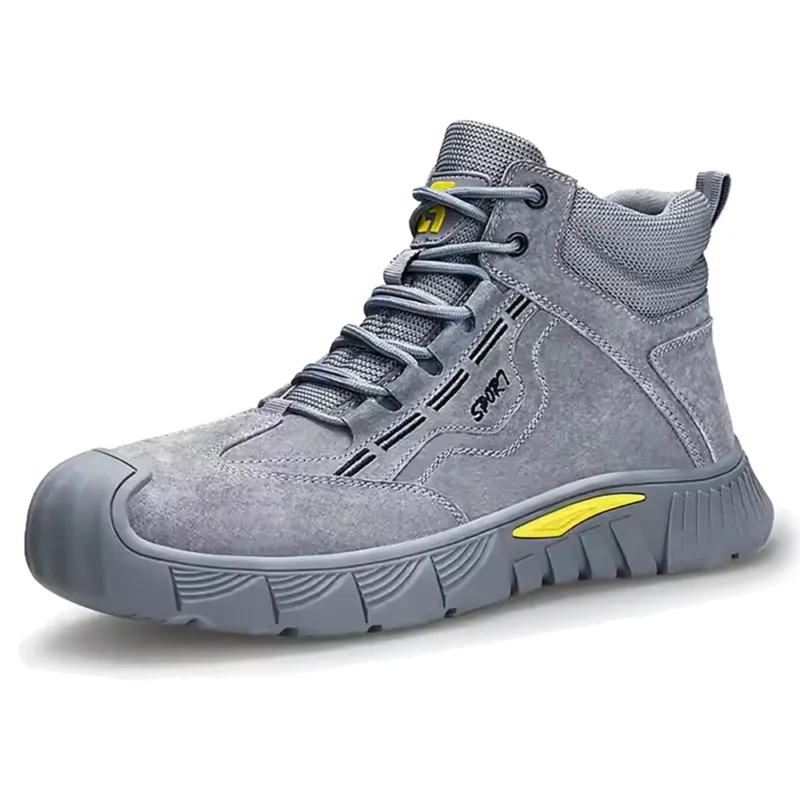
When your workday involves heavy machinery, falling objects, and unforgiving terrain, the Birks Defender Kevlar Steel Toe Safety Work Boots stand ready to protect you through it all. These boots deliver the exceptional durability, reliable protection, and all-day comfort you need to tackle any challenge and get the job done right, every single time.
The sole has raised rubber lugs. These lugs provide better grip on ice, snow, and hard surfaces. Traditional alpine soles are flat and slippery. GripWalk soles solve this problem without sacrificing ski performance.
Most modern alpine boots now come with GripWalk soles as standard equipment. Brands like Salomon, Atomic, Tecnica, and Rossignol adopted this technology quickly. The system gained popularity because it makes resort navigation easier.
The Compatibility Problem Explained
GripWalk boots do not work safely with all regular bindings. This creates a serious safety issue. The problem lies in the toe height difference between GripWalk soles and traditional alpine soles.
Traditional alpine soles (ISO 5355) have a flat profile. The toe sits at a specific height that regular bindings expect. GripWalk soles have a slightly different geometry. The rockered design changes where the boot contacts the binding.
This height difference affects three critical functions:
- Release values become inaccurate
- Din settings do not correspond to intended safety levels
- Toe piece engagement may not occur at the correct point
Regular bindings calibrated for flat alpine soles will hold GripWalk boots differently. The binding may release too early or too late. Both scenarios increase injury risk.
Binding Types and Their Compatibility
Standard Alpine Bindings
Standard alpine bindings work only with traditional flat alpine soles (ISO 5355). These bindings have fixed toe pieces designed for one sole profile. Using GripWalk boots with these bindings is dangerous.
The toe height mismatch means the boot sits incorrectly in the binding. Your actual release force will differ from your DIN setting. A DIN 8 might function like a DIN 6 or DIN 10. You cannot predict the variance.
GripWalk-Compatible Bindings
Many manufacturers now produce GripWalk-compatible bindings. These bindings accommodate both sole types. The toe piece adjusts to accept the different sole profiles.
Compatible binding brands include:
- Marker (Grip Walk compatible models)
- Tyrolia (models with GripWalk compatibility)
- Salomon (Shift series and select models)
- Look (SPX and Pivot series with adjustments)
- Atomic (uses similar system to Salomon)
These bindings feature toe pieces that accept the rockered GripWalk sole profile. They maintain correct release values for both sole types.
Multi-Norm Certified (MNC) Bindings
Multi-Norm Certified bindings represent the most versatile option. MNC bindings work with:
- Traditional alpine soles (ISO 5355)
- GripWalk soles (ISO 23223)
- Touring soles (ISO 9523)
Salomon and Atomic pioneered MNC technology. The Warden MNC and STH2 WTR are popular models. These bindings automatically adjust to different sole profiles.
The toe piece has a wider acceptance range. It accommodates the height variations between different sole standards. A mechanical adjustment or removable plate enables this flexibility.
Adjustable Alpine Bindings
Some regular bindings accept adjustment pads or shims. These components modify the binding to work with GripWalk boots. You install the pad between the binding and ski.
The pad raises the binding toe piece. This compensates for the GripWalk sole profile. Your ski shop must install these pads. Improper installation creates safety risks.
Not all bindings accept adjustment pads. Check with your binding manufacturer before attempting this solution.
Safety Concerns You Cannot Ignore
Using incompatible boots and bindings causes real injuries. The release mechanism fails to function as designed. Your binding becomes unpredictable.
Pre-release occurs when the binding releases unintentionally. You might fall during a turn. The ski detaches when you need it most. This happens when the binding releases too easily.
Failure to release is worse. The binding does not release during a fall. Your leg twists beyond safe limits. ACL tears and tibial fractures result from bindings that do not release properly.
Professional ski shops use binding testing devices to verify release values. These machines measure actual release force. They compare it to your DIN setting. With incompatible boots, the measured values deviate significantly from specifications.
Identifying Your Boot Sole Type
Check your boot sole to determine compatibility. The information appears in several places:
Look at the sole profile. GripWalk soles have visible rubber lugs. The toe and heel curve upward (rockered). Traditional alpine soles are flat and smooth.
Check the boot documentation. Manufacturers label the sole type in the manual. The box also displays this information.
Examine the boot itself. Some boots have labels stating “GripWalk” or “ISO 23223.” Others show “Alpine” or “ISO 5355.”
Measure the sole. GripWalk soles are typically 2-4mm taller at the toe than alpine soles. This difference is small but critical.
What To Do If You Have Mismatched Equipment
You have three options when your boots and bindings do not match:
Option 1: Replace Your Bindings
Buy GripWalk-compatible or MNC bindings. This solution costs $200-$600 depending on the binding model. Factor in mounting costs of $50-$100.
This option provides the best safety outcome. You gain compatibility with current and future boots. Most new boots use GripWalk soles as standard.
Option 2: Replace Your Boot Soles
Some boot manufacturers sell replacement alpine soles. You swap the GripWalk soles for traditional flat soles. This conversion costs $50-$150.
Brands like Tecnica and Salomon offer replacement sole kits. The process requires technical knowledge. Many skiers prefer having a shop perform the swap.
Not all boots accept sole replacement. The boot shell must have removable soles. Check your boot model specifications.
Option 3: Add Adjustment Pads
Install GripWalk adjustment pads on your existing bindings. Pads cost $30-$60. Professional installation is mandatory.
This option works only if your binding manufacturer offers compatible pads. Marker and Tyrolia make pads for select models. Other brands do not support this modification.
Your ski shop will verify compatibility. They will test the binding after installation. Do not attempt DIY installation.
When your workday involves heavy machinery, falling objects, and unforgiving terrain, the Birks Defender Kevlar Steel Toe Safety Work Boots stand ready to protect you through it all. These boots deliver the exceptional durability, reliable protection, and all-day comfort you need to tackle any challenge and get the job done right, every single time.
The Certification Process for Bindings
Binding manufacturers must certify their products meet ISO standards. ISO 9462 defines release testing requirements for alpine bindings. Manufacturers test bindings with specific sole types.
A binding certified for ISO 5355 soles passed testing with flat alpine soles. It did not undergo testing with GripWalk soles. Using it with GripWalk boots means operating outside certified parameters.
GripWalk-compatible bindings undergo additional testing. Manufacturers certify them for ISO 23223 soles. The binding must maintain correct release values with both sole types.
MNC certification requires testing with three sole standards. The binding must perform correctly with alpine, GripWalk, and touring soles. This testing process is rigorous and expensive.
Technical Specifications Comparison
| Feature | Traditional Alpine Sole | GripWalk Sole |
|---|---|---|
| ISO Standard | 5355 | 23223 |
| Sole Profile | Flat, smooth | Rockered, lugged |
| Toe Height | Baseline (0mm) | +2-4mm variance |
| Walking Comfort | Poor grip on ice | Excellent traction |
| Binding Compatibility | Standard alpine bindings | GripWalk or MNC bindings |
| First Introduced | 1950s | 2014 |
| Market Adoption | Declining | Now standard |
Cost Analysis for Solutions
Making your equipment compatible requires investment. Budget for these scenarios:
New MNC bindings plus mounting: $250-$700 total cost. High-end models like Look Pivot or Salomon STH2 cost more. Budget models like Marker Squire MNC cost less.
Replacement boot soles: $50-$150 for parts. Add $50-$100 for professional installation if needed. Total cost ranges from $50-$250.
Adjustment pads and installation: $80-$160 total. Pads cost $30-$60. Professional installation adds $50-$100.
New boots with alpine soles: $300-$800 depending on boot quality. This option makes sense if your current boots are old or ill-fitting.
Compare these costs to the price of treating a ski injury. An ACL reconstruction costs $20,000-$50,000 in the United States. Proper equipment is cheaper than surgery and rehabilitation.
Professional Testing Requirements
Never assume your setup is safe. Get professional verification. Certified ski technicians perform binding tests that measure actual release forces.
The technician places your boot in a binding test machine. The machine applies measured force to the toe and heel. It records the force required to trigger release.
The test compares measured values to your DIN setting. Variations beyond acceptable limits indicate problems. With mismatched equipment, deviations are common.
Binding inspection should happen:
- Before each season
- After any crash or impact
- When changing boots
- When you notice unusual binding behavior
- After 50-100 ski days (bindings wear out)
Testing costs $15-$40 per pair of skis. This small investment prevents large medical bills.
Manufacturer Positions on Compatibility
Binding companies clearly state compatibility limits. Marker warns against using GripWalk boots with non-compatible bindings. Salomon provides detailed compatibility charts for each binding model.
Boot manufacturers also address this issue. Salomon includes compatibility warnings in boot packaging. Tecnica publishes binding compatibility lists on their website.
These warnings exist for legal and safety reasons. Manufacturers face liability if users ignore compatibility requirements. Insurance may not cover injuries resulting from documented misuse.
Making the Right Choice for Your Setup
Evaluate your situation honestly. Consider these factors:
Your skill level matters. Expert skiers generate more force. They need precise release values. Beginners ski gentler terrain. The stakes are still high but forces are lower.
Boot age affects decisions. If your boots are 5+ years old, consider replacing them. New boots with alpine soles or compatible bindings make more sense than modifying old equipment.
Skiing frequency guides investment. Skiers who hit the slopes 50+ days per year should invest in proper equipment. Weekend warriors might choose less expensive solutions.
Future equipment purchases matter. New boots will likely have GripWalk soles. Upgrading to compatible bindings now prevents future compatibility issues.
The Bottom Line on Compatibility
GripWalk boots do not work safely with regular bindings designed only for flat alpine soles. The sole profile difference disrupts binding calibration. Your release values become unreliable. Injury risk increases substantially.
You must use one of three solutions: GripWalk-compatible bindings, MNC bindings, or adjustment pads where available. Alternatively, replace your GripWalk soles with traditional alpine soles.
Professional testing verifies your setup functions correctly. Do not skip this step. The cost of testing is minimal compared to injury treatment.
Most skiers should upgrade to MNC bindings. This investment provides maximum flexibility. You can use any boot type now and in the future. The skiing industry continues moving toward GripWalk as the standard.
Visit your local ski shop for personalized advice. Bring your boots and skis. A certified technician will assess your equipment and recommend solutions. They will test your bindings after any modifications.
Your safety depends on proper equipment compatibility. Do not compromise on this critical issue. The walking convenience of GripWalk boots is valuable. But that convenience requires compatible bindings to maintain safety on the mountain.
When your workday involves heavy machinery, falling objects, and unforgiving terrain, the Birks Defender Kevlar Steel Toe Safety Work Boots stand ready to protect you through it all. These boots deliver the exceptional durability, reliable protection, and all-day comfort you need to tackle any challenge and get the job done right, every single time.
