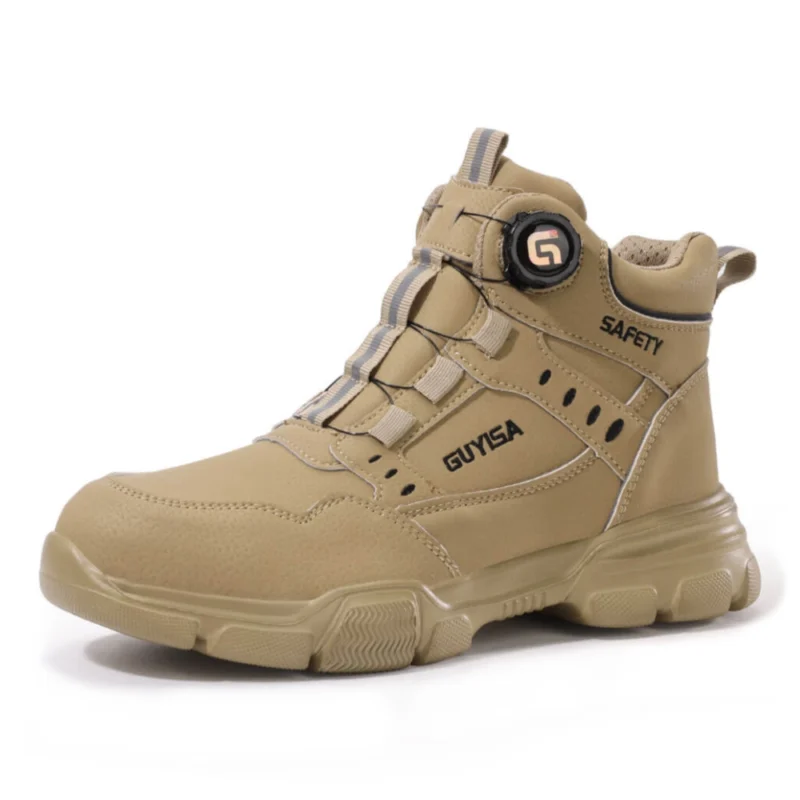
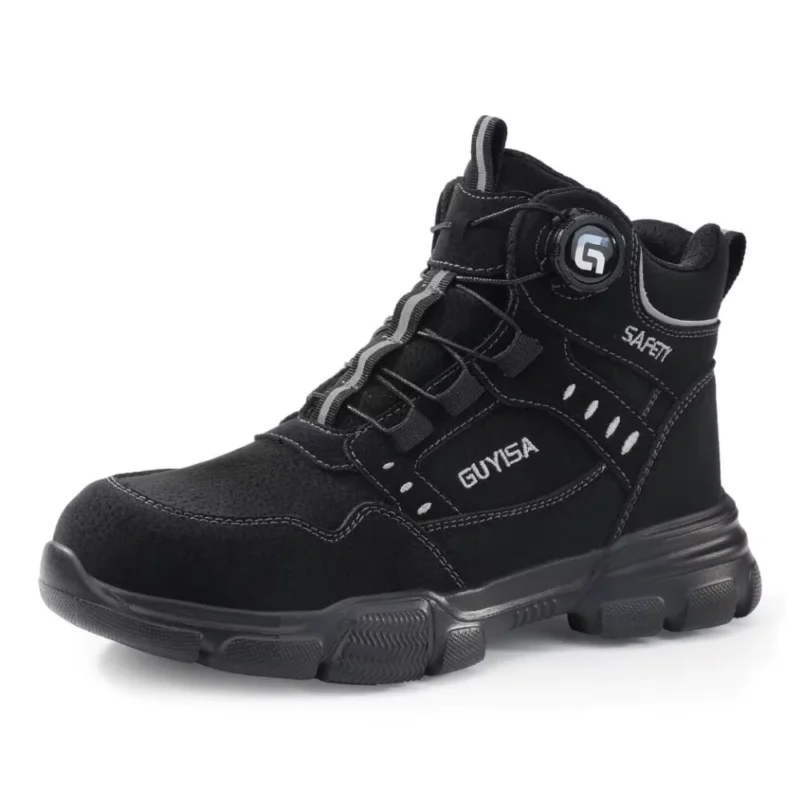
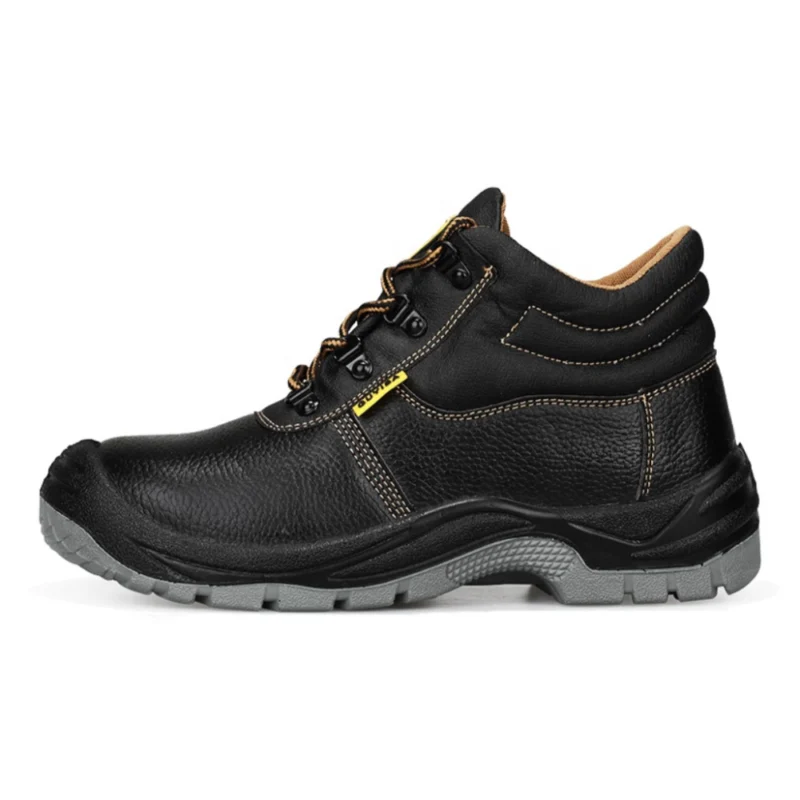
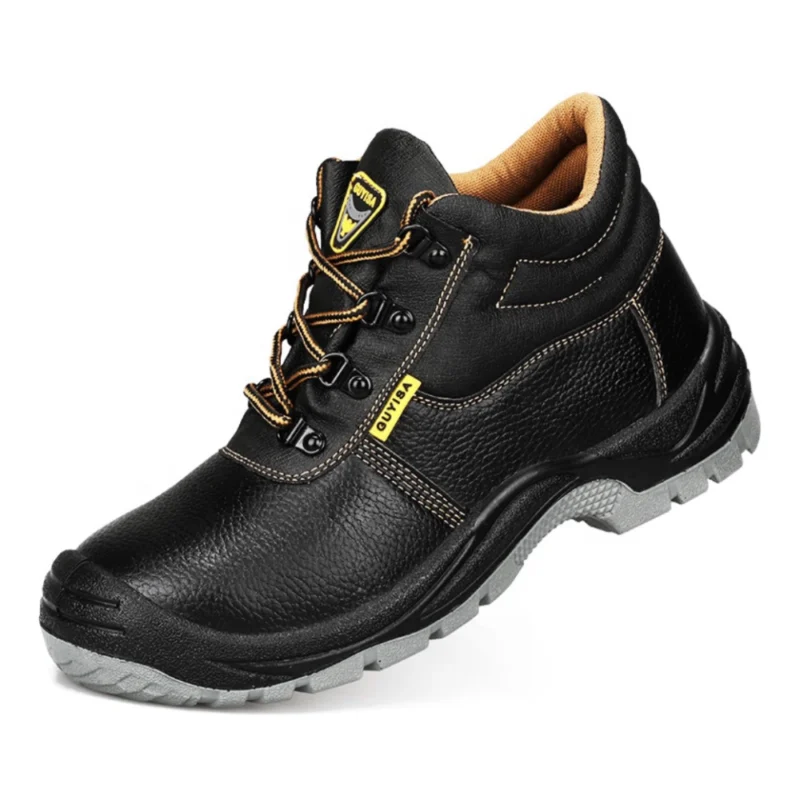
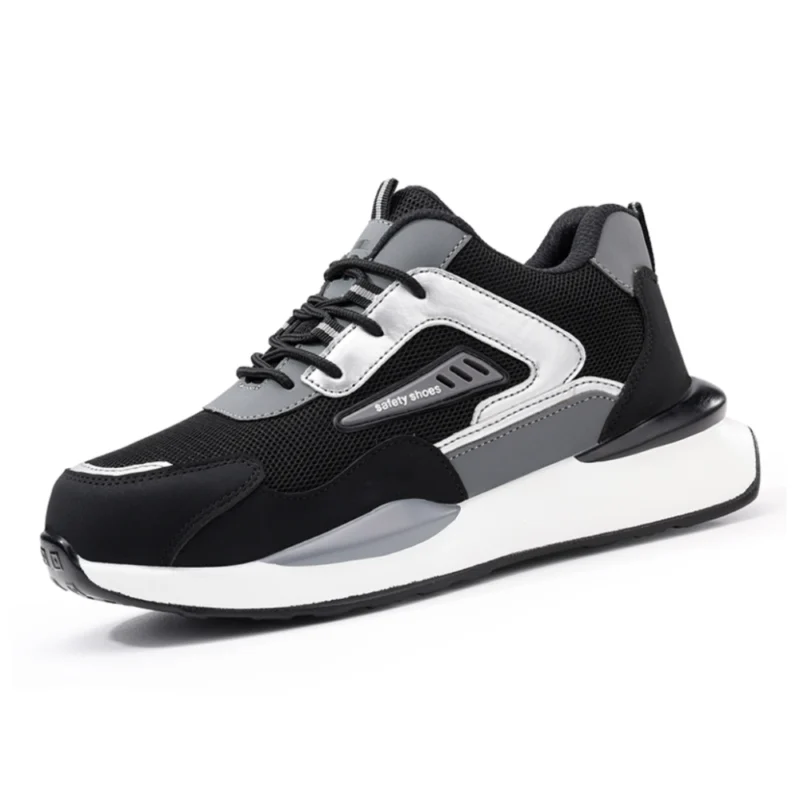
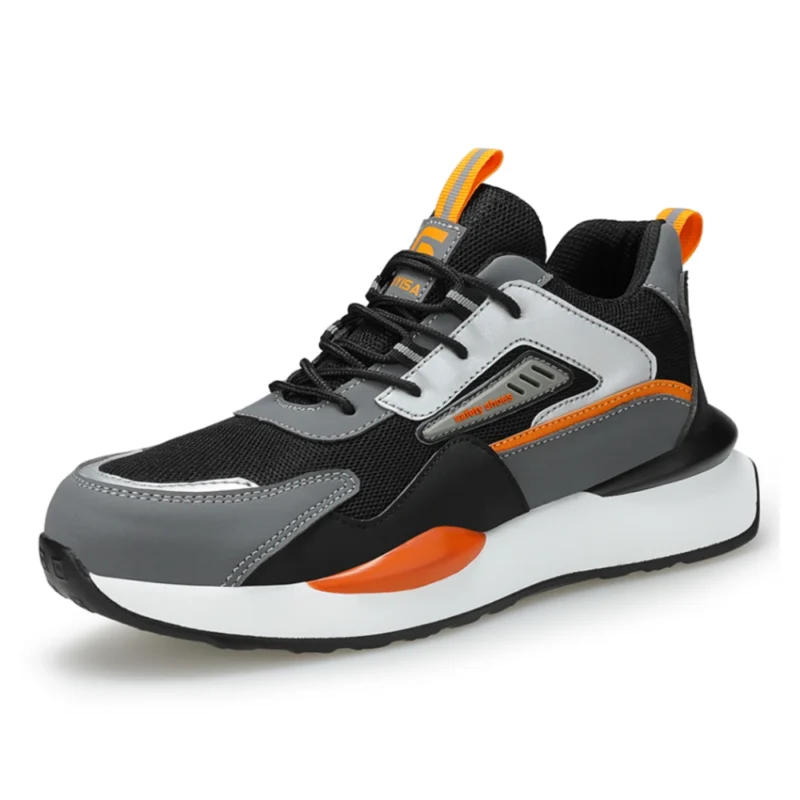
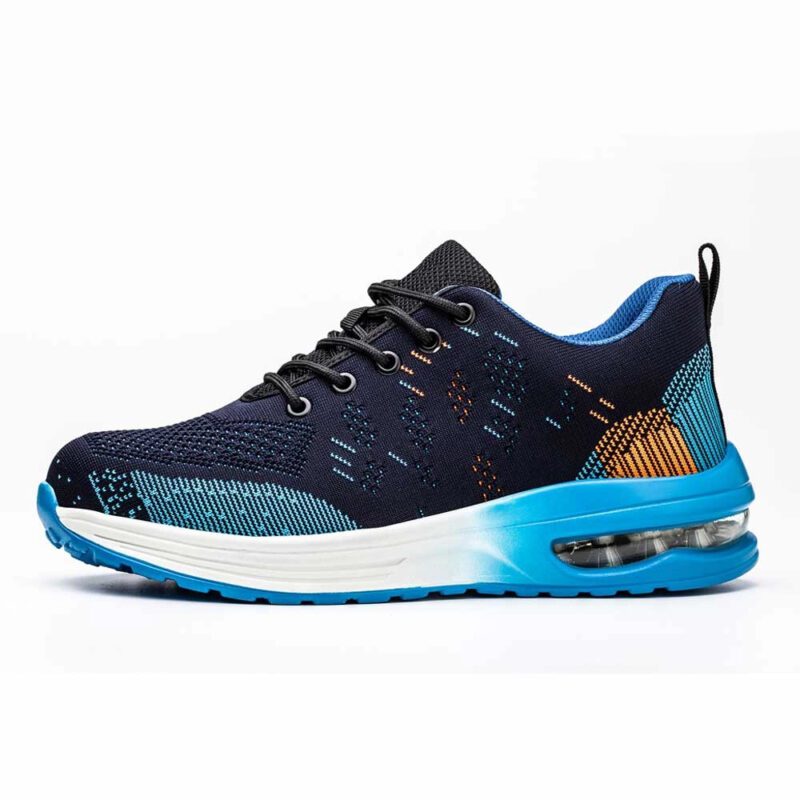
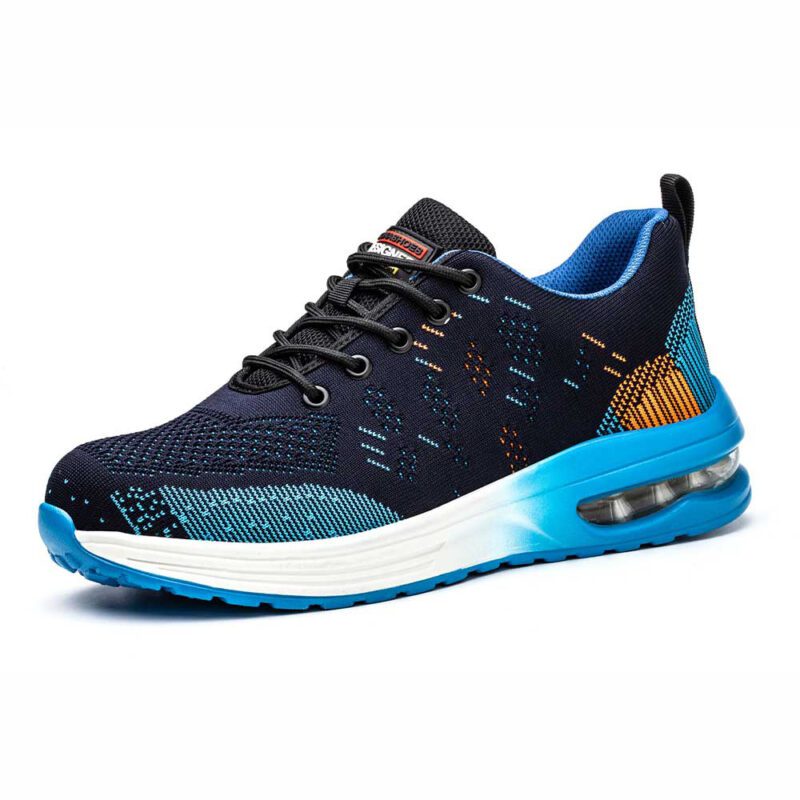
Factory Worker Boots and Shoes: Essential Protection for Industrial Environments
Factory worker boots and shoes provide critical protection for employees in manufacturing and industrial settings. These specialized footwear products defend feet against multiple workplace hazards including falling objects, sharp materials, electrical dangers, and slippery surfaces. Workers who spend entire shifts on concrete floors need footwear that combines safety features with comfort and durability.
Safety Features That Protect Manufacturing Workers
Manufacturing facilities present numerous hazards that require specific protective features. Steel toe caps form the primary defense against impact and compression injuries from dropped tools or materials. These reinforced areas withstand substantial force while maintaining足 comfort during normal wear. Slip-resistant outsoles feature deep treads that grip oily, wet, or debris-covered factory floors. This traction prevents costly accidents and keeps workers stable during their tasks.
Puncture-resistant midsoles create a barrier between feet and sharp objects on work surfaces. Nails, metal shavings, and broken materials cannot penetrate these protective layers. This feature proves especially valuable in assembly areas, warehouses, and recycling facilities where sharp debris accumulates.
Specialized Protection for Different Industrial Settings
Different manufacturing environments demand specific safety capabilities. Electrical hazard protection insulates workers from electrical shocks near live machinery and circuits. These factory worker shoes use non-conductive materials that prevent current from passing through to the ground. Workers in foundries and welding operations need heat-resistant materials that withstand high temperatures and molten metal splashes.
Chemical-resistant uppers protect against corrosive substances in processing plants and chemical manufacturing facilities. These materials resist degradation from acids, solvents, and other industrial chemicals. Waterproof construction keeps feet dry in food processing plants and other wet environments where moisture creates constant exposure.
Comfort Features That Support Long Work Shifts
Comfort directly impacts worker productivity and long-term health. Quality factory worker boots include cushioned insoles that absorb shock and reduce foot fatigue during extended standing periods. Memory foam and gel inserts mold to individual foot shapes, providing personalized support throughout shifts. Breathable linings and moisture-wicking materials prevent excessive sweating and maintain comfortable foot temperature.
Ankle support stabilizes joints during repetitive movements and heavy lifting activities. This support reduces strain on ankles and lower legs, preventing injuries that result from awkward positions or sudden movements. Proper arch support distributes body weight evenly across feet, reducing pressure points that cause discomfort during long work hours.
Durability and Compliance Standards
Workers depend on their safety footwear daily, making durability a crucial factor. Reinforced stitching at stress points prevents premature failure. High-quality leather and advanced synthetic materials resist wear from constant use and harsh conditions. This construction extends boot lifespan, reducing replacement frequency and costs.
Factory worker boots and shoes must meet established safety regulations. ASTM and CSA standards define minimum requirements for workplace safety footwear. Certified products undergo rigorous testing to verify their protective capabilities. Employers who provide compliant footwear reduce injury rates and associated workers' compensation costs.
Investment in Worker Safety and Performance
Quality factory worker boots combine multiple protective features into comfortable, durable footwear solutions. Workers gain confidence knowing their feet remain protected against varied hazards throughout demanding shifts. Employers benefit from reduced injury claims, lower insurance premiums, and improved workplace safety records. Proper safety footwear demonstrates organizational commitment to employee welfare while supporting operational efficiency and productivity in manufacturing and industrial environments.