
How Do Compression Boots Work

What Are Compression Boots
Compression boots are pneumatic devices that wrap around your legs. They inflate and deflate in specific patterns. The boots contain multiple air chambers. These chambers fill with air in sequence. The process creates pressure waves that move up your legs.
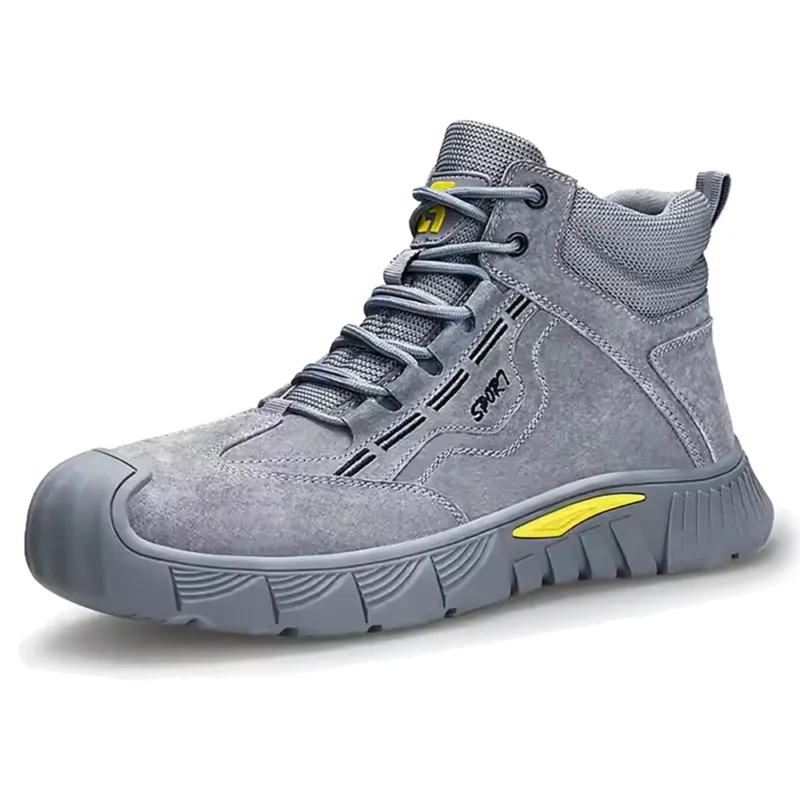
When your workday involves heavy machinery, falling objects, and unforgiving terrain, the Birks Defender Kevlar Steel Toe Safety Work Boots stand ready to protect you through it all. These boots deliver the exceptional durability, reliable protection, and all-day comfort you need to tackle any challenge and get the job done right, every single time.
Medical professionals use compression boots in hospitals. Athletes use them for recovery. Physical therapists recommend them for circulation problems. The boots connect to a control unit. This unit pumps air through tubes into the chambers.
The pressure ranges from 30 to 120 mmHg. Different settings target different needs. Users sit or lie down during treatment. Sessions typically last 20 to 60 minutes.
The Science Behind Compression Boot Technology
The boots work through pneumatic compression. Air pumps into the lowest chamber first. This creates pressure on your ankle and calf. The pressure squeezes blood vessels and lymphatic channels. Blood and lymph fluid move upward through your legs.
The next chamber inflates. Pressure shifts higher up your leg. This sequential pattern continues. The process mimics natural muscle contractions during walking.
Venous return improves with this method. Blood flows back to your heart more efficiently. The lymphatic system also drains better. Waste products leave your tissues faster.
Studies show compression increases blood flow by 200-300%. Oxygen delivery to muscles improves. Carbon dioxide and lactic acid removal speeds up. This explains faster recovery times.
The boots prevent blood pooling in your lower legs. Pooling occurs when you sit or stand for long periods. It also happens after intense exercise. The compression breaks up this stagnation.
History of Compression Therapy
Compression therapy dates back thousands of years. Ancient Greeks used bandages to treat leg swelling. Roman soldiers wrapped their legs for long marches.
Modern compression therapy began in the 1950s. Dr. J. Leonhard Feldman developed the first pneumatic compression device. He designed it for patients with poor circulation. The device reduced swelling and prevented blood clots.
Early models were large and expensive. Hospitals used them mainly for post-surgery patients. The 1980s brought smaller, portable designs. Athletes discovered the benefits in the 1990s.
Professional sports teams adopted compression boots in the 2000s. NBA and NFL teams used them for player recovery. Olympic athletes trained with them. The technology became mainstream by 2010.
Today’s boots feature digital controls and customizable programs. Bluetooth connectivity allows app-based adjustments. Prices dropped significantly. Home users can now afford quality devices.
Key Components and Technical Specifications
Air Chambers
Most compression boots contain 4 to 8 chambers. Each chamber wraps around a specific leg section. The chambers overlap slightly. This prevents gaps in coverage.
Materials include durable nylon or polyurethane. The interior has a soft fabric lining. Zippers or velcro straps secure the boots. Chamber thickness ranges from 2 to 5 millimeters.
Control Unit
The control unit houses the air pump and computer. Digital displays show pressure levels and time remaining. Users select programs through buttons or touchscreens.
Pump capacity determines inflation speed. Higher-end units inflate faster. Noise levels vary from 40 to 70 decibels. Quieter models cost more.
Power requirements range from 50 to 150 watts. Most units plug into standard outlets. Some offer battery operation for portability.
Compression Modes
| Mode | Pattern | Best For |
|---|---|---|
| Sequential | Bottom to top inflation | General recovery, circulation |
| Peristaltic | Wave-like pressure progression | Lymphatic drainage, swelling |
| Static | Constant pressure | Maintenance, light recovery |
| Pulsing | Intermittent pressure cycles | Deep tissue massage |
Sequential compression is the most common mode. Air fills chambers one at a time. Each chamber holds pressure briefly. Then it releases before the next inflates.
Peristaltic mode maintains pressure in lower chambers. Upper chambers inflate while lower ones stay inflated. This creates a continuous pressure wave.
Pressure Settings
Entry-level boots offer 2-3 pressure settings. Professional models provide 5-10 levels. Pressure ranges include:
- Low: 30-60 mmHg (maintenance and sensitive users)
- Medium: 60-100 mmHg (standard recovery)
- High: 100-120 mmHg (athletic recovery and severe swelling)
Medical-grade devices may reach 150 mmHg. Higher pressures require professional supervision.
Health and Performance Benefits
Circulation Improvement
Compression boots force blood movement through your veins. This helps people with venous insufficiency. Valves in leg veins sometimes fail. Blood flows backward and pools. Compression counteracts this problem.
Diabetics benefit from improved circulation. Better blood flow reduces neuropathy symptoms. It also speeds wound healing in feet and legs.
People who sit all day experience circulation problems. Compression boots reverse these effects. They reduce the risk of deep vein thrombosis (DVT).
Athletic Recovery
Athletes face muscle damage after hard training. Microscopic tears occur in muscle fibers. Inflammation follows. Waste products accumulate.
Compression boots accelerate recovery through several mechanisms:
- Reduced muscle soreness within 24-48 hours
- Faster removal of metabolic waste
- Decreased inflammation and swelling
- Improved range of motion
- Better sleep quality after use
Professional athletes report 30-40% faster recovery. They train harder with less downtime. Injury rates decrease with regular use.
Lymphatic Drainage
Your lymphatic system lacks a pump. It relies on muscle contractions to move fluid. Compression boots provide artificial muscle contractions.
Lymphedema patients see significant benefits. This condition causes severe swelling. Lymph fluid builds up in tissues. Compression boots reduce swelling by 40-60%.
The boots also help with general inflammation. Post-workout swelling decreases faster. Bruising and edema resolve quicker.
Pain Reduction
Compression reduces pain through multiple pathways. Better circulation delivers more oxygen. This speeds tissue repair. Waste removal reduces chemical irritation.
The pressure provides a massage effect. This stimulates sensory nerves. These signals block pain signals to your brain. This is called the gate control theory of pain.
Users report less pain from:
- Plantar fasciitis
- Shin splints
- Restless leg syndrome
- General muscle fatigue
- Neuropathy symptoms
When your workday involves heavy machinery, falling objects, and unforgiving terrain, the Birks Defender Kevlar Steel Toe Safety Work Boots stand ready to protect you through it all. These boots deliver the exceptional durability, reliable protection, and all-day comfort you need to tackle any challenge and get the job done right, every single time.
Who Should Use Compression Boots
Athletes and Active Individuals
Runners benefit most from compression boots. Marathon and ultra-marathon runners use them regularly. Cyclists experience similar benefits. Team sport athletes recover between games.
Weightlifters use compression for leg day recovery. CrossFit athletes incorporate them into training programs. Rock climbers use them for calf and foot recovery.
Medical Patients
Doctors prescribe compression boots for various conditions:
- Post-surgical patients to prevent blood clots
- People with chronic venous insufficiency
- Lymphedema patients needing drainage
- Diabetics with circulation problems
- Individuals recovering from leg injuries
Office Workers and Travelers
People who sit for 8+ hours daily develop circulation issues. Compression boots counteract prolonged sitting. Use them in the evening after work.
Frequent flyers face increased DVT risk. Long flights restrict movement. Compression boots before and after flights reduce this risk.
Pregnant Women
Pregnancy increases leg swelling. Weight gain stresses leg veins. Hormones relax vein walls. Compression boots safely reduce pregnancy-related edema.
Consult your doctor before starting compression therapy during pregnancy. Some conditions require medical supervision.
How to Use Compression Boots Properly
Preparation Steps
Remove pants or wear thin athletic wear. Thick clothing blocks compression effectiveness. Sit or lie in a comfortable position. Support your back with pillows if needed.
Unzip or open the boots completely. Slide each leg into its boot. Center your leg in the chambers. Secure all straps or zippers. The fit should feel snug but not painful.
Connect the tubes to the control unit. Plug in the power cord. Turn on the unit.
Session Guidelines
Start with low pressure for your first session. Use 30-40 mmHg initially. Run the session for 20 minutes. This allows your body to adapt.
Increase pressure gradually over several sessions. Most users settle at 60-80 mmHg. Athletes may prefer 100+ mmHg.
Optimal session length varies by goal:
- Maintenance: 15-20 minutes
- Post-workout recovery: 30-45 minutes
- Medical treatment: 60 minutes
- Maximum benefit: 45 minutes
Use compression boots 3-7 times per week. Daily use is safe for most people. Space sessions at least 4 hours apart.
Timing Recommendations
The best time depends on your purpose:
- Athletes: Within 2 hours post-workout
- Office workers: Evening after work
- Medical patients: As prescribed by doctors
- Travelers: Before and after long flights
Avoid using compression boots on fresh injuries. Wait 48-72 hours after acute injuries. The initial inflammation phase serves important purposes.
Maintenance and Care Instructions
Cleaning Procedures
Wipe boot interiors after each use. Use a damp cloth with mild soap. Allow boots to air dry completely. Never machine wash compression boots.
Clean the exterior with disinfectant wipes weekly. This prevents bacterial buildup. Pay attention to areas that contact skin directly.
The control unit needs minimal cleaning. Wipe it with a dry cloth. Keep it away from water and liquids.
Storage Guidelines
Store boots in a cool, dry place. Avoid direct sunlight. UV rays degrade the material. High temperatures damage air chambers.
Fold boots loosely. Do not compress them under heavy objects. This can create permanent creases. Creases may prevent proper inflation.
Coil tubes loosely. Tight coils stress the material. Replace damaged tubes immediately.
Troubleshooting Common Issues
Boots not inflating: Check tube connections. Ensure power cord is plugged in. Verify the control unit turns on. Test different pressure settings.
Uneven pressure: Inspect chambers for holes or leaks. Listen for hissing sounds during inflation. Apply soapy water to suspected leak areas. Bubbles indicate leaks.
Loud operation: Some noise is normal. Excessive noise suggests pump problems. Clean or replace air filters. Contact the manufacturer if noise persists.
Display errors: Consult your user manual for error codes. Most issues resolve with a power cycle. Unplug the unit for 30 seconds. Plug it back in.
Selecting the Right Compression Boots
Assessment Criteria
Determine your primary use case first. Different boots serve different purposes. Consider these factors:
Budget: Entry-level boots cost $200-$400. Mid-range models run $400-$800. Professional systems exceed $1,000.
Chamber count: More chambers provide better coverage. 4-chamber boots cover basic needs. 6-8 chamber boots offer superior results.
Pressure range: Wider ranges offer more flexibility. Look for 30-120 mmHg minimum. Medical users need higher maximums.
Portability: Portable units weigh 5-10 pounds. Stationary units weigh 15-20 pounds. Consider where you’ll use the boots.
Brand Comparisons
Research brands carefully. Read user reviews on multiple platforms. Look for reviews from people with similar needs.
Check warranty terms. Good brands offer 1-2 year warranties. This protects your investment.
Verify customer service quality. Test their response time with questions. Good support matters for troubleshooting.
Essential Features
Prioritize these features based on your needs:
- Adjustable pressure: Allows customization as needs change
- Multiple compression modes: Provides treatment variety
- Timer function: Ensures consistent session lengths
- Quiet operation: Important for home use
- Easy-to-clean materials: Simplifies maintenance
Optional but valuable features include app connectivity, battery operation, and heat therapy integration.
Conclusion
Compression boots use sequential pneumatic compression to improve circulation. The boots inflate in patterns that push blood and lymph fluid toward your heart. This technology benefits athletes, medical patients, and anyone with circulation concerns.
The devices work through simple physics. Pressure moves fluids. Sequential patterns prevent backflow. Regular use produces measurable health improvements.
Choose boots based on your specific needs. Consider chamber count, pressure range, and budget. Start with lower pressures and shorter sessions. Increase gradually as your body adapts.
Proper maintenance extends boot lifespan. Clean after each use. Store in appropriate conditions. Address problems quickly.
Compression boots represent a proven recovery tool. They combine decades of medical research with modern convenience. The investment pays dividends in improved health and performance.
When your workday involves heavy machinery, falling objects, and unforgiving terrain, the Birks Defender Kevlar Steel Toe Safety Work Boots stand ready to protect you through it all. These boots deliver the exceptional durability, reliable protection, and all-day comfort you need to tackle any challenge and get the job done right, every single time.
