
How Do Cowboy Boot Sizes Work

Understanding Cowboy Boot Sizing Basics
Cowboy boot sizes follow a different system than regular shoes. The sizing uses three key measurements: length, width, and instep height. Each measurement plays a critical role in fit and comfort.
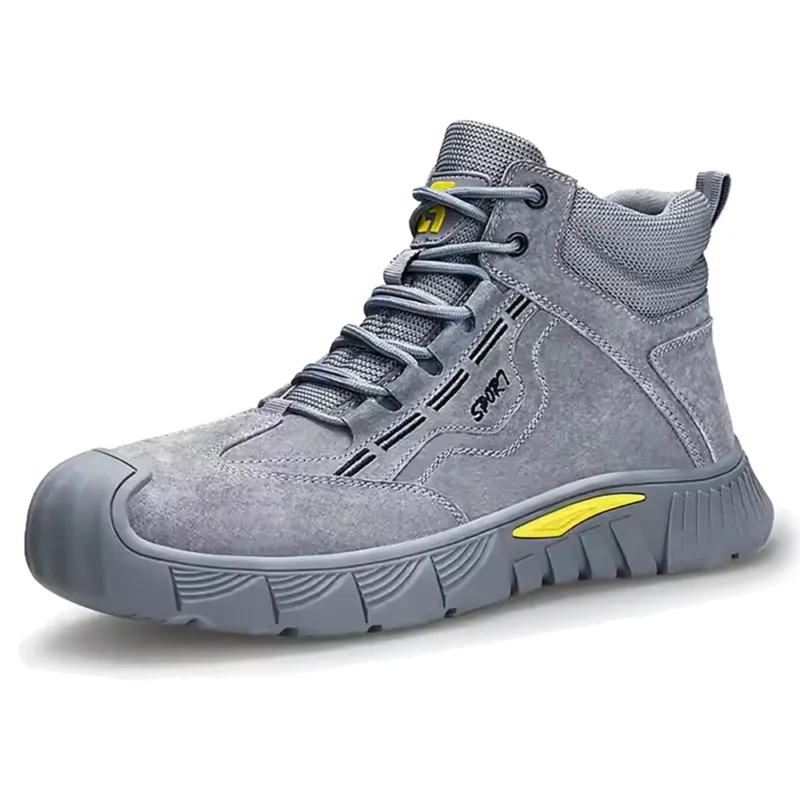
When your workday involves heavy machinery, falling objects, and unforgiving terrain, the Birks Defender Kevlar Steel Toe Safety Work Boots stand ready to protect you through it all. These boots deliver the exceptional durability, reliable protection, and all-day comfort you need to tackle any challenge and get the job done right, every single time.
Boot length corresponds to your foot length in inches. Manufacturers convert this measurement to standard US sizes. A size 10 men’s boot typically fits a foot measuring 10.5 inches from heel to toe.
Width designations use letters. B indicates narrow, D means medium, E represents wide, and EE signifies extra wide. Men’s boots default to D width. Women’s boots default to B width.
The instep refers to the top of your foot between the ankle and toes. Boot shafts accommodate different instep heights. A high instep requires more room in the vamp area.
The History of Boot Sizing Standards
Boot sizing evolved from European shoemaking traditions in the 1800s. American bootmakers adapted these systems for western footwear.
The Brannock Device revolutionized shoe fitting in 1927. This metal measuring tool standardized foot length and width measurements. Boot manufacturers adopted similar principles.
Western boot companies developed their own sizing conventions. Each brand maintained unique lasts—the wooden forms used to shape boots. These lasts created slight variations between manufacturers.
By the 1950s, industry groups established more consistent sizing guidelines. The system remains largely unchanged today. However, individual brands still use proprietary lasts.
Technical Specifications of Boot Measurements
Length Measurement
Boot length starts at size 7 and extends to size 15 for men. Women’s sizes run from 5 to 12. Each full size equals approximately 1/3 inch of foot length.
Half sizes provide increments of 1/6 inch. This precision helps achieve better fit. Not all brands offer half sizes in their full range.
Width Specifications
Width measurements vary significantly:
- A: Extra narrow (rare in men’s boots)
- B: Narrow (standard for women)
- C: Medium-narrow (uncommon)
- D: Medium (standard for men)
- E: Wide
- EE: Extra wide
- EEE: Triple wide
Each width grade adds approximately 1/4 inch to the ball girth of the boot.
Boot Shaft Dimensions
Boot shafts have two critical measurements:
- Shaft height: Distance from bottom of heel to top of shaft
- Shaft circumference: The opening diameter at the top
Standard shaft heights range from 10 to 14 inches. Calf measurements determine proper shaft circumference. Most boots range from 13 to 16 inches in circumference.
How Different Brands Size Their Boots
Boot manufacturers use different sizing approaches. This creates confusion for buyers.
| Brand Type | Sizing Characteristics | Typical Fit |
|---|---|---|
| Traditional Western | Runs true to size | Standard D width focus |
| Fashion Western | Often runs small | Narrower toe boxes |
| Work Boots | Generous sizing | Accommodates thick socks |
| Exotic Leather | Varies by material | May stretch significantly |
Ariat boots typically run true to size. Their ATS technology adds comfort features without changing size standards.
Lucchese uses traditional sizing but runs slightly narrow. Many customers order a half size up or choose wide widths.
Justin boots follow standard sizing closely. Their basic lines offer consistent fit across styles.
Tecovas maintains true-to-size standards. Their direct-to-consumer model includes detailed sizing guides.
Measuring Your Feet for Cowboy Boots
Accurate measurements prevent sizing mistakes. Follow these steps:
- Measure feet in the afternoon or evening
- Wear the socks you plan to use with boots
- Stand on a piece of paper with full weight distribution
- Mark the longest toe and heel position
- Measure the distance in inches
- Measure the widest part of your foot (ball area)
- Record both feet separately
Most people have one foot slightly larger than the other. Always size for the larger foot.
Use a flexible measuring tape for width. Wrap it around the ball of your foot at its widest point. Compare this measurement to brand-specific width charts.
The Break-In Period and Size Selection
Cowboy boots require a break-in period. Leather stretches and molds to your foot shape. This process affects initial size selection.
New boots should feel snug but not painful. The heel should slip slightly during the first few wears. This heel slip decreases as the boot conforms to your foot.
Full-grain leather stretches more than other materials. These boots may require sizing down slightly. The leather will give up to half a size during break-in.
Exotic leathers behave differently:
- Ostrich stretches minimally
- Lizard maintains its shape well
- Alligator offers moderate stretch
- Python stretches significantly
Synthetic materials do not stretch. These boots must fit correctly from the start.
Common Sizing Problems and Solutions
Problem: Heel Slippage
Excessive heel movement indicates poor fit. Some slippage is normal initially. The boot should grip your heel after 5-10 wears.
Solutions include:
- Heel pads or grips
- Thicker socks
- Tongue pads to improve overall fit
- Professional stretching if the vamp is too tight
Problem: Tight Instep
Difficulty getting your foot into the boot signals instep issues. The vamp restricts foot entry.
Solutions:
- Boot hooks to aid pulling
- Professional stretching of the vamp
- Different boot styles with lower vamps
- Higher shaft openings for easier entry
Problem: Toe Box Discomfort
Toe boxes come in various shapes. Your toes should not touch the front or sides.
Toe box styles include:
- Round toe: Most room, traditional style
- Square toe: Wide front, modern look
- Pointed toe: Narrow fit, classic western
- Snip toe: Moderate taper, versatile option
Choose toe box shape based on foot width and toe length.
Problem: Wide Feet Issues
Standard D width boots cause discomfort for wide feet. The ball area feels compressed.
Order EE or EEE widths. Many brands offer wide options in popular styles. Custom bootmakers can accommodate any width.
When your workday involves heavy machinery, falling objects, and unforgiving terrain, the Birks Defender Kevlar Steel Toe Safety Work Boots stand ready to protect you through it all. These boots deliver the exceptional durability, reliable protection, and all-day comfort you need to tackle any challenge and get the job done right, every single time.
Comparing Boot Sizes to Regular Shoe Sizes
Cowboy boots fit differently than athletic shoes or dress shoes. The sizing numbers may match, but the fit feels distinct.
| Footwear Type | Fit Characteristic | Size Adjustment |
|---|---|---|
| Athletic Shoes | Roomy toe box, flexible | Boots: Same size or down 0.5 |
| Dress Shoes | Narrow fit, rigid | Boots: Same size |
| Work Boots | Generous, thick socks | Boots: Down 0.5 size |
| Sandals | Open fit | Boots: Down 0.5 to 1 size |
Athletic shoes typically run larger than boots. If you wear size 10 in running shoes, start with size 9.5 in cowboy boots.
Dress shoes align more closely with boot sizing. The same size usually works for both.
Special Considerations for Women’s Boot Sizing
Women’s cowboy boots face unique sizing challenges. The last shape differs significantly from men’s boots.
Women’s feet typically have:
- Narrower heels relative to ball width
- Higher arches
- More pronounced instep curves
- Smaller overall proportions
Most women’s boots use B width as standard. Many women need A width for proper heel fit. The ball area may require B or C width simultaneously.
Unisex sizing appears in some work boot lines. Women ordering these boots should size down 1.5 to 2 full sizes from their women’s size.
Children’s Cowboy Boot Sizing
Kids’ boots use different sizing scales. The system splits into three categories:
- Toddler: Sizes 4-10
- Youth: Sizes 11-13
- Adolescent: Sizes 1-7
Children’s feet grow rapidly. Leave 1/2 inch of growing room in the toe box. Check fit every three months.
Youth sizes transition to adult sizes around age 12-14. Girls move to women’s sizing earlier than boys move to men’s sizing.
How to Order Cowboy Boots Online
Online boot shopping requires careful preparation. Follow this process:
- Measure both feet using the method described earlier
- Review the specific brand’s sizing chart
- Read customer reviews for fit feedback
- Check the return policy before purchasing
- Order two sizes if uncertain
- Try boots indoors only until confirming fit
Many online retailers offer free returns. This policy allows risk-free sizing experiments.
Video fitting guides help visualize proper fit. Look for content showing:
- How much heel slip is acceptable
- Proper toe box clearance
- Correct instep feel
- Appropriate shaft fit around the calf
Professional Boot Fitting Services
Boot stores employ fitting specialists. These experts measure feet and recommend appropriate sizes.
A professional fitting includes:
- Brannock Device measurement
- Width assessment
- Instep evaluation
- Gait analysis
- Brand-specific recommendations
Fitting specialists understand individual brand characteristics. They know which manufacturers run large, small, narrow, or wide.
Custom boot fitting offers the ultimate solution. A bootmaker creates patterns from foot tracings. The resulting boots fit perfectly without break-in discomfort.
Maintaining Proper Boot Fit Over Time
Boots change shape with wear. Proper maintenance preserves correct fit.
Leather care: Condition boots regularly. Dry leather shrinks and cracks. Moisturized leather maintains its shape and stretch.
Boot trees: Insert cedar shoe trees after wearing. Trees absorb moisture and maintain boot shape. They prevent the vamp from collapsing.
Rotation: Avoid wearing the same boots daily. Leather needs 24 hours to dry between wears. Rotation extends boot life and maintains fit.
Resoling: Replace worn soles promptly. Degraded soles affect posture and fit perception. Fresh soles restore the original feel.
Professional boot stretching can restore fit. Bootmakers use specialized tools to expand tight areas. This service costs less than new boots.
Step-by-Step Boot Selection Summary
Follow this sequence for optimal sizing results:
- Measure your feet accurately in the afternoon
- Record length, width, and instep measurements
- Research specific brand sizing characteristics
- Identify your preferred toe box shape
- Determine necessary shaft height and circumference
- Order your normal shoe size as a starting point
- Try boots with appropriate socks
- Walk on carpet to test fit
- Assess heel slip, toe room, and instep comfort
- Allow proper break-in time before final judgment
This systematic approach minimizes sizing errors. Most fit problems stem from rushing the selection process.
Quality cowboy boots represent a significant investment. Proper sizing ensures comfort and longevity. Understanding how boot sizes work empowers better purchasing decisions.
When your workday involves heavy machinery, falling objects, and unforgiving terrain, the Birks Defender Kevlar Steel Toe Safety Work Boots stand ready to protect you through it all. These boots deliver the exceptional durability, reliable protection, and all-day comfort you need to tackle any challenge and get the job done right, every single time.
