
How Do Ski Boot Sizes Work

Understanding Mondo Point Sizing
Ski boots use Mondo Point sizing. This system measures your foot length in centimeters. The measurement runs from your heel to your longest toe.
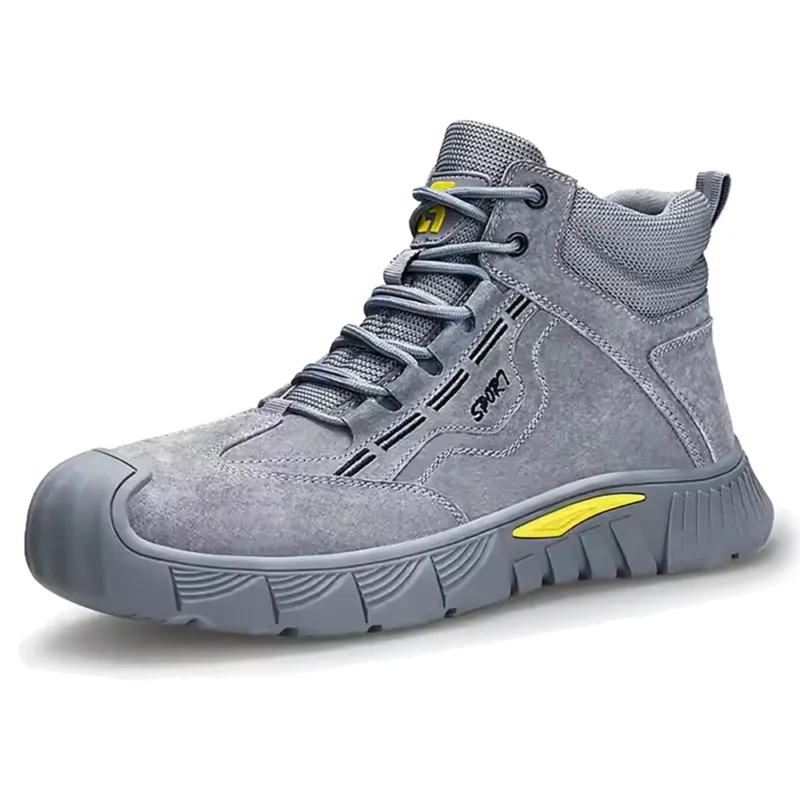
When your workday involves heavy machinery, falling objects, and unforgiving terrain, the Birks Defender Kevlar Steel Toe Safety Work Boots stand ready to protect you through it all. These boots deliver the exceptional durability, reliable protection, and all-day comfort you need to tackle any challenge and get the job done right, every single time.
A size 27.5 Mondo Point means your foot measures 27.5 centimeters long. Most ski boots increase in half-size increments. Common sizes range from 22.5 to 32.0.
Mondo Point differs completely from US shoe sizes. A US men’s size 10 typically equals a 28.0 Mondo Point. A US women’s size 9 usually converts to 26.0 Mondo Point.
The History of Ski Boot Sizing Standards
Early ski boots used country-specific sizing systems. European manufacturers used European sizes. American brands used US sizes. Japanese companies used Japanese measurements.
This inconsistency created massive problems. Skiers traveling abroad couldn’t determine their correct size. Retailers stocked boots with incompatible sizing charts.
The International Organization for Standardization introduced Mondo Point in the 1970s. Ski manufacturers adopted this metric system globally by the 1980s. The standard eliminated confusion across borders.
Today, all major ski boot brands use Mondo Point as their primary measurement. Some manufacturers still print US or UK conversions on their products. The Mondo Point number remains the universal reference.
How to Measure Your Foot for Ski Boots
You need accurate measurements before buying ski boots. Follow these steps:
Required Materials:
- Blank paper larger than your foot
- Pencil or pen
- Ruler or measuring tape
- Wall or flat vertical surface
Measurement Process:
- Place the paper on a hard floor against the wall
- Wear the socks you plan to use while skiing
- Stand with your heel against the wall
- Distribute weight evenly on both feet
- Mark the longest toe position on the paper
- Measure from the wall edge to the mark in centimeters
- Round up to the nearest half size
Measure both feet separately. Many people have feet of different lengths. Use the measurement from your larger foot.
Take measurements in the afternoon or evening. Feet expand slightly throughout the day. An evening measurement prevents buying boots that feel tight later.
Mondo Point vs. Street Shoe Sizing
| Mondo Point | US Men’s | US Women’s | UK Size | EU Size |
|---|---|---|---|---|
| 24.5 | 6.5 | 7.5 | 6 | 38.5 |
| 25.5 | 7.5 | 8.5 | 7 | 40 |
| 26.5 | 8.5 | 9.5 | 8 | 41.5 |
| 27.5 | 9.5 | 10.5 | 9 | 43 |
| 28.5 | 10.5 | 11.5 | 10 | 44.5 |
| 29.5 | 11.5 | 12.5 | 11 | 46 |
Your ski boot size will not match your street shoe size. Most skiers need ski boots one to two sizes smaller than their regular shoes.
Street shoes include extra space for comfort. Ski boots fit snugly for performance and control. A properly fitted ski boot leaves minimal empty space.
The conversion table provides general guidelines only. Different shoe brands vary in their sizing. Always measure your actual foot length for ski boots.
Ski Boot Shell Sizing Explained
Ski boots consist of two main parts: the shell and the liner. The shell forms the hard outer structure. Understanding shell sizing helps you find the right fit.
Manufacturers design shells in discrete sizes. Each shell size typically accommodates two Mondo Point sizes. A 26.5 and 27.0 Mondo Point boot share the same shell.
The liner thickness creates the size difference between these two boots. A 26.5 boot has a thicker liner than a 27.0 boot in the same shell.
Shell Sizing Benefits:
- Reduces manufacturing costs for brands
- Allows easier size adjustments through liner swaps
- Provides consistent flex patterns across similar sizes
- Simplifies inventory management for retailers
Advanced skiers sometimes buy shells one size large. They install custom thin liners for a precise fit. This technique requires professional boot fitting expertise.
Width and Volume Considerations
Ski boot sizing includes more than length. Width and volume significantly affect comfort and performance.
Last Width measures the boot’s internal width at the forefoot. Manufacturers express this measurement in millimeters. Common last widths include:
- Narrow: 97-99mm
- Medium: 100-102mm
- Wide: 103-106mm
- Extra Wide: 107mm+
Different boot models target different foot shapes. A 27.5 Mondo Point boot comes in multiple width options.
Volume describes the overall internal space. High-volume boots accommodate thick feet and high insteps. Low-volume boots suit thin feet and low insteps.
You cannot determine volume from the Mondo Point size alone. Two 28.0 boots from different manufacturers may have vastly different volumes.
Flex Ratings and Size Selection
Flex rating measures boot stiffness. Numbers range from 50 (soft) to 140+ (very stiff). This rating affects how you should size your boots.
Softer boots (flex 50-90) work well for beginners and intermediates. These boots forgive minor sizing imperfections. Recreational skiers can size slightly roomier in soft boots.
Stiffer boots (flex 100-140+) demand precise sizing. Advanced and expert skiers need minimal empty space. A tight fit maximizes power transfer and edge control.
Larger boot sizes within the same model typically have stiffer flex. A 29.5 boot feels stiffer than a 26.5 boot in the same line. Manufacturers adjust flex proportionally.
The Fitting Process Step-by-Step
Professional boot fitting provides the best results. Visit a qualified boot fitter before purchasing. The process includes:
Initial Assessment:
- Boot fitter measures your feet in centimeters
- They examine your foot shape and arch type
- They discuss your skiing ability and goals
- They evaluate any foot problems or pain points
Shell Fit Check:
- Remove the liner from the boot
- Stand in the empty shell wearing thin socks
- Push your toes forward until they touch the front
- Fitter checks space behind your heel
- Ideal clearance measures 10-15mm (about one finger width)
Liner Fit Assessment:
- Insert the liner back into the shell
- Put on both boots and buckle them snugly
- Stand in a neutral skiing stance
- Your toes should lightly brush the boot front
- Flex forward into a skiing position
- Your toes should pull back slightly from the front
New boots feel tight initially. Liners compress and pack out after 5-10 ski days. A boot that feels comfortable immediately will become too loose quickly.
When your workday involves heavy machinery, falling objects, and unforgiving terrain, the Birks Defender Kevlar Steel Toe Safety Work Boots stand ready to protect you through it all. These boots deliver the exceptional durability, reliable protection, and all-day comfort you need to tackle any challenge and get the job done right, every single time.
Common Sizing Mistakes to Avoid
Many skiers make these errors:
Buying Boots Too Large:
- Causes heel lift and reduced control
- Creates painful pressure points from foot movement
- Leads to cold toes from poor circulation
- Results in faster liner breakdown
Choosing Based on Street Shoe Size:
- Ignores actual foot measurements
- Assumes incorrect size conversions
- Creates poor fit and performance issues
Prioritizing Comfort Over Fit:
- New boots should feel snug but not painful
- Excessive comfort indicates future problems
- Proper boots become comfortable after break-in
Ignoring Foot Shape:
- Length alone doesn’t determine fit
- Width and volume matter equally
- Different brands suit different foot shapes
Skipping Professional Fitting:
- Online sizing tools provide rough estimates only
- Boot fitters customize fit through various techniques
- Professional fitting prevents expensive mistakes
Breaking In Your Ski Boots
New ski boots require a break-in period. The liner adapts to your foot shape over time.
Wear your boots at home for 30-minute sessions. Walk around to compress the liner material. This process speeds up the adaptation.
Expect discomfort for the first few ski days. Minor pressure points usually resolve as the liner molds. Severe pain indicates a fitting problem that needs professional attention.
Heat molding accelerates the break-in process. Boot fitters use specialized ovens to heat the liner. The warm liner conforms precisely to your foot shape. Most modern boots include heat-moldable liners.
Adjusting and Modifying Ski Boots
Professional boot fitters perform various modifications. These adjustments optimize fit without changing sizes:
Shell Modifications:
- Grinding removes plastic from pressure points
- Stretching expands tight areas using heat
- Punching pushes out specific spots for bone prominences
Liner Adjustments:
- Heat molding shapes the liner to your foot
- Grinding thins areas creating pressure
- Adding material fills gaps and improves heel hold
Footbed Installation:
- Custom footbeds replace factory insoles
- Provides arch support and alignment
- Improves comfort and power transfer
- Reduces foot fatigue
Canting Adjustments:
- Aligns boot cuff to your lower leg angle
- Improves edge control and comfort
- Corrects knock-knees or bow-legs
These modifications cost significantly less than buying new boots. A skilled boot fitter transforms an uncomfortable boot into a perfect fit.
When to Size Up or Down
Certain situations warrant deviation from standard sizing:
Size Up When:
- You have wide feet exceeding 106mm last width
- Your instep height requires extra volume
- You plan all-day touring or resort skiing
- You prefer slightly roomier comfort
Size Down When:
- You race or ski aggressively
- You have narrow feet below 98mm
- You want maximum responsiveness
- Professional fitting confirms adequate shell size
Never size up to fix width problems. Buy wider boot models instead. Oversized boots in length cause different issues than tight width.
Sizing for Kids and Growing Feet
Children’s ski boots follow the same Mondo Point system. Parents face the challenge of growing feet.
Buy boots that fit properly now. Oversized boots hoping for growth create safety and control issues. Children cannot learn proper technique in poorly fitted equipment.
Most kids need new boots every one to two seasons. Their feet grow quickly during childhood. Budget accordingly for regular replacements.
Some children’s boots include adjustable sizing mechanisms. These systems expand the boot by one or two sizes. They extend the useful life of expensive boots.
Junior race boots follow adult sizing principles. Competitive young skiers need precise fits. Recreational kids can tolerate slightly more room for comfort.
Rental Boot Sizing Considerations
Rental boots use simplified fitting procedures. Rental shops often lack time for detailed assessments.
Expect rental boots to fit less precisely than purchased boots. They serve general populations with average foot shapes. Custom modifications aren’t possible on rental equipment.
Rental boots typically run true to Mondo Point size. Some rental fleets size slightly large for customer comfort. Communicate any fit issues immediately to rental staff.
Bring your own footbeds if you use custom orthotics. This small addition significantly improves rental boot comfort. Most rental boots accept aftermarket insoles.
Selecting the Right Size Summary
Follow this decision process:
- Measure both feet in centimeters during the evening
- Use your larger foot measurement
- Round up to the nearest half size for your Mondo Point
- Identify your foot width category (narrow/medium/wide)
- Consider your skiing ability level
- Choose appropriate flex rating for your skill
- Visit a professional boot fitter
- Perform shell fit and liner fit checks
- Test boots in a skiing stance
- Allow for break-in time after purchase
Proper ski boot sizing combines accurate measurements with professional expertise. The Mondo Point system provides consistency across brands. Your actual foot length determines your starting size.
Width, volume, and flex affect the final fit. Professional boot fitters adjust boots to match your unique foot shape. A correctly sized boot feels snug initially and becomes comfortable after break-in.
Ski boots directly impact your performance and enjoyment. Investing time in proper sizing prevents painful days on the mountain. The right size boot improves control, reduces fatigue, and increases safety.
When your workday involves heavy machinery, falling objects, and unforgiving terrain, the Birks Defender Kevlar Steel Toe Safety Work Boots stand ready to protect you through it all. These boots deliver the exceptional durability, reliable protection, and all-day comfort you need to tackle any challenge and get the job done right, every single time.
