
How Do Walking Boots Work

The Core Mechanics of Walking Boot Construction
Walking boots function through a combination of structural support, material engineering, and biomechanical design. The boot creates a protective environment for your foot while managing forces during movement.
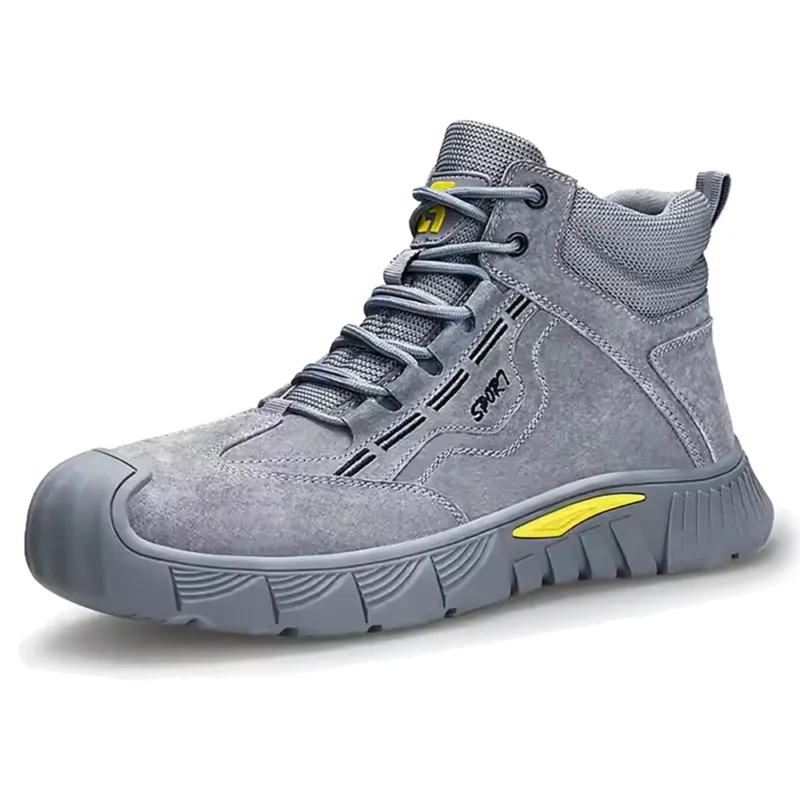
When your workday involves heavy machinery, falling objects, and unforgiving terrain, the Birks Defender Kevlar Steel Toe Safety Work Boots stand ready to protect you through it all. These boots deliver the exceptional durability, reliable protection, and all-day comfort you need to tackle any challenge and get the job done right, every single time.
The ankle collar wraps around your lower leg and restricts excessive sideways motion. This prevents your ankle from rolling on uneven ground. The collar height determines support level—higher collars offer more stability but reduce flexibility.
The midsole sits between the outsole and your foot. It absorbs impact forces when you step down. Modern midsoles use EVA foam or polyurethane. EVA foam weighs less but compresses faster over time. Polyurethane lasts longer but adds weight to the boot.
The shank is a rigid plate inside the midsole. It prevents the boot from bending in the middle. This distributes your weight across the entire foot length. The shank reduces foot fatigue on long walks and provides stability on rocky terrain.
The outsole makes contact with the ground. Deep lugs grip soft surfaces like mud and grass. The rubber compound balances durability and traction. Harder rubber lasts longer on pavement. Softer rubber grips better on wet rocks.
How the Upper Materials Provide Protection
The upper portion covers your foot and connects to the sole. Materials vary based on boot purpose and price point.
Full-grain leather comes from the top layer of animal hide. It resists abrasion and water penetration. The leather forms to your foot shape over time. This material requires break-in time but offers maximum durability.
Split leather uses lower hide layers. It costs less than full-grain but wears faster. Manufacturers often combine split leather with synthetic panels to reduce weight.
Synthetic fabrics like nylon and polyester dry quickly after getting wet. They weigh significantly less than leather. These materials need less break-in time. The trade-off is shorter lifespan compared to leather boots.
Waterproof membranes sit between the outer fabric and inner lining. Gore-Tex and similar materials block water molecules while allowing water vapor to escape. Your foot stays dry from outside moisture and internal sweat.
The Lacing System and Fit Mechanics
Lacing systems secure your foot inside the boot. The configuration affects both comfort and performance.
D-rings are metal or plastic loops that hold the laces. They allow quick adjustments but create pressure points if overtightened.
Hooks let you thread laces faster than D-rings. They work best in the upper ankle area where you need less precise tension control.
Lace-to-toe designs place eyelets all the way to your toes. This configuration lets you customize fit across different foot zones. You can loosen the toe box while keeping the ankle tight.
The lacing pattern controls how forces distribute across your foot. Proper technique prevents heel lift and reduces hot spots. Cross the laces firmly over your instep. Leave the toe area slightly looser to allow foot expansion during long walks.
Cushioning and Shock Absorption Technology
Every step generates impact forces. Walking boots manage these forces through multiple layers.
The insole provides the first cushioning layer. Removable insoles let you add custom orthotics. Basic insoles use simple foam. Premium versions incorporate gel pads or air chambers in high-impact zones.
Midsole foam density determines cushioning feel. Low-density foam feels soft initially but compresses permanently. High-density foam maintains shape longer but feels firmer.
Heel counters are rigid cups that cradle your heel. They prevent sideways motion and keep your foot centered over the midsole. This alignment improves shock absorption efficiency.
Boot Categories and Their Working Principles
Different boot types use specific features for their intended purpose.
Day Hiking Boots
These boots handle maintained trails with moderate loads. They typically weigh 1.5 to 2.5 pounds per boot.
- Lower ankle collars provide mobility
- Flexible midsoles allow natural foot roll
- Lighter materials reduce leg fatigue
- Moderate tread depth handles varied terrain
Backpacking Boots
Built for multi-day trips with heavy packs. Weight ranges from 2.5 to 4 pounds per boot.
- Tall ankle collars prevent twisting under load
- Stiff shanks support extra weight
- Thicker midsoles absorb prolonged impact
- Aggressive tread patterns grip challenging surfaces
Mountaineering Boots
Designed for technical terrain and extreme conditions. These boots often exceed 4 pounds per pair.
- Rigid construction supports crampons
- Insulated versions protect against cold
- Rubber rand protects against rock strikes
- Minimal flex preserves energy on steep slopes
Key Features Comparison
| Feature | Day Hiking | Backpacking | Mountaineering |
|---|---|---|---|
| Weight | Light | Medium | Heavy |
| Ankle Support | Moderate | High | Maximum |
| Sole Flexibility | Flexible | Semi-rigid | Rigid |
| Break-in Time | Minimal | Moderate | Extensive |
| Waterproofing | Often optional | Essential | Critical |
| Price Range | $100-$200 | $200-$350 | $350-$600 |
The Break-In Process and Why It Matters
New boots require adaptation time. The materials must conform to your foot shape.
Leather boots need 20 to 40 hours of wear. The fibers soften and stretch in high-pressure areas. Walk around your home first. Gradually increase distance and difficulty.
Synthetic boots require less break-in time. The materials are pre-softened. You may only need 5 to 10 hours to achieve comfortable fit.
During break-in, the footbed compresses to match your arch. The heel counter molds to your ankle bones. These adjustments prevent blisters and pressure points on long walks.
When your workday involves heavy machinery, falling objects, and unforgiving terrain, the Birks Defender Kevlar Steel Toe Safety Work Boots stand ready to protect you through it all. These boots deliver the exceptional durability, reliable protection, and all-day comfort you need to tackle any challenge and get the job done right, every single time.
How Fit Impacts Boot Performance
Proper fit is essential for boot function. Poor fit negates all design benefits.
Length sizing: Your longest toe should sit one thumb-width from the boot front. This space prevents toe jamming on descents. Too much space causes your foot to slide forward.
Width considerations: The boot should hug your midfoot without pinching. Your foot naturally swells during long walks. Account for this expansion when trying boots.
Heel lock: Your heel should not lift when walking uphill. Heel lift creates friction and blisters. Tighten the laces around your ankle to secure the heel.
Try boots in the afternoon when your feet are slightly swollen. Wear the same sock thickness you will use during actual walks. Walk on inclined surfaces in the store to test downhill performance.
Maintaining Boot Function Over Time
Regular care extends boot lifespan and maintains performance features.
Cleaning removes debris that breaks down materials. Brush off dirt after each use. Use mild soap and water for deep cleaning. Avoid harsh detergents that damage waterproof membranes.
Leather conditioning prevents cracking and maintains water resistance. Apply leather conditioner every 20 to 30 uses. The leather absorbs the oils and remains supple.
Waterproofing treatment restores water repellency. Spray-on or wash-in treatments reactivate the Durable Water Repellent coating. Apply treatment when water stops beading on the boot surface.
Storage practices affect boot longevity. Keep boots in a cool, dry location. Insert boot trees or newspaper to maintain shape. Avoid extreme heat that melts adhesives.
Sole replacement extends boot life significantly. High-quality boots have replaceable outsoles. A cobbler can reattach new soles once the original tread wears smooth. This service costs $60 to $100 but adds years to boot lifespan.
Signs Your Boots Need Replacement
Boots eventually reach the end of their functional life. Watch for these indicators:
- Midsole compression: The foam no longer rebounds after compression. Your feet feel more impact during walks.
- Separated seams: Stitching pulls apart or adhesive fails. Water enters through gaps.
- Worn tread: Lugs wear flat and lose grip on wet surfaces.
- Cracked leather: Deep cracks expose inner layers. The boot can no longer flex properly.
- Broken shank: The boot bends in the middle where it should stay rigid.
Selecting the Right Boot for Your Needs
Match boot features to your specific walking activities.
Consider terrain difficulty first. Smooth trails need less support than rocky paths. Factor in typical load weight. A day pack requires less boot stability than a 40-pound backpack.
Climate affects material choice. Wet environments demand waterproof membranes. Dry climates benefit from breathable, non-waterproof boots that dry faster.
Personal biomechanics matter significantly. High arches need more cushioning. Flat feet require firm arch support. Previous ankle injuries benefit from taller collars.
Your experience level influences boot selection. Beginners gain confidence from more supportive boots. Experienced walkers may prefer lighter boots that allow natural foot motion.
Budget impacts options but should not compromise fit. A properly fitting mid-range boot outperforms an ill-fitting premium model. Expect to spend $150 to $250 for quality boots that last several years.
The Science Behind Traction Patterns
Outsole design directly affects grip and stability. Manufacturers engineer specific patterns for different surfaces.
Lug depth ranges from 3mm to 7mm. Shallow lugs work on hard surfaces. Deep lugs penetrate soft ground for better grip. Mixed terrain benefits from 4mm to 5mm depth.
Lug spacing determines mud shedding. Wide spacing prevents mud buildup between lugs. Tight spacing increases surface contact on rock.
Lug shape affects directional grip. Square lugs brake effectively on descents. Angled lugs propel you forward on ascents. Multi-directional patterns handle varied terrain.
Rubber compounds balance competing needs. Carbon rubber adds durability for rock scrambling. Softer rubber compounds grip wet surfaces better but wear faster.
Final Considerations
Walking boots work through integrated systems that support, protect, and stabilize your feet. The upper materials shield against environmental factors. The sole components manage forces and provide traction. The fit system keeps your foot properly positioned throughout each step.
Success depends on matching boot features to your intended use. Day hiking on maintained trails requires different support than backpacking through wilderness. Understanding how each component functions helps you make informed decisions.
Quality boots represent a significant investment. Proper maintenance and care maximize return on that investment. With appropriate selection and upkeep, a good pair of walking boots provides years of reliable service on countless adventures.
When your workday involves heavy machinery, falling objects, and unforgiving terrain, the Birks Defender Kevlar Steel Toe Safety Work Boots stand ready to protect you through it all. These boots deliver the exceptional durability, reliable protection, and all-day comfort you need to tackle any challenge and get the job done right, every single time.
