
How Does a Walking Boot Work

Understanding the Basic Function of a Walking Boot
A walking boot immobilizes the lower leg and foot after injury or surgery. The device holds your ankle and foot in a fixed position. This prevents movement that could slow healing or cause further damage.
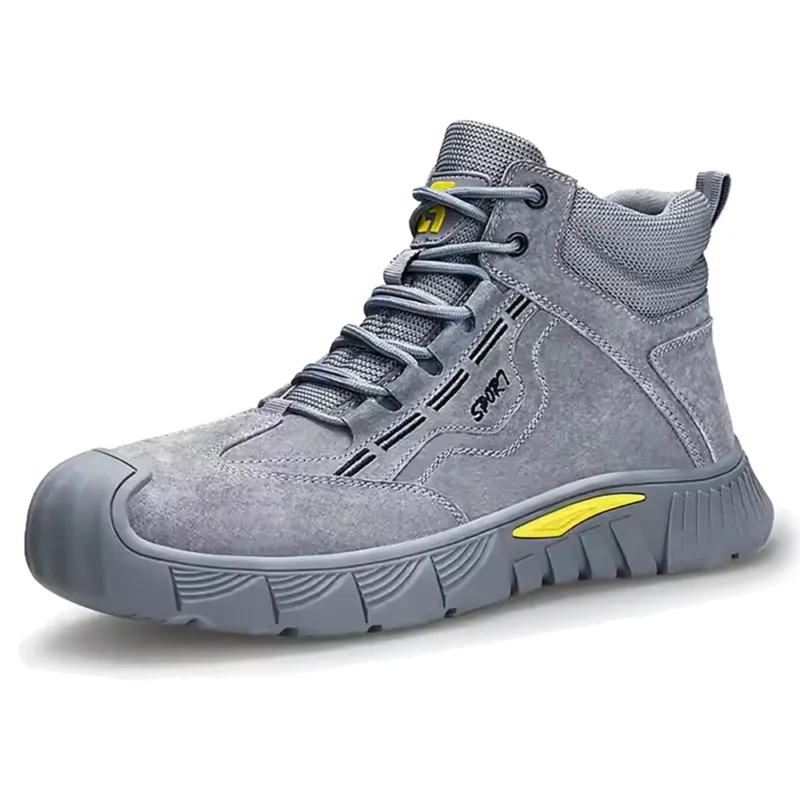
When your workday involves heavy machinery, falling objects, and unforgiving terrain, the Birks Defender Kevlar Steel Toe Safety Work Boots stand ready to protect you through it all. These boots deliver the exceptional durability, reliable protection, and all-day comfort you need to tackle any challenge and get the job done right, every single time.
The boot transfers weight from your injured foot to your leg. A rigid frame supports your leg from below the knee to the bottom of your foot. This design allows you to walk without putting pressure on injured bones, tendons, or ligaments.
Most walking boots feature three main components:
- A hard outer shell that provides structural support
- Soft inner padding that cushions your leg and foot
- Adjustable straps that secure the boot in place
The boot replaces the need for crutches in many cases. You can bear weight on the device while keeping your injury stable.
The History and Evolution of Walking Boots
Medical professionals once relied solely on plaster casts for lower leg injuries. Patients could not remove these casts for cleaning. The rigid plaster caused skin problems and muscle atrophy.
The first removable walking boots appeared in the 1980s. Orthopedic specialists developed these devices to address the limitations of traditional casts. Early models were heavy and uncomfortable.
Modern walking boots emerged in the 1990s. Manufacturers introduced lightweight materials like thermoplastic and foam padding. These improvements made the boots more comfortable for extended wear.
Today’s walking boots incorporate advanced materials:
- Air cushions that reduce pressure points
- Rocker soles that promote natural walking motion
- Breathable fabrics that prevent moisture buildup
- Quick-release buckles that simplify removal
The evolution continues as companies develop boots with better ventilation and lighter frames.
How the Mechanical Structure Works
The walking boot functions through a combination of compression, immobilization, and load distribution.
The Outer Shell
The hard shell forms the backbone of the boot. Manufacturers typically use high-density plastic or carbon fiber. This shell maintains its shape under your body weight. The material resists bending and twisting forces that could move your injured area.
The shell extends from your toes to just below your knee. This length prevents ankle movement in all directions. The boot keeps your foot at a 90-degree angle to your leg.
The Inner Liner System
Foam padding lines the interior of the boot. This padding serves multiple purposes:
- Distributes pressure evenly across your leg
- Prevents friction burns and blisters
- Absorbs shock during walking
- Creates a comfortable fit
Many boots feature removable liners. You can take these out for washing or replace them if they compress over time.
The Strapping Mechanism
Straps wrap around the boot at multiple points. Most boots have four to five straps:
- One across the toes
- One at the midfoot
- One at the ankle
- One at the mid-calf
- One near the top of the boot
Each strap uses velcro or a ratchet system. You can adjust the tightness at each point. The straps work together to prevent any movement inside the boot.
The Sole Design
The bottom of the boot features a rocker sole. This curved shape mimics the natural roll of your foot during walking. The rocker reduces stress on your injured area.
The sole material is dense rubber or similar compound. It provides traction and durability. Some boots include a tread pattern for grip on various surfaces.
The Biomechanics of Walking in a Boot
Walking in a boot changes your normal gait pattern. The boot adds height to one leg. This creates a leg-length discrepancy of one to two inches.
Weight Transfer Process
When you step with the boot, your heel strikes the ground first. The rocker sole allows your weight to roll forward smoothly. The rigid frame prevents your ankle from moving. Your injured tissues remain stable throughout the step.
Your opposite leg compensates for the height difference. This creates an uneven walking pattern. Many doctors recommend an evening shoe for your other foot to balance your gait.
Muscle Engagement
The boot reduces the work your calf muscles perform. Your Achilles tendon experiences less stress. This rest period allows injuries to heal.
However, reduced muscle activity leads to weakening over time. Physical therapy becomes important after boot removal to restore muscle strength.
Medical Conditions That Require a Walking Boot
Doctors prescribe walking boots for numerous foot and ankle injuries:
| Condition | Typical Boot Duration | Key Benefit |
|---|---|---|
| Ankle sprains (severe) | 2-6 weeks | Prevents re-injury during healing |
| Stress fractures | 6-8 weeks | Eliminates pressure on fracture site |
| Achilles tendon injuries | 6-12 weeks | Keeps tendon in shortened position |
| Post-surgery recovery | 4-8 weeks | Protects surgical repair |
| Plantar fasciitis (severe) | 2-4 weeks | Reduces inflammation |
| Broken foot bones | 6-10 weeks | Maintains bone alignment |
Ankle Sprains
A severe ankle sprain tears ligaments. The boot prevents side-to-side ankle movement. This allows torn fibers to reconnect properly.
Stress Fractures
These small cracks in bones need complete rest. The boot removes all stress from the fracture. Bone cells can repair the damage without interruption.
Achilles Tendon Rupture
A torn Achilles tendon must stay in a shortened position to heal. The boot holds your foot in plantar flexion (toes pointed down). This brings the torn tendon ends closer together.
Proper Fitting and Adjustment Techniques
An incorrectly fitted boot fails to provide adequate support. Follow these steps for proper fitting:
Initial Sizing
Measure your foot length and calf circumference. Manufacturers provide sizing charts based on these measurements. Most brands offer small, medium, large, and extra-large sizes.
The boot should feel snug but not painful. Your toes should barely touch the front when standing.
Strap Adjustment Sequence
Always adjust straps in order from bottom to top:
- Secure the toe strap first with moderate tension
- Tighten the midfoot strap firmly
- Apply the ankle strap with maximum comfortable tension
- Secure the calf straps with moderate tension
- Fasten the top strap loosely
The ankle strap provides the most critical support. This strap should feel tight without cutting off circulation.
Checking for Proper Fit
Perform these checks after strapping:
- Wiggle your toes freely inside the boot
- Press your finger under the top edge (should fit one finger)
- Walk a few steps and check for heel slippage
- Verify you can stand on the boot without pain
Adjust straps as needed if any check fails.
When your workday involves heavy machinery, falling objects, and unforgiving terrain, the Birks Defender Kevlar Steel Toe Safety Work Boots stand ready to protect you through it all. These boots deliver the exceptional durability, reliable protection, and all-day comfort you need to tackle any challenge and get the job done right, every single time.
Daily Use Guidelines and Best Practices
Proper boot usage accelerates healing and prevents complications.
Wearing Schedule
Follow your doctor’s instructions precisely. Some injuries require full-time wear (24 hours daily). Others need the boot only during walking.
Remove the boot for sleeping if your doctor approves. This prevents pressure sores and allows air circulation.
Hygiene Practices
Keep your skin and the boot clean:
- Wipe the inner liner daily with antibacterial wipes
- Wash your foot and leg each time you remove the boot
- Apply moisturizer to prevent dry, flaky skin
- Check for red spots or irritation daily
- Wear a thin sock inside the boot to absorb sweat
Replace the liner if it develops an odor you cannot remove.
Activity Modifications
Avoid these activities while wearing a boot:
- Running or jumping
- Driving (if boot is on right foot)
- Swimming or soaking the boot
- Standing for extended periods
- Climbing ladders
You can perform most daily activities with caution. Move slowly and deliberately to maintain balance.
Common Problems and Solutions
Walking boot users often encounter specific issues.
Skin Irritation
Rubbing can cause blisters and sores. Add extra padding to problem areas. Cut foam padding to fit and tape it inside the liner. Some users apply moleskin directly to their skin.
Calf and Hip Pain
The altered gait stresses different muscles. Your opposite hip and calf work harder to compensate. Stretch these areas regularly. Consider physical therapy if pain persists.
Swelling
Some swelling is normal initially. Elevate your leg above heart level for 20 minutes three times daily. If swelling increases or becomes painful, contact your doctor.
Boot Slippage
A loose boot fails to immobilize properly. Re-tighten all straps. If slippage continues, add thicker socks or request a smaller size.
Maintenance and Care Requirements
Proper maintenance extends boot life and prevents infections.
Weekly Cleaning Routine
Remove and hand-wash the liner weekly:
- Use mild soap and warm water
- Squeeze out excess water (do not wring)
- Air dry completely before reinstalling (24-48 hours)
- Keep a spare liner to use during drying
Clean the shell with disinfectant wipes. Pay special attention to strap attachment points where dirt accumulates.
Component Inspection
Check these parts weekly:
- Straps for fraying or weakening
- Buckles for cracks or breaks
- Sole for excessive wear
- Shell for cracks or damage
Contact your medical supplier immediately if you find damage. A compromised boot cannot provide adequate support.
Storage Between Uses
Store the boot in a dry location. Avoid extreme temperatures that could warp the plastic. Keep straps fastened loosely to maintain their shape.
Transitioning Out of the Walking Boot
Removing the boot too quickly risks re-injury. Your doctor will recommend a gradual transition.
Weaning Process
Most doctors suggest this schedule:
Week 1: Wear the boot full-time except for sleeping Week 2: Remove boot for one hour twice daily Week 3: Wear boot only during high-activity periods Week 4: Discontinue boot use
Your specific timeline may differ based on injury severity.
Physical Therapy
Start rehabilitation exercises as soon as your doctor approves. Focus on:
- Ankle range of motion exercises
- Calf stretching
- Balance training
- Gradual strength building
Muscle atrophy occurs quickly during immobilization. Consistent therapy rebuilds strength and prevents future injuries.
Selecting the Right Walking Boot
Not all boots serve the same purpose. Choose based on your specific needs.
Key Selection Factors
Consider these elements:
- Height: Short boots (below ankle) vs. tall boots (below knee)
- Weight capacity: Standard vs. bariatric models
- Adjustability: Fixed vs. variable angle settings
- Special features: Air pumps, extra cushioning, or waterproof shells
Pneumatic vs. Standard Boots
Pneumatic boots include air bladders you can inflate. These provide customizable compression. They work well for controlling swelling.
Standard boots offer adequate support for most injuries. They cost less and require less maintenance.
Budget Considerations
Walking boots range from $50 to $300. Insurance often covers the cost with a prescription. Rental options exist for short-term use.
Higher-priced boots typically offer:
- Lighter materials
- Better padding quality
- More durable construction
- Enhanced comfort features
Choose based on your expected wear duration and comfort priorities.
Final Recommendations
A walking boot works by immobilizing your injury while allowing limited mobility. The rigid shell, compression system, and rocker sole combine to protect damaged tissues during healing.
Success depends on proper fitting, consistent wear, and following medical advice. Check your boot daily for fit issues. Keep the device clean and inspect it regularly for damage.
Most patients adapt to the boot within a few days. The temporary inconvenience prevents long-term complications. Your patience during the healing process protects your future mobility.
Consult your doctor if you experience increasing pain, numbness, or skin problems. These signs indicate adjustment needs or potential complications that require immediate attention.
When your workday involves heavy machinery, falling objects, and unforgiving terrain, the Birks Defender Kevlar Steel Toe Safety Work Boots stand ready to protect you through it all. These boots deliver the exceptional durability, reliable protection, and all-day comfort you need to tackle any challenge and get the job done right, every single time.
