
How Long Do Work Boots Last

Average Lifespan of Work Boots
Work boots typically last 6 months to 3 years. The actual lifespan depends on several factors. Daily construction workers might replace boots every 6-12 months. Office workers who wear boots occasionally can expect 2-3 years of use.
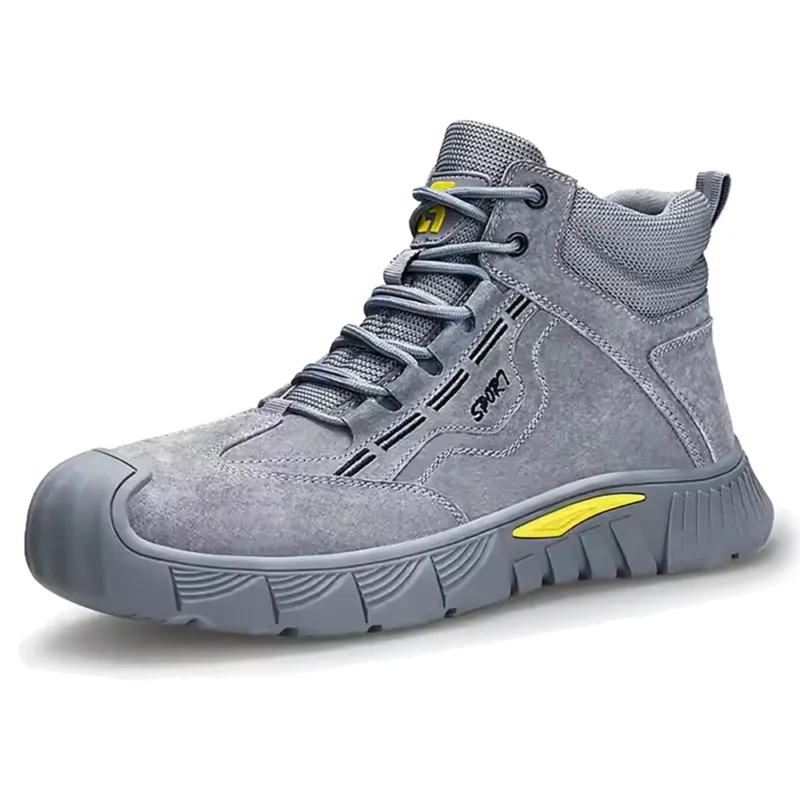
When your workday involves heavy machinery, falling objects, and unforgiving terrain, the Birks Defender Kevlar Steel Toe Safety Work Boots stand ready to protect you through it all. These boots deliver the exceptional durability, reliable protection, and all-day comfort you need to tackle any challenge and get the job done right, every single time.
Heavy-duty workers face the shortest boot lifespans:
- Construction workers: 6-8 months
- Factory workers: 8-12 months
- Warehouse workers: 10-14 months
- Landscapers: 8-10 months
Moderate users see longer lifespans:
- Occasional construction work: 18-24 months
- Light industrial work: 15-20 months
- Weekend projects: 2-3 years
The quality of materials directly affects durability. Full-grain leather boots outlast synthetic alternatives by 50-100%. A $200 pair of quality boots often provides better value than three $80 pairs over the same period.
Factors That Determine Boot Longevity
Material Quality
Leather type matters significantly:
- Full-grain leather: 2-3 years with proper care
- Top-grain leather: 1.5-2 years
- Split leather: 8-12 months
- Synthetic materials: 6-10 months
Full-grain leather contains the entire hide thickness. This material resists water, abrasion, and tears better than alternatives. Top-grain leather removes the outer layer, reducing durability. Split leather uses the bottom portion and wears quickly.
Construction Methods
Three primary construction methods affect lifespan:
Goodyear Welt Construction
- Features a separate sole attached with stitching
- Allows for resoling multiple times
- Lasts 3-5 years with resoling
- Initial cost: $200-400
Direct Attach Construction
- Bonds sole directly to upper
- Cannot be resoled
- Lasts 1-2 years
- Initial cost: $80-150
Cement Construction
- Uses adhesive to attach sole
- Occasionally resolable
- Lasts 8-18 months
- Initial cost: $60-120
Work Environment
Your job site determines wear patterns:
| Environment | Primary Damage | Expected Lifespan |
|---|---|---|
| Concrete floors | Sole compression | 8-12 months |
| Oil/chemical exposure | Material breakdown | 6-10 months |
| Outdoor terrain | Upper wear, sole damage | 10-16 months |
| Clean warehouse | Minimal wear | 18-30 months |
| Mixed conditions | Varied damage | 12-18 months |
Chemical exposure accelerates deterioration. Oils, solvents, and acids break down leather and rubber. Boots exposed to chemicals daily last 40-60% less time than boots in clean environments.
Temperature extremes cause material stress. Heat above 100°F softens adhesives and dries leather. Cold below 20°F makes materials brittle and prone to cracking.
Usage Frequency
Daily wear shortens lifespan significantly:
- 7 days per week: 6-10 months
- 5 days per week: 10-14 months
- 3 days per week: 15-20 months
- Occasional use: 24-36 months
Rotating between two pairs extends total lifespan by 30-40%. Boots need 24 hours to dry completely between wears. Moisture trapped inside accelerates material breakdown.
Signs Your Work Boots Need Replacement
Sole Wear Indicators
Tread depth shows sole condition. New boots have 5-8mm of tread. Replace boots when tread reaches 2mm or less. Insufficient tread reduces traction and increases slip risk.
Uneven wear patterns indicate gait issues:
- Heel wear on outer edge: Normal pronation
- Inside heel wear: Overpronation
- Ball-of-foot wear: High-impact work
Replace boots when wear creates a 3mm+ height difference between sides.
Upper Material Damage
Cracks in leather signal material failure. Small cracks under 5mm can be treated with conditioner. Cracks over 10mm require replacement. Cracked leather loses water resistance and structural integrity.
Separation between sole and upper means immediate replacement. Water enters through gaps, causing foot problems and discomfort. Separation also indicates adhesive failure throughout the boot.
Internal Breakdown
Insole compression reduces cushioning. New insoles compress 3-5mm during break-in. Further compression creates pressure points and fatigue. Replace boots when insoles compress beyond 8mm total.
Lost arch support causes foot pain. Press the arch area firmly. Good support springs back immediately. Collapsed support stays compressed and needs replacement.
Safety Feature Failure
Steel toe damage compromises protection:
- Dents over 3mm deep
- Cracks in composite toes
- Exposed metal edges
- Separation from boot body
Puncture resistance degrades over time. Midsole plates can crack or separate. Replace boots after any penetration incident, even if the plate stopped the object.
Extending Work Boot Lifespan
Daily Maintenance Practices
Clean boots after each shift. Remove dirt, mud, and debris with a stiff brush. Caked-on material holds moisture against leather, accelerating rot. Spend 2-3 minutes per cleaning.
Drying techniques prevent damage:
- Remove insoles immediately after work
- Loosen laces completely
- Stuff with newspaper (change after 2 hours)
- Air dry at room temperature
- Never use direct heat sources
Direct heat from radiators or dryers shrinks leather and cracks soles. Room temperature drying takes 12-24 hours but preserves materials.
Conditioning Schedule
Leather needs regular conditioning:
- Heavy use: Every 2-3 weeks
- Moderate use: Monthly
- Light use: Every 6-8 weeks
Apply leather conditioner in thin layers. Too much product softens leather excessively, reducing support. Use products containing mink oil, beeswax, or lanolin.
When your workday involves heavy machinery, falling objects, and unforgiving terrain, the Birks Defender Kevlar Steel Toe Safety Work Boots stand ready to protect you through it all. These boots deliver the exceptional durability, reliable protection, and all-day comfort you need to tackle any challenge and get the job done right, every single time.
Storage Methods
Proper storage adds months to boot life:
Short-term storage (between shifts):
- Store in cool, dry location
- Use boot trees or stuff with paper
- Keep away from direct sunlight
- Ensure complete drying before storage
Long-term storage (seasonal):
- Clean thoroughly before storing
- Apply heavy coat of conditioner
- Stuff to maintain shape
- Store in breathable bag
- Check monthly for mold or damage
Professional Maintenance
Resoling extends Goodyear welted boot life by 12-18 months. Cost ranges from $80-150, significantly less than new boots. Resole when tread reaches 2-3mm but uppers remain solid.
Professional cleaning removes deep dirt and oils. Services cost $20-40 and should be done annually for expensive boots. Professional cleaning prepares leather for conditioning and extends material life.
Choosing Durable Work Boots
Material Selection
Full-grain leather provides maximum durability. This material costs more initially but lasts 2-3x longer than alternatives. Water resistance and abrasion resistance exceed all other options.
Synthetic alternatives suit specific needs:
- Vegan workers: Synthetic leather or canvas
- Chemical exposure: Rubber or specialized polymers
- Lightweight needs: Nylon mesh with reinforcements
Construction Quality Indicators
Examine these features before purchase:
Stitching quality:
- 6-8 stitches per inch minimum
- Even spacing throughout
- Double or triple stitching at stress points
- No loose threads or gaps
Sole attachment:
- Visible stitching (Goodyear welt)
- Clean bonding lines (direct attach)
- No gaps between sole and upper
- Flexible but firm connection
Fit and Comfort
Proper fit extends boot life by 20-30%. Boots that fit correctly experience even wear. Poor fit creates pressure points and accelerated breakdown.
Sizing guidelines:
- Measure feet at end of workday (feet swell)
- Allow 1/2 inch space at toe
- Heel should not slip more than 1/4 inch
- Width should allow toe wiggle without tightness
- Try boots with work socks
Safety Certifications
Look for ASTM F2413 certification. This standard covers:
- Impact resistance: 75 foot-pounds
- Compression resistance: 2,500 pounds
- Puncture resistance: 1,200+ newtons
- Electrical hazard protection: 18,000 volts
Certified boots maintain safety features longer. Manufacturers test durability alongside protection capabilities.
Cost Analysis: Quality vs. Replacement
Initial Investment
Budget work boots ($60-100):
- Average lifespan: 6-9 months
- Annual cost: $80-200
- Limited resoling options
- Basic comfort features
Mid-range boots ($120-200):
- Average lifespan: 12-18 months
- Annual cost: $80-160
- Some resoling capability
- Good comfort and support
Premium boots ($200-400):
- Average lifespan: 24-36 months (with resoling)
- Annual cost: $80-130
- Full resoling capability
- Superior comfort and features
Long-Term Value
A $300 pair lasting 30 months with one $100 resole costs $400 total. This equals $13.33 per month. Three pairs of $100 boots over 27 months (9 months each) cost $300 total, or $11.11 per month.
However, premium boots offer additional value:
- Better comfort reduces fatigue
- Superior safety features
- Less frequent shopping and break-in periods
- Reduced foot and back problems
Brand and Warranty Considerations
Warranty Coverage
Quality manufacturers offer warranties:
- Red Wing: 1 year against defects
- Timberland Pro: 30-90 days
- Wolverine: 30 days to 1 year
- Thorogood: 1 year
Warranties cover manufacturing defects only. Normal wear, abuse, and improper care void warranties. Keep receipts and document care routines.
Repair Services
Brands offering repair services:
- Red Wing: Full repair and resole services
- Danner: Recrafting program available
- Nicks Boots: Lifetime repair services
- White’s Boots: Complete rebuild options
Repair services cost 40-60% less than replacement. Boots with repair programs offer better long-term value.
Making Your Boots Last
Work boot lifespan depends on material quality, construction method, work environment, and maintenance. Daily care adds months to boot life. Choose boots that match your specific work conditions.
Invest in quality construction that allows resoling. Rotate between two pairs for maximum lifespan. Clean and condition regularly using proper techniques. Replace boots when safety features fail or structural damage appears.
Calculate cost per month of use rather than initial price. Premium boots with proper care often provide better value than frequent cheap replacements. Your feet and your budget will benefit from boots that last.
When your workday involves heavy machinery, falling objects, and unforgiving terrain, the Birks Defender Kevlar Steel Toe Safety Work Boots stand ready to protect you through it all. These boots deliver the exceptional durability, reliable protection, and all-day comfort you need to tackle any challenge and get the job done right, every single time.
