
How Should a Work Boot Fit

Understanding Proper Work Boot Fit
A work boot must fit correctly to protect your feet and support your body during long shifts. Poor fit causes blisters, foot pain, and safety risks. The right fit keeps you comfortable and productive.
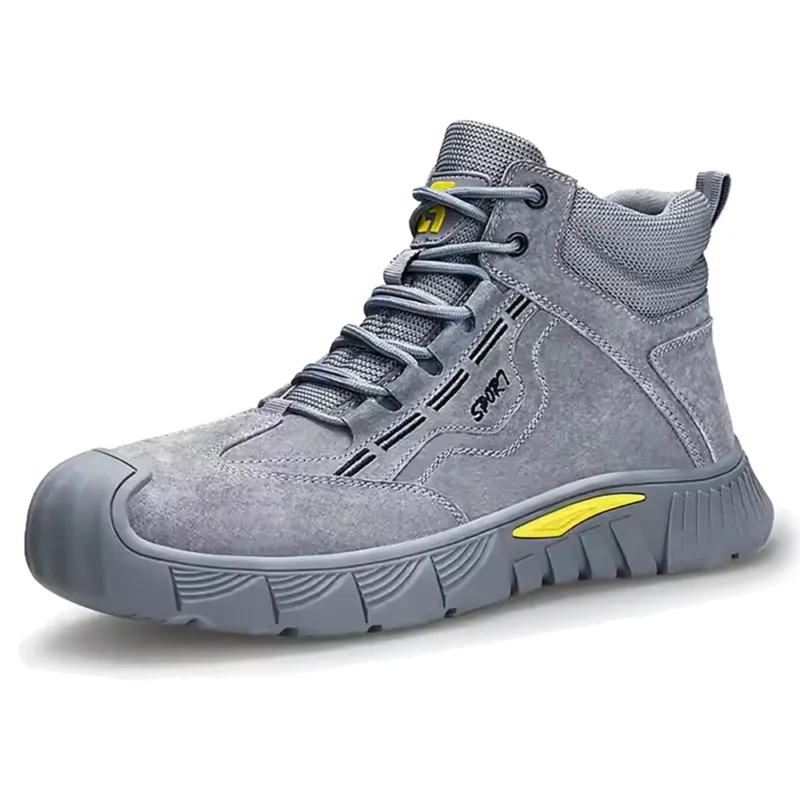
When your workday involves heavy machinery, falling objects, and unforgiving terrain, the Birks Defender Kevlar Steel Toe Safety Work Boots stand ready to protect you through it all. These boots deliver the exceptional durability, reliable protection, and all-day comfort you need to tackle any challenge and get the job done right, every single time.
Work boots differ from casual shoes. They feature steel toes, thick soles, and heavy materials. These elements change how the boot should fit your foot.
The History of Work Boot Fitting Standards
Work boot fitting evolved alongside industrial safety regulations. In the early 1900s, factory workers wore basic leather boots with no standardized sizing. Injuries were common.
The American National Standards Institute (ANSI) established safety footwear standards in 1967. These standards addressed protection requirements but also emphasized proper fit. A boot that doesn’t fit properly cannot protect effectively.
The Occupational Safety and Health Administration (OSHA) reinforced these standards in 1970. Employers became responsible for ensuring workers had properly fitted protective footwear. Modern work boot manufacturers now follow strict sizing protocols based on decades of ergonomic research.
Technical Specifications for Correct Fit
Length Requirements
Your work boot should provide specific clearance measurements:
- Toe space: 0.5 to 0.75 inches between your longest toe and the boot’s end
- Overall length: Enough room for your foot to move slightly forward during downhill walking
- Sizing consistency: Work boots typically run true to size, but manufacturers vary
Stand up when measuring length. Your foot expands under body weight. The thumb test works best—press your thumb between your toe and the boot’s front. You should feel approximately one thumb’s width of space.
Width Specifications
Width affects comfort more than length in many cases. Work boots come in multiple width options:
- B width: Narrow (rare in work boots)
- D width: Standard medium width for men
- E or EE width: Wide options
- EEE width: Extra wide
The ball of your foot should align with the widest part of the boot. Your foot should not bulge over the sole. The upper material should not gap excessively.
Height and Ankle Support
Work boot heights serve different functions:
| Boot Height | Measurement | Best Use |
|---|---|---|
| Low-cut | Below ankle | Light-duty work, warehouse environments |
| 6-inch | Mid-ankle | General construction, standard protection |
| 8-inch | Above ankle | Heavy construction, logging, maximum support |
| 10-inch+ | Mid-calf | Specialized trades, extreme conditions |
Higher boots provide more ankle stability but reduce flexibility. Choose height based on your specific work demands.
Heel and Arch Fit
The heel counter must grip your heel firmly. Your heel should not slip more than 0.25 inches when walking. Excessive heel slip causes blisters and reduces stability.
The arch support should match your foot’s natural arch:
- High arches need substantial arch support
- Flat feet require different support structures
- Neutral arches work with standard insoles
Many work boots include removable insoles. You can replace these with custom orthotics if needed.
How Different Work Environments Affect Fit Needs
Construction Sites
Construction workers need boots with:
- Firm heel lock for ladder climbing
- Steel or composite toe with adequate toe box space
- Thick soles that still allow natural foot flex
The boot should feel snug but never tight. You will walk 10,000+ steps daily on uneven terrain.
Warehouse and Manufacturing
These environments require:
- Slightly more room for extended standing periods
- Cushioned insoles for concrete floors
- Easy on-off design for frequent breaks
Choose boots that accommodate foot swelling during 8-12 hour shifts.
Outdoor and Agricultural Work
Outdoor workers need:
- Higher boots for terrain protection
- Waterproof materials that don’t compress fit
- Room for thick insulation in cold climates
Cold-weather boots should fit with heavy socks. Try them on while wearing your actual work socks.
The Break-In Period and Fit Changes
New work boots require break-in time. Leather and synthetic materials conform to your foot shape over 2-4 weeks.
Week 1-2 Expectations
- Slight tightness in the vamp (top of foot area)
- Stiff ankle collars
- Firm heel counters
These sensations should be present but not painful. Pain indicates incorrect sizing.
Week 3-4 Changes
- Materials soften and flex
- Insoles compress and mold
- Overall fit becomes personalized
The boot should feel significantly more comfortable but maintain support. If discomfort persists after four weeks, the fit is wrong.
When Break-In Won’t Help
No break-in period fixes these problems:
- Toes touching the front while standing
- Heel slipping more than 0.5 inches
- Pain in the ball of your foot
- Numbness or tingling during wear
Return or exchange boots with these issues immediately.
When your workday involves heavy machinery, falling objects, and unforgiving terrain, the Birks Defender Kevlar Steel Toe Safety Work Boots stand ready to protect you through it all. These boots deliver the exceptional durability, reliable protection, and all-day comfort you need to tackle any challenge and get the job done right, every single time.
Step-by-Step Fitting Process
Step 1: Measure Your Feet
Measure both feet at the end of the day. Feet swell during activity. Stand on a measuring device or trace your foot on paper.
Many people have differently sized feet. Buy for your larger foot.
Step 2: Try On With Work Socks
Always wear your actual work socks during fitting. Sock thickness changes boot fit significantly.
Put on the boot and leave it unlaced initially. Slide your foot forward until your toes touch the front. Check the space behind your heel. You should fit 1-2 fingers behind your heel.
Step 3: Lace Properly and Test
Pull your foot back so your heel seats firmly. Lace the boot completely, using proper tension:
- Snug but not tight across the forefoot
- Tighter across the ankle for support
- Comfortable at the top to prevent leg constriction
Walk around for at least 10 minutes. Find stairs or an incline if possible.
Step 4: Perform Specific Movements
Test these movements while wearing the boots:
- Walk up and down stairs
- Squat completely
- Stand on your toes
- Shift weight side to side
- Kneel on both knees
Your toes should not jam forward. The boot should flex at the ball of your foot, not across the arch.
Step 5: Check for Pressure Points
Pay attention to these common problem areas:
- Top of toes against the toe box
- Sides of the ball of your foot
- Ankles against the collar
- Achilles tendon against the back
Pressure points will not disappear with break-in. They will become worse.
Common Fit Problems and Solutions
Problem: Toes Hit the Front
Solution: Size up in length. If the next size is too large overall, look for a different brand with a larger toe box design.
Problem: Heel Slips Excessively
Solution: Try a narrower width or add a heel grip pad. Some brands run wider than others. Consider lacing techniques that lock the heel.
Problem: Numbness or Tingling
Solution: The boot is too narrow or laced too tightly. Try a wider width or adjust lacing tension. Persistent numbness may indicate circulation issues requiring medical attention.
Problem: Arch Pain
Solution: The arch support doesn’t match your foot. Replace the insole with one suited to your arch type. Custom orthotics may be necessary.
Problem: Boot Feels Too Heavy
Solution: Work boots weigh 2-4 pounds per boot. This is normal. Your legs will adjust within two weeks. If weight remains problematic, consider composite toe options instead of steel.
Maintenance Tips for Preserving Proper Fit
Clean boots regularly. Dirt and debris accumulate inside, reducing space and changing fit. Remove insoles weekly and air out the boot interior.
Condition leather monthly. Dried leather shrinks and cracks, altering fit characteristics. Use appropriate conditioners for your boot material.
Replace insoles every 6-12 months. Compressed insoles lose support and reduce the boot’s effective interior volume. Your foot sits lower in the boot, changing the fit.
Check for sole separation quarterly. Damaged soles affect how your foot positions inside the boot. Replace boots with significant sole damage.
Selecting the Right Work Boot Size
Most workers choose work boots following this decision tree:
- Start with your athletic shoe size as a baseline
- Try the same size first in your preferred work boot brand
- Assess length using the thumb test
- Check width by examining bulging or gapping
- Evaluate with work socks you will actually wear
- Test all movements relevant to your job
- Verify comfort after 10-15 minutes of wear
If any step fails, adjust size or width and repeat the process.
Different brands fit differently even in the same size. A size 10 from one manufacturer may fit like a 10.5 from another. Always try before buying, or purchase from retailers with easy return policies.
Final Fit Verification Checklist
Before purchasing work boots, confirm:
- 0.5-0.75 inches of toe space while standing
- Heel slips less than 0.25 inches when walking
- No pressure points anywhere on your foot
- Ball of foot aligns with widest part of boot
- Ankle collar provides support without restriction
- Boot flexes naturally at the ball of your foot
- Adequate room for feet to swell during shifts
- Comfortable with your actual work socks
- No numbness or tingling after 15 minutes
- Can perform all required work movements
A properly fitted work boot protects your feet, supports your body, and lasts longer through daily wear. The time spent finding the correct fit saves money and prevents injuries. Visit a specialty work boot retailer for professional fitting assistance when possible. Your feet carry you through every work day—give them the proper equipment.
When your workday involves heavy machinery, falling objects, and unforgiving terrain, the Birks Defender Kevlar Steel Toe Safety Work Boots stand ready to protect you through it all. These boots deliver the exceptional durability, reliable protection, and all-day comfort you need to tackle any challenge and get the job done right, every single time.
