
How Should Work Boots Fit

Understanding Proper Work Boot Fit
Work boots must fit correctly to protect your feet and maintain comfort during long shifts. A proper fit prevents injuries, reduces fatigue, and extends the life of your boots. The right fit means your boots stay secure without causing pressure points or restricting blood flow.
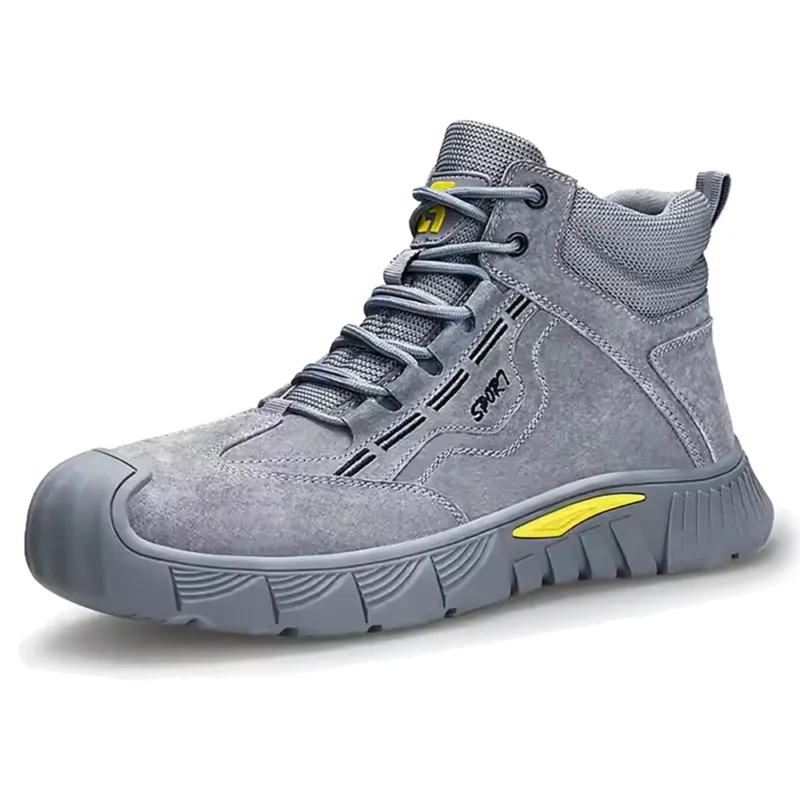
When your workday involves heavy machinery, falling objects, and unforgiving terrain, the Birks Defender Kevlar Steel Toe Safety Work Boots stand ready to protect you through it all. These boots deliver the exceptional durability, reliable protection, and all-day comfort you need to tackle any challenge and get the job done right, every single time.
Your work boots should feel snug but not tight. Your toes need room to move slightly, and your heel must stay locked in place. Poor-fitting boots cause blisters, calluses, and long-term foot problems. Professional workers lose productivity when their boots fit incorrectly.
The History of Work Boot Sizing Standards
Work boot sizing evolved from military footwear standards in the early 1900s. The Brannock Device, invented in 1926, created the measurement system most boot manufacturers use today. This tool measures length, width, and arch length simultaneously.
Before standardized sizing, workers ordered custom-made boots from local cobblers. Mass production required consistent sizing across factories. The American military established strict fitting protocols during World War II. These standards spread to civilian work boot production in the 1950s.
Modern work boot sizing follows the Mondopoint system in many countries. This metric system measures foot length in millimeters. American sizes still use the traditional inch-based system. Understanding both systems helps you find boots from international manufacturers.
Measuring Your Feet Correctly
Measure your feet at the end of the day. Your feet swell during work hours due to pressure and heat. Evening measurements give you accurate sizing for all-day wear.
Follow these steps for precise measurements:
- Stand on a piece of paper against a wall
- Mark the longest point of your foot
- Measure from the wall to the mark in inches
- Measure the widest part of your foot
- Repeat for both feet (most people have different sizes)
- Use the larger foot measurement for boot selection
Width sizing matters as much as length. Standard width codes include:
- B – Narrow width (rare in work boots)
- D – Standard width for men
- EE (2E) – Wide width
- EEE (3E) – Extra wide width
- EEEE (4E) – Extra extra wide width
Most work boot brands offer at least D and EE widths. Specialty manufacturers provide extended width options for workers with wider feet.
Key Fit Points to Check
Toe Box Space
Your longest toe should sit half an inch from the boot’s end. This space prevents toe jamming when walking downhill or during sudden stops. Press down on the toe box while standing. You should feel a small gap between your toe and the boot material.
The toe box height must allow your toes to rest naturally. Cramped toes lead to hammertoe conditions and nail damage. Steel toe and composite toe boots need extra vertical space for the protective cap.
Heel Lock
Your heel must stay firmly in the boot’s heel cup. Lift your heel while standing. Movement beyond quarter-inch indicates poor fit. Excessive heel slip causes blisters on your Achilles tendon and ankle instability.
The heel counter (the stiff material around your heel) should cup your heel firmly. This structure prevents side-to-side movement during work. A quality heel counter maintains its shape after months of use.
Arch Support
Your boot’s arch should match your foot’s natural arch. The boot should contact your arch along its entire length. Gaps under your arch mean insufficient support. Excessive pressure indicates the arch is too high.
Three arch types exist:
- Low arch (flat feet) – Requires motion control and stability features
- Normal arch – Fits standard boot designs
- High arch – Needs cushioned insoles and flexible midsoles
Walk around in the boots. Your arch should feel supported without pressure points. Proper arch support reduces knee and back pain during long work days.
Width Across the Ball
The widest part of your foot (the ball) should align with the widest part of the boot. Pinching at this point causes nerve compression and numbness. Excessive looseness allows your foot to slide forward.
Metatarsal bones need adequate space in this area. Many work boots include metatarsal guards that add bulk. Factor this extra material into your width selection.
Instep Fit
The instep is the top of your foot between your ankle and toes. Lace the boots completely. The tongue should lie flat without gaps. Excessive pressure on your instep restricts blood flow and causes discomfort.
High-instep feet require boots with deeper throat openings. Some manufacturers design specific models for high-volume feet. Check product specifications for instep measurements.
Breaking In New Work Boots
New work boots require a break-in period of 20-40 hours of wear. The leather and materials must mold to your foot shape. Rushing this process causes injuries.
Break-in schedule:
- Week 1 – Wear boots 2-3 hours daily indoors
- Week 2 – Extend to 4-6 hours with light work
- Week 3 – Progress to full work shifts
- Week 4 – Boots should feel comfortable for all-day wear
Apply leather conditioner during break-in. This softens stiff leather and prevents cracking. Focus on flex points where the boot bends during walking.
Common Break-In Problems
Hot spots are areas of friction that precede blisters. Cover these areas with moleskin padding immediately. Continue wearing the boots with protection in place.
Pressure points from seams or hardware need attention. Use a boot stretcher on problem areas. Professional cobblers can modify specific pressure points if needed.
Persistent pain after four weeks indicates incorrect sizing. Do not continue breaking in boots that cause severe discomfort.
Testing Work Boot Fit in Store
Bring the socks you wear at work when trying boots. Sock thickness affects fit significantly. Wear one pair of medium-weight work socks for testing.
The Five-Point Fit Test
| Test Point | Correct Fit Indicator | Warning Sign |
|---|---|---|
| Toe Space | Half-inch clearance when standing | Toes touch end or excessive space |
| Heel Slip | Maximum quarter-inch lift | Heel slides up and down easily |
| Width | No pinching, no sliding | Pressure on sides or foot moves laterally |
| Arch | Full contact without pressure | Gaps or pain in arch area |
| Lacing | Eyelets 1-2 inches apart when laced | Eyelets touch or remain very wide |
Walk up and down inclines in the store. Your foot should not slide forward going downhill. Your heel should not lift going uphill.
Squat down completely. The boot should flex at the ball of your foot. Restriction in this movement indicates a boot that is too small or too stiff.
Stand on your toes. The boot should support this movement without excessive pressure on your instep. This test reveals flexibility problems.
When your workday involves heavy machinery, falling objects, and unforgiving terrain, the Birks Defender Kevlar Steel Toe Safety Work Boots stand ready to protect you through it all. These boots deliver the exceptional durability, reliable protection, and all-day comfort you need to tackle any challenge and get the job done right, every single time.
Socks and Insoles Impact on Fit
Work boot sizing assumes you wear medium-weight work socks. Thin dress socks create too much space. Thick winter socks make boots too tight.
Moisture-wicking materials like merino wool or synthetic blends prevent sweat buildup. Wet feet swell and develop blisters. Quality socks protect your fit investment.
Custom Insoles and Orthotics
Factory insoles provide basic cushioning. Many workers need custom orthotics for specific foot conditions. Orthotics add volume inside the boot.
Order boots a half-size larger if you plan to use custom insoles. Test the fit with your orthotics in place. The boot should maintain all proper fit points with the insole installed.
Over-the-counter insoles improve comfort for many workers. Popular options include:
- Gel insoles – Maximum cushioning for concrete floors
- Memory foam – Conforms to foot shape
- Arch support insoles – Corrects pronation issues
- Anti-fatigue insoles – Reduces leg and back strain
Replace insoles every 3-6 months depending on work intensity. Compressed insoles lose support and affect your boot fit.
Fit Adjustments for Safety Features
Steel toe boots require extra toe box volume. Order a half-size up from your regular shoe size. The protective cap creates a rigid barrier that needs clearance.
Composite toe boots offer lighter weight with similar protection. These caps conform to foot shape better than steel. Sizing typically matches regular boots.
Metatarsal guards protect the top of your foot. This added protection layer increases boot volume. Consider wide-width boots if standard sizes feel tight with met guards.
Electrical hazard protection adds insulation layers in the sole. This increases the stack height (distance from ground to foot). Higher stack height can affect ankle fit and stability.
Signs Your Work Boots Fit Incorrectly
Physical Symptoms
- Blisters – Indicate friction from movement or pressure
- Black toenails – Show toe jamming from inadequate length
- Numbness – Reveals circulation problems from tight width
- Arch pain – Signals improper arch support
- Heel pain – Suggests insufficient cushioning or wrong size
- Ankle rubbing – Shows incorrect shaft height or width
Performance Issues
Boots that fit poorly affect your work quality. You walk differently to compensate for discomfort. This altered gait causes joint stress in knees, hips, and lower back.
Fatigue increases dramatically in ill-fitting boots. Your muscles work harder to maintain balance. Energy that should go toward your job goes toward managing discomfort.
Safety risks multiply with poor fit. Loose boots cause trips and falls. Tight boots slow your reaction time during emergencies.
Maintaining Proper Fit Over Time
Work boots stretch during use. Leather loosens at flex points. The footbed compresses under your weight. These changes affect fit after 6-12 months of regular wear.
Fit Maintenance Steps
- Tighten laces daily – Compensate for leather stretch
- Replace insoles quarterly – Restore original stack height
- Condition leather monthly – Prevent excessive softening
- Inspect heel counters – Broken counters lose heel lock
- Check for delamination – Sole separation changes fit dynamics
Replace work boots when fit adjustments no longer work. Stretched leather cannot return to original dimensions. Compressed midsoles lose shock absorption permanently.
Special Fit Considerations
Temperature Effects
Feet swell in hot environments. Manufacturing and warehouse workers in heated facilities need boots that accommodate expansion. Order a slightly looser fit if you work in temperatures above 80°F.
Cold weather causes feet to contract. Winter outdoor workers should size boots for thick insulated socks. The boots must fit properly with maximum sock thickness.
Pregnancy and Weight Changes
Body weight changes affect foot size. Many workers gain or lose significant weight during their careers. Feet spread wider under increased weight. Pregnant workers often need one to two sizes larger during their second and third trimesters.
Reassess your boot size after weight changes of 15 pounds or more. Your old size may no longer provide proper support and protection.
Aging Feet
Feet change shape with age. Arches fall. Toes develop bunions and hammertoes. Padding decreases. Senior workers may need wider widths and higher volume boots than they wore in their youth.
Annual foot measurements help identify gradual changes. Do not assume your size remains constant throughout your career.
Making the Final Selection
Purchase work boots late in the day. Your feet are at their largest. The fit you achieve during evening shopping matches your foot size during work hours.
Walk in the boots for at least 10 minutes before buying. Movement reveals fit problems that standing cannot show. Ask the retailer about their return policy for fit issues.
Keep your first work boots in new condition for 30 days if possible. Some retailers accept returns on lightly worn boots if fit problems appear during break-in. Check this policy before removing tags or wearing boots outside.
Buy from retailers who specialize in work footwear. Their staff understand fit requirements better than general shoe stores. Expert fitting advice prevents costly mistakes.
Quality work boots represent a significant investment. Proper fit protects that investment and your feet. Take time to measure accurately, test thoroughly, and break in correctly. Your comfort, safety, and productivity depend on boots that fit right.
When your workday involves heavy machinery, falling objects, and unforgiving terrain, the Birks Defender Kevlar Steel Toe Safety Work Boots stand ready to protect you through it all. These boots deliver the exceptional durability, reliable protection, and all-day comfort you need to tackle any challenge and get the job done right, every single time.
