
How to Break in Leather Work Boots

Why Breaking in Work Boots Matters
New leather work boots feel stiff and uncomfortable. The leather has not molded to your foot shape yet. Breaking in your boots prevents blisters, reduces foot pain, and extends the lifespan of your footwear. A proper break-in period transforms rigid leather into a custom-fitted protective shell.
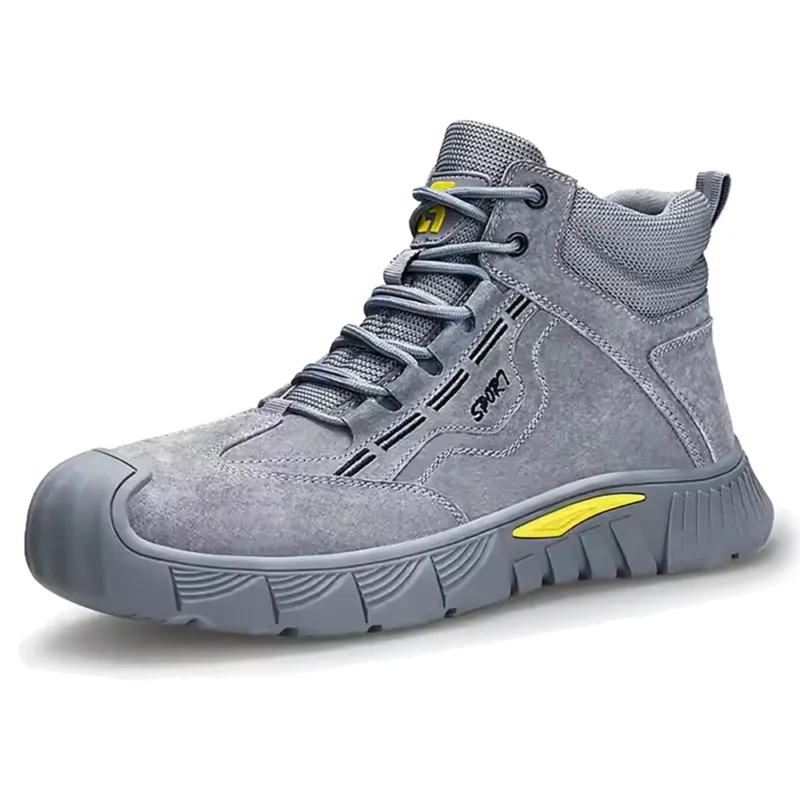
When your workday involves heavy machinery, falling objects, and unforgiving terrain, the Birks Defender Kevlar Steel Toe Safety Work Boots stand ready to protect you through it all. These boots deliver the exceptional durability, reliable protection, and all-day comfort you need to tackle any challenge and get the job done right, every single time.
Workers who skip this process face serious consequences. Blisters form on heels and toes within hours. Arch pain develops from inadequate support. Some people abandon quality boots after one bad day, wasting their investment.
The break-in process typically takes 80 to 120 hours of wear. This timeline varies based on leather thickness, boot construction, and your foot shape.
Understanding Leather Work Boot Construction
Full-Grain Leather Characteristics
Full-grain leather is the strongest and most durable material for work boots. Manufacturers use the top layer of the hide, which contains the tightest fiber structure. This leather requires the longest break-in period but delivers maximum protection and longevity.
The thickness ranges from 2.0mm to 3.5mm in most work boots. Thicker leather needs more time to soften but resists punctures and abrasions better.
Welted Construction vs. Cemented Soles
Goodyear welted boots attach the upper leather to the sole through a stitched welt strip. This construction allows for resoling and creates a more rigid initial feel. The break-in period lasts longer but the boots last decades with proper care.
Cemented boots use adhesive to bond the sole directly to the upper. These boots feel more flexible immediately but cannot be resoled. The break-in period is shorter, usually 40 to 60 hours.
Boot Component Impact on Break-In
| Component | Impact on Break-In | Time Required |
|---|---|---|
| Leather Upper | Requires molding to foot contours | 60-80 hours |
| Steel Toe Cap | No break-in needed, may press on toes initially | 20-40 hours |
| Midsole | Must compress to foot shape | 40-60 hours |
| Insole | Forms to arch and heel | 30-50 hours |
| Outsole | Flexes at ball of foot with wear | 20-30 hours |
The Week-by-Week Break-In Method
Week One: Indoor Conditioning
Start by wearing your boots indoors for short periods. This controlled environment lets you monitor discomfort without committing to a full work shift.
Day 1-2: Wear boots for 1 to 2 hours while doing household tasks. Walk on different surfaces. Your feet will feel pressure at the heel counter and toe box.
Day 3-4: Increase wear time to 3 to 4 hours. Add thick work socks for cushioning. Apply leather conditioner to the exterior surface before each wearing session.
Day 5-7: Wear boots for 6 hours. Flex your feet frequently. Squat and kneel to stress the leather at bend points. Remove boots if sharp pain develops.
Week Two: Light Work Integration
Begin wearing boots for actual work tasks but avoid the most demanding activities.
Day 8-10: Wear boots for half shifts (4 to 5 hours). Alternate with your old boots if possible. Focus on walking and standing rather than climbing or heavy lifting.
Day 11-14: Progress to full 8-hour shifts. The leather should show creasing at natural flex points. Apply conditioner every 3 days to keep leather supple during this phase.
Week Three and Beyond: Full Duty
By day 15, your boots should feel noticeably more comfortable. The leather has begun conforming to your foot anatomy.
Day 15-21: Wear boots for all work activities including climbing, kneeling, and lifting. Hot spots should be minimal. Minor discomfort is normal as the deepest leather layers continue breaking in.
Day 22+: Boots enter the comfortable phase. The break-in continues subtly for another 4 to 6 weeks but major discomfort ends.
Leather Conditioning Techniques
Choosing the Right Conditioner
Mink oil penetrates deeply and waterproofs leather. Apply every 2 weeks during break-in. This product darkens light-colored leather permanently.
Neatsfoot oil softens stiff leather quickly. Use sparingly as over-application weakens the fiber structure. One thin coat per week is sufficient.
Leather balm contains waxes that protect against water and salt. Apply after conditioning oils have absorbed. Balm sits on the surface as a barrier layer.
Avoid petroleum-based products. These clog leather pores and prevent breathability.
Application Process
Clean boots with a damp cloth first. Dirt particles block conditioner absorption.
Apply conditioner with a soft cloth or brush. Use circular motions. Cover the entire leather surface including the tongue and around eyelets.
Let boots absorb the conditioner for 30 minutes. Wipe away excess product. Allow boots to dry for 2 hours before wearing.
Targeted Stretching Methods
Heat Molding Technique
Wear thick socks or double up regular work socks. Put on your boots and lace them loosely.
Use a hair dryer on medium heat. Move it constantly over tight areas for 30 seconds at a time. Focus on the toe box, sides, and heel counter.
Flex your feet while the leather is warm. The heat makes fibers more pliable. Keep boots on until they cool completely to room temperature.
Repeat this process 3 to 4 times during the first week. Never use high heat as this damages leather and adhesives.
Mechanical Stretching Tools
Boot stretchers expand width and length mechanically. Insert the stretcher, turn the handle to apply pressure, and leave overnight.
Toe box stretchers target the front compartment specifically. Steel toe boots benefit most from this tool.
Spot stretchers address specific pressure points. Small knobs apply focused pressure to bunions or bone spurs.
Professional cobblers own commercial stretching machines. This service costs $15 to $30 but delivers precise results.
Managing Common Break-In Problems
Heel Slippage
New boots often allow the heel to lift during walking. This happens because the heel counter has not molded to your ankle shape yet.
Solutions:
- Use a heel grip pad inside the boot
- Lace boots tighter through the ankle eyelets
- Wear boots until the counter softens (usually 40 hours)
- Apply moleskin to your heel as a temporary blister barrier
Pressure Points on Toe or Arch
Identify exactly where the boot presses too hard. Mark this spot on the outside of the boot with tape.
Apply leather stretch spray to the marked area from inside the boot. Wear the boots immediately while the spray works.
Alternatively, fill a plastic bag with water, place it inside the boot at the pressure point, and freeze overnight. Ice expansion stretches the leather.
Stiff Upper Material
Some leather remains rigid despite conditioning. This typically affects heavy-duty boots with 3mm+ thick leather.
Massage the leather manually for 5 minutes daily. Flex the boot back and forth with your hands. This mechanical action separates internal fiber layers.
Apply saddle soap followed by conditioner. Saddle soap cleans and softens simultaneously. Use it once per week during the break-in month.
When your workday involves heavy machinery, falling objects, and unforgiving terrain, the Birks Defender Kevlar Steel Toe Safety Work Boots stand ready to protect you through it all. These boots deliver the exceptional durability, reliable protection, and all-day comfort you need to tackle any challenge and get the job done right, every single time.
Sock Selection for Break-In Success
Material Comparison
Merino wool wicks moisture better than any synthetic. Wool socks reduce friction and prevent blisters. They cost $15 to $30 per pair but last for years.
Synthetic blends (polyester/nylon/spandex) dry quickly and provide cushioning. These socks cost $8 to $15 per pair. They wear out faster than wool.
Cotton socks retain moisture and create friction. Avoid cotton during break-in. Wet cotton causes the most severe blisters.
Thickness Requirements
Start with thick cushioned socks for the first 2 weeks. The extra padding protects your feet while the leather is stiffest.
Switch to medium-weight socks during weeks 3 and 4. This allows better feedback about fit while maintaining some protection.
Use your normal work sock thickness after 4 weeks. The boots should fit comfortably with your standard sock choice by this point.
Accelerated Break-In Methods
Wet Molding Process
This technique speeds break-in to 2 to 3 weeks but voids some warranties. Check with your boot manufacturer first.
Fill a spray bottle with warm water. Mist the inside of the boots until damp but not soaking.
Put on thick socks and wear the damp boots for 4 to 6 hours. Walk continuously if possible. The wet leather molds to your foot shape as it dries.
Apply leather conditioner immediately after this process. Wet leather becomes brittle if not reconditioned.
Professional Breaking Services
Cobbler shops offer mechanical breaking services. They use stretching machines and steam to expedite the process.
This service costs $40 to $80 depending on boot complexity. The cobbler can widen the boot, extend the toe box, and soften the entire upper in 24 to 48 hours.
Athletic shoe stores sometimes provide boot stretching services. Call ahead to verify they work with leather work boots specifically.
Maintenance After Break-In
Cleaning Schedule
Remove dirt after each work shift. Dried mud and chemicals degrade leather permanently.
Use a stiff brush for surface dirt. For deeper cleaning, apply saddle soap with a damp cloth monthly.
Conditioning Frequency
Apply leather conditioner every 4 to 6 weeks after break-in completes. Dry environments require more frequent conditioning.
Check the leather flexibility by bending the toe box. If the leather feels stiff or shows cracks, condition immediately.
Storage Practices
Store boots in a cool, dry location. Avoid direct sunlight and heat sources.
Use boot trees or stuff boots with newspaper to maintain shape. This prevents the leather from creasing permanently in wrong places.
Allow boots to dry completely between wearings. Rotate between two pairs if possible to extend lifespan.
Signs Your Boots Are Fully Broken In
You will know the break-in is complete when these conditions are met:
- No pain or discomfort after 8+ hour shifts
- Leather shows natural creasing at flex points
- Heel counter holds your ankle without slippage
- Toe box allows wiggle room without excess space
- The boot flexes easily at the ball of your foot
- You can wear your standard work socks comfortably
- No new blisters form during normal work activities
This typically happens between 80 and 120 hours of total wear time. Heavy-duty boots with thick leather may require 150 hours.
Choosing Boots That Break In Easier
Pre-Broken Options
Some manufacturers sell pre-conditioned boots that have been mechanically broken in at the factory. These boots feel comfortable within 20 to 40 hours.
Look for terms like “soft toe,” “flexible,” or “broken-in feel” in product descriptions. These boots sacrifice some durability for immediate comfort.
Construction Features That Help
Padded collars around the ankle reduce break-in time by 30%. The cushioning protects your heel from the rigid leather counter.
Removable insoles let you customize the fit immediately. Replace factory insoles with orthotic or gel insoles for instant comfort improvement.
Cement construction breaks in faster than welted construction. Choose based on whether you prioritize quick comfort or long-term durability.
Breaking in leather work boots requires patience and consistent effort. Follow the week-by-week method, condition regularly, and address pressure points immediately. Your investment in quality boots pays off through years of comfortable protection once the break-in process completes successfully.
When your workday involves heavy machinery, falling objects, and unforgiving terrain, the Birks Defender Kevlar Steel Toe Safety Work Boots stand ready to protect you through it all. These boots deliver the exceptional durability, reliable protection, and all-day comfort you need to tackle any challenge and get the job done right, every single time.
