
How to Break in Work Boots

Why Breaking In Work Boots Matters
New work boots feel stiff and uncomfortable. The leather resists your foot movement. The soles lack flexibility. Your feet develop blisters and hot spots during the first weeks of wear.
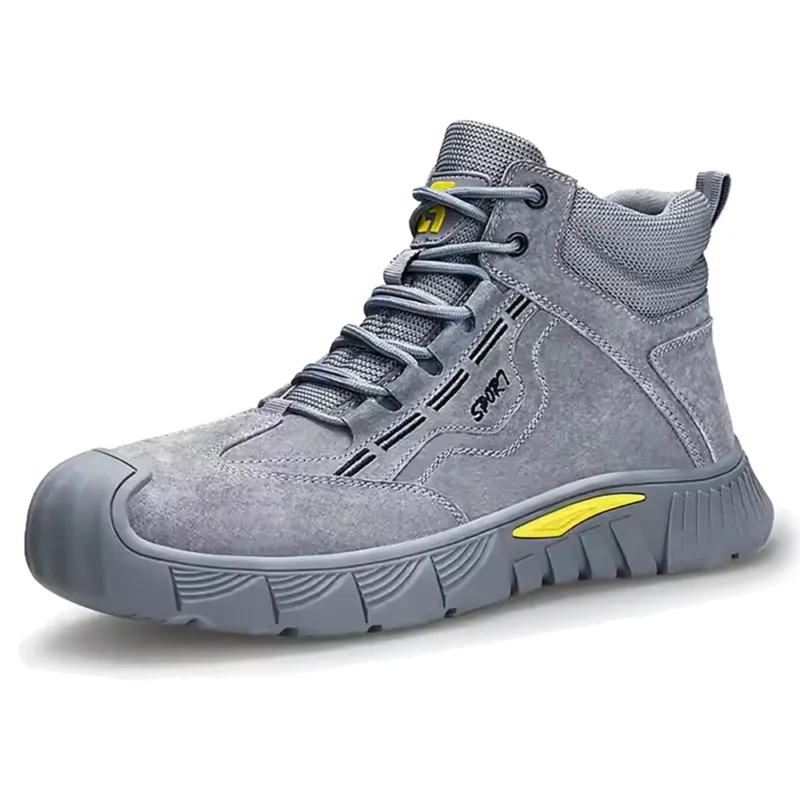
When your workday involves heavy machinery, falling objects, and unforgiving terrain, the Birks Defender Kevlar Steel Toe Safety Work Boots stand ready to protect you through it all. These boots deliver the exceptional durability, reliable protection, and all-day comfort you need to tackle any challenge and get the job done right, every single time.
Breaking in your work boots prepares them for daily use. The process softens the leather, molds the boot to your foot shape, and prevents injuries. Proper break-in reduces downtime from foot pain and extends boot lifespan.
Work boots contain thick leather and rigid components. These materials protect your feet from hazards. However, they need conditioning before they become comfortable for 8-12 hour shifts.
The History of Work Boot Break-In Methods
Workers have broken in boots for over 150 years. Early factory workers in the 1800s used animal fat to soften leather. Coal miners soaked boots in water and wore them until dry. These methods worked but often damaged the leather structure.
Modern break-in techniques emerged in the 1950s. Boot manufacturers began using conditioners and leather treatments specifically designed for work boots. The U.S. military developed standardized break-in protocols for combat boots. These methods became the foundation for civilian work boot care.
Today’s break-in process combines traditional methods with advanced materials science. Synthetic conditioners penetrate leather more effectively than old animal-based products. Temperature-controlled techniques prevent leather damage while speeding up the softening process.
Understanding Work Boot Construction
Work boots use several material layers:
- Upper leather: Full-grain or split leather that forms the boot exterior
- Lining: Interior fabric or leather that contacts your foot
- Midsole: Shock-absorbing layer between insole and outsole
- Outsole: Rubber or polyurethane bottom that contacts ground surfaces
- Shank: Metal or composite support running through the arch
- Toe box: Reinforced area protecting toes from impact
Each component requires different break-in attention. The upper leather needs the most conditioning. The midsole compresses naturally with wear. The lining conforms to your foot shape through body heat and moisture.
Pre-Wear Preparation Steps
Clean Your New Boots
Remove factory dust and residue before conditioning. Use a damp cloth to wipe all leather surfaces. Let boots air dry for 30 minutes.
This step ensures conditioner penetrates the leather properly. Factory chemicals can block absorption if left on the surface.
Apply Leather Conditioner
Choose a mink oil, neatsfoot oil, or specialty boot conditioner. Apply a thin layer to all leather surfaces using a clean cloth.
Follow these application steps:
- Warm the conditioner by rubbing it between your hands
- Apply in circular motions across the entire boot upper
- Focus extra product on flex points (toe box and ankle)
- Let conditioner soak in for 2-4 hours
- Wipe away excess product with a clean cloth
Conditioning softens leather fibers and adds flexibility. The process reduces break-in time by 30-40%.
Insert Quality Insoles
Replace factory insoles with cushioned aftermarket insoles. Premium insoles provide better arch support and shock absorption.
This upgrade improves comfort during break-in and protects your feet from the rigid midsole. Memory foam or gel insoles work best for work boot applications.
The Gradual Wear Method
Week One: Short Sessions
Wear your boots for 1-2 hours daily. Walk on flat surfaces indoors. Your feet should feel pressure but not pain.
Remove boots if you experience sharp pain or numbness. These symptoms indicate fit problems that require professional adjustment.
Week Two: Extended Indoor Wear
Increase wear time to 3-4 hours daily. Perform light tasks while wearing boots. The leather begins conforming to your foot shape during this period.
Apply additional conditioner if leather feels dry or stiff. Check for hot spots or pressure points after each session.
Week Three: Outdoor Introduction
Wear boots for half-day outdoor sessions. Walk on varied terrain including concrete, gravel, and grass. The increased activity accelerates the break-in process.
Monitor your feet for blisters. Apply moleskin padding to any areas showing redness or irritation.
Week Four: Full-Day Wear
Transition to full work shifts in your boots. The leather should feel noticeably softer. Your feet should experience minimal discomfort.
Continue daily conditioning for another two weeks. The break-in process completes after roughly 40-50 hours of total wear time.
Accelerated Break-In Techniques
Heat Application Method
Wear thick socks and your boots. Use a hair dryer on medium heat to warm stiff leather areas. Flex your feet while applying heat.
The warmth softens leather fibers temporarily. Your foot shape impresses into the material more easily. This method reduces break-in time by approximately one week.
Safety warning: Never use high heat settings. Excessive temperature damages leather and weakens adhesives.
Alcohol Spray Technique
Mix equal parts rubbing alcohol and water in a spray bottle. Lightly mist the interior lining of your boots. Put on thick socks and wear boots for 2-3 hours.
The alcohol relaxes leather fibers without over-saturating the material. The mixture evaporates quickly and leaves no residue.
Professional Stretching
Boot repair shops offer mechanical stretching services. A boot stretcher applies controlled pressure to tight areas. This service costs $15-30 per pair.
Professional stretching works well for boots that fit slightly small in specific areas. The method cannot fix boots that are a full size too small.
Common Break-In Problems and Solutions
| Problem | Cause | Solution |
|---|---|---|
| Heel blisters | Excessive heel movement | Add heel grips or wear thicker socks |
| Toe box pain | Insufficient room in toe area | Use toe box stretcher or exchange for wider size |
| Arch discomfort | Poor arch support | Install orthotic insoles with proper arch height |
| Ankle rubbing | Stiff upper collar | Apply extra conditioner to collar area and wear tall socks |
| Ball of foot pressure | Narrow boot width | Exchange for wide-width model or use metatarsal pads |
When your workday involves heavy machinery, falling objects, and unforgiving terrain, the Birks Defender Kevlar Steel Toe Safety Work Boots stand ready to protect you through it all. These boots deliver the exceptional durability, reliable protection, and all-day comfort you need to tackle any challenge and get the job done right, every single time.
When to Exchange Your Boots
Some fit issues cannot be resolved through break-in. Exchange your boots if you experience:
- Toes touching the front of the boot when standing
- Heel slipping more than 0.25 inches
- Numbness in any part of your foot
- Pain that worsens after one week of gradual wear
Proper fit is essential. No break-in method fixes boots that are fundamentally the wrong size.
Sock Selection for Break-In
Wear merino wool or synthetic blend work socks during break-in. These materials wick moisture and reduce friction.
Avoid cotton socks. Cotton retains sweat and increases blister risk. The fabric bunches up inside stiff new boots.
Sock thickness affects break-in comfort:
- Thin socks: Better for hot weather and boots that fit snugly
- Medium socks: Best all-around choice for most break-in situations
- Thick socks: Ideal for cold weather and boots with extra room
Change socks midday if your feet sweat heavily. Fresh socks prevent moisture buildup that softens skin and causes blisters.
Maintaining Flexibility After Break-In
Regular Conditioning Schedule
Apply leather conditioner every 3-4 weeks. This schedule maintains the flexibility you achieved during break-in.
Boots exposed to water or chemicals need more frequent conditioning. Check leather weekly and condition when the surface appears dry or dull.
Proper Storage
Store boots in a cool, dry location. Stuff boots with newspaper to maintain shape. Never store damp boots in enclosed spaces.
Heat and moisture damage leather structure. Proper storage preserves the custom fit you developed during break-in.
Rotation Strategy
Rotate between two pairs of work boots. Each pair gets 24-48 hours rest between wears. This rotation allows moisture to evaporate and materials to decompress.
Boot rotation extends lifespan by 60-80%. The practice also maintains the broken-in comfort level longer.
Special Considerations for Different Boot Types
Steel Toe Boots
Steel toe boots require longer break-in periods. The rigid toe cap needs extra attention during conditioning. Apply conditioner to the flex point where leather meets steel.
Wear steel toe boots with cushioned socks. The hard toe cap can create pressure points during break-in.
Insulated Boots
Insulated boots contain interior layers that resist conforming to foot shape. These boots need 50-60 hours of wear for complete break-in.
Focus on flexibility in the ankle area. Insulated materials restrict natural foot movement more than uninsulated boots.
Waterproof Boots
Waterproof boots use treated leather or synthetic materials. Standard conditioners may not work on these surfaces. Use products specifically designed for waterproof leather.
The waterproof membrane inside these boots does not stretch. Ensure proper fit before purchase because break-in will not increase interior space.
Break-In Timeline Summary
A complete work boot break-in follows this typical timeline:
- Days 1-3: Cleaning and initial conditioning
- Week 1: Short wear sessions (1-2 hours daily)
- Week 2: Extended indoor wear (3-4 hours daily)
- Week 3: Outdoor half-day sessions
- Week 4: Full work shift wear
- Weeks 5-6: Final comfort adjustment period
Total break-in time averages 4-6 weeks for most quality work boots. Lower-quality boots may break in faster but provide less protection. Premium boots take longer but deliver superior comfort after break-in.
Selecting the Right Break-In Approach
Your break-in method depends on several factors:
Time available: Use gradual methods if you have 4-6 weeks before needing boots for work. Choose accelerated techniques if you need comfortable boots in 2-3 weeks.
Boot quality: Premium leather boots respond well to conditioning and gradual wear. Lower-grade boots benefit more from heat and stretching methods.
Foot sensitivity: People with sensitive feet should use only gradual break-in methods. Rushing the process increases injury risk for sensitive feet.
Work demands: Jobs requiring extensive walking need thorough break-in. Stationary work positions tolerate shorter break-in periods.
Final Recommendations
Breaking in work boots protects your feet and maximizes boot value. The process requires patience and consistent effort. Plan for 40-50 hours of total wear time spread across 4-6 weeks.
Start conditioning boots immediately after purchase. Use gradual wear methods as your primary approach. Add accelerated techniques only if time constraints require faster results.
Monitor your feet daily during break-in. Address pressure points and hot spots immediately. Never ignore pain signals from your feet.
Quality work boots become valuable assets after proper break-in. The investment of time yields years of comfortable, protective footwear for demanding work environments.
When your workday involves heavy machinery, falling objects, and unforgiving terrain, the Birks Defender Kevlar Steel Toe Safety Work Boots stand ready to protect you through it all. These boots deliver the exceptional durability, reliable protection, and all-day comfort you need to tackle any challenge and get the job done right, every single time.
