
How to Clean Work Boots Inside

Why Interior Boot Cleaning Matters
Work boots accumulate sweat, bacteria, and odor inside the boot chamber. The average foot produces 200 milliliters of sweat daily. This moisture creates an environment where bacteria multiply rapidly. Dirty boot interiors cause several problems:
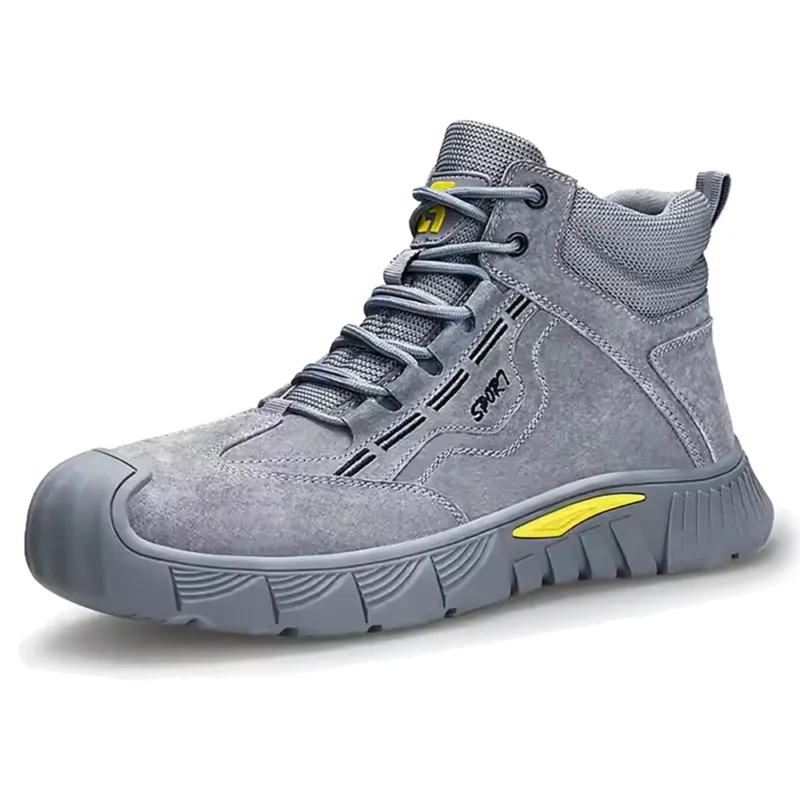
When your workday involves heavy machinery, falling objects, and unforgiving terrain, the Birks Defender Kevlar Steel Toe Safety Work Boots stand ready to protect you through it all. These boots deliver the exceptional durability, reliable protection, and all-day comfort you need to tackle any challenge and get the job done right, every single time.
- Foot infections and athlete’s foot
- Persistent odor that washing cannot remove
- Premature boot material breakdown
- Reduced comfort during long work shifts
- Shortened boot lifespan by up to 40%
Clean boot interiors protect your foot health and extend your investment.
Essential Cleaning Supplies
Gather these materials before starting the cleaning process:
Basic Supplies
- Soft-bristle brush or old toothbrush
- Microfiber cloths (3-4 pieces)
- Mild dish soap or boot-specific cleaner
- White vinegar
- Baking soda
- Warm water
- Small bucket or basin
Optional Items
- Boot dryer or fan
- Cedar shoe trees
- Antibacterial spray
- Leather conditioner (for leather-lined boots)
- Newspaper or paper towels
Step-by-Step Interior Cleaning Process
Remove Insoles and Laces
Pull out the insoles completely. Remove laces from all eyelets. These components trap moisture and bacteria. Clean them separately for best results.
Wash insoles with warm water and mild soap. Scrub both sides with a brush. Rinse thoroughly and air dry for 24-48 hours. Replace insoles every 3-6 months for optimal hygiene.
Dry Brush Loose Debris
Use a soft-bristle brush to remove dirt, dust, and dried mud from inside the boot. Pay attention to:
- Toe box area
- Heel counter
- Under the tongue
- Along seams and stitching
Brush in firm strokes moving from top to bottom. This step removes 60-70% of loose contaminants.
Create Cleaning Solution
Mix your cleaning solution based on boot lining material:
| Boot Lining Type | Cleaning Solution | Water Temperature |
|---|---|---|
| Synthetic fabric | 2 tbsp dish soap + 2 cups water | Warm (100-110°F) |
| Leather | 1 tbsp gentle soap + 2 cups water | Cool (70-80°F) |
| Mesh | 2 tbsp dish soap + 1 tbsp vinegar + 2 cups water | Warm (100-110°F) |
Do not use hot water on leather linings. Heat damages leather fibers and causes cracking.
Scrub the Interior
Dip your cloth into the cleaning solution. Wring out excess liquid. The cloth should be damp, not soaking wet.
Wipe down all interior surfaces systematically:
- Start at the boot opening and work downward
- Scrub the ankle collar area thoroughly
- Clean the sidewalls with circular motions
- Focus on the toe box where sweat accumulates
- Wipe the heel counter multiple times
Use the brush for textured areas and seams. Apply gentle pressure to avoid damaging the lining material.
Address Stubborn Stains and Odors
For persistent stains, create a paste with 3 parts baking soda to 1 part water. Apply this paste directly to stained areas. Let it sit for 15-20 minutes. Scrub with a brush and wipe clean.
For strong odors, use a vinegar solution:
- Mix equal parts white vinegar and water
- Spray or wipe inside the boots
- Let sit for 10 minutes
- Wipe with a clean, damp cloth
- Air dry completely
Vinegar kills 99% of bacteria and neutralizes odor molecules.
Rinse Away Soap Residue
Soap residue attracts dirt and creates sticky surfaces. Remove all cleaning solution completely.
Dampen a fresh microfiber cloth with plain water. Wipe all interior surfaces again. Change water and cloth as needed. Continue until no soap bubbles appear on the cloth.
Dry Boots Properly
Proper drying prevents mold growth and material damage. Follow these drying guidelines:
Air Drying Method
- Stuff boots with crumpled newspaper
- Change newspaper every 2-3 hours
- Place boots in a well-ventilated area
- Keep away from direct sunlight
- Allow 24-48 hours for complete drying
Boot Dryer Method
- Insert boot dryer tubes
- Set temperature to low (80-90°F)
- Run for 3-4 hours
- Check boots every hour
- Remove while slightly damp and finish air drying
Never use these drying methods:
- Direct heat sources (radiators, heaters)
- Hair dryers on high heat
- Clothes dryers
- Direct sunlight for extended periods
These methods cause leather cracking, glue separation, and material shrinkage.
Deep Cleaning Techniques
Monthly Antibacterial Treatment
Perform this treatment once per month for boots worn daily.
Create an antibacterial solution with 1 cup water, 1 tablespoon tea tree oil, and 1 tablespoon rubbing alcohol. Pour into a spray bottle. Spray the interior thoroughly. Let air dry completely. Tea tree oil provides natural antimicrobial properties.
Quarterly Conditioning for Leather Linings
Leather-lined boots need conditioning every three months. Use a leather conditioner specifically made for boot interiors.
Apply a small amount to a cloth. Rub into leather surfaces using circular motions. Let absorb for 30 minutes. Buff with a clean cloth. This prevents leather from drying and cracking.
Dealing with Mold and Mildew
Mold appears as black, green, or white fuzzy spots. Address mold immediately to prevent health issues.
Mix 1 part bleach to 10 parts water for synthetic linings. For leather, use a solution of 1 part white vinegar to 1 part water. Apply with a cloth. Scrub affected areas. Rinse thoroughly. Dry completely in sunlight if possible. UV light kills mold spores.
When your workday involves heavy machinery, falling objects, and unforgiving terrain, the Birks Defender Kevlar Steel Toe Safety Work Boots stand ready to protect you through it all. These boots deliver the exceptional durability, reliable protection, and all-day comfort you need to tackle any challenge and get the job done right, every single time.
Maintenance Between Deep Cleans
Daily Care Routine
Implement these habits after each wear:
- Remove insoles and air them separately
- Loosen laces completely
- Open boots wide to increase air circulation
- Wipe interior with a dry cloth
- Sprinkle baking soda inside overnight
- Shake out baking soda before wearing
This routine takes 2-3 minutes but reduces cleaning frequency significantly.
Weekly Refresh
Every seven days, perform a quick refresh:
- Spray interior with antibacterial solution
- Air dry for 2-4 hours
- Insert cedar shoe trees
- Brush out any accumulated debris
Cedar trees absorb moisture and provide natural deodorizing properties.
Storage Practices
Store boots properly between uses:
- Keep in a cool, dry location
- Avoid damp basements or hot garages
- Use boot stands to maintain shape
- Allow 24 hours rest between wears
- Rotate between multiple pairs when possible
Boots need rest time for moisture to evaporate fully. Wearing the same pair daily shortens their lifespan by 50%.
Material-Specific Considerations
Leather-Lined Boots
Leather requires special attention. Use pH-neutral cleaners only. Avoid excessive water. Condition regularly to prevent drying. Leather takes longer to dry than synthetic materials. Plan for 48-72 hours of drying time.
Gore-Tex and Waterproof Membranes
Clean waterproof membranes gently. Harsh chemicals damage waterproofing properties. Use only approved cleaners. Never wring or twist the material. Air dry exclusively. Heat ruins waterproof membranes permanently.
Steel Toe and Safety Boots
Safety boots often have additional padding. Remove all padding if possible. Clean each component separately. Check for wear on protective elements. Replace boots if safety features show damage.
Common Mistakes to Avoid
Workers often make these cleaning errors:
- Using too much water: Excess moisture causes mold and damages adhesives
- Skipping the drying step: Wet boots breed bacteria faster than dirty boots
- Using harsh chemicals: Bleach and ammonia deteriorate boot materials
- Machine washing: Washing machines destroy boot structure and waterproofing
- Ignoring manufacturer instructions: Each boot type has specific care requirements
Check the boot manufacturer’s care label before cleaning. Some materials require specialized treatment.
Signs Your Boots Need Professional Cleaning
Seek professional help when you notice:
- Persistent odor after multiple cleanings
- Visible mold that returns repeatedly
- Separated seams or loose stitching
- Cracked or damaged interior leather
- Lost waterproofing capabilities
- Compressed or deteriorated padding
Professional cleaners have industrial equipment and specialized products. Services typically cost $20-40 per pair but restore boots effectively.
Health Benefits of Clean Boot Interiors
Regular interior cleaning provides measurable health advantages:
- Reduces fungal infection risk by 75%
- Eliminates bacteria that cause odor
- Prevents skin irritation and blisters
- Improves foot comfort during shifts
- Reduces allergy symptoms from dust mites
- Decreases risk of toenail infections
Workers who clean boot interiors monthly report fewer foot problems and better overall foot health.
Selecting the Right Cleaning Products
Choose products carefully for boot interior cleaning:
For Synthetic Linings
- Standard dish soap works effectively
- All-purpose boot cleaners
- Baking soda for deodorizing
- White vinegar for disinfection
For Leather Linings
- pH-neutral leather cleaners
- Specialized leather conditioners
- Saddle soap for deep cleaning
- Leather-safe antibacterial sprays
Test all products on a small hidden area first. Wait 24 hours to check for adverse reactions.
Extending Boot Life Through Interior Care
Clean interiors contribute directly to boot longevity. Proper maintenance adds 1-2 years to average boot lifespan. This represents significant cost savings for workers who depend on quality footwear.
Interior care works together with exterior maintenance. Clean both areas regularly for maximum boot performance and durability.
When your workday involves heavy machinery, falling objects, and unforgiving terrain, the Birks Defender Kevlar Steel Toe Safety Work Boots stand ready to protect you through it all. These boots deliver the exceptional durability, reliable protection, and all-day comfort you need to tackle any challenge and get the job done right, every single time.
