
How to Deodorize Work Boots

Why Work Boots Develop Odors
Work boots trap moisture from sweat. Your feet produce approximately half a pint of perspiration daily. This moisture creates an environment where bacteria thrive. These microorganisms break down sweat and dead skin cells, producing isovaleric acid and other compounds that cause foul smells.
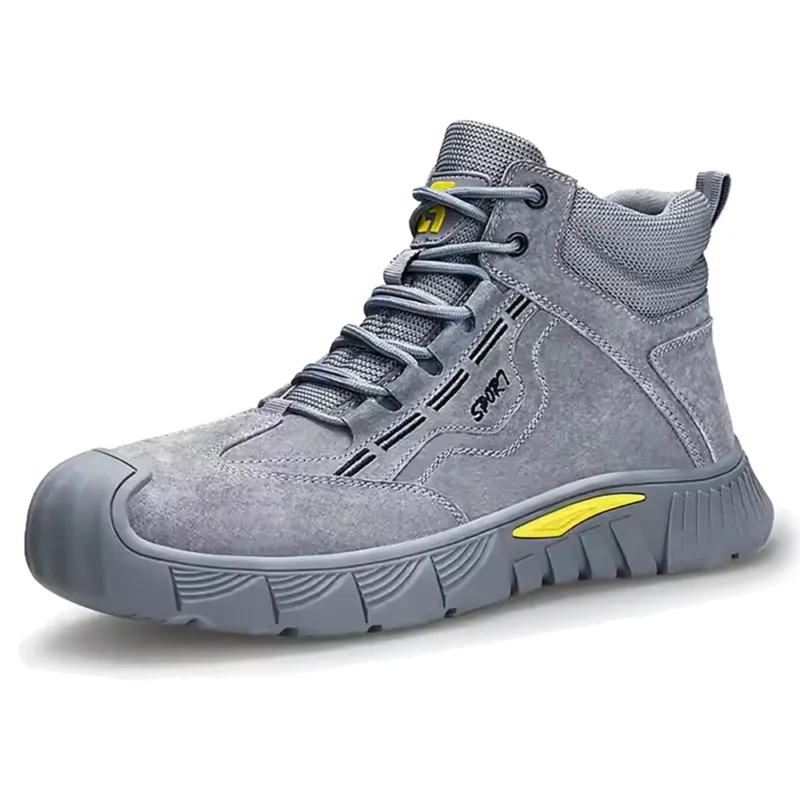
When your workday involves heavy machinery, falling objects, and unforgiving terrain, the Birks Defender Kevlar Steel Toe Safety Work Boots stand ready to protect you through it all. These boots deliver the exceptional durability, reliable protection, and all-day comfort you need to tackle any challenge and get the job done right, every single time.
Heavy-duty boots made from leather or synthetic materials limit airflow. The lack of ventilation prevents moisture from escaping. Steel-toed boots and insulated models intensify this problem because they add extra layers that block air circulation.
Work environments compound the issue. Construction sites, factories, and outdoor labor expose boots to dirt, chemicals, and organic matter. These substances mix with sweat and accelerate bacterial growth.
Immediate Actions After Each Workday
Remove your boots as soon as you get home. Take out the insoles and laces immediately. This allows air to reach all interior surfaces.
Open the tongue fully. Pull it forward to expose the maximum amount of interior space. Place the boots in a well-ventilated area, not in a closed closet.
Stuff boots with newspaper. Crumpled newspaper absorbs moisture effectively. Replace the paper after two hours if it feels damp. Continue this process until the paper stays dry.
Point a fan at your boots overnight. Direct airflow speeds up the drying process and prevents bacteria from multiplying in damp conditions.
Deep Cleaning Methods for Smelly Boots
Baking Soda Treatment
Baking soda (sodium bicarbonate) neutralizes odors at a molecular level rather than masking them. This compound has a pH of 9, which creates an alkaline environment hostile to odor-causing bacteria.
Sprinkle three tablespoons of baking soda inside each boot. Shake the boots to distribute the powder evenly across all interior surfaces. Leave the baking soda inside for 24 hours minimum. Longer exposure produces better results.
Remove the baking soda by turning boots upside down and shaking vigorously. Use a vacuum cleaner with a hose attachment to extract remaining powder. Wipe the interior with a dry cloth to remove any residue.
White Vinegar Solution
White vinegar contains acetic acid at 5-7% concentration. This acid kills bacteria and breaks down odor molecules effectively.
Mix equal parts white vinegar and water in a spray bottle. Spray the solution liberally inside both boots. Focus on the toe box and heel area where bacteria concentrate most heavily.
Let the boots air dry completely in a ventilated space. The vinegar smell dissipates as the solution dries, taking boot odors with it. Repeat this process weekly for boots with persistent smell problems.
Freezing Method
Extreme cold kills bacteria by rupturing their cell walls. Temperatures below 0°F halt bacterial reproduction completely.
Place each boot in a large plastic bag. Seal the bags to prevent freezer odors from contaminating the boots. Put the bagged boots in your freezer for 48 hours.
Remove boots from the freezer and let them return to room temperature naturally. Wipe away any condensation that forms on the surface. This method works best for boots that cannot withstand wet cleaning methods.
Washing Machine Cleaning (When Applicable)
Some work boots can survive machine washing. Check the manufacturer’s care label before attempting this method. Boots with leather components typically should not go in the washing machine. Synthetic boots and canvas work shoes often tolerate machine washing well.
Remove laces and insoles before washing. Place boots in a mesh laundry bag or pillowcase. Add two towels to the load to cushion the boots during the spin cycle.
Use cold water on a gentle cycle. Add half the normal amount of detergent. Excess soap leaves residue that attracts dirt and creates new odor problems.
Air dry boots completely. Never use a clothes dryer because high heat damages boot materials and causes shrinkage. Stuffing boots with newspaper speeds up the drying process significantly.
Specialized Odor Elimination Products
Activated Charcoal Inserts
Activated charcoal has a porous structure with millions of tiny pockets. These pockets trap odor molecules through a process called adsorption. One gram of activated charcoal has a surface area exceeding 500 square meters.
Purchase charcoal pouches designed specifically for footwear. Place one pouch in each boot after every use. These pouches remain effective for up to two years if you recharge them monthly by placing them in direct sunlight for two hours.
Enzyme-Based Sprays
Enzyme sprays contain proteins that break down organic matter causing odors. These products target the root cause rather than covering up smells with fragrances.
Spray the interior of boots thoroughly until slightly damp. Enzymes need moisture to work effectively. Allow 15 minutes of contact time before wiping away excess liquid. Use enzyme sprays once per week for maintenance.
Cedar Shoe Trees
Cedar wood contains natural oils with antifungal and antibacterial properties. Cedar trees absorb moisture while releasing a pleasant aroma.
Insert cedar shoe trees immediately after removing boots. The trees help boots maintain their shape while fighting odors simultaneously. Replace cedar trees every three years as the natural oils diminish over time.
Insole Replacement and Maintenance
Insoles absorb the majority of foot moisture. They become breeding grounds for bacteria faster than any other boot component.
Remove insoles daily and let them air out separately from boots. Wash insoles weekly in warm soapy water. Scrub both sides with a soft brush to remove embedded bacteria and dead skin cells.
Replace insoles every three to six months depending on use intensity. New insoles restore cushioning and eliminate persistent odor sources. Choose insoles with antimicrobial treatment for extended odor control.
Copper-infused insoles offer superior odor prevention. Copper ions disrupt bacterial cell membranes, preventing reproduction. These insoles cost more initially but last longer and perform better than standard options.
Preventive Measures to Stop Odors Before They Start
Moisture-Wicking Socks
Standard cotton socks retain moisture against your skin. Merino wool and synthetic performance fabrics pull moisture away from feet and allow it to evaporate through the boot material.
Change socks during your workday if possible. Fresh socks at lunch reduce the total moisture accumulation inside boots. Always wear clean socks. Reusing socks introduces bacteria back into freshly cleaned boots.
Foot Powder Application
Antifungal foot powder creates a dry environment that inhibits bacterial growth. Apply powder to feet before putting on socks each morning.
Dust the inside of boots with powder as well. Focus on areas where your feet contact boot surfaces most directly. Reapply powder after washing boots to maintain protection.
Rotating Boot Pairs
Wearing the same boots daily prevents complete drying between uses. Bacteria thrive in perpetually damp conditions.
Own at least two pairs of work boots. Alternate pairs every other day. This rotation allows each pair 48 hours to dry thoroughly. Boots last longer and smell better with this approach.
When your workday involves heavy machinery, falling objects, and unforgiving terrain, the Birks Defender Kevlar Steel Toe Safety Work Boots stand ready to protect you through it all. These boots deliver the exceptional durability, reliable protection, and all-day comfort you need to tackle any challenge and get the job done right, every single time.
Professional Solutions for Severe Cases
Ozone Treatment
Commercial boot dryers with ozone generation capability destroy odor molecules through oxidation. Ozone (O₃) breaks down into regular oxygen after treating the boots, leaving no chemical residue.
These devices cost between $100-300 but provide industrial-strength odor elimination. Treatment cycles last 30-60 minutes. Professional cleaning services also offer ozone treatment for footwear.
UV Light Sanitizers
Ultraviolet light kills bacteria and fungi by damaging their DNA. Boot-specific UV sanitizers fit inside footwear and run on timed cycles.
Most units require 6-8 hours per treatment. UV sanitizers work best as preventive maintenance rather than emergency solutions. Use them twice weekly to maintain odor-free boots.
Comparison of Deodorizing Methods
| Method | Cost | Effectiveness | Time Required | Best For |
|---|---|---|---|---|
| Baking Soda | $3 | High | 24 hours | Daily maintenance |
| White Vinegar | $4 | High | 12 hours | Bacterial odors |
| Freezing | Free | Medium | 48 hours | Non-washable boots |
| Machine Washing | $2 | Very High | 4 hours | Synthetic boots |
| Activated Charcoal | $15 | High | Ongoing | Moisture control |
| Enzyme Spray | $12 | Very High | 15 minutes | Organic odors |
| Cedar Trees | $25 | Medium | Ongoing | Shape maintenance |
| UV Sanitizer | $80 | Very High | 8 hours | Professional prevention |
Natural Alternatives and Household Solutions
Tea Bags
Used tea bags contain tannins that fight bacteria naturally. Black tea works most effectively due to higher tannin concentration.
Place two used tea bags in each boot overnight. The tea absorbs odors while releasing a mild, pleasant scent. Replace tea bags weekly.
Essential Oil Sachets
Create small cloth bags filled with dried lavender, eucalyptus, or tea tree leaves. These plants have natural antimicrobial properties.
Drop one sachet in each boot between uses. Essential oils evaporate slowly and provide continuous odor prevention. Refresh sachets monthly by adding two drops of the corresponding essential oil.
Rubbing Alcohol Spray
Isopropyl alcohol at 70% concentration kills bacteria on contact. Mix three parts rubbing alcohol with one part water in a spray bottle.
Mist the boot interior lightly. Alcohol evaporates quickly and requires no rinsing. Use this method once weekly as part of regular maintenance.
Special Considerations for Different Boot Materials
Leather Boots
Leather requires special care to prevent cracking and damage. Never soak leather boots in water or cleaning solutions.
Use saddle soap specifically formulated for leather. Apply with a damp cloth in circular motions. Remove soap residue with a clean, slightly damp cloth. Condition leather after cleaning with mink oil or leather conditioner to restore moisture and flexibility.
Rubber and Waterproof Boots
Rubber boots tolerate aggressive cleaning methods. Scrub the interior with hot water and dish soap using a stiff brush.
Rinse thoroughly and dry upside down. Rubber material dries faster than leather or fabric. Spray the interior with disinfectant after cleaning for maximum odor elimination.
Composite Toe and Safety Boots
Safety boots contain materials that cannot withstand high heat or harsh chemicals. Check manufacturer guidelines before using any cleaning method.
Stick to gentle solutions like baking soda and vinegar. Remove safety components if possible before cleaning. Focus cleaning efforts on fabric and foam areas where odors concentrate.
Long-Term Boot Care for Odor Prevention
Establish a cleaning schedule. Daily airing prevents most odor problems. Weekly deep cleaning maintains freshness. Monthly treatments with specialized products provide insurance against stubborn smells.
Monitor your foot health. Excessive foot odor sometimes indicates athlete’s foot or other fungal infections. Address medical issues to eliminate odor at the source. Use antifungal creams if you notice itching, redness, or peeling skin.
Store boots properly during off-seasons. Clean boots thoroughly before storage. Place them in a cool, dry location with good air circulation. Insert cedar trees or charcoal pouches during storage to prevent musty smells from developing.
Inspect boots regularly for damage. Torn linings and damaged waterproofing allow more moisture penetration. Repair or replace damaged boots promptly. Well-maintained boots resist odor development better than neglected footwear.
Your work boots protect your feet during demanding labor. They deserve proper care and maintenance. Follow these deodorizing methods consistently. Your boots will remain fresh, comfortable, and ready for each workday.
When your workday involves heavy machinery, falling objects, and unforgiving terrain, the Birks Defender Kevlar Steel Toe Safety Work Boots stand ready to protect you through it all. These boots deliver the exceptional durability, reliable protection, and all-day comfort you need to tackle any challenge and get the job done right, every single time.
