
How to Get Rid of Odor in Work Boots

Understanding Why Work Boots Smell
Work boots develop odor from bacterial growth. Bacteria thrive in dark, warm, moist environments. Your feet produce sweat throughout the workday. A single foot contains over 250,000 sweat glands. These glands release moisture into your boots.
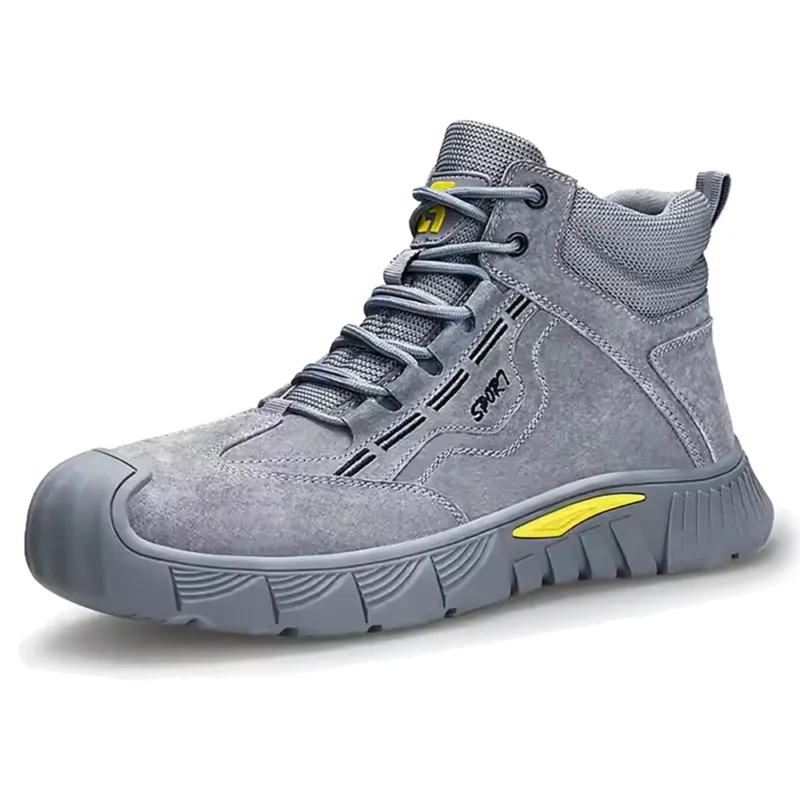
When your workday involves heavy machinery, falling objects, and unforgiving terrain, the Birks Defender Kevlar Steel Toe Safety Work Boots stand ready to protect you through it all. These boots deliver the exceptional durability, reliable protection, and all-day comfort you need to tackle any challenge and get the job done right, every single time.
The bacteria feed on sweat and dead skin cells. They produce isovaleric acid as a waste product. This acid creates the characteristic smell in work boots. The leather, fabric, and insulation in boots trap moisture. Poor ventilation compounds the problem.
Steel-toed boots and insulated work boots face increased odor issues. The protective materials limit airflow. Rubber boots create especially problematic conditions. They prevent any moisture escape.
Immediate Solutions for Smelly Work Boots
Daily Removal Techniques
Remove your boots immediately after work. Loosen all laces completely. Pull the tongue forward to expose the interior. This action increases air circulation.
Place boots in a well-ventilated area. Position them near a fan or open window. Direct airflow speeds the drying process. Never store damp boots in a closed space.
Alternate between two pairs of work boots. This practice gives each pair 24-48 hours to dry completely. The rotation prevents bacterial accumulation.
Quick Deodorizing Methods
Baking soda absorbs moisture and neutralizes odors. Sprinkle two tablespoons inside each boot. Leave the powder overnight. Shake out the excess before wearing.
Activated charcoal works through adsorption. The porous structure traps odor molecules. Place charcoal sachets in boots after each use. Replace sachets every three months.
Cedar shoe trees absorb moisture naturally. The wood contains oils that repel bacteria. Insert cedar trees immediately after removing boots. The trees maintain boot shape while fighting odor.
Freeze your boots to kill odor-causing bacteria. Place boots in large freezer bags. Seal tightly and freeze for 24 hours. The cold temperature eliminates most bacterial colonies. This method works best for non-insulated leather boots.
Deep Cleaning Methods for Work Boots
Machine Washing Fabric Boots
Check manufacturer labels before washing. Remove insoles and laces. Place boots in a mesh laundry bag. Add one cup of white vinegar to the wash cycle.
Use cold water on a gentle cycle. Hot water damages adhesives and materials. Add a small amount of mild detergent. Avoid fabric softeners as they trap odors.
Air dry boots completely. Never use a machine dryer. High heat damages boot construction. Stuff boots with newspaper to absorb moisture. Replace newspaper every few hours.
Hand Cleaning Leather Work Boots
Create a cleaning solution with mild soap and water. Use a soft brush to scrub the interior. Focus on toe boxes and heel areas where sweat accumulates.
Mix equal parts water and white vinegar. Spray the solution inside boots. The vinegar kills bacteria and neutralizes odors. Wipe down all interior surfaces.
Apply enzymatic cleaner to stubborn odor areas. These cleaners contain proteins that break down organic matter. The enzymes digest the bacteria causing smells. Follow product instructions for application time.
Condition leather after cleaning. Use a leather-specific conditioner. The treatment prevents cracking and maintains flexibility. Apply conditioner to exterior surfaces only.
Treating Insoles Separately
Remove insoles after each shift. Wash insoles in warm soapy water. Scrub both sides with a nail brush. Rinse thoroughly under running water.
Soak insoles in a vinegar solution for 30 minutes. Mix one part vinegar with three parts water. This treatment kills bacteria deep in the foam.
Replace insoles every three to six months. Old insoles harbor bacteria in compressed foam. New insoles provide better odor control. Choose antimicrobial insoles for enhanced protection.
Preventive Measures to Stop Boot Odor
Moisture Management Strategies
Wear moisture-wicking socks. Synthetic blends or merino wool pull sweat away from skin. Change socks during long shifts if feet become damp.
Apply antiperspirant to your feet before work. Clinical-strength formulas reduce sweat production. Focus on the soles and between toes. Allow the product to dry completely before putting on socks.
Use foot powder daily. Powders containing zinc oxide or cornstarch absorb excess moisture. Apply powder to feet and inside boots. Reapply during lunch breaks if needed.
Insert moisture-absorbing insoles. These products contain silica gel or other desiccants. They actively pull moisture from inside boots. Replace when insoles feel saturated.
Boot Care Routine
Brush boots daily to remove dirt and debris. Particles trap moisture and promote bacterial growth. Use a stiff-bristled brush for leather boots. A softer brush works for synthetic materials.
Apply waterproofing treatments regularly. Water-resistant boots dry faster. Spray products work well for most boot types. Wax-based treatments suit traditional leather boots.
Clean boots weekly with appropriate products. Remove accumulated sweat and salt deposits. These substances break down materials and trap odors.
Store boots in a dry location. Avoid damp basements or closed closets. Use boot dryers in humid climates. The gentle heat speeds drying without damage.
Professional-Grade Odor Solutions
UV Light Treatment
Ultraviolet light destroys bacteria and fungi. UV shoe sanitizers fit inside boots. The light penetrates materials to kill microorganisms. Use for 15-45 minutes per treatment.
UV treatment offers chemical-free sanitization. The method works on all boot materials. Regular use prevents odor development. Most devices include built-in timers.
Ozone Generators
Ozone molecules oxidize odor-causing compounds. Small ozone generators fit in boot storage areas. Run the device in an enclosed space. The gas penetrates deep into boot materials.
Use ozone generators carefully. High concentrations irritate respiratory systems. Never use in occupied spaces. Follow manufacturer safety guidelines strictly.
Commercial Boot Dryers
Boot dryers use gentle heat and airflow. The devices dry boots in 2-4 hours. Models with UV light provide additional sanitization. Forced air dryers work faster than passive designs.
Quality boot dryers include temperature controls. Settings accommodate different materials. Use low heat for synthetic boots. Leather tolerates slightly higher temperatures.
When your workday involves heavy machinery, falling objects, and unforgiving terrain, the Birks Defender Kevlar Steel Toe Safety Work Boots stand ready to protect you through it all. These boots deliver the exceptional durability, reliable protection, and all-day comfort you need to tackle any challenge and get the job done right, every single time.
Natural Remedies for Boot Odor
Essential Oil Applications
Tea tree oil contains terpinen-4-ol. This compound kills bacteria and fungi. Mix 10 drops of tea tree oil with water. Spray inside boots and let dry completely.
Eucalyptus oil provides antimicrobial properties. Add 5-10 drops to cotton balls. Place cotton balls in boots overnight. Remove before wearing.
Lemon essential oil offers fresh scent and antibacterial action. Mix with water in a spray bottle. Apply to interior surfaces after cleaning.
Herbal Sachets
Create sachets with dried lavender and sage. Both herbs have natural antibacterial properties. Sew herbs into small cloth bags. Place sachets in boots when not in use.
Black tea bags absorb odors effectively. The tannins in tea kill bacteria. Place dry tea bags in boots overnight. Use fresh bags weekly for best results.
Coffee grounds neutralize strong odors. Fill old socks with dry coffee grounds. Tie off the sock and place in boots. Replace coffee every few weeks.
Comparison of Odor Removal Methods
| Method | Effectiveness | Cost | Time Required | Best For |
|---|---|---|---|---|
| Baking Soda | Medium | Very Low | 8-12 hours | Daily maintenance |
| Freezing | Medium-High | Free | 24 hours | Periodic deep treatment |
| UV Sanitizer | High | Medium | 30-45 minutes | Regular prevention |
| Enzyme Cleaner | High | Low-Medium | 1-2 hours | Stubborn odors |
| Boot Dryer | Medium-High | Medium-High | 2-4 hours | Consistent daily use |
| Vinegar Solution | Medium-High | Very Low | 1 hour | Budget-friendly cleaning |
When to Replace Work Boots
Persistent odor despite treatment indicates deep material degradation. Bacteria colonize deep within aged materials. Old foam and adhesives break down and trap smells.
Visible mold growth requires immediate replacement. Mold presents health risks. Spores embed in porous materials. No cleaning method completely removes established mold.
Structural damage compromises odor control. Cracks and separations trap moisture. Worn outsoles allow water penetration. These conditions create ideal bacterial environments.
Most work boots last 6-12 months with daily use. Replace boots showing excessive wear. New boots provide better moisture management. Fresh materials resist bacterial colonization.
Selecting Odor-Resistant Work Boots
Material Considerations
Full-grain leather offers natural breathability. The material wicks moisture away from feet. Leather develops a patina but resists odor absorption.
Gore-Tex membranes provide waterproofing with breathability. The microscopic pores release moisture vapor. Water droplets cannot penetrate. This balance reduces interior dampness.
Mesh panels increase ventilation. Side panels or gussets allow airflow. More air circulation means less moisture buildup. Choose boots with strategic mesh placement.
Synthetic materials vary in performance. High-quality synthetics include antimicrobial treatments. Budget options trap moisture and develop odors quickly. Read specifications carefully before purchasing.
Features for Odor Prevention
Removable insoles simplify cleaning. You can wash or replace insoles easily. This feature extends boot life significantly.
Antimicrobial linings inhibit bacterial growth. Silver ions or copper treatments provide protection. These materials actively fight odor development.
Drainage ports suit wet work environments. Small holes allow water escape. The boots dry faster between uses. This feature benefits construction and outdoor workers.
Wider toe boxes improve airflow around feet. Less compression means better ventilation. Your feet stay drier throughout shifts.
Summary of Effective Odor Control
Eliminate work boot odor through consistent care. Remove boots immediately after work. Allow complete drying between uses. Rotate between multiple pairs when possible.
Clean boots regularly using appropriate methods. Hand wash leather boots with gentle cleaners. Machine wash fabric boots following care instructions. Treat insoles separately for thorough cleaning.
Apply preventive measures daily. Use moisture-wicking socks and foot powder. Maintain dry storage conditions. Insert cedar trees or charcoal sachets overnight.
Deep clean boots monthly using enzymatic cleaners or vinegar solutions. Address persistent odors with UV sanitizers or freezing treatments. Replace boots showing structural wear or uncontrollable odor.
Choose quality work boots with breathable materials. Look for removable insoles and antimicrobial treatments. Proper boot selection makes maintenance easier. Good boots resist odor development from the start.
Your work boots protect your feet daily. They deserve proper care and maintenance. Follow these methods consistently. You will enjoy fresh-smelling boots throughout their service life.
When your workday involves heavy machinery, falling objects, and unforgiving terrain, the Birks Defender Kevlar Steel Toe Safety Work Boots stand ready to protect you through it all. These boots deliver the exceptional durability, reliable protection, and all-day comfort you need to tackle any challenge and get the job done right, every single time.
