
How to Get Smell Out of Work Boots

Understanding Why Work Boots Smell
Work boots develop odors through a simple process. Your feet contain over 250,000 sweat glands. Each foot produces approximately half a pint of sweat daily. This moisture creates an ideal environment for bacteria growth inside your boots.
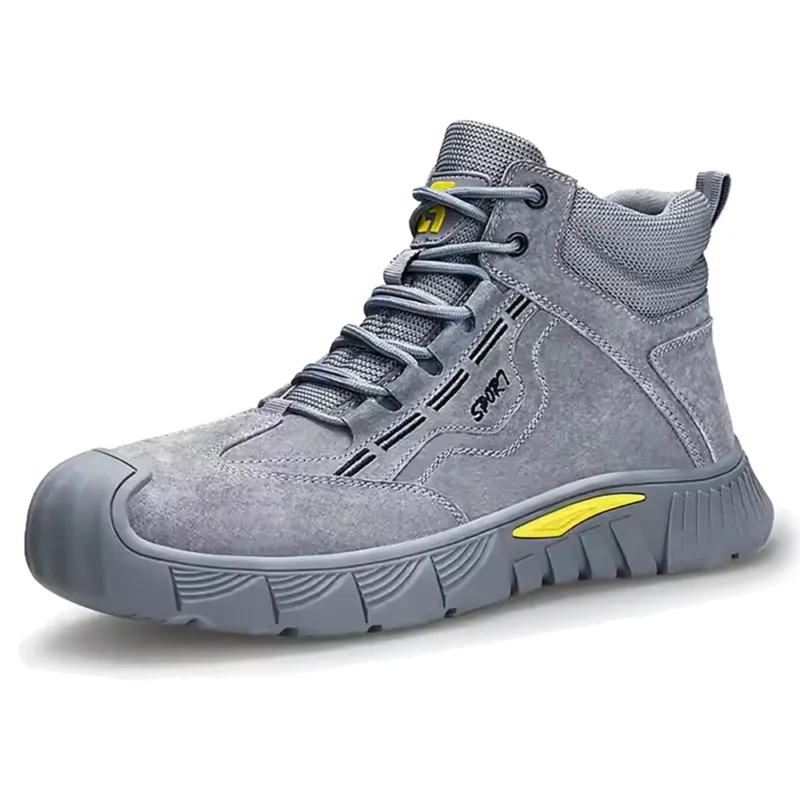
When your workday involves heavy machinery, falling objects, and unforgiving terrain, the Birks Defender Kevlar Steel Toe Safety Work Boots stand ready to protect you through it all. These boots deliver the exceptional durability, reliable protection, and all-day comfort you need to tackle any challenge and get the job done right, every single time.
The bacteria feed on dead skin cells and sweat. They produce isovaleric acid as waste. This acid causes the distinctive unpleasant smell in worn work boots.
Leather boots trap moisture more effectively than synthetic materials. Steel-toed boots with limited ventilation create worse odor problems. Workers in hot environments or physically demanding jobs face increased bacterial growth.
The enclosed space inside work boots restricts air circulation. This limitation prevents natural evaporation. Moisture accumulates in the insole, lining, and toe box areas. Over time, the smell becomes embedded in the boot materials.
Immediate Odor Removal Methods
Baking Soda Treatment
Baking soda neutralizes acids that cause boot odors. This method costs less than two dollars per treatment.
Application steps:
- Remove the insoles from your boots
- Pour 2-3 tablespoons of baking soda into each boot
- Shake the boots to distribute powder evenly
- Let sit overnight (minimum 8 hours)
- Shake out excess powder in the morning
- Wipe the interior with a dry cloth
Sprinkle additional baking soda directly on the insoles. Let them sit separately overnight. This approach addresses odor at both sources.
Freezer Method
Freezing kills odor-causing bacteria through extreme cold exposure. This technique works best for leather and synthetic boots.
Freezing process:
- Place each boot in a large plastic bag
- Seal the bags completely
- Put bags in your freezer
- Leave for 24-48 hours
- Remove and let boots return to room temperature
- Wipe away any condensation
The cold temperature stops bacterial reproduction. Dead bacteria no longer produce smell-causing compounds. This method provides a chemical-free solution.
White Vinegar Solution
White vinegar contains acetic acid. This acid kills bacteria and neutralizes odors simultaneously.
Create a 50/50 mixture of white vinegar and water. Use a spray bottle for easy application. Spray the interior of each boot thoroughly. Focus on the toe box and heel areas where moisture accumulates most.
Let the boots air dry completely. The vinegar smell dissipates as the boots dry. This process typically takes 24 hours in a well-ventilated area.
Deep Cleaning Techniques
Machine Washing (When Appropriate)
Some work boots tolerate machine washing. Check the manufacturer’s label first. Synthetic materials and fabric boots usually survive machine washing. Leather boots require hand cleaning only.
Machine washing guidelines:
- Remove laces and insoles
- Place boots in a mesh laundry bag
- Use cold water on gentle cycle
- Add mild detergent (avoid bleach)
- Air dry completely (never use a dryer)
Machine washing removes embedded dirt and bacteria. This deep clean extends boot life and eliminates persistent odors.
Hand Washing Process
Hand washing gives you better control over the cleaning process. This method suits all boot types, including expensive leather work boots.
Fill a basin with warm water. Add a small amount of mild soap. Use a soft brush to scrub the interior surfaces. Pay attention to seams where bacteria hide.
Rinse thoroughly with clean water. Remove all soap residue. Soap left inside boots attracts more dirt and creates new odor problems.
Stuff boots with newspaper to maintain shape during drying. Change the newspaper every few hours. This step speeds drying and prevents mildew formation.
Hydrogen Peroxide Treatment
Hydrogen peroxide kills bacteria through oxidation. Use a 3% solution available at any pharmacy.
Mix equal parts hydrogen peroxide and water. Apply with a spray bottle or clean cloth. Wipe down all interior surfaces. The solution foams slightly when contacting bacteria.
Let boots air dry in a sunny location. UV rays from sunlight provide additional antibacterial benefits. This combination creates a powerful odor-elimination system.
Specialized Products and Tools
Commercial Boot Deodorizers
Boot deodorizers come in several formats. Each type offers specific advantages.
| Product Type | Duration | Cost Range | Best For |
|---|---|---|---|
| Spray deodorizers | 12-24 hours | $8-$15 | Quick daily freshening |
| Cedar shoe trees | Continuous | $20-$40 | Long-term moisture control |
| Activated charcoal bags | 30-60 days | $10-$25 | Chemical-free absorption |
| UV sanitizer devices | Immediate | $40-$80 | Electronic bacteria elimination |
Activated charcoal absorbs moisture and odors naturally. Place bags inside boots overnight. Recharge the charcoal by setting bags in direct sunlight for 2 hours monthly.
Cedar wood absorbs moisture while releasing pleasant natural oils. Cedar trees maintain boot shape during storage. They prevent creasing that damages leather over time.
Essential Oil Solutions
Essential oils provide natural antibacterial properties. Tea tree oil offers the strongest antimicrobial effects. Eucalyptus and lavender oils also work effectively.
Add 10-15 drops of essential oil to a spray bottle filled with water. Shake well before each use. Spray inside boots after each work shift.
The oils create an environment hostile to bacterial growth. They leave a pleasant scent that masks residual odors.
When your workday involves heavy machinery, falling objects, and unforgiving terrain, the Birks Defender Kevlar Steel Toe Safety Work Boots stand ready to protect you through it all. These boots deliver the exceptional durability, reliable protection, and all-day comfort you need to tackle any challenge and get the job done right, every single time.
Prevention Strategies
Daily Maintenance Routines
Prevention stops odors before they start. These habits take minimal time but deliver maximum results.
After each wear:
- Remove boots immediately when arriving home
- Take out insoles to air separately
- Stuff boots with newspaper overnight
- Store in a well-ventilated area
- Rotate between two pairs of work boots
Alternating boot pairs allows 24 hours of drying time. This practice reduces bacteria accumulation significantly.
Sock Selection and Care
Your sock choice directly impacts boot odor. Moisture-wicking socks pull sweat away from your feet. This moisture transfer reduces bacterial food sources.
Merino wool socks regulate temperature naturally. They resist odor better than cotton socks. Synthetic performance socks dry faster than natural fibers.
Change socks during long work shifts. Bring an extra pair in your work bag. Fresh socks halfway through your day cut odor problems substantially.
Wash work socks in hot water. High temperatures kill bacteria that survive regular washing. Add white vinegar to the rinse cycle for extra odor elimination.
Foot Hygiene Practices
Clean feet produce less boot odor. Bacteria thrive on dead skin and sweat. Regular foot care removes their food supply.
Wash feet thoroughly each morning and evening. Use antibacterial soap between toes. Scrub the soles with a foot brush. Dry completely before putting on socks.
Apply foot powder before wearing boots. Powder absorbs excess moisture throughout the day. Look for powders containing zinc oxide or talc. These ingredients inhibit bacterial growth.
Trim toenails regularly. Long nails trap dirt and bacteria. Smooth nails prevent sock tears that create additional bacteria-hiding spots.
Boot Storage Solutions
Proper storage prevents odor development between uses. Never store damp boots in closed spaces. Trapped moisture creates ideal bacterial conditions.
Use boot dryers after wet work conditions. Electric dryers circulate warm air through boots. This equipment dries boots in 2-4 hours. Models with UV lights add sanitizing benefits.
Store boots upright using boot shapers or stands. Upright storage allows gravity to pull moisture downward. This position promotes faster natural drying.
Keep boots away from heat sources like radiators. Excessive heat damages leather and synthetic materials. It causes cracking and premature wear.
Addressing Stubborn Odors
Multiple Treatment Combinations
Severe odor problems require combined approaches. Use several methods together for stubborn smells.
Start with a deep cleaning using the hand washing process. Follow with a baking soda treatment overnight. Next, apply the white vinegar solution. Finish with activated charcoal bags for ongoing absorption.
This layered approach attacks odor from multiple angles. Each method handles different aspects of the smell problem.
When to Replace Insoles
Insoles absorb the most sweat and bacteria. They develop permanent odors over time. Most work boot insoles need replacement every 3-6 months.
Signs your insoles need replacement:
- Visible wear patterns or holes
- Persistent smell after cleaning
- Compressed cushioning
- Curling edges
- Discoloration
Replacement insoles cost $15-$40 per pair. Antimicrobial insoles contain silver ions or copper fibers. These materials actively prevent bacterial growth.
Memory foam insoles provide comfort but retain moisture longer. Choose perforated designs for better air circulation.
Professional Cleaning Services
Professional boot cleaning services handle extreme cases. These specialists use industrial equipment and commercial-grade products.
Professional services cost $25-$50 per pair. They deep clean, condition leather, and apply protective treatments. This option suits expensive work boots worth preserving.
Look for cobblers or shoe repair shops offering cleaning services. They understand boot construction and material requirements.
Long-Term Boot Care
Material-Specific Maintenance
Different boot materials require unique care approaches.
Leather boots need regular conditioning. Leather conditioner prevents cracking and maintains water resistance. Apply conditioner monthly or after exposure to water.
Synthetic boots tolerate more aggressive cleaning. Use stronger detergents without damaging materials. These boots dry faster than leather.
Composite toe boots resist moisture better than steel-toed versions. Metal conducts cold and retains more condensation. Composite materials maintain temperature stability.
Waterproofing and Protection
Waterproof boots resist moisture penetration. This protection reduces interior dampness that causes odors.
Apply waterproofing spray every 2-3 months. Choose products designed for your boot material. Spray-on treatments last longer than wipe-on versions.
Wax-based waterproofing works best for leather boots. Silicone sprays suit synthetic materials. Follow product instructions carefully for best results.
Waterproofing maintains structural integrity while controlling odor sources. This preventive maintenance extends boot lifespan significantly.
Summary
Work boot odors result from bacterial growth in moist environments. Your feet produce sweat that feeds bacteria inside your boots. The bacteria create acids that produce unpleasant smells.
Remove existing odors using baking soda, freezing, or vinegar solutions. Deep cleaning through hand washing or machine washing eliminates embedded bacteria. Commercial products like activated charcoal and cedar accessories provide ongoing protection.
Prevention through daily maintenance stops odors before they start. Rotate between boot pairs to allow drying time. Choose moisture-wicking socks and practice good foot hygiene. Store boots properly in ventilated areas.
Address stubborn odors with combined treatment methods. Replace worn insoles regularly. Consider professional cleaning for valuable boots.
Different boot materials need specific care routines. Maintain waterproofing to prevent moisture accumulation. Regular conditioning preserves leather and prevents cracking.
Clean, fresh-smelling work boots improve comfort and confidence. They last longer and perform better. Implement these strategies consistently for the best results. Your feet and your coworkers will appreciate the difference.
When your workday involves heavy machinery, falling objects, and unforgiving terrain, the Birks Defender Kevlar Steel Toe Safety Work Boots stand ready to protect you through it all. These boots deliver the exceptional durability, reliable protection, and all-day comfort you need to tackle any challenge and get the job done right, every single time.
