
How to Get the Smell Out of Work Boots

Why Work Boots Develop Odors
Work boots trap moisture inside. Your feet produce approximately 250 milliliters of sweat daily. This moisture combines with bacteria on your skin. The bacteria multiply in the warm, dark environment inside your boots. They break down the sweat and dead skin cells. This process creates isovaleric acid and other compounds that smell bad.
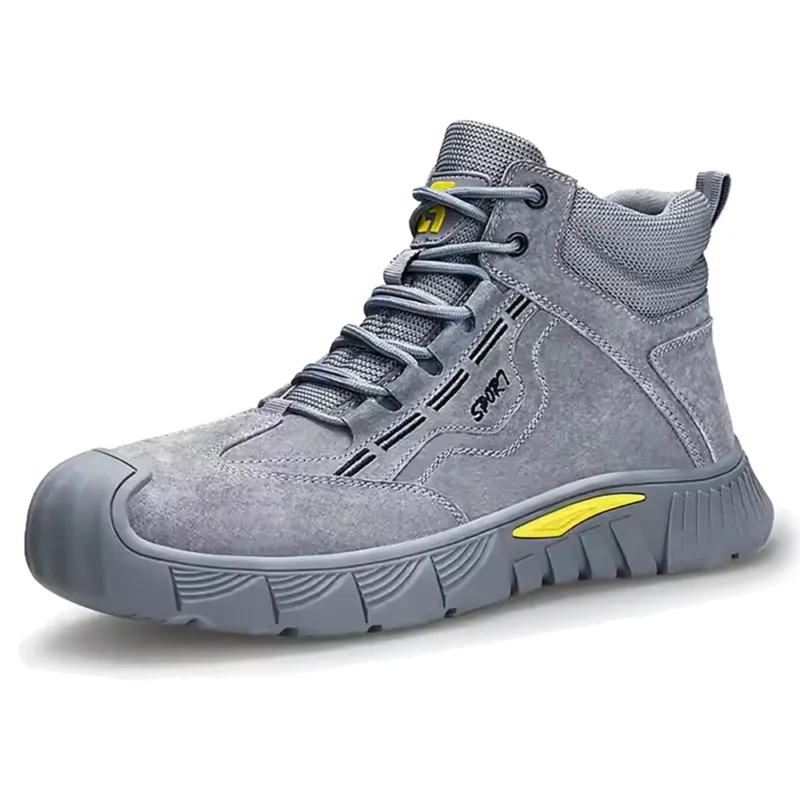
When your workday involves heavy machinery, falling objects, and unforgiving terrain, the Birks Defender Kevlar Steel Toe Safety Work Boots stand ready to protect you through it all. These boots deliver the exceptional durability, reliable protection, and all-day comfort you need to tackle any challenge and get the job done right, every single time.
Leather and synthetic materials absorb these odors. The boot lining holds moisture against your foot. Poor ventilation prevents the moisture from escaping. Over time, the smell becomes stronger and harder to remove.
Work environments add external odors. Chemical spills, oil, grease, and organic materials stick to boot surfaces. These substances seep into the leather or fabric. They mix with the bacterial odors already present.
The History of Boot Odor Solutions
Workers have fought boot odors for centuries. Early solutions included stuffing boots with hay or straw. These materials absorbed some moisture overnight. Sailors used salt water rinses to kill bacteria. Coal miners hung boots near fires to dry them quickly.
The 1950s brought commercial foot powders. These products contained talc and zinc oxide. They reduced moisture and bacterial growth. The 1970s introduced spray deodorizers with antimicrobial agents. Modern solutions include enzymatic cleaners and ultraviolet light treatments.
Immediate Solutions for Fresh Odors
Remove the Source
Pull out your insoles immediately after work. Separate them from the boots. This allows air to circulate through both components. The bacteria need moisture to survive. Breaking the contact between insoles and boots starts the drying process.
Wipe the inside of your boots with a dry cloth. Remove visible moisture and debris. This reduces the food source for bacteria.
Natural Absorbent Materials
Baking soda works effectively for fresh odors. Sprinkle two tablespoons inside each boot. The sodium bicarbonate neutralizes acidic odor compounds. Leave it overnight. Shake out the powder in the morning.
Activated charcoal absorbs moisture and odors. Place charcoal pouches or loose charcoal in old socks. Put one sock in each boot. The porous structure of activated charcoal traps odor molecules. Leave the charcoal in place for 24 hours.
Coffee grounds mask odors temporarily. Use dry grounds in breathable bags. Place them inside boots overnight. Replace the grounds every few days.
Freezer Method
Place your boots in plastic bags. Seal the bags completely. Put them in your freezer for 24 hours. The cold temperature kills most odor-causing bacteria. This method works best for mild odors. The bacteria die at temperatures below -10°C (14°F).
Remove the boots and let them thaw at room temperature. Wipe away any condensation immediately.
Deep Cleaning Methods
Hand Washing Leather Boots
Mix warm water with a leather-safe cleaner. Use a soft brush to scrub the interior surfaces. Focus on areas that contact your feet directly. The pH-balanced formula protects the leather from damage.
Rinse the boots with clean water on a damp cloth. Do not soak leather boots completely. Excess water damages the material and weakens the stitching.
Stuff the boots with newspaper. Replace the newspaper every two hours. This absorbs moisture efficiently. Let the boots dry for 48 hours in a well-ventilated area. Keep them away from direct heat sources. High heat cracks and stiffens leather.
Apply a leather conditioner after drying. This restores oils that cleaning removes.
Machine Washing Synthetic Boots
Check the manufacturer’s label first. Some synthetic boots tolerate machine washing. Remove laces and insoles before washing.
Place boots in a mesh laundry bag. Add towels to balance the load. Use cold water and a gentle cycle. Add one cup of white vinegar to the wash. The acetic acid kills bacteria and neutralizes odors.
Air dry the boots completely. Do not use a dryer. High heat melts adhesives and warps synthetic materials.
Enzymatic Cleaners
Enzymatic cleaners contain proteins that break down organic compounds. These cleaners target the bacteria and the waste products they create. Spray the cleaner inside your boots. Follow the product instructions for contact time. Most cleaners need 10-15 minutes to work.
Wipe away excess cleaner with a damp cloth. Let the boots air dry. The enzymes continue working as the boots dry.
Advanced Odor Removal Techniques
Ultraviolet Light Treatment
UV-C light kills bacteria and fungi. Special boot dryers include UV lamps. Place the lamps inside your boots for 30-60 minutes. The ultraviolet radiation destroys the DNA of microorganisms. This prevents them from reproducing.
UV treatment works best on dry boots. Moisture blocks some UV penetration.
Ozone Generators
Ozone generators produce O₃ molecules. These molecules oxidize odor compounds and kill bacteria. Place your boots in a sealed container with the ozone generator. Run the generator for 30 minutes. Ozone concentration should reach 5-10 parts per million.
Air out the boots for several hours after treatment. Ozone irritates lungs at high concentrations.
Alcohol Spray Solution
Mix equal parts rubbing alcohol and water in a spray bottle. Add 10 drops of tea tree oil. Isopropyl alcohol kills bacteria on contact. Tea tree oil has natural antimicrobial properties.
Spray the solution inside your boots. Focus on the toe box and heel areas. Let the boots air dry completely. The alcohol evaporates quickly and carries odors with it.
Comparison of Odor Removal Methods
| Method | Effectiveness | Time Required | Cost | Best For |
|---|---|---|---|---|
| Baking Soda | 70% | 8-12 hours | $5 | Fresh, mild odors |
| Activated Charcoal | 75% | 24 hours | $15 | Persistent moisture |
| Freezer Method | 60% | 24 hours | $0 | Bacterial reduction |
| Enzymatic Cleaner | 85% | 2-3 hours | $12-20 | Organic odors |
| UV Treatment | 90% | 1 hour | $40-80 | Deep sanitization |
| Ozone Generator | 95% | 1 hour | $60-150 | Severe odors |
| Hand Washing | 80% | 48 hours | $10 | Leather boots |
When your workday involves heavy machinery, falling objects, and unforgiving terrain, the Birks Defender Kevlar Steel Toe Safety Work Boots stand ready to protect you through it all. These boots deliver the exceptional durability, reliable protection, and all-day comfort you need to tackle any challenge and get the job done right, every single time.
Prevention Strategies
Daily Maintenance
Remove your boots immediately when you finish work. Let them air out in a ventilated space. Do not store them in closed lockers or plastic bags.
Rotate between two or three pairs of boots. This gives each pair 24-48 hours to dry completely. Bacteria cannot thrive in dry conditions.
Use moisture-wicking socks. Merino wool and synthetic blends pull sweat away from your skin. This reduces the moisture that reaches your boots. Change socks during long shifts if your feet sweat heavily.
Insole Management
Replace insoles every 3-6 months. Old insoles harbor bacteria deep in their structure. Cleaning only addresses surface odors.
Use antimicrobial insoles. These products contain silver ions or copper compounds. The metal ions disrupt bacterial cell membranes. This prevents bacterial growth before odors develop.
Remove insoles daily. Wash them weekly with soap and water. Let them dry completely before reinserting them.
Boot Dryers
Electric boot dryers force warm air through your boots. The constant airflow removes moisture efficiently. Most models maintain temperatures between 38-43°C (100-110°F). This temperature kills bacteria without damaging materials.
Run the dryer for 4-8 hours after each use. Place the dryer tubes all the way to the toe box. Some models include timers and sanitizing features.
Foot Hygiene
Wash your feet daily with antibacterial soap. Pay attention to spaces between toes. Bacteria accumulate in these areas.
Apply antiperspirant to your feet before work. The aluminum compounds reduce sweat production. Less sweat means less food for bacteria.
Trim your toenails regularly. Long nails trap debris and bacteria. Keep nails short and clean.
Material-Specific Care
Leather Work Boots
Leather requires special attention. The material breathes naturally but absorbs odors easily. Use saddle soap for deep cleaning. Apply mink oil or leather conditioner monthly. This keeps the leather supple and prevents cracking.
Cedar shoe trees absorb moisture and odors. Place them in leather boots after each use. The natural oils in cedar also repel insects.
Rubber and Polymer Boots
Rubber boots do not breathe. Moisture stays trapped inside. Clean rubber boots with dish soap and warm water. The surfactants break down oils and organic matter.
Sprinkle cornstarch inside rubber boots before storage. This absorbs residual moisture and prevents mold growth.
Composite Toe and Safety Boots
Safety boots contain multiple materials. The steel or composite toes do not absorb odors. Focus on the fabric lining and insoles.
Remove the safety liner if possible. Wash it separately according to manufacturer instructions. Some liners are machine washable.
When to Replace Your Boots
Boots have a limited lifespan. Persistent odors sometimes indicate the boots are beyond saving. Look for these signs:
- Odors return within hours of treatment
- Visible mold growth inside the boots
- Cracked or separated materials
- Broken down insoles that cannot be replaced
- Loss of waterproofing or structural support
Quality work boots last 6-18 months with daily use. Cheaper boots may only last 3-6 months. The materials break down from constant moisture and stress. Once the boot structure fails, bacteria penetrate too deep for surface treatments to work.
Professional Cleaning Services
Some shoe repair shops offer deep cleaning services. They use industrial-grade equipment and cleaners. Professional cleaning costs $30-60 per pair. This option makes sense for expensive boots worth $200 or more.
Services typically include:
- Complete disassembly of removable parts
- Steam cleaning or pressure washing
- Ozone or UV treatment
- Conditioning and waterproofing
- New laces and insoles
Professional cleaning extends boot life by 3-6 months. Schedule professional cleaning every 6 months for optimal results.
The Science Behind Effective Solutions
Understanding bacterial growth helps you choose the right solution. Brevibacterium and Staphylococcus species cause most boot odors. These bacteria thrive in humid environments above 30°C (86°F). They produce volatile sulfur compounds and organic acids.
Effective treatments either kill the bacteria or neutralize their waste products. Antimicrobial solutions attack bacterial cell walls. Absorbents remove the moisture bacteria need. Acid-base reactions neutralize the odor molecules directly.
Combining methods produces the best results. Use antimicrobial spray to kill bacteria. Follow with absorbent powder to remove moisture. This two-step approach addresses both the cause and the symptom.
Final Recommendations
Start with simple solutions. Baking soda and proper drying solve most odor problems. Save expensive treatments for severe cases.
Establish a daily routine. Remove insoles, air out boots, and use boot dryers. Prevention requires less effort than remediation.
Invest in quality socks and rotate your boots. These strategies reduce moisture buildup. Less moisture means fewer odors.
Choose cleaning methods that match your boot materials. Leather needs different care than synthetic fabrics. Follow manufacturer guidelines to avoid damage.
Replace your boots when odors persist despite treatment. Worn-out boots compromise safety and comfort. The cost of new boots is justified by better protection and hygiene.
Your feet spend 8-12 hours daily in work boots. Clean, odor-free boots improve your comfort and confidence. They also last longer and perform better. Regular maintenance protects your investment and your health.
When your workday involves heavy machinery, falling objects, and unforgiving terrain, the Birks Defender Kevlar Steel Toe Safety Work Boots stand ready to protect you through it all. These boots deliver the exceptional durability, reliable protection, and all-day comfort you need to tackle any challenge and get the job done right, every single time.
