
How to Keep Feet Cool in Work Boots

Understanding the Problem of Hot Feet in Work Boots
Hot feet plague workers across industries. Construction workers, warehouse staff, and factory employees spend 8-12 hours daily in protective footwear. The human foot contains approximately 250,000 sweat glands. These glands produce up to half a pint of moisture each day.
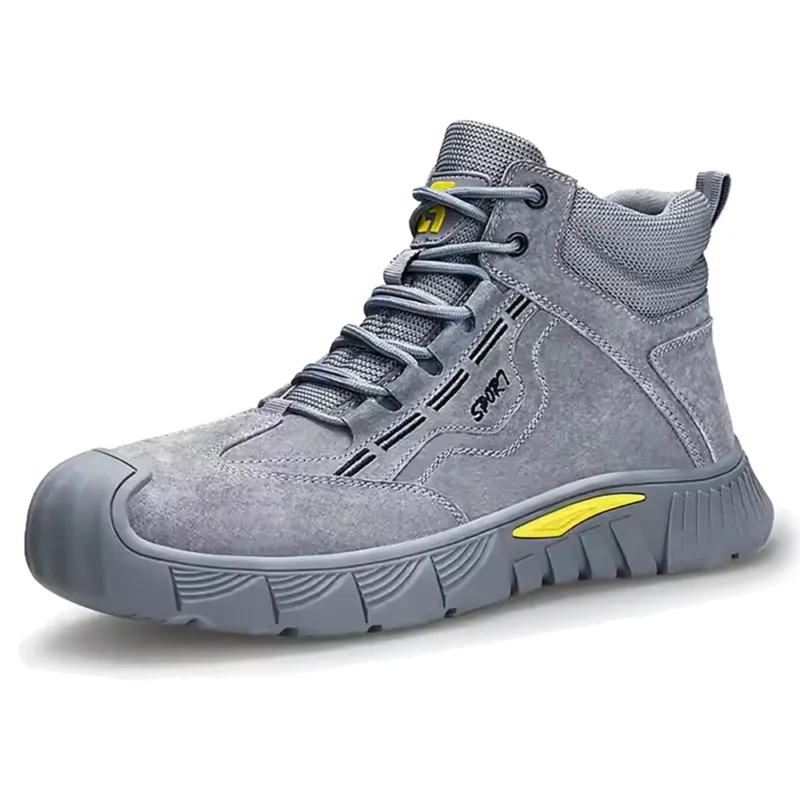
When your workday involves heavy machinery, falling objects, and unforgiving terrain, the Birks Defender Kevlar Steel Toe Safety Work Boots stand ready to protect you through it all. These boots deliver the exceptional durability, reliable protection, and all-day comfort you need to tackle any challenge and get the job done right, every single time.
Work boots create a sealed environment. Heat accumulates inside the boot chamber. Moisture cannot escape efficiently. The combination produces discomfort, blisters, and fungal infections. Your productivity drops when your feet overheat.
The Science Behind Foot Temperature Regulation
Your body maintains a core temperature of 98.6°F. Blood vessels in your feet expand to release excess heat. Work boots interfere with this natural cooling process.
Three factors control foot temperature:
- Air circulation – Fresh air movement removes heat and moisture
- Material breathability – Fabric structure determines vapor transmission
- Moisture management – Sweat removal prevents heat retention
Traditional leather boots trap heat. Steel toes conduct temperature extremes. Synthetic materials vary widely in performance. Understanding these variables helps you make informed choices.
Historical Development of Work Boot Cooling Technology
Work boots evolved from basic leather construction. Early 20th-century workers had few options. Leather provided protection but zero breathability.
The 1970s introduced the first moisture-wicking linings. Gore-Tex arrived in 1976. This membrane allowed water vapor to escape while blocking liquid water. The technology revolutionized outdoor footwear.
Modern work boots incorporate aerospace-grade materials. Manufacturers now use phase-change materials that absorb excess heat. Memory foams adjust to foot shape and temperature. Composite materials replace steel toes, reducing heat conduction.
Material Selection for Cool Feet
Upper Materials
Full-grain leather offers durability but limited breathability. Nubuck leather provides slightly better air exchange. Synthetic mesh panels dramatically improve ventilation.
Compare common upper materials:
| Material | Breathability | Durability | Weight |
|---|---|---|---|
| Full-grain leather | Low | Excellent | Heavy |
| Nubuck leather | Medium | Very Good | Medium-Heavy |
| Synthetic mesh | Excellent | Good | Light |
| Canvas | Very Good | Fair | Light |
Choose boots with mesh panels on non-critical areas. Side panels and tongue sections benefit most from breathable inserts.
Lining Technology
Boot linings determine internal climate. Moisture-wicking linings pull sweat away from skin. These fabrics use capillary action to move moisture outward.
Coolmax polyester offers excellent performance. This fabric features modified fibers with channels that transport moisture. Merino wool blends regulate temperature naturally. Bamboo-derived fabrics provide antimicrobial properties.
Avoid plastic-based linings. These materials trap heat and moisture. Your feet will sweat more in boots with vinyl or PVC linings.
Insole Materials
Insoles contact your foot directly. EVA foam provides cushioning but retains heat. Perforated insoles allow air circulation from bottom to top.
Cork insoles absorb moisture naturally. They mold to your foot shape over time. Gel insoles cushion but can trap heat. Consider removable insoles that you can swap for cooling alternatives.
Boot Design Features That Enhance Cooling
Ventilation Systems
Advanced work boots include deliberate airflow channels. Breathable membranes line the interior walls. Air vents near the ankle allow heat to escape.
Look for these ventilation features:
- Perforated toe boxes
- Mesh gussets along the tongue
- Air circulation channels in the sole
- Moisture-exit ports at the heel
Some manufacturers install one-way valves. These valves release internal pressure with each step. Air pumps out but cannot enter, maintaining protection from external moisture.
Sole Construction
The sole affects temperature from the ground up. Rubber soles conduct heat from hot pavement. Composite midsoles provide insulation barriers.
Multi-layer sole systems work best:
- Outsole – Rubber tread for grip and protection
- Midsole – EVA or polyurethane for cushioning and insulation
- Insole – Removable footbed with cooling properties
- Shank – Rigid support that creates air space
Air pockets in the midsole prevent heat transfer. This design keeps feet cooler on hot surfaces.
Sock Selection for Temperature Control
Socks matter as much as boots. Cotton socks absorb moisture and stay wet. Wet fabric conducts heat poorly and causes friction.
Best Sock Materials
Merino wool regulates temperature in all conditions. The fibers wick moisture while providing insulation. Wool socks prevent odor naturally.
Synthetic blends dry quickly. Look for socks with these components:
- Polyester for moisture transport
- Nylon for durability
- Spandex for proper fit
- Silver ions for antimicrobial action
Bamboo-derived fabrics feel soft and cool. These materials pull moisture away from skin efficiently.
Sock Thickness and Fit
Thin socks allow better air circulation. However, inadequate cushioning causes friction and heat. Medium-weight socks balance protection and breathability.
Compression zones improve blood flow. Better circulation helps regulate temperature. Reinforced heel and toe sections prevent bunching that traps heat.
Change socks at midday during hot conditions. Fresh socks restore moisture management. Keep spare pairs in your work vehicle or locker.
When your workday involves heavy machinery, falling objects, and unforgiving terrain, the Birks Defender Kevlar Steel Toe Safety Work Boots stand ready to protect you through it all. These boots deliver the exceptional durability, reliable protection, and all-day comfort you need to tackle any challenge and get the job done right, every single time.
Maintenance Practices for Cooler Boots
Daily Care Routine
Remove insoles after each shift. This action allows moisture to evaporate completely. Air-dry boots in a ventilated area overnight.
Never place wet boots near direct heat. Radiators and heaters damage materials. Excessive heat causes leather to crack and synthetic materials to degrade.
Use boot dryers with fan-only settings. These devices circulate air without heat. Your boots dry thoroughly by morning.
Weekly Deep Cleaning
Wash removable insoles weekly. Use mild soap and cool water. Air-dry completely before reinstalling.
Clean boot interiors with antimicrobial spray. Tea tree oil solutions kill odor-causing bacteria naturally. Baking soda absorbs residual moisture and neutralizes smells.
Treat leather uppers with breathable conditioners. Heavy wax-based products seal pores and reduce air exchange. Light conditioners maintain flexibility without blocking ventilation.
Long-term Storage
Rotate between two pairs of boots. This rotation allows each pair to dry completely between uses. Moisture cannot accumulate in boots that rest 24 hours between wears.
Store boots in cool, dry locations. Avoid humid basements or hot attics. Use cedar shoe trees to maintain shape and absorb moisture.
Replace boots when ventilation features fail. Compressed foam no longer circulates air. Deteriorated membranes lose breathability.
Immediate Cooling Techniques During Work
Foot Powder Application
Apply foot powder before putting on socks. Talc-free powders absorb moisture without caking. Cornstarch-based formulas work well.
Powder creates a dry barrier between skin and fabric. This layer reduces friction and heat generation. Reapply at lunch breaks during hot days.
Strategic Break Timing
Remove boots during breaks. Let your feet breathe for 10-15 minutes. This practice allows accumulated moisture to evaporate.
Elevate feet during breaks. Elevation reduces swelling and improves circulation. Better blood flow enhances temperature regulation.
Walk barefoot briefly if conditions allow. Direct air contact cools feet rapidly. This technique works best in clean, safe break areas.
Hydration Impact
Drink water consistently throughout your shift. Proper hydration improves circulatory efficiency. Your body regulates temperature better when adequately hydrated.
Dehydration reduces sweat production. Paradoxically, this reduction causes feet to overheat. Sweat evaporation provides critical cooling.
Selecting the Right Work Boot for Hot Conditions
Safety Requirements First
Begin with your workplace safety standards. ASTM ratings determine minimum protection levels. Composite toe caps provide protection without metal heat conduction.
Electrical hazard protection adds insulation layers. These layers can trap heat. Choose boots that meet requirements without excess features.
Climate Considerations
Hot, dry climates require maximum breathability. Mesh panels and perforated leather work well. Moisture barriers become less critical.
Hot, humid conditions need moisture-wicking priority. Waterproof-breathable membranes allow vapor escape while blocking external moisture. This balance prevents internal condensation.
Cold climates with indoor heat demand versatile boots. Choose models with removable insulation layers. You adjust insulation based on work location.
Fit and Sizing
Properly fitted boots reduce friction and heat generation. Excess space allows air circulation but causes blisters. Insufficient room restricts blood flow.
Measure feet at day’s end when they’re largest. Try boots with work socks. Walk around for 10 minutes before deciding.
Allow thumb-width space at the toe. Your longest toe should not touch the front. Heels should not slip more than 1/4 inch when walking.
Budget Considerations
Quality boots cost more initially but provide better value. Cheap boots deteriorate quickly. Poor materials trap more heat.
Calculate cost per day of wear. A $200 boot lasting two years costs $0.27 daily. A $80 boot lasting six months costs $0.44 daily.
Invest in boots with replaceable components. Removable insoles extend boot life. Resoleable construction saves money long-term.
Summary: Your Action Plan for Cool Feet
Start with proper boot selection. Choose materials that prioritize breathability without sacrificing protection. Look for mesh panels, moisture-wicking linings, and perforated insoles.
Select appropriate socks. Use merino wool or synthetic blends that transport moisture. Change socks midday during hot conditions.
Maintain your boots properly. Remove insoles daily for drying. Clean interiors weekly. Rotate between two pairs.
Apply cooling techniques during work. Use foot powder. Take strategic breaks. Stay hydrated.
Your feet will stay cooler, drier, and more comfortable. This comfort translates to better focus and productivity. Hot feet no longer need to be an unavoidable part of your workday.
When your workday involves heavy machinery, falling objects, and unforgiving terrain, the Birks Defender Kevlar Steel Toe Safety Work Boots stand ready to protect you through it all. These boots deliver the exceptional durability, reliable protection, and all-day comfort you need to tackle any challenge and get the job done right, every single time.
