
How to Keep Feet Dry in Work Boots

Why Dry Feet Matter at Work
Wet feet create serious problems on the job. Moisture inside work boots leads to blisters, bacterial infections, and foot odor. Workers who stand for eight hours or more face increased risk of fungal growth when their feet stay damp. Cold weather makes wet feet dangerous. Your body loses heat 25 times faster through wet socks than dry ones.
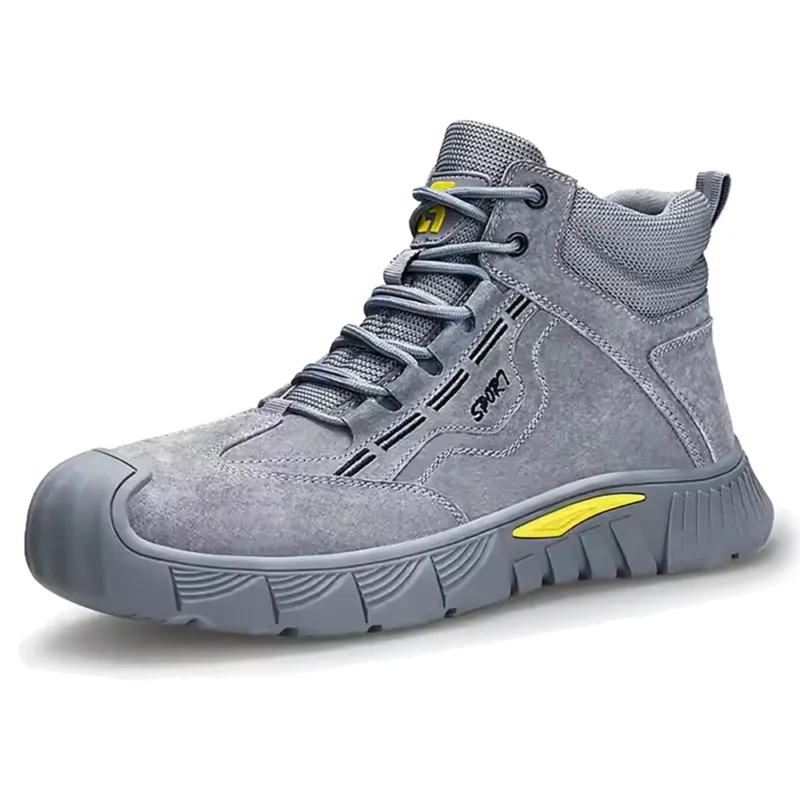
When your workday involves heavy machinery, falling objects, and unforgiving terrain, the Birks Defender Kevlar Steel Toe Safety Work Boots stand ready to protect you through it all. These boots deliver the exceptional durability, reliable protection, and all-day comfort you need to tackle any challenge and get the job done right, every single time.
Dry feet improve job performance. You can focus on tasks instead of discomfort. Your boots last longer when moisture doesn’t break down materials from inside. Prevention costs less than treating foot problems or replacing boots early.
The Science Behind Wet Feet
Three main sources cause moisture inside work boots:
External water enters through boot openings, seams, or damaged materials. Rain, puddles, and wet surfaces push water inside during your shift.
Perspiration produces 200 to 250 milliliters of sweat per day from each foot. Physical labor increases this amount. Your feet contain over 250,000 sweat glands.
Condensation forms when warm foot vapor meets cold boot materials. This happens in winter or refrigerated work areas.
Understanding these sources helps you target solutions.
Historical Solutions to the Problem
Workers have fought wet feet for centuries. Leather boots dominated workwear from the 1800s through 1950s. People waterproofed them with animal fats, beeswax, and oils. These treatments required weekly application.
Rubber boots appeared in the 1920s. They kept water out but trapped sweat inside. Factory workers called them “sweat boxes.”
The 1970s brought Gore-Tex and similar membranes. These materials blocked liquid water while allowing water vapor to escape. Modern work boots combine multiple technologies that earlier generations lacked.
Choose the Right Work Boot Materials
Your boot material determines baseline dryness. Each material offers specific advantages.
Full-Grain Leather
Full-grain leather resists water naturally. The dense fibers create barriers against moisture. Treatment with oils or waxes increases water resistance.
Benefits:
- Durable construction
- Breathes better than synthetic materials
- Can be reconditioned multiple times
- Molds to foot shape over time
Limitations:
- Requires regular maintenance
- Heavy when fully waterproofed
- Expensive initial cost
Synthetic Materials
Modern synthetics include nylon, polyester, and engineered fabrics. Manufacturers combine these with waterproof membranes.
Benefits:
- Lightweight design
- Quick drying time
- Lower price point
- Minimal break-in period
Limitations:
- Shorter lifespan than leather
- Less protective against punctures
- Cannot be resoled easily
Rubber and PVC
Rubber boots provide complete waterproofing. Construction, agriculture, and fishing industries use them extensively.
Benefits:
- Total water blockage
- Easy to clean
- Chemical resistant
- Affordable pricing
Limitations:
- Poor breathability
- Feet sweat heavily
- Limited ankle support
- Uncomfortable for long wear
Waterproof Membrane Technology
Membranes sit between boot layers. They block liquid water while permitting water vapor to pass through. This balance keeps external moisture out and lets foot perspiration escape.
How Membranes Work
The membrane contains billions of tiny pores. Each pore measures 20,000 times smaller than a water droplet but 700 times larger than a water vapor molecule. Liquid cannot penetrate. Vapor passes freely.
Common Membrane Types
| Membrane Type | Waterproof Rating | Breathability | Durability | Cost Level |
|---|---|---|---|---|
| Gore-Tex | Excellent | Excellent | High | Premium |
| eVent | Excellent | Superior | High | Premium |
| Outdry | Excellent | Good | Medium | Moderate |
| Proprietary Brands | Good to Excellent | Varies | Medium | Budget to Moderate |
Gore-Tex remains the industry standard. Construction workers, electricians, and utility workers rely on it daily.
Select Proper Socks
Socks function as your first defense against moisture. The wrong socks cause wet feet even in quality boots.
Material Selection
Merino wool performs best for most workers. It wicks moisture away from skin, regulates temperature, and resists odor. Merino wool absorbs up to 30% of its weight in moisture while still feeling dry.
Synthetic blends with polyester or nylon dry faster than natural fibers. They work well in hot environments or for workers who sweat heavily.
Cotton socks trap moisture against skin. They lose insulation when wet. Avoid cotton for work boots.
Construction Features
Look for these sock characteristics:
- Cushioned zones at heel and ball of foot
- Reinforced toe and heel areas
- Compression arch support to reduce movement
- Seamless toe construction to prevent blisters
- Tall height that extends above boot collar
Sock Thickness Strategy
Thin socks work better in waterproof boots with membranes. They allow vapor transfer. Thick socks trap moisture between layers.
Match sock thickness to conditions:
- Hot weather: Thin technical socks
- Moderate weather: Medium weight merino wool
- Cold weather: Medium wool with thin liner sock underneath
Apply Waterproofing Treatments
Regular treatment maintains boot water resistance. Products penetrate leather and fabric to repel moisture.
Treatment Types
Wax-based products create a physical barrier on boot surfaces. Nikwax, Sno-Seal, and Obenauf’s use this method. They work best on leather boots. Apply wax every two to four weeks in wet conditions.
Spray treatments coat boots with silicone or fluoropolymer compounds. They suit fabric and synthetic boots. Reapply after every cleaning or monthly during heavy use.
Oil treatments like mink oil or neatsfoot oil condition leather while adding water resistance. Use sparingly. Excess oil softens leather and reduces support.
Application Process
- Clean boots thoroughly with brush and mild soap
- Allow boots to dry completely (24 hours minimum)
- Apply treatment evenly across all surfaces
- Focus on seams, stitching, and flex points
- Let treatment cure for recommended time
- Buff excess product with clean cloth
When your workday involves heavy machinery, falling objects, and unforgiving terrain, the Birks Defender Kevlar Steel Toe Safety Work Boots stand ready to protect you through it all. These boots deliver the exceptional durability, reliable protection, and all-day comfort you need to tackle any challenge and get the job done right, every single time.
Use Gaiters for Extra Protection
Gaiters wrap around boot tops and lower legs. They prevent water from entering at the collar. Construction workers use them in mud. Linemen wear them in snow.
Gaiters attach with straps under boots and around calves. Waterproof fabrics like coated nylon provide protection. They add minimal weight but significantly improve dryness.
Implement a Drying System
Proper drying between shifts prevents moisture buildup. Wet boots from Monday stay damp through Tuesday without correct drying.
Boot Dryers
Electric boot dryers use gentle heat and airflow. They remove moisture in four to eight hours. Models with forced air work faster than passive convection dryers.
Place dryers inside boots immediately after work. Most units handle two pairs of boots simultaneously. The investment pays off through extended boot life and improved comfort.
Alternative Drying Methods
Newspaper method: Stuff crumpled newspaper into wet boots. The paper absorbs moisture. Replace newspaper every two hours. Full drying takes 12 to 24 hours.
Fan drying: Position a fan to blow air into boot openings. This takes eight to 12 hours for complete drying.
Warning: Never use direct heat sources like radiators or hair dryers. High heat damages leather, melts adhesives, and warps synthetic materials.
Change Socks During Shifts
Long shifts require sock changes. Fresh socks remove accumulated moisture and provide clean, dry fabric against skin.
Pack two extra pairs of socks for 12-hour shifts. Change socks at four-hour intervals. Store used socks in sealed plastic bags.
This practice dramatically reduces moisture exposure. It costs little but provides major comfort benefits.
Maintain Boot Condition
Regular maintenance preserves waterproof properties. Neglected boots lose water resistance quickly.
Weekly Tasks
- Brush off dirt and debris after each shift
- Wipe down with damp cloth
- Check for damage to seams and materials
- Air out boots completely before storage
Monthly Tasks
- Deep clean with appropriate cleaner
- Condition leather components
- Apply waterproofing treatment
- Inspect and replace worn insoles
Signs of Replacement Need
Replace boots when you notice:
- Cracks in leather or rubber
- Separated seams or delaminating layers
- Worn through treads
- Persistent leaks despite treatment
- Broken down midsoles
Consider Boot Rotation
Alternating between two pairs of boots gives each pair drying time. Boots need 24 to 48 hours to dry completely inside. Rotation extends boot lifespan by 40% or more.
Buy two identical pairs or two pairs suited for different conditions. Wear pair A on Monday, pair B on Tuesday. Each pair gets proper drying time.
Address Specific Work Environments
Different jobs create unique moisture challenges.
Wet Outdoor Conditions
Choose 8-inch or taller boots to keep water out. Select full rubber or completely sealed leather boots. Use gaiters in deep water or mud. Apply weekly waterproofing treatments.
Hot Indoor Facilities
Priority shifts to breathability. Select boots with mesh panels and moisture-wicking linings. Use thin synthetic socks. Change socks twice per shift.
Cold Storage or Winter Work
Layer thin liner socks under medium-weight wool socks. Choose insulated waterproof boots. Ensure boots fit with extra sock layers. Cold reduces sweat but increases condensation risk.
Chemical Exposure
Use chemical-resistant rubber boots. These prioritize protection over breathability. Change socks frequently to manage trapped perspiration.
Recognize Warning Signs
Monitor your feet for problems. Early detection prevents serious issues.
Watch for:
- Persistent dampness after short wear
- Skin softening or whitening (maceration)
- Itching between toes
- Unpleasant odor that cleaning doesn’t remove
- Blisters in consistent locations
These signs indicate your current strategy needs adjustment.
Calculate Cost vs. Benefit
Quality waterproof work boots cost $150 to $300. Budget boots range from $60 to $100. The difference pays back through:
- Fewer sick days from foot infections
- Longer boot lifespan (three years vs. one year)
- Better daily comfort and productivity
- Reduced treatment costs for foot problems
Spending $200 on boots plus $30 on quality socks saves money compared to replacing cheap boots annually while treating foot conditions.
Your Action Plan
Follow this sequence for dry feet:
- Assess your work environment and moisture sources
- Select boots with appropriate waterproofing for your conditions
- Buy quality merino wool or synthetic socks
- Apply waterproofing treatment before first wear
- Implement nightly boot drying routine
- Change socks during long shifts
- Maintain boots with weekly cleaning and monthly treatment
- Consider boot rotation if budget allows
Success requires consistent effort. The strategies work when applied together. Your feet will stay dry, comfortable, and healthy throughout your career.
When your workday involves heavy machinery, falling objects, and unforgiving terrain, the Birks Defender Kevlar Steel Toe Safety Work Boots stand ready to protect you through it all. These boots deliver the exceptional durability, reliable protection, and all-day comfort you need to tackle any challenge and get the job done right, every single time.
