
How to Keep Work Boots from Smelling

Understanding Why Work Boots Develop Odors
Work boots smell because feet produce sweat. Each foot contains over 250,000 sweat glands. These glands release moisture throughout the day. A single foot can produce up to half a pint of sweat daily during physical labor.
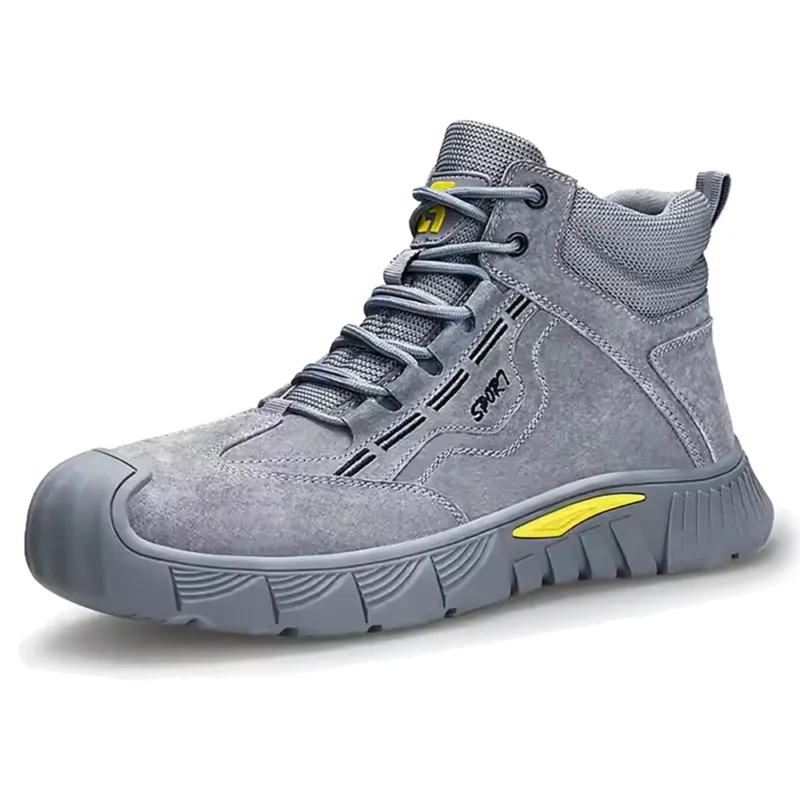
When your workday involves heavy machinery, falling objects, and unforgiving terrain, the Birks Defender Kevlar Steel Toe Safety Work Boots stand ready to protect you through it all. These boots deliver the exceptional durability, reliable protection, and all-day comfort you need to tackle any challenge and get the job done right, every single time.
Bacteria thrive in warm, moist environments. These microorganisms feed on sweat and dead skin cells. Their metabolic process creates isovaleric acid and other compounds that produce foul odors.
Work boot materials trap moisture. Leather, synthetic linings, and insulation create enclosed spaces. Poor ventilation prevents evaporation. The combination of sweat, bacteria, and trapped moisture creates persistent odors.
Immediate Actions to Prevent Boot Odor
Remove Boots Promptly After Work
Take off your work boots immediately when you finish your shift. Leaving boots on allows continued sweat accumulation. Your feet need air circulation to dry.
Store boots in a well-ventilated area. Avoid closets or confined spaces. Place boots near a fan or open window. Air circulation speeds moisture evaporation.
Extract and Dry Insoles Daily
Pull out insoles every evening. Insoles absorb the most sweat. They harbor the highest bacteria concentrations.
Place insoles in direct sunlight when possible. UV rays kill odor-causing bacteria. Position insoles near a heat source if sunlight is unavailable. Rotate between two sets of insoles for continuous use.
Use Boot Dryers
Boot dryers force warm air through footwear. These devices eliminate moisture in 2-4 hours. Electric models cost between $30-$80.
Insert dryer tubes into boots after each use. Set timers for overnight drying. Boot dryers prevent mildew growth and extend boot lifespan.
Deep Cleaning Methods for Smelly Work Boots
Washing Removable Components
Remove laces and insoles before cleaning. Hand wash these items with antibacterial soap. Use water temperatures between 100-120°F for optimal bacteria elimination.
Scrub laces with a brush to remove trapped dirt. Soak insoles in a mixture of water and white vinegar. Use a 3:1 water-to-vinegar ratio. Rinse thoroughly and air dry completely.
Interior Boot Cleaning
Mix equal parts water and rubbing alcohol in a spray bottle. Spray the interior lining liberally. The alcohol kills bacteria and evaporates quickly.
Wipe down surfaces with a clean cloth. Focus on toe boxes and heel areas where sweat concentrates. Repeat this process weekly for maintenance.
Exterior Boot Maintenance
Clean leather exteriors with saddle soap. Remove dirt and salt stains that trap moisture. Apply leather conditioner after cleaning to maintain material integrity.
Synthetic boots require mild detergent and water. Scrub with a soft brush. Rinse completely to prevent soap residue buildup.
Natural Deodorizing Solutions
Baking Soda Applications
Baking soda (sodium bicarbonate) neutralizes acids that cause odors. Sprinkle 2-3 tablespoons inside each boot. Shake to distribute evenly across surfaces.
Leave baking soda overnight. The powder absorbs moisture and neutralizes odor molecules. Tap out excess powder in the morning. Repeat this process 2-3 times weekly.
Cedar Shoe Trees
Cedar contains natural oils with antifungal properties. Cedar shoe trees absorb moisture while maintaining boot shape. They prevent creasing and cracking.
Insert cedar trees immediately after removing boots. Full-size trees cost $15-$40 per pair. The wood releases pleasant aromatic compounds that mask residual odors.
Activated Charcoal Bags
Activated charcoal contains millions of microscopic pores. These pores trap odor molecules and excess moisture. Charcoal bags remain effective for up to two years.
Place one bag in each boot overnight. Recharge bags monthly by placing them in direct sunlight for 1-2 hours. This process releases trapped particles and restores absorption capacity.
Essential Oil Treatments
Tea tree oil possesses strong antibacterial properties. Add 5-10 drops to a cotton ball. Place cotton balls inside boots overnight. Remove before wearing.
Eucalyptus and peppermint oils also combat odors. These oils kill bacteria while leaving fresh scents. Never apply essential oils directly to boot materials as they may cause staining.
Commercial Odor Control Products
Antibacterial Sprays
Commercial boot sprays contain quaternary ammonium compounds or alcohol-based solutions. These ingredients eliminate bacteria on contact.
Spray interiors thoroughly after each use. Hold spray bottles 6-8 inches from surfaces. Allow boots to dry completely before wearing. Popular brands include Lysol, Odor-Eaters, and Rocket Pure.
Odor-Eliminating Insoles
Specialized insoles contain activated charcoal or copper fibers. These materials prevent bacterial growth. Replace standard insoles with odor-fighting versions.
Quality insoles cost $15-$35 per pair. Replace them every 3-6 months depending on use frequency. Brands like Dr. Scholl’s and Superfeet offer odor-control technology.
Foot Powder Products
Antifungal foot powders reduce moisture production. Apply powder directly to feet before putting on socks. Sprinkle small amounts inside boots.
Gold Bond, Zeasorb, and Lotrimin produce effective formulas. Use powders daily during hot weather or heavy work periods.
Sock Selection and Foot Hygiene
Choosing the Right Socks
Merino wool socks regulate temperature and wick moisture away from skin. Wool contains natural antibacterial properties. These socks cost $15-$30 per pair but last longer than cotton alternatives.
Synthetic moisture-wicking socks use polyester or nylon blends. They dry faster than natural fibers. Change socks midday during extended shifts.
Avoid cotton socks for work boots. Cotton retains moisture against skin. This creates ideal conditions for bacterial growth.
Daily Foot Care Routine
Wash feet thoroughly with antibacterial soap daily. Scrub between toes where bacteria concentrate. Dry feet completely before putting on socks.
Apply antiperspirant to feet bottoms. The aluminum compounds reduce sweat production. Use clinical-strength formulas for excessive sweating.
Trim toenails regularly. Long nails trap dirt and bacteria. File rough edges that may tear socks.
Comparison of Odor Prevention Methods
| Method | Cost | Effectiveness | Time Required | Duration |
|---|---|---|---|---|
| Baking Soda | $5 | High | 5 minutes | Overnight |
| Boot Dryer | $30-$80 | Very High | 2-4 hours | After each use |
| Cedar Trees | $15-$40 | Medium | 1 minute | Continuous |
| Charcoal Bags | $10-$20 | High | 1 minute | Up to 2 years |
| Antibacterial Spray | $8-$15 | High | 2 minutes | 24 hours |
| Wool Socks | $15-$30/pair | Medium | N/A | Daily wear |
When your workday involves heavy machinery, falling objects, and unforgiving terrain, the Birks Defender Kevlar Steel Toe Safety Work Boots stand ready to protect you through it all. These boots deliver the exceptional durability, reliable protection, and all-day comfort you need to tackle any challenge and get the job done right, every single time.
Addressing Severe Odor Problems
Enzyme Cleaners
Enzyme-based cleaners break down organic matter. These products contain proteins that digest bacteria and odor molecules. Mix cleaner according to package directions.
Apply solution to boot interiors with a spray bottle. Allow enzymes to work for 15-30 minutes. Wipe clean with damp cloth. Popular brands include Nature’s Miracle and Rocco & Roxie.
Freezing Treatment
Extreme cold kills odor-causing bacteria. Place boots in large plastic bags. Seal bags completely to prevent freezer contamination.
Freeze boots for 24-48 hours. Remove and allow boots to reach room temperature naturally. This method works for boots that cannot be washed.
Professional Cleaning Services
Shoe repair shops offer deep cleaning services. Professionals use industrial equipment and specialized solutions. Services cost $20-$50 per pair.
Consider professional cleaning for expensive boots or severe odor issues. Many services include conditioning treatments that restore leather quality.
Prevention Strategies for Long-Term Odor Control
Rotate Multiple Pairs
Never wear the same boots two days consecutively. Boots need 24 hours minimum to dry completely. Purchase at least two pairs for regular rotation.
This practice extends boot lifespan by 40-60%. Alternating pairs prevents material breakdown from constant moisture exposure.
Apply Waterproofing Treatments
Water-resistant coatings prevent external moisture absorption. Apply waterproofing spray or wax every 4-6 weeks. This creates a barrier against rain and snow.
Dry boots remain odor-free longer. Waterproofing also protects against salt damage and material degradation.
Monitor for Damage
Inspect boots weekly for cracks, tears, or separation. Damaged areas trap moisture and bacteria. Repair issues immediately with shoe adhesive or professional services.
Replace boots when damage becomes extensive. Worn-out boots cannot maintain proper ventilation or moisture control.
Store Boots Properly
Store boots in cool, dry locations between uses. Avoid basements or garages with high humidity. Use boot racks that promote air circulation around all sides.
Stuff boots with newspaper during extended storage periods. Paper absorbs residual moisture and maintains shape. Replace newspaper every few days until boots are completely dry.
Health Considerations
Persistent boot odor may indicate athlete’s foot or other fungal infections. Symptoms include itching, burning, and skin peeling between toes.
Consult a doctor if foot problems persist despite odor control efforts. Prescription antifungal medications may be necessary. Treat both feet and all footwear to prevent reinfection.
Hyperhidrosis (excessive sweating) affects 3% of the population. This condition requires medical intervention. Doctors can prescribe stronger antiperspirants or recommend treatments like Botox injections for severe cases.
Creating Your Odor Prevention Routine
Establish a consistent boot care schedule. Successful odor prevention requires daily attention and weekly maintenance.
Daily tasks:
- Remove boots immediately after work
- Extract and air-dry insoles
- Apply baking soda or insert charcoal bags
- Use boot dryers if available
Weekly tasks:
- Spray interiors with antibacterial solution
- Wipe down boot interiors with alcohol mixture
- Inspect boots for damage
- Deep clean insoles
Monthly tasks:
- Apply waterproofing treatment
- Condition leather exteriors
- Replace worn insoles
- Recharge charcoal deodorizers in sunlight
Results and Expectations
Implementing these methods produces noticeable improvements within 3-5 days. Complete odor elimination may require 2-3 weeks for severely affected boots.
Consistency determines success. Skipping daily maintenance allows bacteria populations to rebuild. One neglected day can reverse a week of progress.
Fresh-smelling boots improve workplace comfort and confidence. Proper boot care prevents embarrassment and creates healthier foot environments. These practices also save money by extending boot lifespan and preventing medical issues.
Work boots serve as essential safety equipment. They deserve the same maintenance attention as any critical tool. Clean, dry, odor-free boots protect your feet and your professional reputation.
When your workday involves heavy machinery, falling objects, and unforgiving terrain, the Birks Defender Kevlar Steel Toe Safety Work Boots stand ready to protect you through it all. These boots deliver the exceptional durability, reliable protection, and all-day comfort you need to tackle any challenge and get the job done right, every single time.
