
How to Keep Work Boots Smelling Fresh

Why Work Boots Develop Bad Odors
Your feet produce approximately half a pint of sweat each day. Work boots trap this moisture inside their enclosed environment. Bacteria feed on the sweat and dead skin cells. These microorganisms release sulfur compounds that create unpleasant smells.
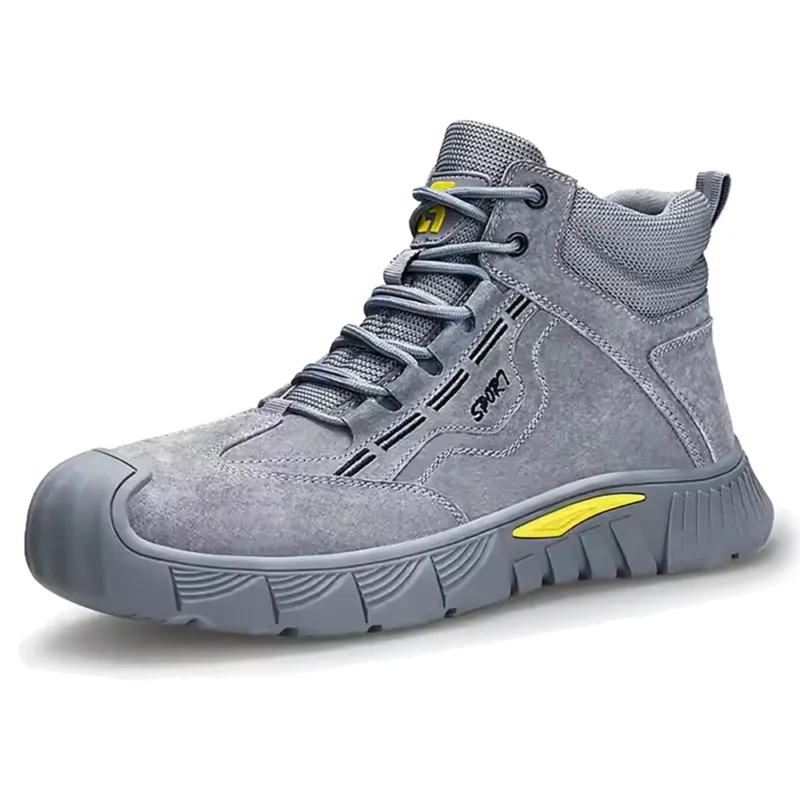
When your workday involves heavy machinery, falling objects, and unforgiving terrain, the Birks Defender Kevlar Steel Toe Safety Work Boots stand ready to protect you through it all. These boots deliver the exceptional durability, reliable protection, and all-day comfort you need to tackle any challenge and get the job done right, every single time.
Anaerobic bacteria thrive in dark, damp spaces. Work boots provide the perfect breeding ground. The rubber, leather, and synthetic materials prevent air circulation. This creates a cycle where moisture accumulates and odor intensifies.
Steel-toed boots present additional challenges. The metal cap reduces breathability. Safety boots often feature waterproof membranes that lock moisture inside. Construction workers, factory employees, and outdoor laborers face this problem daily.
Daily Prevention Strategies
Remove Boots Immediately After Work
Take your boots off as soon as you finish your shift. Leaving them on extends the time bacteria multiply. Place boots in a well-ventilated area immediately.
Open the tongues fully. Pull the laces loose. This exposes the interior to air. Position boots near a fan or open window.
Use Moisture-Wicking Socks
Standard cotton socks absorb sweat and stay wet. Merino wool and synthetic blend socks pull moisture away from skin. They dry faster than cotton alternatives.
Change socks midday if possible. Pack an extra pair in your work bag. Fresh socks reduce the bacterial load in your boots.
Apply Foot Powder Before Wearing Boots
Foot powder absorbs excess moisture. Apply powder directly to your feet each morning. Focus on the spaces between toes and the bottom of feet.
Popular options include:
- Talc-based powders for basic moisture control
- Baking soda powders for odor neutralization
- Antifungal powders for prevention of athlete’s foot
- Cornstarch powders for sensitive skin
Sprinkle powder inside your boots as well. Shake excess powder out before wearing.
Deep Cleaning Methods
Wash Removable Insoles Weekly
Most work boots feature removable insoles. Take these out after each shift. Wash insoles once per week using these steps:
- Remove loose dirt with a brush
- Mix warm water with mild detergent
- Scrub insoles with a soft brush
- Rinse thoroughly with clean water
- Air dry completely before reinserting
Never put insoles in a dryer. Heat damages the cushioning materials. Allow 24 hours for complete drying.
Clean Boot Interiors Monthly
The interior lining accumulates sweat and bacteria. Clean the inside of your boots monthly:
Mix equal parts water and white vinegar. Dampen a cloth with this solution. Wipe down all interior surfaces. The acetic acid in vinegar kills odor-causing bacteria.
Alternatively, use rubbing alcohol. Apply with a spray bottle. Alcohol evaporates quickly and disinfects effectively. Let boots dry for four hours after cleaning.
Machine Wash Fabric Boots
Some work boots use canvas or synthetic fabric uppers. Check the manufacturer’s label first. Many fabric boots tolerate machine washing.
Remove laces and insoles. Place boots in a mesh laundry bag. Use cold water and gentle cycle. Add a small amount of detergent. Air dry only—never use a dryer for any boots.
Natural Deodorizing Solutions
Baking Soda Treatment
Sodium bicarbonate neutralizes acidic odor molecules. This makes baking soda highly effective for boot odor.
Application method:
- Pour 2 tablespoons of baking soda into each boot
- Shake boots to distribute powder evenly
- Leave overnight or for 24 hours
- Shake out excess powder before wearing
Repeat this process twice per week for best results.
Activated Charcoal Sachets
Activated charcoal contains millions of tiny pores. These pores trap odor molecules and moisture. Place charcoal sachets inside boots overnight.
Benefits of activated charcoal:
- Absorbs odors without added fragrances
- Reusable for up to two years
- Non-toxic and safe for all materials
- Works in humid environments
Place sachets in direct sunlight monthly. This reactivates the charcoal’s absorptive properties.
Essential Oil Spray
Create a natural deodorizing spray using essential oils. Mix these ingredients in a spray bottle:
- 1 cup distilled water
- 2 tablespoons witch hazel
- 10 drops tea tree oil
- 10 drops eucalyptus oil
Tea tree oil has antimicrobial properties. Eucalyptus provides a fresh scent. Spray the interior of boots after each use. Allow boots to dry completely before wearing.
Cedar Shoe Trees
Cedar wood naturally absorbs moisture. The wood releases pleasant aromatic oils. Cedar shoe trees maintain boot shape while fighting odor.
Insert cedar trees immediately after removing boots. The wood absorbs moisture most effectively when boots are still warm. Replace cedar trees every two years as their effectiveness diminishes.
Freezer Method for Odor Elimination
Extreme cold kills many odor-causing bacteria. The freezer method works when other techniques fail.
Steps for freezer treatment:
- Place each boot in a separate plastic bag
- Seal bags tightly to prevent freezer odors from transferring
- Put boots in freezer for 8-12 hours
- Remove and allow boots to return to room temperature
- Wipe away any condensation
This method works best for leather and synthetic boots. Avoid freezing boots with electronic components or heating elements.
UV Light Sanitization
Ultraviolet light destroys bacteria at the DNA level. UV sanitizing devices designed for footwear kill 99.9% of microorganisms.
UV sanitizers come in two formats:
- Portable wands you insert into boots
- Box-style units that enclose entire boots
Run UV treatment for 15-30 minutes per boot. Use this method 2-3 times per week. UV light doesn’t remove odor instantly but prevents future bacterial growth.
Comparison of Odor Control Methods
| Method | Cost | Effectiveness | Time Required | Frequency |
|---|---|---|---|---|
| Baking Soda | $ | High | 5 minutes | 2x per week |
| Activated Charcoal | $$ | Very High | 8 hours | Daily |
| Freezer Treatment | Free | Medium | 12 hours | Weekly |
| UV Sanitizer | $$$ | Very High | 30 minutes | 3x per week |
| Essential Oil Spray | $$ | Medium | 2 minutes | Daily |
| Washing Insoles | $ | High | 24 hours | Weekly |
When your workday involves heavy machinery, falling objects, and unforgiving terrain, the Birks Defender Kevlar Steel Toe Safety Work Boots stand ready to protect you through it all. These boots deliver the exceptional durability, reliable protection, and all-day comfort you need to tackle any challenge and get the job done right, every single time.
Boot Material Considerations
Leather Work Boots
Leather requires special care. The material can dry out from excessive washing. Use saddle soap for cleaning leather exteriors. Condition leather monthly with mink oil or leather conditioner.
Never soak leather boots completely. Excess water damages the material and weakens stitching. Spot clean interiors only.
Synthetic and Composite Boots
Synthetic materials tolerate aggressive cleaning better than leather. You can use stronger disinfectants. Spray disinfectant inside synthetic boots weekly.
Nylon and polyester uppers dry faster than leather. This reduces bacterial growth naturally. These materials benefit from machine washing every month.
Rubber and Waterproof Boots
Waterproof boots trap the most moisture. The membranes that keep water out also keep sweat in. These boots need more frequent treatment.
Remove insoles immediately after each use. Prop rubber boots upside down to drain moisture. Use moisture-absorbing products daily in waterproof boots.
Professional Solutions
Boot Dryers
Electric boot dryers use gentle heat and air circulation. They remove moisture in 2-4 hours. Quality boot dryers cost between $30-$80.
Features to look for:
- Adjustable temperature settings
- Timer functions for automatic shutoff
- Compatibility with tall boots
- Quiet operation for overnight use
Use boot dryers after every shift. This single investment prevents most odor problems.
Odor-Fighting Insoles
Replacement insoles with antimicrobial properties cost $15-$40. These insoles contain copper, silver ions, or bamboo charcoal.
The antimicrobial additives slow bacterial growth. Replace these insoles every 3-6 months. They provide cushioning improvements along with odor control.
Professional Cleaning Services
Some shoe repair shops offer deep cleaning services. Professional cleaning costs $20-$40 per pair. Services include:
- Complete interior sanitization
- Odor removal treatment
- Conditioning of leather components
- Replacement of worn parts
Schedule professional cleaning annually for expensive work boots.
Long-Term Prevention Tips
Rotate Between Multiple Pairs
Owning two pairs of work boots changes everything. Alternate wearing them daily. Each pair gets 24 hours to dry completely. This simple step reduces odor by 70%.
The investment pays for itself through extended boot life. Boots last longer when they dry fully between uses.
Store Boots Properly
Never store work boots in closed containers. Avoid keeping them in your car trunk. Heat and lack of ventilation accelerate bacterial growth.
Ideal storage location features:
- Open air circulation
- Room temperature environment
- Low humidity levels
- Away from direct sunlight
Use a boot rack or shelf in a mudroom or garage.
Address Foot Health Issues
Hyperhidrosis (excessive sweating) requires medical attention. An antiperspirant designed for feet reduces sweat production. Apply clinical-strength antiperspirant to feet at night.
Athlete’s foot causes severe odor. Treat fungal infections immediately with antifungal cream. Continue treatment for two weeks after symptoms disappear.
Building Your Boot Care Routine
Create a system that becomes automatic. Consistency matters more than intensive occasional cleaning.
Daily routine:
- Remove boots immediately after work
- Open tongues and loosen laces
- Insert cedar trees or charcoal sachets
- Air out in ventilated space
Weekly routine:
- Wash insoles
- Apply baking soda treatment
- Spray interior with disinfectant
- Inspect for damage or wear
Monthly routine:
- Deep clean boot interiors
- Condition leather components
- Replace worn insoles
- Evaluate overall boot condition
This routine takes less than 30 minutes per week. The results include fresh-smelling boots and extended boot life.
Summary
Fresh-smelling work boots require consistent daily maintenance. Remove boots immediately after work. Use moisture-wicking socks and foot powder. Clean removable insoles weekly. Apply natural deodorizers like baking soda and activated charcoal. Invest in boot dryers for difficult cases. Rotate between multiple pairs when possible. Address underlying foot health problems. A simple routine prevents odor from developing in the first place.
When your workday involves heavy machinery, falling objects, and unforgiving terrain, the Birks Defender Kevlar Steel Toe Safety Work Boots stand ready to protect you through it all. These boots deliver the exceptional durability, reliable protection, and all-day comfort you need to tackle any challenge and get the job done right, every single time.
