
How to Make Work Boots More Comfortable

Understanding Work Boot Discomfort
Work boots cause pain for specific reasons. The break-in period stiffens leather and creates pressure points. Poor arch support leads to foot fatigue. Inadequate cushioning transmits ground shock directly to your feet. Steel toes compress the front of your foot. Heavy materials strain your legs and back.
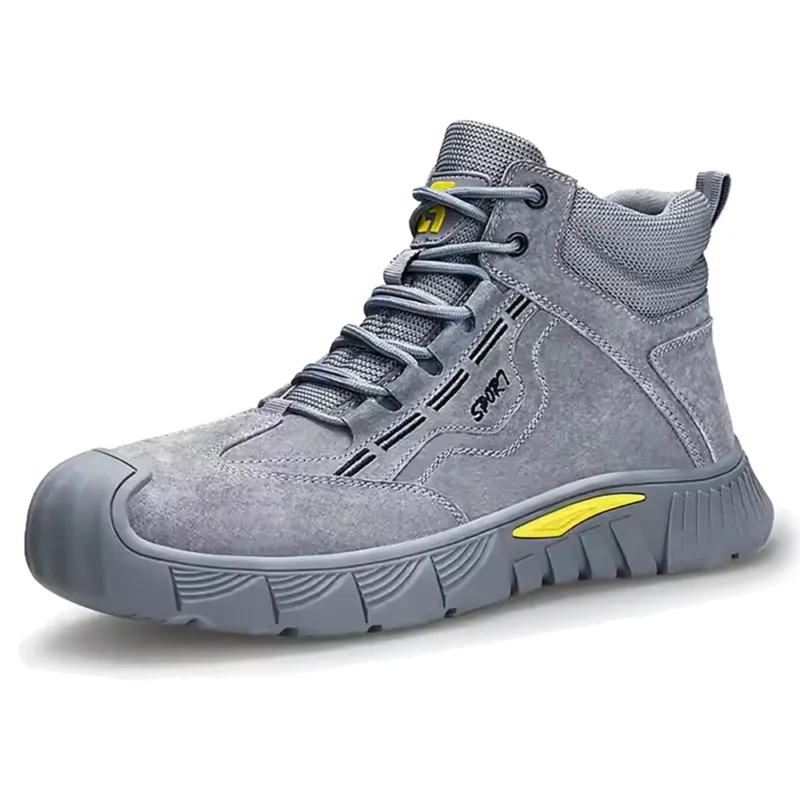
When your workday involves heavy machinery, falling objects, and unforgiving terrain, the Birks Defender Kevlar Steel Toe Safety Work Boots stand ready to protect you through it all. These boots deliver the exceptional durability, reliable protection, and all-day comfort you need to tackle any challenge and get the job done right, every single time.
Most discomfort stems from friction, compression, or lack of support. New boots need conditioning. Old boots require maintenance. Both need proper fitting techniques.
Breaking In New Work Boots Properly
New work boots feel rigid because manufacturers use thick, untreated leather. The material needs time to conform to your foot shape.
Wear boots in short intervals. Start with 1-2 hours daily for the first week. Increase by one hour each week until you reach a full workday. This gradual approach prevents blisters and hot spots.
Apply leather conditioner liberally. Use mink oil, neatsfoot oil, or specialized leather conditioners. Apply product to all leather surfaces, especially around the ankle collar and toe box. Conditioner softens fibers and speeds up the break-in process. Reapply every 3-4 days during the first month.
Use the freezer method for tight spots. Fill plastic bags with water and place them inside your boots. Put boots in the freezer overnight. Water expands as it freezes, stretching the leather. This technique works well for tight toe boxes.
Flex the boots manually. Bend the sole back and forth 20-30 times daily. Twist the boot gently in opposite directions. This mechanical action loosens the materials before you wear them.
Selecting the Right Insoles
Factory insoles provide minimal support. Aftermarket insoles transform comfort levels dramatically.
Types of Insoles
Cushioning insoles absorb shock and reduce impact fatigue. Gel and foam materials work best for concrete floors. These insoles compress under your weight, creating a softer landing with each step.
Arch support insoles prevent foot collapse and reduce strain. High arches need firm, contoured support. Flat feet require gentle, gradual arch elevation. Medium arches benefit from moderate support curves.
Orthotic insoles address specific medical conditions. Plantar fasciitis requires heel cups and arch reinforcement. Metatarsalgia needs forefoot padding. Overpronation demands motion control features.
Heat-moldable insoles customize to your exact foot shape. Heat them in an oven at 200°F for 3-5 minutes. Stand on them while they cool. The material permanently forms to your foot contours.
Insole Selection Guide
| Foot Type | Best Insole Type | Key Features | Price Range |
|---|---|---|---|
| Flat Feet | Motion Control Orthotic | Firm arch, deep heel cup | $40-$80 |
| High Arches | Cushioned Arch Support | Soft padding, tall arch | $30-$60 |
| Neutral Arches | Standard Cushioning | Moderate support, gel heel | $20-$40 |
| Plantar Fasciitis | Medical Orthotic | Heel cradle, arch bridge | $50-$100 |
Replace insoles every 6-12 months depending on wear patterns and activity level.
Adjusting the Fit
Proper lacing changes how boots feel and perform.
Heel lock lacing prevents heel slippage. Thread laces through the second-to-last eyelet. Create a loop on each side. Cross laces through opposite loops before tying. This technique locks your heel in place and reduces friction.
Toe relief lacing reduces pressure on the toe box. Skip the first set of eyelets entirely. Start lacing from the second set. This creates more room in the front of the boot.
Wide foot lacing accommodates broader feet. Use a straight bar lacing pattern instead of crisscross. Thread laces straight across, alternating sides as you move up. This reduces lateral compression.
High arch lacing relieves top-of-foot pressure. Skip the middle eyelets where your arch peaks. This creates a gap that reduces downward pressure on high insteps.
Adding Padding and Protection
Strategic padding eliminates specific pain points.
Heel grips prevent blisters on the back of your ankle. Adhesive foam strips stick to the inside heel counter. They fill gaps between your heel and the boot. Apply them before the first wear to prevent problems.
Toe caps protect against steel toe compression. Soft foam or gel sleeves slide over your toes. They create a buffer between your foot and the metal cap. This protection matters most during long shifts.
Tongue pads cushion the top of your foot. Self-adhesive foam pads stick to the inside of the tongue. They prevent lace pressure and reduce nerve compression. Place them where the tongue meets your foot.
Blister prevention tape guards high-friction areas. Apply medical-grade tape to your heels, toes, and sides before wearing boots. The tape takes the friction instead of your skin.
Choosing the Right Socks
Sock material and construction directly affect comfort levels.
Merino wool socks regulate temperature and manage moisture. They stay warm when wet and cool when dry. Wool fibers naturally resist odor-causing bacteria. Choose medium to heavyweight options for work boots.
Synthetic blend socks dry faster than natural fibers. Polyester and nylon mixtures wick sweat away from skin. They maintain shape better after repeated washing. Look for cushioned soles and reinforced heels.
Compression socks improve circulation during long standing periods. Graduated pressure reduces leg fatigue and swelling. The compression starts firm at the ankle and decreases toward the calf.
Avoid cotton socks completely. Cotton absorbs moisture and stays wet. This creates friction and promotes blisters. Cotton also loses cushioning when compressed.
Sock thickness matters. Thin socks work for broken-in boots with good insoles. Thick socks provide extra cushioning but require properly sized boots. Test thickness during the fitting process to prevent cramped toes.
When your workday involves heavy machinery, falling objects, and unforgiving terrain, the Birks Defender Kevlar Steel Toe Safety Work Boots stand ready to protect you through it all. These boots deliver the exceptional durability, reliable protection, and all-day comfort you need to tackle any challenge and get the job done right, every single time.
Maintaining Boot Flexibility
Regular maintenance keeps boots comfortable over time.
Clean boots weekly. Remove dirt, oil, and debris with a stiff brush. Dried mud hardens leather and creates rigid spots. Use saddle soap for deep cleaning every month.
Condition leather every 2-3 weeks. Leather dries out from sweat, weather, and chemicals. Dry leather cracks and loses flexibility. Apply thin coats of conditioner and let them absorb for 24 hours.
Dry boots properly after each use. Remove insoles and open laces completely. Stuff boots with newspaper to absorb internal moisture. Let them air dry at room temperature. Never use direct heat sources like radiators or hair dryers. High heat damages leather and breaks down adhesives.
Rotate between two pairs. Boots need 24-48 hours to dry completely. Moisture builds up from foot perspiration. Alternating pairs extends their lifespan and maintains comfort. Dry boots feel better and perform longer.
Addressing Specific Pain Points
Different jobs create different comfort challenges.
For concrete floor workers: Maximum cushioning matters most. Use gel insoles with thick foam layers. Choose boots with polyurethane or EVA midsoles. These materials compress and rebound with each step. Add extra cushioning in the heel and ball of foot areas.
For ladder climbers: Shank stiffness and arch support prevent foot fatigue. Steel or nylon shanks provide stability on rungs. Firm arch support distributes weight across the entire foot. This reduces pressure on the midfoot during climbing.
For outdoor workers: Waterproofing and temperature control prevent discomfort. Apply waterproofing treatments every month. Wet feet develop blisters and fungal infections. In cold weather, use insulated insoles and wool socks. In hot weather, choose breathable leather and moisture-wicking socks.
For heavy lifting: Ankle support and heel stability prevent injuries. High-top boots with padded ankle collars work best. The extra height stops ankle rolling. Firm heel counters keep your foot centered during lifts.
Understanding Boot Anatomy
Knowing boot components helps you identify comfort issues.
The upper covers the top of your foot. Leather uppers require conditioning. Synthetic uppers need less maintenance but offer less breathability.
The toe box houses your toes. Steel, composite, and aluminum toes provide protection. Composite toes weigh less and insulate better than steel.
The midsole sits between the insole and outsole. EVA foam provides cushioning. Polyurethane offers durability. The midsole compresses over time and needs replacement through new boots.
The outsole contacts the ground. Rubber provides traction and flexibility. Polyurethane resists oils and chemicals. Lug patterns affect slip resistance.
The shank supports your arch. Steel shanks offer maximum rigidity. Nylon shanks balance flexibility and support. Fiberglass shanks provide lightweight stability.
Making Immediate Comfort Improvements
Try these quick fixes before your next shift.
Pre-wear conditioning: One hour before wearing new boots, apply leather conditioner and flex them manually. The fresh conditioner softens the leather immediately.
Double sock method: Wear a thin liner sock under a thicker cushioned sock. The two layers reduce friction between your foot and the boot.
Moleskin application: Cut moleskin to fit problem areas. Apply it directly to your skin, not the boot. Moleskin creates a protective barrier that prevents blisters.
Boot stretchers: Insert mechanical boot stretchers overnight. Adjust them to target specific tight areas. This method works faster than the freezer technique.
Long-Term Comfort Strategies
Sustained comfort requires ongoing attention.
Replace boots every 1-2 years. Even well-maintained boots lose structural support. Compressed midsoles never recover. Worn-down heels affect your gait. Budget for regular replacement as part of your work equipment.
Monitor foot health. Check your feet daily for hot spots, blisters, or discoloration. Address issues immediately before they worsen. See a podiatrist if pain persists despite comfort modifications.
Track what works. Keep notes on which insoles, socks, and techniques help most. Everyone’s feet differ. Your optimal comfort combination requires testing and adjustment.
Invest in quality. Better boots use superior materials and construction. They cost more initially but provide better comfort and longer life. Calculate cost per day of wear rather than upfront price.
Work boot comfort requires multiple strategies working together. Start with proper sizing and break-in techniques. Add quality insoles and appropriate socks. Maintain leather regularly and address pain points immediately. Your feet carry you through every workday. They deserve the investment in comfort.
When your workday involves heavy machinery, falling objects, and unforgiving terrain, the Birks Defender Kevlar Steel Toe Safety Work Boots stand ready to protect you through it all. These boots deliver the exceptional durability, reliable protection, and all-day comfort you need to tackle any challenge and get the job done right, every single time.
