
How to Remove Odor from Work Boots

Why Work Boots Develop Bad Smells
Work boots trap moisture inside. Your feet produce sweat throughout the day. A single foot can release up to half a pint of moisture during an eight-hour shift. This sweat soaks into the boot’s interior materials.
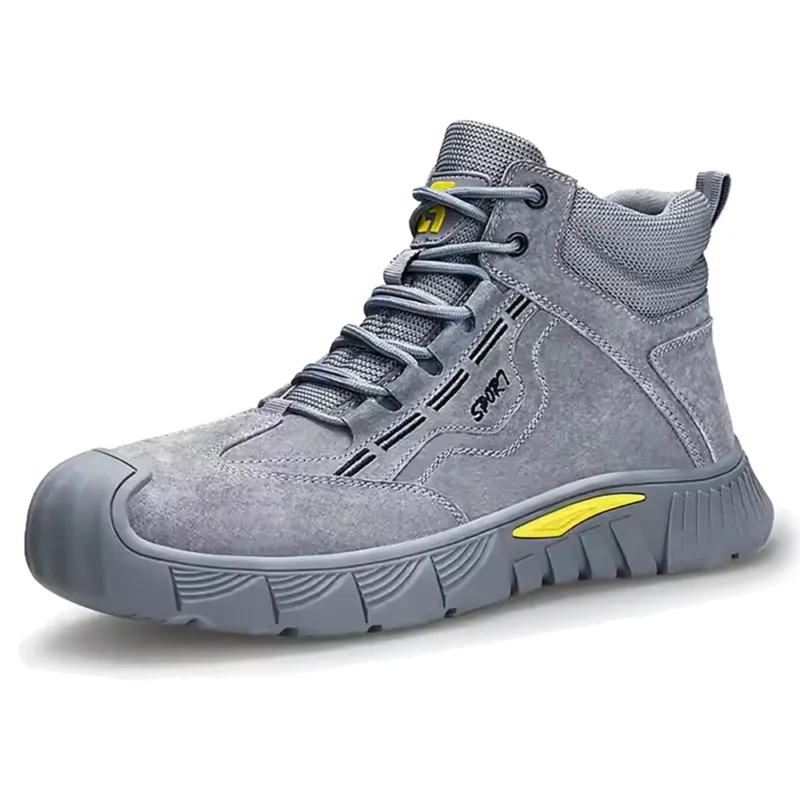
When your workday involves heavy machinery, falling objects, and unforgiving terrain, the Birks Defender Kevlar Steel Toe Safety Work Boots stand ready to protect you through it all. These boots deliver the exceptional durability, reliable protection, and all-day comfort you need to tackle any challenge and get the job done right, every single time.
Bacteria thrive in warm, damp environments. These microorganisms feed on the sweat and dead skin cells inside your boots. The bacteria produce isovaleric acid and other compounds. These chemicals create the distinctive odor you smell.
Work boot construction contributes to the problem. Most safety boots feature:
- Thick leather or synthetic uppers
- Steel toe caps
- Insulated linings
- Waterproof membranes
These components reduce airflow. Poor ventilation prevents moisture from escaping. The enclosed space becomes a breeding ground for odor-causing bacteria.
Immediate Actions After Each Shift
Remove your boots as soon as you finish work. Take out the insoles immediately. Insoles absorb the most sweat and harbor the most bacteria.
Wipe down the interior with a dry cloth. Focus on the toe box and heel areas. These zones collect the most moisture. Air out your boots in a well-ventilated space. Place them near a fan or open window.
Never store damp boots in a closed space. A locker or closet traps moisture inside. This accelerates bacterial growth and intensifies odors.
Rotate between two or more pairs of work boots. This practice gives each pair at least 24 hours to dry completely. Alternating boots extends their lifespan and reduces odor buildup.
Deep Cleaning Methods for Smelly Boots
Baking Soda Treatment
Baking soda (sodium bicarbonate) neutralizes acidic odor molecules. Sprinkle two to three tablespoons inside each boot. Shake the boots to distribute the powder evenly. Let the baking soda sit overnight or for 24 hours.
Dump out the powder the next day. Wipe any remaining residue with a damp cloth. The baking soda absorbs moisture and eliminates odors simultaneously.
For severe odors, create sachets. Fill coffee filters or old socks with baking soda. Place these sachets inside your boots when not in use. Replace the sachets every two weeks.
White Vinegar Solution
White vinegar contains acetic acid. This acid kills bacteria and dissolves odor compounds. Mix equal parts water and white vinegar in a spray bottle.
Spray the solution inside your boots. Focus on the insoles and interior lining. Do not saturate the material. Light, even coverage works best.
Let the boots air dry completely. The vinegar smell dissipates as it dries. Place the boots in sunlight or near a fan to speed up drying. This method kills up to 99% of odor-causing bacteria.
Freezer Method
Extreme cold kills bacteria. Place your boots in large plastic bags. Seal the bags to prevent freezer contamination. Put the bagged boots in your freezer for 24 to 48 hours.
Remove the boots and let them thaw at room temperature. Wipe away any condensation. This method works well for boots that cannot get wet. The freezing temperature eliminates most bacterial colonies.
Activated Charcoal
Activated charcoal absorbs odors through a process called adsorption. The porous structure traps odor molecules. Purchase activated charcoal sachets or loose charcoal.
Place sachets inside your boots overnight. For loose charcoal, use breathable fabric bags. The charcoal continues working for months. Reactivate it by placing the sachets in sunlight for a few hours.
Washing Removable Insoles
Remove insoles before any cleaning process. Check the manufacturer’s instructions first. Most insoles can handle hand washing.
Fill a basin with warm water. Add a few drops of mild dish soap or laundry detergent. Submerge the insoles and scrub them with a soft brush. Pay attention to heel and toe areas where bacteria concentrate.
Rinse the insoles under running water. Squeeze out excess moisture gently. Do not wring or twist the insoles. This damages their structure and cushioning properties.
Air dry the insoles completely before reinserting them. Place them in a sunny spot or near a fan. Drying takes 24 to 48 hours depending on humidity levels.
For stubborn odors, soak insoles in a vinegar solution. Use one part vinegar to two parts water. Soak for 30 minutes, then rinse and dry as described above.
Boot Drying Techniques
Proper drying prevents odor from returning. Never use direct heat sources. Hair dryers, radiators, and heaters damage leather and synthetic materials. High heat causes cracking, warping, and material breakdown.
Stuff boots with newspaper or paper towels. Paper absorbs moisture from inside the boot. Replace the paper every few hours until the boots feel dry.
Boot dryers offer the safest mechanical drying option. These devices use gentle warm air circulation. Most models dry boots in six to eight hours. Boot dryers cost $30 to $100 depending on features.
Position boots upside down when air drying. This orientation allows moisture to drain out naturally. Gravity helps pull water away from the boot’s interior.
Use a fan to increase air circulation. Point the fan toward your boots from a distance of two to three feet. Moving air speeds up evaporation without damaging materials.
Preventing Future Odor Buildup
Prevention requires consistent daily habits. These practices stop odor before it starts.
Wear Moisture-Wicking Socks
Merino wool and synthetic moisture-wicking socks pull sweat away from your skin. Cotton socks retain moisture and promote bacterial growth. Change socks during long shifts if possible.
Quality work socks include:
- Merino wool blends (60-70% wool content)
- Polyester-nylon athletic socks
- Bamboo fiber socks with antimicrobial properties
Apply Foot Powder
Foot powders absorb excess moisture. They contain ingredients like talc, cornstarch, or baking soda. Apply powder to your feet before putting on socks. Also sprinkle powder inside your boots.
Antifungal foot powders prevent athlete’s foot and other infections. These infections contribute to foot and boot odor. Use powder daily for best results.
Use Boot Spray Deodorizers
Commercial boot sprays contain antimicrobial agents. These products kill bacteria on contact. Spray inside your boots after each use. Let the spray dry before wearing the boots again.
Look for sprays containing:
- Tea tree oil (natural antimicrobial)
- Eucalyptus oil (odor neutralizer)
- Zinc compounds (bacteria inhibitor)
Maintain Good Foot Hygiene
Wash your feet thoroughly every day. Use antibacterial soap between toes and on soles. Dry feet completely before putting on socks. Trim toenails regularly to reduce bacteria hiding spots.
Apply foot antiperspirant to reduce sweating. Regular deodorant does not work on feet. Foot-specific antiperspirants contain higher concentrations of aluminum compounds.
When your workday involves heavy machinery, falling objects, and unforgiving terrain, the Birks Defender Kevlar Steel Toe Safety Work Boots stand ready to protect you through it all. These boots deliver the exceptional durability, reliable protection, and all-day comfort you need to tackle any challenge and get the job done right, every single time.
Comparison of Odor Removal Methods
| Method | Cost | Effectiveness | Time Required | Best For |
|---|---|---|---|---|
| Baking Soda | $2-5 | High | 12-24 hours | Mild to moderate odors |
| White Vinegar | $3-6 | Very High | 24 hours | Severe odors and bacteria |
| Freezer Method | Free | Moderate | 24-48 hours | Delicate boots that can’t get wet |
| Activated Charcoal | $10-20 | High | Ongoing | Long-term odor prevention |
| Professional Cleaning | $20-50 | Very High | 1-3 days | Expensive boots with severe issues |
| Boot Dryers | $30-100 | High (prevention) | 6-8 hours | Daily use and moisture removal |
When to Replace Your Work Boots
Some odors indicate permanent damage. If cleaning methods fail after multiple attempts, the boots may need replacement. Bacteria can penetrate deep into materials. Once embedded in the boot’s structure, odors become permanent.
Signs you need new boots:
- Persistent smell after three deep cleaning cycles
- Visible mold growth inside the boot
- Deteriorating insole material that crumbles or falls apart
- Compromised waterproofing that allows constant moisture inside
- Structural damage to boot interior
Most work boots last 6 to 12 months with daily use. Heavy industrial environments reduce this timeframe. Replace boots when they no longer protect your feet or when odors affect workplace comfort.
Special Considerations for Different Boot Materials
Leather Work Boots
Leather requires careful moisture management. Too much water damages leather fibers. Use saddle soap for cleaning leather interiors. Apply leather conditioner after cleaning to prevent cracking.
Avoid soaking leather boots completely. Spot clean with damp cloths instead. Leather takes longer to dry than synthetic materials. Allow 48 to 72 hours for complete drying.
Synthetic Work Boots
Synthetic materials handle moisture better than leather. These boots can tolerate more aggressive cleaning methods. Machine washing on gentle cycles works for some synthetic boots. Check manufacturer labels first.
Synthetic boots dry faster than leather. Most synthetic materials dry in 24 hours or less. These boots resist mold growth better than leather options.
Rubber Work Boots
Rubber boots prevent odor absorption in the material itself. However, the boot interior and insoles still trap moisture. Remove insoles and wash them separately. Wipe rubber interiors with disinfecting solutions.
Rubber allows easy sanitization. Use bleach solutions (one part bleach to ten parts water) on rubber interiors. Rinse thoroughly after disinfecting. Rubber boots require the same drying attention as other types.
Professional Cleaning Services
Professional boot cleaning services exist in most areas. These services use industrial equipment and commercial-grade cleaners. Costs range from $20 to $50 per pair.
Professional cleaning benefits include:
- Ozone treatment that eliminates odors at the molecular level
- Deep extraction cleaning for embedded dirt and bacteria
- Protective treatments that resist future odor buildup
- Conditioning services that extend boot life
Use professional services annually or when home methods fail. This investment makes sense for expensive work boots that cost $150 or more.
Creating a Boot Maintenance Schedule
Consistency prevents severe odor problems. Follow this weekly schedule:
Daily Tasks:
- Remove insoles after work
- Air out boots in ventilated area
- Apply foot powder before wearing
Weekly Tasks:
- Spray boot interiors with antimicrobial solution
- Wash insoles by hand
- Check boots for moisture retention issues
Monthly Tasks:
- Deep clean with baking soda or vinegar
- Replace activated charcoal sachets
- Inspect boots for damage or wear
This schedule keeps your work boots fresh and extends their usable life. Regular maintenance costs less than frequent boot replacement.
Summary
Odor removal requires attacking both moisture and bacteria. Use baking soda or vinegar for immediate odor elimination. Implement daily prevention habits to stop odors from returning. Rotate between multiple pairs of boots. Clean and dry your boots thoroughly after each use.
Choose the right socks and foot products. Moisture-wicking socks and antimicrobial foot powder make a significant difference. Apply boot sprays regularly. Replace boots when cleaning no longer works.
Your work boots protect your feet during demanding jobs. Proper care maintains their function and comfort. Clean boots last longer and perform better. Start your odor removal routine today for fresher, more comfortable work boots tomorrow.
When your workday involves heavy machinery, falling objects, and unforgiving terrain, the Birks Defender Kevlar Steel Toe Safety Work Boots stand ready to protect you through it all. These boots deliver the exceptional durability, reliable protection, and all-day comfort you need to tackle any challenge and get the job done right, every single time.
