
How to Stop Work Boots Smelling

Why Work Boots Develop Bad Odors
Work boots trap moisture and heat throughout long shifts. Your feet produce sweat continuously during physical activity. A single pair of feet contains approximately 250,000 sweat glands. These glands release moisture that saturates boot liners and insoles.
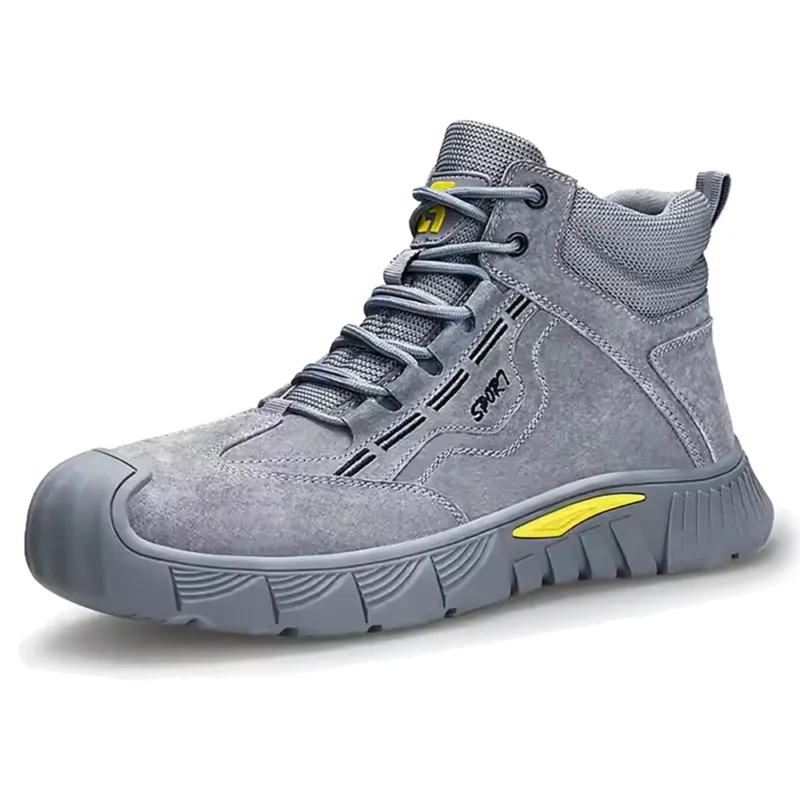
When your workday involves heavy machinery, falling objects, and unforgiving terrain, the Birks Defender Kevlar Steel Toe Safety Work Boots stand ready to protect you through it all. These boots deliver the exceptional durability, reliable protection, and all-day comfort you need to tackle any challenge and get the job done right, every single time.
Bacteria thrive in warm, damp environments. They feed on dead skin cells and sweat proteins. The metabolic waste products from bacterial growth create unpleasant smells. The enclosed nature of work boots prevents air circulation. This creates ideal conditions for odor-causing microorganisms.
Boot materials affect smell intensity. Synthetic linings hold moisture longer than natural materials. Leather offers better breathability but requires proper maintenance. Composite toe caps and thick rubber soles trap heat more effectively than traditional steel toe designs.
Immediate Actions After Each Work Shift
Remove boots immediately after finishing work. Keeping sweaty boots on your feet extends bacterial growth periods. Pull the tongue forward and loosen all laces completely.
Extract removable insoles from each boot. Place insoles in a separate drying area. This allows air to reach all interior surfaces. Most commercial insoles need 24-48 hours to dry completely.
Stuff boots with newspaper or paper towels. These materials absorb residual moisture efficiently. Replace the paper after 2-3 hours if it feels damp. Continue this process until paper remains dry.
Position boots in a well-ventilated area away from direct sunlight. Excessive heat damages leather and weakens adhesives. Face boot openings toward air currents from fans or windows. Never store damp boots in closed spaces like lockers or closets.
Deep Cleaning Methods for Work Boots
Hand Washing Interior Surfaces
Create a cleaning solution using warm water and mild soap. Mix one tablespoon of dish soap per quart of water. Dip a clean cloth into the solution and wring out excess liquid.
Scrub interior surfaces thoroughly. Pay special attention to:
- Toe box areas where sweat accumulates
- Heel cups that contact skin directly
- Tongue padding that absorbs moisture
- Ankle collar zones that trap debris
Rinse the cloth in clean water. Wipe all soapy residue from interior surfaces. Soap residue attracts dirt and promotes bacterial growth.
Apply a disinfecting solution after cleaning. Mix equal parts white vinegar and water. Spray or wipe this solution on all interior surfaces. Vinegar kills bacteria and neutralizes existing odors.
Machine Washing (For Appropriate Boot Types)
Check manufacturer labels before machine washing. Many work boots with Goodyear welt construction or leather uppers cannot survive machine washing. Canvas work boots and synthetic hiking-style safety boots typically tolerate machine cleaning.
Remove laces and insoles completely. Place boots in a mesh laundry bag or pillowcase. Add old towels to balance the washing load. This prevents boots from damaging the drum.
Select cold water and gentle cycle settings. Add half the normal amount of mild detergent. Avoid bleach and fabric softeners. These chemicals damage boot materials and waterproof coatings.
Air dry boots after washing. Never use clothes dryers. High heat melts adhesives and shrinks leather components.
Specialized Boot Cleaners
Commercial boot cleaning products contain enzymes that break down organic materials. These enzymatic cleaners target the proteins in sweat and dead skin cells. Popular brands include Nikwax, Gear Aid ReviveX, and Sport Shield.
Apply these cleaners according to package directions. Most require application to damp boots. The enzymes need moisture to activate and penetrate materials. Leave products on boots for the specified duration before rinsing.
Odor Elimination Treatments
Baking Soda Applications
Baking soda absorbs moisture and neutralizes acidic odor compounds. Sprinkle three tablespoons of baking soda inside each boot. Shake boots to distribute powder evenly. Leave overnight for maximum effectiveness.
Tap boots over a trash can to remove powder. Use a vacuum hose attachment for thorough removal. Residual powder creates uncomfortable grittiness during wear.
Create baking soda sachets for regular maintenance. Fill coffee filters with baking soda and secure with rubber bands. Place one sachet in each boot during storage periods. Replace sachets monthly.
Activated Charcoal Inserts
Activated charcoal contains millions of tiny pores that trap odor molecules. Commercial charcoal bags designed for boots cost $10-20 per pair. These products remain effective for 1-2 years with proper care.
Insert charcoal bags immediately after removing boots. The bags work best when boots are still slightly warm. Heat increases air circulation and odor molecule movement.
Reactivate charcoal bags monthly by placing them in direct sunlight for 2-3 hours. UV light releases trapped molecules and restores absorption capacity.
Cedar Boot Shapers
Cedar wood contains natural oils with antifungal and antibacterial properties. Cedar boot trees absorb moisture while releasing fresh scent. These shapers also maintain boot structure during storage.
Insert cedar shapers while boots are slightly damp. The wood absorbs moisture more effectively than when completely dry. Full-size boot trees work better than small cedar balls.
Sand cedar surfaces lightly every six months. This exposes fresh wood and releases more oils. A light sanding with 220-grit sandpaper takes 2-3 minutes per shaper.
Freezing Method
Extreme cold kills odor-causing bacteria. Place boots in large freezer bags. Seal bags completely to prevent freezer burn on leather. Freeze boots for 24-48 hours.
Remove boots and allow them to reach room temperature naturally. Condensation forms during thawing. Wipe interior surfaces dry with clean cloths. This method works well for boots that cannot tolerate washing.
Preventive Measures for Long-Term Freshness
Proper Sock Selection
Merino wool socks provide superior moisture management compared to cotton. Wool fibers wick sweat away from skin and dry quickly. These socks naturally resist bacterial growth and odor development.
Synthetic moisture-wicking fabrics offer similar benefits at lower costs. Look for socks labeled with moisture management technology. Brands use terms like Coolmax, Drifit, or Drymax to identify these products.
Change socks during extended shifts. Carry a spare pair in your work bag. Fresh socks every 8 hours dramatically reduces bacterial accumulation.
Avoid cotton socks for physically demanding work. Cotton absorbs moisture but dries slowly. Damp cotton creates perfect bacterial breeding grounds.
Boot Rotation Strategy
Never wear the same boots on consecutive days. Boots need 24-48 hours to dry completely between uses. Rotating between two or three pairs extends boot lifespan significantly.
Create a simple rotation schedule:
- Day 1: Wear Pair A
- Day 2: Wear Pair B while Pair A dries
- Day 3: Wear Pair C while Pair B dries
- Day 4: Return to Pair A (now fully dry)
This schedule ensures each boot pair receives adequate drying time. The investment in multiple boot pairs pays dividends through reduced replacement frequency.
When your workday involves heavy machinery, falling objects, and unforgiving terrain, the Birks Defender Kevlar Steel Toe Safety Work Boots stand ready to protect you through it all. These boots deliver the exceptional durability, reliable protection, and all-day comfort you need to tackle any challenge and get the job done right, every single time.
Foot Hygiene Practices
Wash feet thoroughly before putting on work boots. Use antibacterial soap between toes and around toenails. These areas harbor the highest bacterial concentrations.
Apply antiperspirant to feet 30 minutes before wearing boots. Foot antiperspirants reduce sweat production by 20-30%. Apply products to dry, clean feet for maximum effectiveness.
Trim toenails regularly. Long nails trap dirt and bacteria. They also damage sock fibers and create additional moisture-trapping spaces.
Use foot powder before wearing boots. Talcum-based or cornstarch-based powders absorb moisture throughout the day. Antifungal foot powders provide additional protection against infections.
Environmental Considerations at Work
Store boots in open areas during breaks. Closed lockers trap heat and humidity. If lockers are mandatory, choose perforated or vented locker designs.
Remove boots during lunch breaks when possible. Even 30 minutes of air exposure helps reduce moisture accumulation. Place boots near air conditioning vents or fans.
Avoid walking through standing water unnecessarily. Waterproof boots eventually leak at seams or zipper areas. Excess water saturation takes days to dry completely.
Replacement Parts and Upgrades
Odor-Resistant Insoles
Replace factory insoles with antimicrobial alternatives. Modern insole materials include silver ion treatments, copper-infused foams, and bamboo charcoal layers. These materials actively prevent bacterial growth.
Comparison of common antimicrobial insole materials:
| Material Type | Odor Control Duration | Cost Range | Comfort Level |
|---|---|---|---|
| Copper-Infused Foam | 6-8 months | $25-35 | High |
| Silver Ion Treatment | 8-12 months | $30-45 | Medium |
| Bamboo Charcoal | 4-6 months | $15-25 | Medium |
| Cedar Fiber Composite | 3-5 months | $20-30 | High |
Purchase insoles specifically designed for work boots. These products provide adequate arch support and cushioning for long shifts. Athletic insoles often lack necessary durability for industrial environments.
Moisture-Wicking Liners
Aftermarket boot liners create barriers between feet and boot interiors. These removable liners simplify cleaning processes. Wash liners weekly in regular laundry loads.
Select liners made from synthetic moisture-wicking fabrics. Wool felt liners offer excellent insulation but dry slowly. Nylon and polyester blends provide optimal performance for odor prevention.
Boot Dryers
Electric boot dryers force warm air through boot interiors. These devices reduce drying time from 24 hours to 4-6 hours. Quality boot dryers cost $30-60 and last several years.
Choose dryers with adjustable heat settings. Excessive heat damages leather and synthetic materials. Low or medium heat settings provide safe, effective drying.
Position dryers correctly for maximum airflow. Boots should sit upright with dryer tubes extending into toe boxes. Run dryers in ventilated areas to prevent moisture buildup in surrounding spaces.
Advanced Odor Treatment Options
UV Light Sanitizers
Ultraviolet light kills bacteria, fungi, and viruses. UV-C sterilizers designed for footwear emit specific wavelength light that destroys microorganism DNA. These devices cost $40-100.
Insert UV sanitizers into boots for 15-45 minutes per treatment. Most products feature automatic shut-off timers. Use UV treatments 2-3 times weekly for persistent odor problems.
UV light does not remove existing odors. It prevents future bacterial growth. Combine UV treatments with cleaning methods for complete odor management.
Ozone Generators
Ozone molecules oxidize odor compounds at the molecular level. Small ozone generators designed for boot treatment cost $50-150. These devices eliminate odors rather than masking them.
Place boots in enclosed spaces with ozone generators. Closets or large plastic bins work well. Run generators for 30-60 minutes. Ozone dissipates naturally within 2-3 hours.
Never use ozone generators around people or pets. Ozone irritates respiratory systems. Ventilate treated areas before entering.
Professional Cleaning Services
Shoe repair shops and dry cleaners offer deep cleaning services. Professional treatments cost $20-40 per pair. These services benefit expensive boots or severe odor cases.
Professionals use industrial-grade cleaning solutions and equipment. They can treat delicate leather boots that cannot tolerate home washing methods. Some services include conditioning and waterproofing applications.
Addressing Underlying Foot Conditions
Excessive foot odor sometimes indicates medical conditions. Hyperhidrosis causes abnormally high sweat production. This condition affects 3-5% of the population. Medical treatments include prescription antiperspirants and Botox injections.
Fungal infections create distinctive odors different from bacterial smells. Athlete’s foot and toenail fungus require antifungal medications. Over-the-counter treatments work for mild cases. Persistent infections need prescription medications.
Consult healthcare providers if foot odor persists despite proper boot care. Medical interventions address root causes rather than symptoms. This approach provides permanent solutions instead of temporary fixes.
Summary of Essential Steps
Stopping work boot odor requires consistent daily practices. Remove boots immediately after shifts. Clean and dry boots thoroughly between wears. Use antimicrobial treatments regularly.
Invest in quality moisture-wicking socks. Rotate between multiple boot pairs. Consider upgrading to odor-resistant insoles and liners. Address foot hygiene before problems develop.
Severe odor problems respond well to combination approaches. Use multiple treatment methods simultaneously. Deep clean boots monthly while maintaining daily prevention routines.
Fresh-smelling work boots improve comfort and confidence. They also extend boot lifespan by preventing material degradation. The time invested in proper boot care delivers significant returns in comfort and cost savings.
When your workday involves heavy machinery, falling objects, and unforgiving terrain, the Birks Defender Kevlar Steel Toe Safety Work Boots stand ready to protect you through it all. These boots deliver the exceptional durability, reliable protection, and all-day comfort you need to tackle any challenge and get the job done right, every single time.
