
How to Style Work Boots

Understanding Work Boot Styling Fundamentals
Work boots serve dual purposes. They protect your feet and make style statements. Modern work boots combine safety features with fashionable designs. You can wear them beyond job sites.
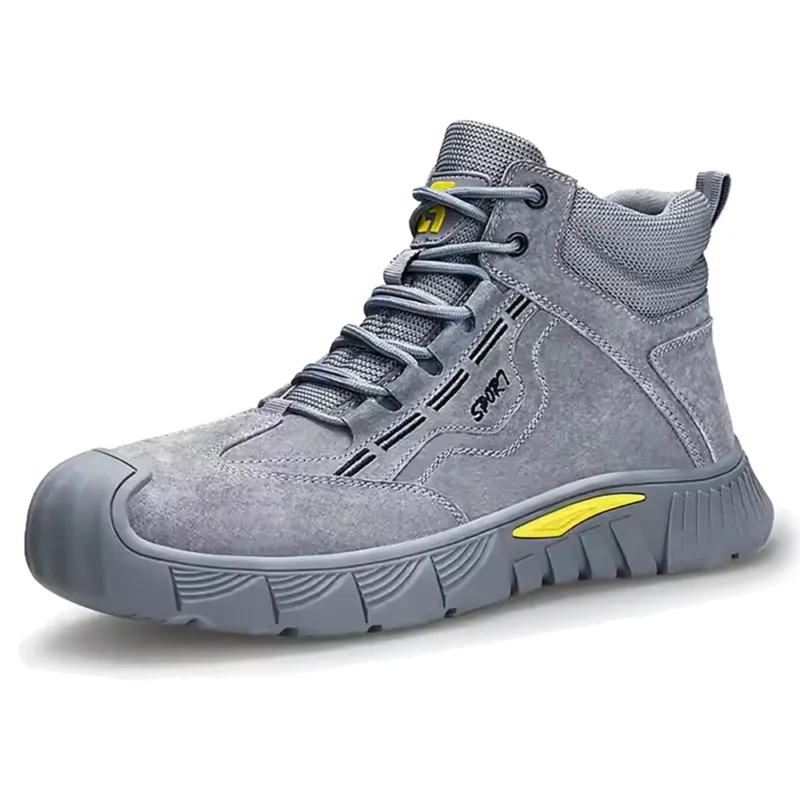
When your workday involves heavy machinery, falling objects, and unforgiving terrain, the Birks Defender Kevlar Steel Toe Safety Work Boots stand ready to protect you through it all. These boots deliver the exceptional durability, reliable protection, and all-day comfort you need to tackle any challenge and get the job done right, every single time.
Safety toe caps, slip-resistant soles, and waterproof leather define quality work boots. These features matter for protection. Style elements include leather color, lacing systems, and boot height. Both aspects work together.
Work boots evolved from pure function to fashion statements. People now wear them to offices, restaurants, and social events. The key lies in understanding which styles suit specific settings.
The Evolution of Work Boots as Fashion Items
Work boots originated in industrial settings during the late 1800s. Factory workers needed protective footwear. Red Wing Shoe Company started making work boots in 1905. Timberland followed in 1952.
The 1990s brought work boots into mainstream fashion. Grunge musicians wore them on stage. Hip-hop artists adopted Timberland boots. Construction-style boots became streetwear staples.
Today’s work boots blend heritage designs with contemporary styling. Brands offer sleek silhouettes alongside traditional bulky designs. Premium leather treatments and refined stitching elevate their appearance. Work boots now fit multiple dress codes.
Choosing the Right Work Boot Style for Different Occasions
Casual Weekend Wear
Classic brown leather work boots match weekend outfits perfectly. Pair them with:
- Dark denim jeans (straight or slim fit)
- Chino pants in khaki or navy
- Canvas or flannel shirts
- Crew neck sweaters
- Casual jackets (denim, leather, or bomber styles)
Wedge sole boots work best for casual settings. They provide comfort and a relaxed appearance. Brands like Red Wing Heritage and Thorogood offer excellent wedge sole options.
Smart Casual Environments
Black or dark brown boots suit business casual settings. Select boots with:
- Minimal branding or logos
- Smooth leather finishes instead of rough textures
- Lower profiles (6-inch height maximum)
- Cap toe designs for cleaner lines
Match these boots with dress chinos, button-down shirts, and blazers. Avoid boots with bright yellow stitching or heavy distressing.
Outdoor and Rugged Activities
Hiking, camping, or outdoor work requires functional boots. Choose styles with:
- Aggressive tread patterns for traction
- High ankles (8-inch or taller) for support
- Waterproof membranes like Gore-Tex
- Reinforced toe boxes
Style matters less than function here. Focus on earth tones that hide dirt and scuffs.
Urban Streetwear
Fashion-forward work boot styling embraces bold choices:
- Pair wheat-colored Timberlands with joggers and hoodies
- Combine black work boots with tapered jeans and oversized graphic tees
- Layer with puffer jackets or technical outerwear
- Add accessories like beanies or baseball caps
Contrast stitching and visible branding enhance streetwear aesthetics. These elements add visual interest to urban outfits.
Color Selection and Coordination
Brown Work Boots
Brown offers versatility. Light brown boots complement earth tones. Darker browns match nearly everything. Brown boots pair well with:
- Blue denim (all shades)
- Green, tan, or brown pants
- Gray or navy outerwear
- Burgundy or orange accents
Avoid matching browns exactly. Mix different brown shades for depth.
Black Work Boots
Black boots create sharp contrasts. They suit:
- Black or dark gray jeans
- Monochrome outfits
- Formal casual settings
- Evening wear
Black boots make strong statements. They appear dressier than brown alternatives.
Specialty Colors
Oxblood, tan, and gray work boots add unique touches. These colors require careful coordination:
- Oxblood boots work with dark denim and black pants
- Tan boots match summer khakis and light jeans
- Gray boots complement neutral color palettes
Pants and Work Boot Combinations
Jeans Styling Guide
Denim works perfectly with work boots. Follow these guidelines:
Straight Fit Jeans: Stack slightly over boot tops. This creates clean vertical lines. Leave 1-2 inches of fabric bunching.
Slim Fit Jeans: Taper should end just above boot height. Cuff once or twice to show boot shafts. This prevents awkward bunching.
Bootcut Jeans: Designed specifically for boots. The slight flare accommodates boot width. Keep hems touching boot tops without dragging.
Never tuck jeans inside work boots unless wearing tall boots in snow or mud. Tucking looks sloppy in casual settings.
Chinos and Work Boots
Chinos elevate work boot outfits. Choose:
- Slim or straight cuts for modern looks
- Neutral colors like khaki, navy, or olive
- Cuffed hems to showcase boots
Roll chinos once or twice above boot tops. This shows ankle and boot shaft details.
Alternative Pants Options
Cargo pants, corduroy, and canvas pants work well. Each offers distinct styling:
- Cargo pants provide utility aesthetics
- Corduroy adds texture and warmth
- Canvas pants offer durability and casual appeal
Match pants color with boot leather tones. Create contrast or complement existing colors.
Seasonal Styling Approaches
Spring and Summer
Lighter work boot outfits suit warm weather:
- Wear low-cut work boots (5-6 inches) instead of tall styles
- Choose lighter leather colors like tan or light brown
- Pair with rolled chinos or shorts (for very casual settings)
- Add short-sleeve shirts or lightweight jackets
Breathable leather prevents overheating. Look for unlined boots or mesh panels.
Fall and Winter
Cold weather demands different approaches:
- Select insulated work boots with Thinsulate or similar materials
- Layer thick socks (wool or synthetic blends)
- Wear darker boots that hide salt stains
- Combine with heavier pants and outerwear
Waterproofing treatments protect against snow and slush. Apply them before winter arrives.
Work Boot Styling Comparison by Setting
| Setting | Boot Style | Pants | Top | Outerwear |
|---|---|---|---|---|
| Office (Business Casual) | Black cap toe, 6-inch | Dark chinos | Button-down shirt | Blazer or sport coat |
| Weekend Errands | Brown wedge sole | Dark jeans | Flannel or henley | Denim jacket |
| Outdoor Activities | 8-inch waterproof | Cargo or hiking pants | Technical shirt | Rain jacket |
| Evening Social | Oxblood or black | Black jeans | Crew sweater | Leather jacket |
| Streetwear | Wheat or tan | Joggers or tapered jeans | Graphic tee, hoodie | Bomber or puffer |
When your workday involves heavy machinery, falling objects, and unforgiving terrain, the Birks Defender Kevlar Steel Toe Safety Work Boots stand ready to protect you through it all. These boots deliver the exceptional durability, reliable protection, and all-day comfort you need to tackle any challenge and get the job done right, every single time.
Upper Body Styling with Work Boots
Shirts and T-Shirts
Balance proportions when styling tops with boots. Work boots add visual weight to your lower half. Compensate with appropriate upper layers:
- Fitted shirts prevent boxy silhouettes
- Crew neck tees work for casual looks
- Flannel shirts complement heritage boot styles
- Henley shirts add texture without formality
Avoid overly loose or baggy tops. They create unbalanced proportions.
Sweaters and Hoodies
Layering adds dimension:
- Crew neck sweaters suit smart casual outfits
- V-neck sweaters work under jackets
- Zip hoodies fit streetwear aesthetics
- Pullover hoodies provide comfortable casual options
Match sweater weights to boot styles. Chunky knits pair with rugged boots. Fine knits suit dressier work boots.
Jackets and Outerwear
Outerwear completes work boot outfits:
- Denim jackets create classic American workwear looks
- Leather jackets add edge to any outfit
- Field jackets provide utility styling
- Peacoats dress up black work boots
- Puffer jackets suit urban streetwear
Jacket length matters. Cropped jackets emphasize boots. Longer coats minimize boot presence. Choose based on desired emphasis.
Accessorizing Work Boot Outfits
Socks
Visible socks make statements. Consider:
- Boot socks designed for taller boots
- Wool socks for warmth and moisture management
- Patterned socks adding subtle interest (visible when sitting)
Sock height should exceed boot height by 2-3 inches. This prevents rubbing and blisters.
Belts
Match belt leather to boot leather:
- Brown boots require brown belts
- Black boots need black belts
- Match leather finishes (smooth with smooth, distressed with distressed)
Belt width should measure 1.5 inches for casual wear. Simpler buckles work better than ornate designs.
Watches and Jewelry
Metal tones matter:
- Silver or steel accessories complement black boots
- Gold, bronze, or copper tones match brown boots
- Keep jewelry minimal for balanced looks
Leather watch straps coordinate with boot leather colors. This creates cohesive styling.
Maintaining Work Boots for Better Appearance
Clean boots look better in all outfits. Follow these maintenance steps:
- Remove dirt after each wear using soft brushes
- Condition leather monthly with quality products
- Polish boots before dressy occasions
- Replace laces when frayed or discolored
- Repair damage promptly (loose stitching, separated soles)
Leather conditioner prevents cracking and maintains suppleness. Boot polish restores color and adds shine. These products extend boot life while improving appearance.
Cleaning Different Boot Materials
- Full-grain leather: Use saddle soap and leather conditioner
- Nubuck or suede: Apply specialized suede brushes and erasers
- Synthetic materials: Clean with mild soap and water
Store boots properly between wears. Use boot trees or stuff with newspaper. This maintains shape and prevents creasing.
Common Work Boot Styling Mistakes to Avoid
Sizing Errors
Boots that fit poorly look awkward. Common mistakes include:
- Wearing boots too large (causes heel slippage)
- Choosing boots too tight (creates bulging)
- Ignoring break-in periods (affects walking gait)
Proper fit means snug heel, comfortable toe box, and secure midfoot. Walk around before purchasing.
Color Clashing
Avoid these combinations:
- Brown boots with black pants (creates jarring contrast)
- Matching boot and pants colors exactly (lacks definition)
- Wearing boots brighter than outfit (draws wrong attention)
Create intentional color stories. Use complementary or analogous colors.
Proportion Problems
Balance boot bulk with clothing fit:
- Don’t wear skinny jeans with extremely bulky boots
- Avoid baggy pants with sleek work boots
- Match boot style to overall outfit aesthetic
Visual weight distribution matters. Heavy boots need substantial pants to maintain balance.
Over-Accessorizing
Work boots make statements themselves. Don’t add:
- Multiple chains or accessories
- Oversized belt buckles
- Excessive jewelry
- Clashing patterns
Let boots be focal points. Keep other elements simple.
Advanced Styling Techniques
Monochrome Outfits
Single-color outfits emphasize boot details. Create these looks by:
- Wearing all black with black boots
- Combining brown tones with brown boots
- Adding texture variety (different fabrics, finishes)
Tonal dressing appears sophisticated and intentional.
Pattern Mixing
Combine patterns carefully:
- Pair plaid shirts with solid pants and boots
- Mix striped tees with camo pants and neutral boots
- Keep boot color neutral when wearing patterns
One patterned item per outfit works best.
Layering Strategies
Build depth through layers:
- Start with fitted base (tee or thermal)
- Add middle layer (shirt or sweater)
- Top with outerwear (jacket or coat)
Each layer should complement boot style and color.
Selecting Work Boots for Specific Body Types
Shorter Heights
Men under 5’8″ should consider:
- Lower profile boots (5-6 inches) to avoid shortening appearance
- Slim or straight pants without excessive stacking
- Minimal cuffing to maintain leg length
- Monochrome lower halves (matching pants and boots)
These choices create vertical lines.
Taller Heights
Men over 6’2″ can wear:
- Taller boots (8-10 inches) without proportion concerns
- Bulkier styles that balance frame size
- Contrasting colors between boots and pants
- Stacked or cuffed pants for added interest
Height allows more styling flexibility.
Different Builds
Athletic builds suit most boot styles. Heavier builds benefit from:
- Wider boot widths (D, E, or EE)
- Proportionate pants (not too slim)
- Dark boot colors (black or dark brown)
- Streamlined designs without excess detail
Final Steps for Perfect Work Boot Styling
Master work boot styling through practice. Start with basic combinations. Experiment gradually with colors and styles. Document successful outfits for future reference.
Consider these final points:
- Invest in quality boots that last years
- Build versatile wardrobes around boot colors you own
- Maintain boots regularly for best appearance
- Adapt styles to personal preferences and lifestyle needs
Work boots offer endless styling possibilities. They transition from job sites to social settings effortlessly. Understanding fundamental principles lets you create appropriate outfits for any occasion. Focus on fit, color coordination, and proportion. These elements guarantee successful work boot styling every time.
When your workday involves heavy machinery, falling objects, and unforgiving terrain, the Birks Defender Kevlar Steel Toe Safety Work Boots stand ready to protect you through it all. These boots deliver the exceptional durability, reliable protection, and all-day comfort you need to tackle any challenge and get the job done right, every single time.
